







Researchers found that people who avoided three important risk factors, smoking, diabetes and high blood pressure, could potentially enjoy nearly 13 additional years without dementia.
We often think of dementia as something that belongs to very old age, something that we need to worry about only when memory begins to fail. But research increasingly tells us that the story begins much earlier. The choices we make in midlife, particularly those affecting our heart and blood vessels, may influence how long our brain remains healthy.
A recent study has offered an encouraging message. Researchers found that people who avoided three important risk factors, smoking, diabetes and high blood pressure, could potentially enjoy nearly 13 additional years without dementia.
The findings do not mean that anyone can guarantee a dementia free future. Dementia is influenced by many factors, including age, genetics and family history. However, the study reinforces something within our control: looking after our overall health may also be one of the best ways of looking after our brain.
The heart and brain connection
The research, published in Neurology Open Access, examined data from more than 12,000 people who had participated in a long running American health study. The participants were followed for more than 26 years.
The researchers concentrated on three factors that could be measured consistently: high blood pressure, smoking and diabetes.
The results were striking. People who had none of these three risk factors had the lowest likelihood of developing dementia. Those who had all three were almost three times as likely to develop the condition.
We often think of dementia as something that belongs to very old age, something that we need to worry about only when memory begins to fail. But research increasingly tells us that the story begins much earlier. The choices we make in midlife, particularly those affecting our heart and blood vessels, may influence how long our brain remains healthy.
A recent study has offered an encouraging message. Researchers found that people who avoided three important risk factors, smoking, diabetes and high blood pressure, could potentially enjoy nearly 13 additional years without dementia.
The findings do not mean that anyone can guarantee a dementia free future. Dementia is influenced by many factors, including age, genetics and family history. However, the study reinforces something within our control: looking after our overall health may also be one of the best ways of looking after our brain.
The heart and brain connection
The research, published in Neurology Open Access, examined data from more than 12,000 people who had participated in a long running American health study. The participants were followed for more than 26 years.
The researchers concentrated on three factors that could be measured consistently: high blood pressure, smoking and diabetes.
The results were striking. People who had none of these three risk factors had the lowest likelihood of developing dementia. Those who had all three were almost three times as likely to develop the condition.

Why does this matter? Because the brain depends on a healthy blood supply. High blood pressure and diabetes can gradually damage blood vessels, while smoking can contribute to inflammation and vascular damage. Over many years, these problems can affect the brain as well as the heart.
The researchers estimated that maintaining better vascular health during midlife could be associated with approximately 12.6 additional years of dementia free survival.
That is a powerful reason to take seemingly ordinary health checks seriously.
It is never just about memory
When we talk about dementia prevention, we naturally think about puzzles, reading and keeping the mind active. These activities are certainly worthwhile, but brain health is much broader.
High cholesterol, physical inactivity, obesity, hearing loss, vision problems, depression and social isolation can also influence dementia risk. Poor sleep, excessive alcohol consumption, traumatic brain injury and exposure to air pollution have also been identified as potential contributors.
Hearing loss deserves particular attention. When someone struggles to hear conversations, they may gradually withdraw from social situations. At the same time, the brain has to work harder to interpret sounds. Treating hearing problems can therefore support both communication and social engagement.
And social connection matters. A conversation with a friend, joining a group, learning something new or simply sharing a meal with others gives the brain stimulation that no tablet can quite replace.

What can we actually do?
The good news is that many of these risk factors can be addressed.
Start with the basics. Know your blood pressure. Know your blood sugar levels and discuss your HbA1c with your doctor when appropriate. Keep an eye on cholesterol and body weight. If you smoke, stopping is one of the most valuable things you can do for your long-term health.
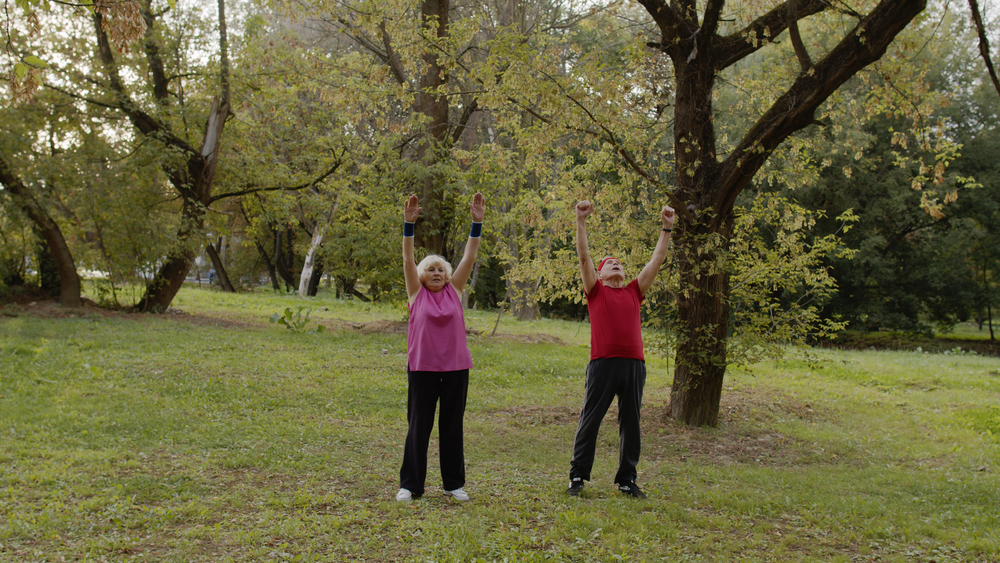
Movement is equally important. You do not necessarily need an elaborate exercise programme. Regular walking, gentle strength exercises, swimming, stretching or another activity that suits your abilities can help maintain cardiovascular health and physical independence.
Food also plays a role. A balanced diet with plenty of vegetables, fruit, whole grains, pulses and other nutritious foods, while keeping excessive salt, sugar and highly processed foods under control, can support both heart and brain health.
Sleep should not be treated as a luxury. Good quality sleep gives the body and brain an opportunity to recover. Persistent sleep difficulties deserve attention rather than simply being accepted as part of getting older.
Then there is the mind itself. Read a book, learn a language, play music, solve a crossword, attend a lecture, write, paint or explore something you have always been curious about. The activity matters less than continuing to challenge yourself and remain interested in the world.
There is no room for blame
Perhaps the most reassuring message from the researchers is that dementia prevention should be viewed as an opportunity, not as a promise or a source of guilt.
Even people who live extremely healthy lives can develop dementia. Age and genetics remain important, and some factors cannot be changed. Having dementia does not mean that someone made poor choices or failed to look after themselves.
What we can do is improve the odds.
It is also never too late to begin paying attention to vascular health. While midlife appears to be particularly important, healthier habits at any age can contribute to better overall wellbeing.
So, rather than waiting for memory problems to appear, perhaps the wiser approach is to start much earlier. Check your blood pressure. Keep diabetes under control. Look after your cholesterol. Stop smoking. Keep moving. Sleep well. Stay socially connected. Continue learning.
Our brains are not separate from the rest of us. Every healthy walk, every sensible meal, every medical check and every meaningful conversation may be another small investment in the years ahead.
And sometimes, protecting the future begins with something as simple as taking better care of ourselves today.