






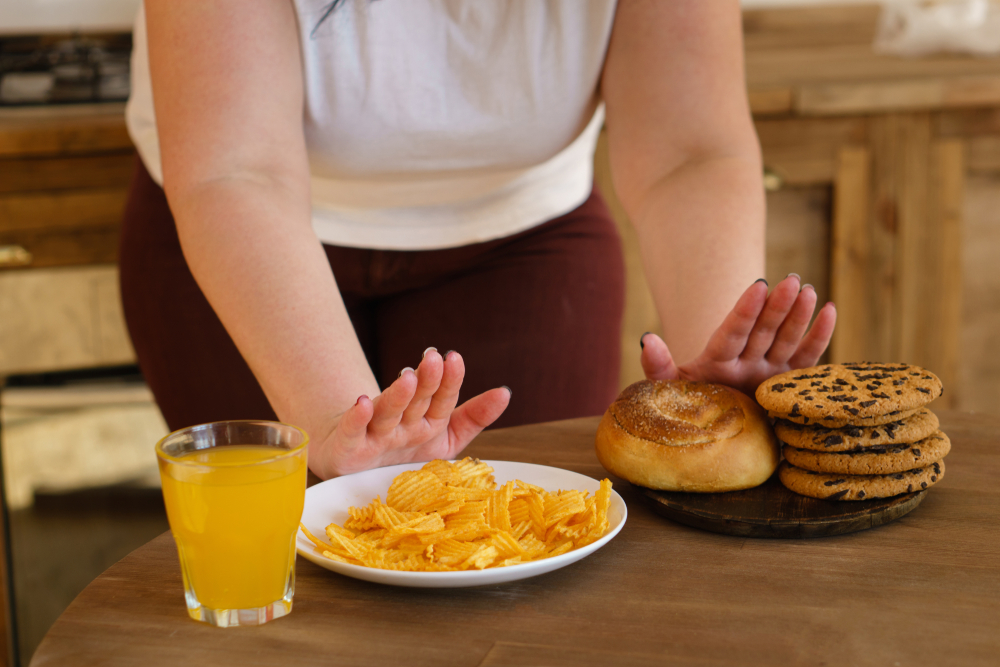
Diabetes isn’t just about sugar; it’s about inflammation, insulin resistance, and the impact of certain fats and refined foods on your metabolism
If you’ve been diagnosed with diabetes, managing your diet becomes one of the most powerful ways to control blood sugar, prevent complications, and maintain overall health. While healthy eating often focuses on what to include, knowing what to avoid is equally vital.
“Diabetes isn’t just about sugar; it’s about inflammation, insulin resistance, and the impact of certain fats and refined foods on your metabolism,” explains Dr Ritu Sharma, Consultant Endocrinologist at Fortis Hospital, Delhi. “The goal should be to stabilise blood glucose while supporting heart, liver, and gut health.”
Here are 10 foods—based on scientific evidence— that people with diabetes should minimise or ideally, avoid altogether:
- Fried Chips and Crisps
Potato chips and crisps are loaded with refined carbs, trans fats, and sodium. Research published in The American Journal of Clinical Nutrition (2014) found that frequent consumption of fried potato products significantly increases the risk of Type 2 diabetes.
These snacks cause rapid spikes in blood glucose and promote weight gain, both of which can worsen insulin resistance.
The Better choice: Baked sweet potato wedges or air-fried vegetable chips using olive oil.
- Seed Oils (Like Sunflower, Corn, or Soybean Oil)
Although marketed as “heart healthy,” seed oils are high in omega-6 fatty acids which, when consumed in excess, can increase inflammation — a key driver of insulin resistance.
A review in Nutrients (2020) notes that a high omega-6 to omega-3 ratio is linked to metabolic disorders and poor glycaemic control.
The Better choice: Use cold-pressed oils like mustard, olive, or coconut oil in moderation.
- Fried Chicken
Commercial fried chicken is often coated in refined flour and deep-fried in reused seed oils. This combination creates advanced glycation end-products (AGEs) — harmful compounds that worsen inflammation and damage blood vessels, as confirmed by studies in Diabetes Care (2017).
The Better choice: Oven-baked or air-fried chicken marinated in herbs and curd.
- Mayonnaise and Creamy Sauces
Most packaged mayonnaise is high in refined oils, sugar, and preservatives. The fat-to-carb ratio can lead to post-meal blood sugar surges and contribute to unhealthy lipid profiles.
“Hidden sugars and stabilisers in processed dressings can sabotage an otherwise healthy salad,” warns Dr Sharma.
The Better choice: Make your own dressing with Greek yoghurt, lemon juice, and herbs.
- White Bread and Bakery Products
White bread, pastries, and buns have a high glycaemic index (GI), causing a sharp rise in blood sugar. Studies in Diabetologia (2018) confirm that refined grains increase the risk of Type 2 diabetes due to rapid glucose absorption and low fibre.
The Better choice: Choose whole-grain or multigrain bread rich in fibre and protein.
- Sweetened Beverages
Sodas, packaged fruit juices, and energy drinks are among the worst offenders. A study in BMJ (2019) showed that daily consumption of sugary drinks increases diabetes risk by up to 26%. They provide liquid sugar that enters the bloodstream almost instantly.
The Better choice: Infused water with mint and lemon or unsweetened coconut water.
- Packaged Breakfast Cereals
Even those labelled “high-fibre” or “wholegrain” often contain added sugar and malt extracts. They cause glucose spikes and cravings later in the day. The Harvard School of Public Health warns that many cereals marketed to diabetics are deceptively unhealthy.
The Better choice: Oats or millet porridge topped with nuts and seeds.
- Flavoured Yoghurt and Ice Cream
Flavoured yoghurts often hide 10–15g of added sugar per serving, while ice creams combine sugar and saturated fat — a double blow for glucose and cholesterol control.
The Better choice: Plain probiotic yoghurt with fresh fruit or a sprinkle of cinnamon.
- White Rice and Refined Pasta
These are high in starch and quickly convert to glucose. The Journal of Nutrition (2020) found that replacing white rice with brown rice or millets significantly improved glycaemic control in Asian populations.
The Better choice: Brown rice, foxtail millet, or quinoa.
- Packaged Snack Foods (Biscuits, Crackers, Instant Noodles)
Ultra-processed snacks contain refined flour, sugars, emulsifiers, and hydrogenated fats. A 2023 WHO report links high consumption of ultra-processed foods with increased Type 2 diabetes incidence.
The Better choice: Roasted chickpeas, makhana, or a handful of unsalted nuts.
Managing diabetes is not about deprivation but smart substitution. As Dr Sharma notes,
“If you control your plate, you control your blood sugar. The key is to eat foods close to their natural form, rich in fibre, and low in industrial processing.”
Alongside diet, regular physical activity, adequate sleep, and stress management are crucial pillars of diabetes care.
Please note this article does not substitute for medical advice and consult your doctor/ dietitian every time you would like to make changes to your diet and routine.