






World RA Awareness Day (held annually on 2 February) highlights how widespread the condition is and encourages improved understanding, early diagnosis and better management
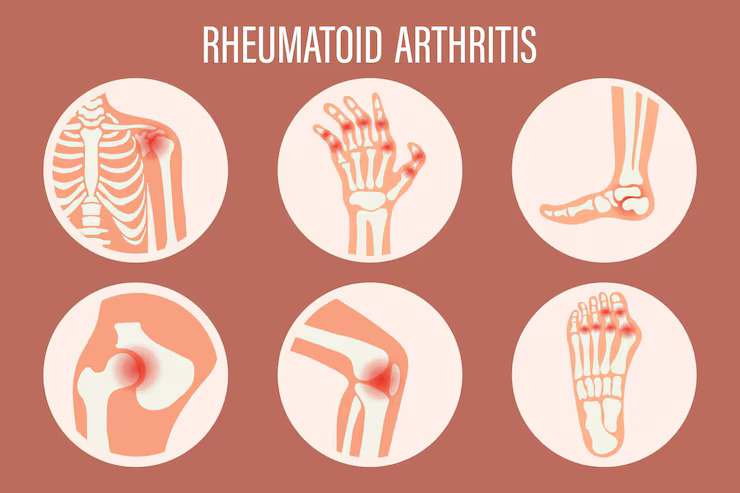
Rheumatoid arthritis (RA) is a chronic autoimmune disease that causes inflammation of the joints, pain and stiffness, often leading to disability if not treated well. Unlike wear-and-tear osteoarthritis, RA arises when the immune system mistakenly attacks healthy joint tissue, most commonly affecting the hands, wrists, feet and knees. It can also involve other organs, including the heart and lungs if poorly controlled.
World RA Awareness Day (held annually on 2 February) highlights how widespread the condition is and encourages improved understanding, early diagnosis and better management.
How RA Affects Men and Women Differently
- Women are More Commonly Affected
Globally, women are significantly more likely to develop RA than men. Around 70 % of people living with RA are women.
The reasons are complex and include hormonal factors, genetic susceptibility, and immune system differences between sexes.
- Symptoms Can Present Differently
While both men and women experience joint pain, swelling and stiffness:
- Women more frequently report joint tenderness and morning stiffness that can last longer.
- Hormonal fluctuations (for example around pregnancy and menopause) can influence disease activity.
- Men might be diagnosed later or have more severe joint damage at diagnosis, perhaps due to delays in seeking medical help.
- Nutrition and Lifestyle Patterns Vary
Studies on dietary patterns in RA patients show differences: men often consume more meat and dairy, while women report higher intakes of fruits, vegetables and oils. Tailored dietary advice may help both groups improve inflammation control and overall health.
Why Diet Matters in Rheumatoid Arthritis
RA is driven by chronic inflammation, and research suggests that certain foods and eating patterns can influence inflammation levels. While diet isn’t a cure, it is a supportive aspect of managing symptoms and overall health.
Anti-Inflammatory Eating: The Mediterranean Way
One of the most supported eating patterns for RA is the Mediterranean diet, rich in:
- Fruits and vegetables
- Whole grains
- Legumes and seeds
- Healthy fats (olive oil, nuts, oily fish)
Research links this dietary pattern to lower inflammation and possibly reduced RA risk.
Foods to Eat (Support Joint Health & Reduce Inflammation)
Here’s a list of nutrient-rich foods that research suggests may support RA management:
Anti-Inflammatory Foods
- Oily fish (salmon, mackerel, sardines) – rich in omega-3 fats that can reduce joint swelling.
- Vegetables & leafy greens (spinach, kale, broccoli) – antioxidants and phytochemicals help counter inflammation.
- Fruits (berries, pomegranate, citrus) – high in vitamins and antioxidants.
- Whole grains (brown rice, quinoa, oats) – provide fibre and support gut and immune health.
- Healthy oils (extra virgin olive oil) – contain anti-inflammatory compounds.
- Nuts & seeds (flaxseed, walnuts) – good sources of omega-3 and phytonutrients.
- Herbs and spices (turmeric, ginger) – natural anti-inflammatory effects.
Tip: Include a variety of colour on your plate — the richer the colours, the wider the range of beneficial antioxidants.
Foods to Avoid (May Worsen Inflammation or Symptoms)
Some foods are associated with increased inflammation or might aggravate RA symptoms:
Highly Processed Foods
- Packaged snacks, fast food, fried foods — high in unhealthy fats, salt and additives.
Refined Sugars and Carbohydrates
- Sweets, sugary drinks and white flour products can contribute to systemic inflammation.
Excess Red & Processed Meats
- These contain saturated fats linked with inflammation and cardiovascular risk.
Trans Fats and Some High-Omega-6 Oils
- Found in margarine and some vegetable oils; may influence inflammatory pathways.
Note on Dairy and Gluten: Some people find that dairy or gluten worsens their symptoms, but evidence is mixed, and this varies by individual. Paying attention to your body’s reaction — possibly with guidance from a dietitian — is key.
Other Helpful Strategies
Diet is one piece of the RA management puzzle. Other science-based approaches include:
Gentle Physical Activity
Low-impact exercise (e.g. walking, swimming) helps maintain joint mobility and muscle strength.
Stress Management & Sleep
Chronic stress and poor sleep can worsen inflammation and pain perception.
Medical Treatment & Follow-Up
RA requires regular monitoring by healthcare professionals. Treatments — including disease-modifying antirheumatic drugs (DMARDs) — are essential to slow disease progression.
Rheumatoid Arthritis Awareness Day is an opportunity to raise understanding of this chronic condition and highlight that:
- Women are affected more often than men, though men also experience significant effects.
- Dietary choices and lifestyle strategies can support conventional medical treatment and help manage inflammation and symptoms.
- A healthy eating pattern, like the Mediterranean diet, emphasises whole foods and anti-inflammatory nutrients.
If you or someone you know has RA, working with a rheumatologist and, where possible, a registered dietitian can help tailor a plan that fits individual needs and supports long-term health.