






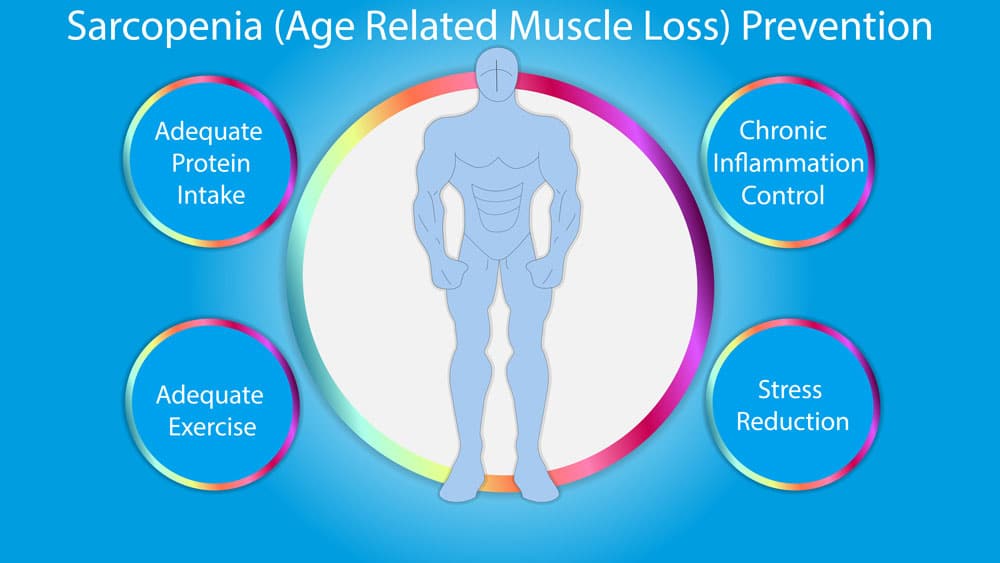
What it is, how it affects men and women differently, and what science says we can do about it
As we grow older, many of us notice everyday tasks becoming harder—getting up from a chair, climbing stairs, carrying groceries, or even maintaining balance. Often, this is not just “ageing”, but a condition with a name: sarcopenia.
What is sarcopenia?
Sarcopenia is the age-related loss of muscle mass, strength and function. It typically begins after the age of 40 and accelerates after 60. Research shows that adults can lose 3–8% of muscle mass per decade, with a sharper decline in later years.
The concern is not appearance, but independence. Muscle strength is closely linked to mobility, balance, bone health, metabolic health and even longevity.
Recognising sarcopenia early allows us to slow, and sometimes partially reverse, its effects.
Why muscle matters more than we think
Skeletal muscle is not just for movement. It:
- Supports joints and protects bones from fractures
- Helps regulate blood sugar and insulin sensitivity
- Aids posture and balance, reducing fall risk
- Plays a role in immune health and inflammation control
Loss of muscle increases the risk of falls, fractures, frailty, diabetes, heart disease and hospitalisation.
How sarcopenia affects men and women differently
In men
- Men usually start adulthood with higher muscle mass, largely due to testosterone.
- With age, testosterone levels gradually decline, accelerating muscle loss.
- Men often experience a more rapid loss of muscle strength, even if muscle size appears preserved.
- Sarcopenia in men is strongly linked to reduced grip strength, slower walking speed and higher mortality risk.
In women
- Women naturally have lower muscle mass, but often better muscle endurance.
- After menopause, the drop in oestrogen contributes to both muscle and bone loss.
- Women are more likely to develop sarcopenic obesity—loss of muscle combined with fat gain.
- This combination increases the risk of arthritis, falls, insulin resistance and reduced mobility.
In India, cultural factors such as lower protein intake among older women, limited resistance exercise, and vitamin D deficiency can further worsen risk.
Early signs seniors should not ignore
- Difficulty rising from a chair without using hands
- Slower walking speed
- Weak grip or dropping objects
- Unintentional weight loss
- Fatigue during routine activities
These are not “normal ageing” and deserve attention.
Science-backed solutions to slow down or reverse sarcopenia
- Strength training is essential (not optional)
Decades of research confirm that resistance training is the most effective treatment for sarcopenia, even in people over 80.
Recommended approach:
- 2–3 sessions per week
- Use bodyweight, resistance bands, light dumbbells or machines
- Focus on legs, hips, back, chest and arms
Studies show seniors can gain muscle strength within 8–12 weeks, improving balance and confidence.
For Indian seniors, chair-based exercises, wall push-ups and supervised physiotherapy work well.
- Protein intake must increase with age
Older adults require more protein, not less.
Scientific guidelines suggest:
- 1.0–1.2 g of protein per kg body weight per day
- Spread evenly across meals for better absorption
Indian senior-friendly protein sources:
- Dals, rajma, chana, soy, paneer
- Curd, milk, buttermilk
- Eggs and fish (where culturally acceptable)
- Nuts, seeds and millets
Protein helps stimulate muscle protein synthesis, which declines with age.
- Vitamin D and sunlight matter
Low vitamin D levels are strongly associated with muscle weakness and falls.
- 15–30 minutes of morning sunlight, where possible
- Supplementation if deficient, under medical advice
Vitamin D improves muscle contraction and balance, especially in women.
- Stay active throughout the day
Beyond exercise sessions:
- Walk regularly
- Avoid prolonged sitting
- Do household activities mindfully
Research shows movement frequency is as important as intensity.
- Manage chronic inflammation and illness
Conditions such as diabetes, heart disease and arthritis accelerate muscle loss.
- Good blood sugar control
- Adequate sleep
- Stress reduction
- Anti-inflammatory diets rich in fruits, vegetables and spices like turmeric
A hopeful message for seniors
Sarcopenia is not inevitable, irreversible or a reason to fear ageing. Muscles respond to care at any age.
The science is clear:
It is never too late to become stronger.
With the right combination of movement, nutrition and medical guidance, seniors can protect independence, dignity and quality of life—well into their later years.