






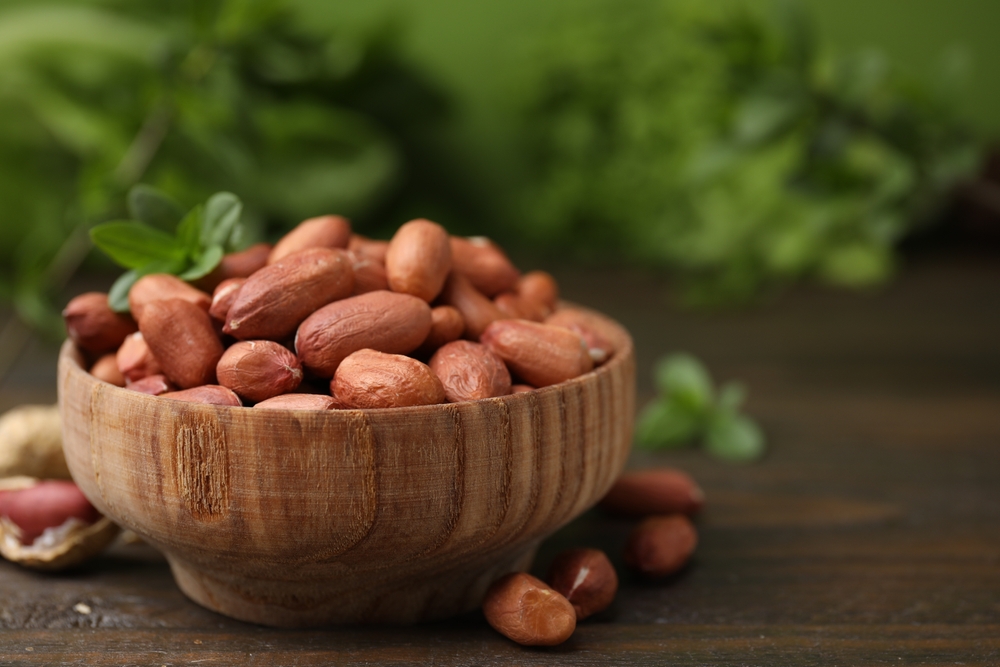
As we grow older, nourishing our bodies with the right foods becomes more important than ever. Surprisingly, one humble pantry staple – the peanut – is often overlooked in senior diets, despite packing a powerful punch when it comes to nutrition.
So, let’s crack open the facts: are peanuts actually good for older adults? And if so, how can they be included in a daily routine in a simple, enjoyable way?
What’s Inside a Peanut?
Though small in size, peanuts are nutritional powerhouses. They’re rich in:
- Protein – important for maintaining muscle mass and strength, which naturally decline with age.
- Healthy fats – mainly monounsaturated and polyunsaturated fats, which support heart and brain health.
- Fibre – helps keep digestion regular and lowers cholesterol.
- Vitamins and minerals – including Vitamin E, magnesium, folate, and niacin, all of which support nerve function, immunity, and bone health.
Despite being technically a legume (not a nut), peanuts share many health benefits with tree nuts and are far more affordable – an added bonus for those living on a budget.
Why Peanuts Are Good for Seniors
- Heart Health
Peanuts can help lower LDL (bad) cholesterol and raise HDL (good) cholesterol, thanks to their healthy fat profile. This is especially beneficial for seniors at risk of heart disease – which, let’s face it, includes many of us over 60. - Blood Sugar Control
They have a low glycaemic index, meaning they won’t spike blood sugar levels. This is particularly useful for seniors managing type 2 diabetes or insulin resistance. - Cognitive Support
The niacin and resveratrol found in peanuts may support brain health and potentially reduce the risk of age-related cognitive decline. - Weight Management
Believe it or not, moderate peanut consumption is linked to better weight control. They’re filling and satisfying, which can help prevent overeating of less healthy snacks.
A Word of Caution
- Watch the salt: Choose unsalted or lightly salted peanuts to avoid raising blood pressure.
- Mind the portion: A small handful (about 30 grams) a day is ideal.
- Check for allergies: If you’ve never had peanuts before, speak to your GP and dietitian before introducing them, especially if you have a history of food sensitivities.
Simple Ways to Add Peanuts to Your Daily Diet
Here are some tasty and easy ideas for adding peanuts into your day without making it a fuss:
🌄 Morning:
- Sprinkle crushed peanuts over your porridge, yoghurt or fruit salad.
- Add a spoon of natural peanut butter to your toast – just make sure it’s sugar and palm oil-free.
🕛 Midday:
- Toss a few roasted peanuts into your vegetable stir-fry or curry for extra texture and flavour.
- Add peanuts to a chickpea or green salad with a lemony dressing for crunch.
☕ Afternoon:
- Have a small handful of peanuts as a snack with tea instead of biscuits.
- Try peanut and banana smoothies for a creamy, energising boost.
🌙 Evening:
- Use a peanut-based satay sauce over steamed vegetables or grilled tofu.
- Make homemade energy balls with peanut butter, oats, and dates – no baking required.
In a Nutshell…
Yes, peanuts are indeed good for senior health – when eaten in moderation and as part of a balanced, wholefood-rich diet. From heart health to helping manage blood sugar and even giving your brain a little love, they’re more than just a snack.
So why not pop a few into your next meal? After all, healthy ageing doesn’t have to be complicated – sometimes, it starts with something as simple as a peanut.
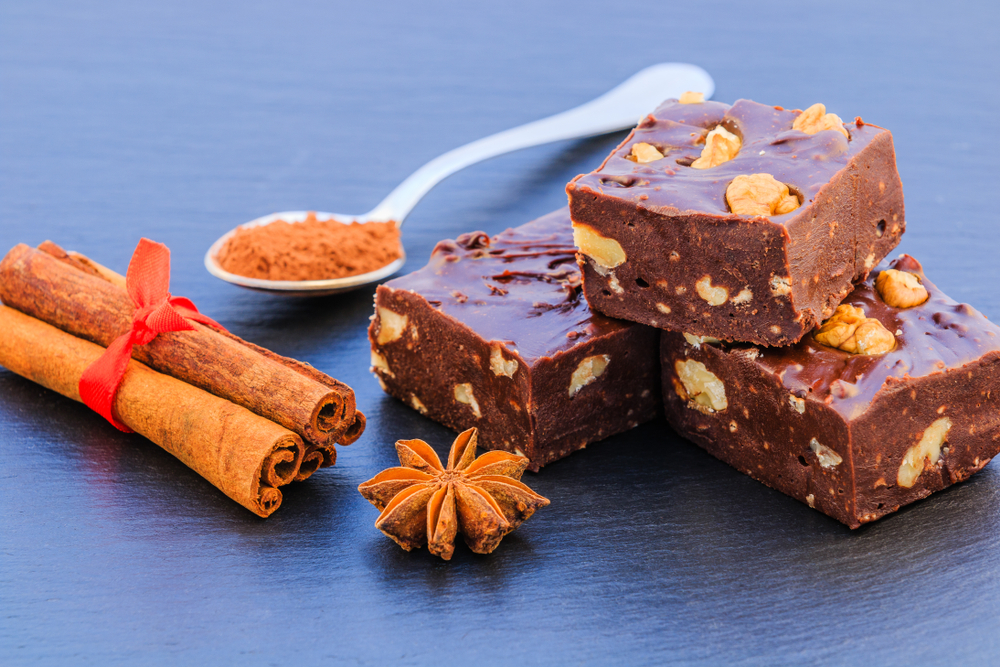
Diabetic-Friendly No-Bake Peanut Breakfast Bars
(Low sugar | High fibre | Senior-friendly)
Ingredients (makes 10–12 bars):
- 1 cup rolled oats (low-GI and high in fibre)
- ½ cup natural unsweetened peanut butter (check label: no sugar, no palm oil)
- ¼ cup unsweetened almond milk or water
- ¼ cup crushed roasted peanuts
- 2 tablespoons chia seeds or ground flaxseeds
- 2 tablespoons desiccated coconut (unsweetened)
- 1 teaspoon cinnamon
- ½ teaspoon vanilla extract (optional)
- A small pinch of salt
Method:
- Line a small baking tin or container with parchment/baking paper.
- In a saucepan on low heat, gently warm the peanut butter and almond milk (or water), stirring until smooth.
- In a bowl, combine oats, crushed peanuts, chia seeds, coconut, cinnamon, and salt.
- Pour the warm peanut butter mixture into the dry ingredients. Stir well until everything sticks together. If the mix feels too dry, add a little more almond milk, one tablespoon at a time.
- Press the mixture into the lined tin, smoothing it down with the back of a spoon.
- Chill in the fridge for 1–2 hours, or until set. Cut into bars and store in an airtight container in the fridge for up to 1 week.
Optional Add-Ins (all low-GI):
- A few chopped walnuts or almonds
- 1 tablespoon unsweetened cocoa powder for a chocolatey version
- A teaspoon of psyllium husk for added gut support
Gentle on blood sugar, rich in good fats, and easy to chew — ideal for seniors watching their glucose levels.