






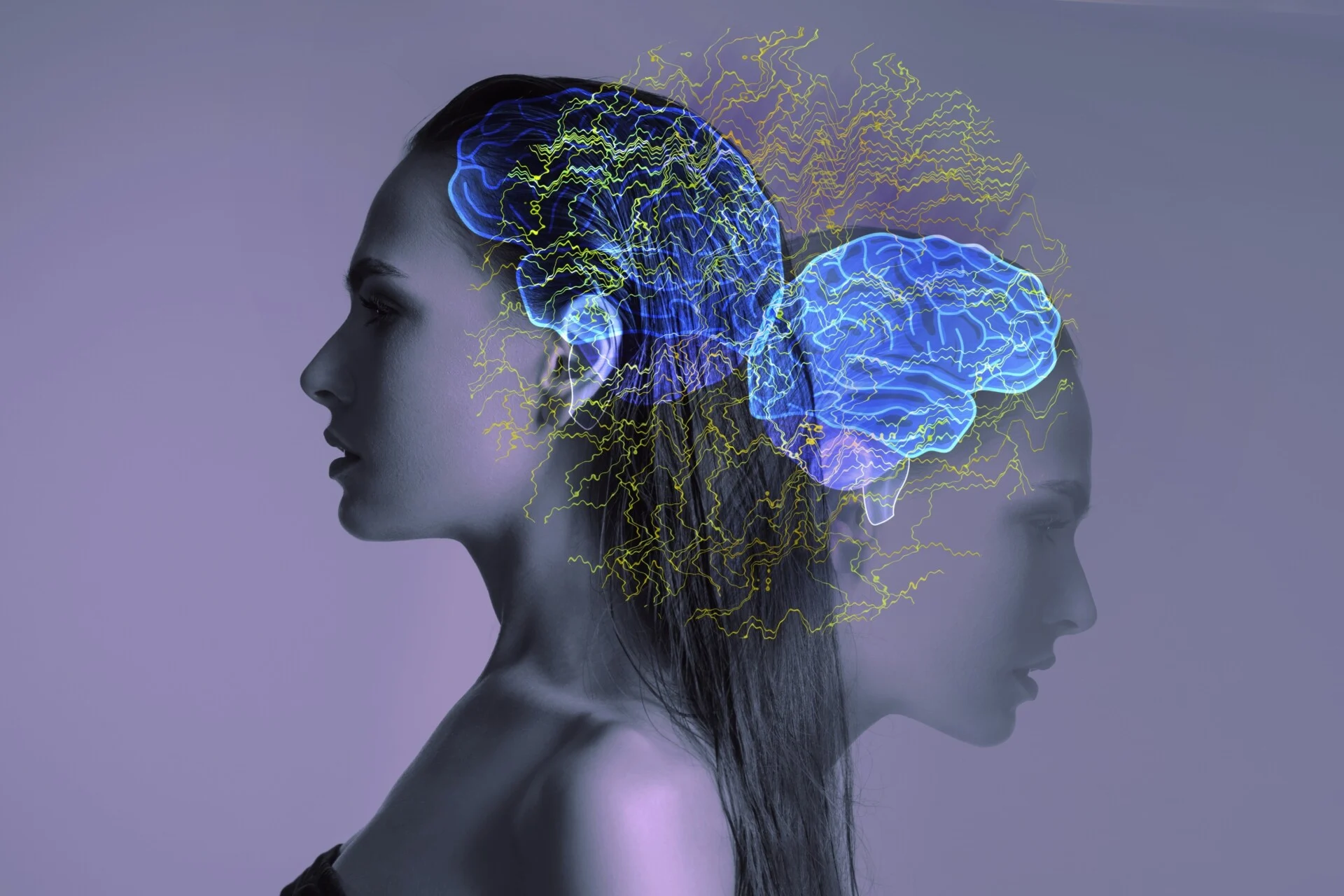
Why do some people remain sharp, curious and mentally agile well into their 80s and 90s, while others struggle much earlier with memory and thinking? Neuroscience offers a compelling answer: cognitive reserve.
Cognitive reserve is not about having a “perfect” brain. It is about how flexible, adaptable and resilient the brain becomes over a lifetime. Think of it as the brain’s ability to find alternative routes when usual pathways are disrupted — a mental detour system built through experience.
What Is Cognitive Reserve?
Cognitive reserve refers to the brain’s capacity to cope with age-related changes or disease while maintaining function. Neuroscientists discovered this concept when autopsy studies revealed something surprising: some older adults had brains showing significant Alzheimer’s pathology, yet had experienced few or no symptoms during life.
In other words, the damage was there, but the brain had learned how to work around it.
Professor Yaakov Stern of Columbia University, one of the leading researchers in this field, suggests that cognitive reserve allows the brain to use networks more efficiently or recruit alternative networks to compensate when others fail.
The Neuroscience Behind It
From a neurological perspective, cognitive reserve is supported by:
- Greater synaptic density – more connections between neurons
- Stronger neural networks – especially in the prefrontal cortex and hippocampus
- Neuroplasticity – the brain’s ability to reorganise itself in response to experience
Functional MRI studies show that older adults with higher cognitive reserve often activate different or additional brain regions when performing the same task as those with lower reserve. This flexible activation helps maintain performance despite structural brain changes.
Importantly, this is not about brain size or IQ alone. It is about how the brain is used.
Why Cognitive Reserve Matters More With Age
As we age, some degree of brain change is inevitable — slower processing speed, mild memory lapses, or reduced multitasking ability. Cognitive reserve acts as a buffer, delaying the clinical expression of these changes.
Research consistently shows that higher cognitive reserve is associated with:
- Delayed onset of dementia symptoms
- Better recovery after stroke or brain injury
- Slower cognitive decline in normal ageing
- Greater independence in daily living
In practical terms, this means that two people with similar levels of brain pathology can function very differently depending on their reserve.
How Is Cognitive Reserve Built?
The encouraging news is that cognitive reserve is not fixed at birth. It accumulates across the lifespan and can continue to grow in older adulthood.
Neuroscience identifies several key contributors:
- Education and Lifelong Learning
Formal education early in life lays a foundation, but ongoing learning matters just as much. Learning new skills — a language, a musical instrument, digital tools — stimulates new neural connections.
Studies show that continued intellectual engagement strengthens executive function and memory-related brain networks.
- Mentally Demanding Activities
Reading, writing, problem-solving, strategy games, and even meaningful discussions challenge the brain. It is the effort and novelty that count, not passive repetition.
Watching television rarely builds reserve. Learning how the television works, debating the programme, or researching its themes does.
- Social Engagement
Social interaction activates multiple brain systems at once: memory, language, emotion and attention. Neuroscience research links social isolation with faster cognitive decline, while rich social lives appear protective.
Conversation, laughter, disagreement and storytelling all work the brain in complex ways.
- Physical Activity
Exercise is a powerful — and often underestimated — contributor. Aerobic activity increases blood flow to the brain and boosts levels of brain-derived neurotrophic factor (BDNF), a molecule essential for learning and memory.
Even moderate walking has been shown to support hippocampal volume in older adults.
- Purpose and Meaning
Emerging research suggests that having a sense of purpose engages motivational and emotional circuits that reinforce cognitive resilience. Purposeful activities — volunteering, mentoring, caregiving — require planning, empathy and adaptability.
Cognitive Reserve Is Not About Avoiding Decline
An important nuance: cognitive reserve does not prevent brain ageing or disease altogether. Instead, it changes how the brain responds.
Interestingly, when cognitive decline eventually appears in individuals with high reserve, it may progress more quickly — not because the brain is weaker, but because it has been compensating for longer. This makes early detection and ongoing engagement even more important.
What This Means for Older Adults
Cognitive reserve reframes ageing in a hopeful way. It suggests that the brain is not passively “wearing out”, but actively responding to how we live.
Every new challenge, conversation, skill or habit sends a signal to the brain: stay adaptable.
You are not too old to build cognitive reserve. Neuroscience is clear on this point. The ageing brain retains plasticity, and it responds positively to stimulation, movement and connection.
A Quiet, Powerful Investment
Cognitive reserve is invisible. You cannot measure it with a single test or feel it building day by day. But over time, it becomes one of the most powerful assets we carry into later life.
Not a guarantee of perfect memory — but a better chance of clarity, independence and resilience.
And that, in the end, is a future worth investing in.
Practical Brain-Reserve Exercises for Older Adults
Small daily challenges that quietly strengthen the brain
Cognitive reserve is not built through grand gestures. Neuroscience shows it grows through regular, slightly effortful activities that ask the brain to adapt, problem-solve and connect. The key is novelty plus engagement — doing something just outside your mental comfort zone.
Here are practical, age-friendly exercises that genuinely support brain resilience.
- The “Learn Something New” Rule
Why it works: Novel learning stimulates neuroplasticity and increases synaptic connections, particularly in the hippocampus.
How to do it:
- Learn 5 new words in another language each week
- Try a new recipe from an unfamiliar cuisine
- Learn basic smartphone features you have avoided
- Pick up a musical instrument, even at a beginner level
Neuroscience tip: Struggling a little is a good sign. Effort signals the brain to grow.
- Memory With Meaning
Why it works: Meaningful recall strengthens associative memory networks more than rote memorisation.
How to do it:
- Recall yesterday’s events in reverse order
- After reading a short article, summarise it aloud
- Memorise a poem, prayer, or song lyrics and explain why it resonates
- Try remembering shopping lists without writing them down — then check
Neuroscience tip: Linking memory to emotion and story enhances long-term retention.
- Strategic Games, Not Speed Games
Why it works: Strategy activates executive function, planning and working memory — key areas protected by cognitive reserve.
Good choices:
- Chess, bridge, rummy, or sudoku
- Crossword puzzles with themes
- Jigsaw puzzles without referencing the picture
Avoid: Only repeating very easy puzzles. Increase complexity gradually.
- Talk It Out
Why it works: Conversation activates language, attention, memory and emotional processing simultaneously.
How to practise:
- Explain a current event to someone in your own words
- Debate a topic respectfully
- Tell stories from your past with detail and structure
- Join discussion groups, book clubs, or senior circles
Neuroscience tip: Active dialogue builds more reserve than passive listening.
- Change Your Routine (On Purpose)
Why it works: The brain conserves energy through habit. Breaking routines forces neural adaptation.
Simple switches:
- Use your non-dominant hand for brushing teeth
- Take a different route for your daily walk
- Rearrange furniture or storage at home
- Change the order of daily tasks
Neuroscience tip: Even small disruptions strengthen attentional networks.
- Move the Body, Feed the Brain
Why it works: Physical activity increases blood flow and releases BDNF, which supports learning and memory.
Best options for older adults:
- Brisk walking
- Chair yoga or tai chi
- Light resistance training
- Dancing
Bonus: Activities that combine movement with coordination (like dance) offer extra cognitive benefit.
- Teach Someone Something
Why it works: Teaching requires retrieval, organisation and explanation — a powerful brain workout.
Ideas:
- Teach grandchildren a skill or story
- Show someone how to cook a dish
- Explain how something works rather than doing it for them
Neuroscience tip: Teaching strengthens memory pathways more than passive knowledge.
- Purposeful Volunteering
Why it works: Purpose engages motivation, emotional regulation and problem-solving networks.
Examples:
- Mentoring younger people
- Community work
- Supporting local libraries, temples, clubs or NGOs
Research shows that purpose-driven activity is linked to slower cognitive decline.
Cognitive reserve is not about being busy all the time. It is about engaged living. Rest is also essential — sleep, reflection and calm allow the brain to consolidate learning.
A good rule of thumb:
If an activity feels slightly challenging, mildly frustrating, and oddly satisfying — it is probably building cognitive reserve.