






Why Eating 30+ Different Plant Types per Week Is a Science-Backed Health Goal
In recent years, the idea of eating 30 or more different plant types per week has gained momentum among nutrition and health experts. Advocates such as Dr Will Bulsiewicz — widely known as “The Gut Health Doctor” — and findings from projects like the American Gut Project have helped bring this concept into mainstream dietary advice. But what does the science actually say, and why might this goal be good for your health?
The Gut Microbiome: A Key to Health
Our digestive tract is home to trillions of microorganisms — collectively known as the gut microbiome. These bacteria, fungi and other microbes play essential roles in:
- digesting food,
- producing vitamins,
- supporting immune function,
- and even communicating with the brain.
A diverse microbiome — one with many different types of microbes — has been consistently linked with better health. Research suggests that reduced diversity is associated with inflammation, obesity, autoimmune conditions and other chronic diseases.
Plant Diversity = Microbial Diversity
The foods we eat are one of the most powerful ways to shape the gut microbiome. Plants provide a wide range of fibres and phytonutrients, many of which act as fuel for beneficial bacteria. The more varied your plant intake, the more substrates different microbes have to thrive on.
This is where the “30 plants per week” rule comes in.
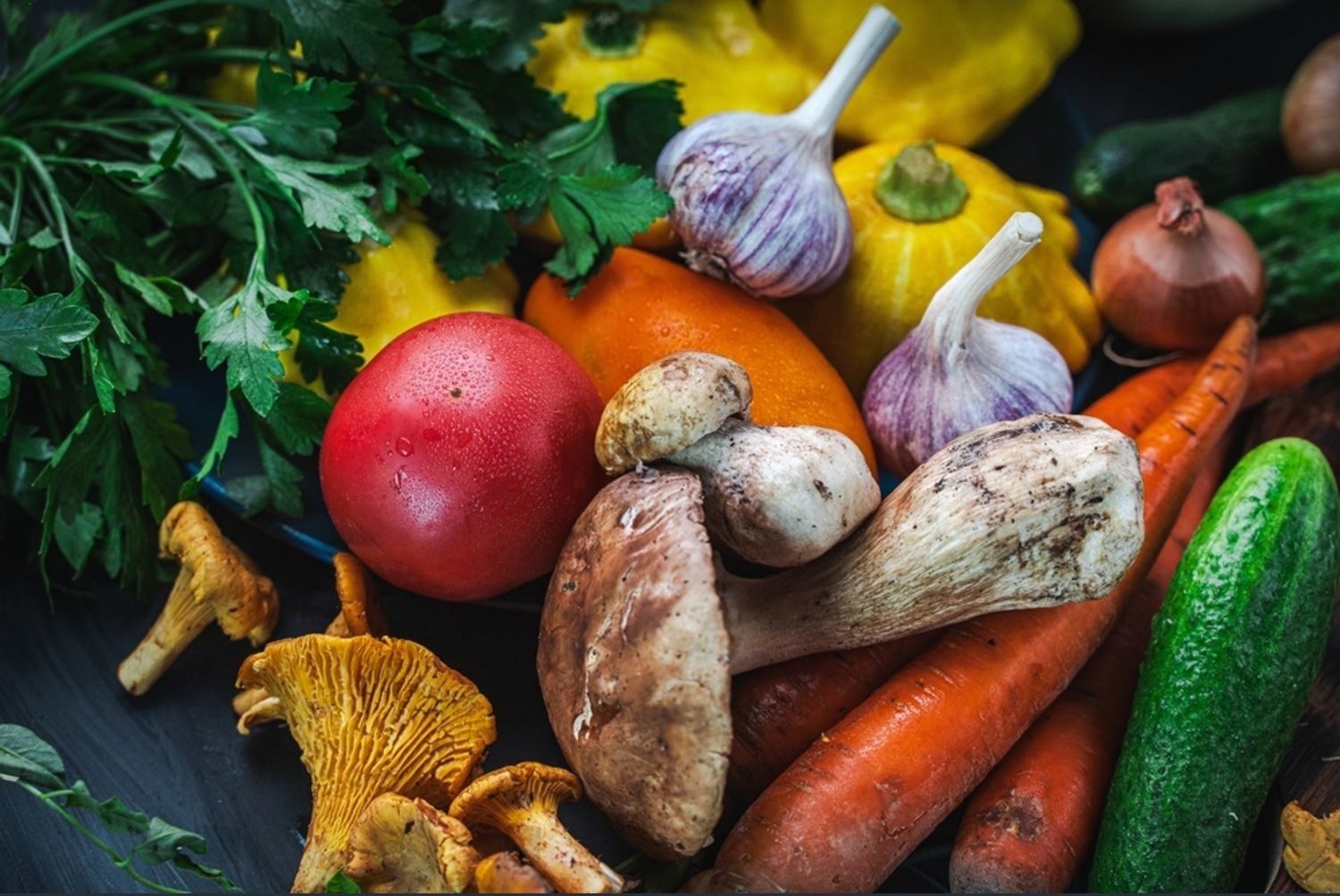
Rather than counting calories or focusing solely on nutrients like protein or fat, this approach emphasises variety. By aiming to consume at least 30 different plant types each week — including vegetables, fruits, herbs, legumes, nuts, seeds, grains and even spices — you increase the diversity of compounds reaching the gut.
Scientific Evidence Behind the Goal
The American Gut Project — one of the largest citizen-science studies of human microbiomes — has shown that people with higher microbial diversity tend to eat a wider range of plant foods. One of the strongest predictors of microbial diversity in this project was fibre diversity rather than fibre quantity alone.
Dr Bulsiewicz and other researchers interpret this to mean that eating many different plant types may help cultivate a more resilient and beneficial microbiome, which can:
- Promote regular digestion,
- Strengthen immunity,
- Reduce inflammation,
- Support metabolic health.
Although the precise number “30” is not a strict scientific rule, it’s a practical and evidence-based target that encourages variety rather than repetition.
How It Works: Fibre, Fermentation and Beneficial Bacteria
Plants are rich in dietary fibres — complex carbohydrates that human enzymes cannot digest. Instead, these fibres reach the colon whole, where they are fermented by gut microbes. This fermentation process produces short-chain fatty acids (SCFAs), such as butyrate, which:
- Feed colon cells,
- Reduce inflammation,
- Help maintain the intestinal barrier,
- Support balanced blood sugar levels.
Different fibres feed different bacteria. For example:
- Inulin (found in onions, leeks and chicory),
- Arabinoxylans (found in whole grains),
- Pectins (found in apples and citrus fruits),
- Resistant starches (found in cooled potatoes, legumes, green bananas),
…all promote different beneficial microbes. Eating a wide variety of plant foods increases the chances of providing many such fibres to nourish a robust ecosystem in the gut.
Beyond the Gut: Systemic Health Benefits
A diverse microbiome doesn’t just affect digestion. Scientific research suggests it may also help protect against a range of chronic conditions, including:
- Cardiovascular disease
- Type 2 diabetes
- Obesity
- Certain cancers
- Inflammatory and autoimmune conditions
Some of these links are still emerging and more research is needed to establish cause and effect. However, the associations are strong enough that many health professionals endorse plant diversity as part of a health-promoting diet.
Practical Tips for Hitting 30 Plants a Week
Achieving this target might seem daunting — but it’s easier than it sounds with a bit of planning:
✔ Mix up colours and categories
Each colour often reflects different phytonutrients. Aim for as many colours as possible.
✔ Think beyond vegetables and fruit
Herbs, spices, nuts, seeds, legumes and whole grains all count.
✔ Keep a food journal
Track your plant foods over the week to ensure variety.
✔ Explore new foods
Try a new vegetable, grain or herb each week.
Example Weekly Breakdown
| Category | Types |
|---|---|
| Vegetables | Broccoli, kale, carrots, spinach, peppers, cauliflower, beetroot (7) |
| Fruits | Apples, berries, oranges, kiwi, grapes (5) |
| Herbs & Spices | Basil, coriander, turmeric, ginger, dill (5) |
| Legumes | Chickpeas, lentils, black beans (3) |
| Nuts & Seeds | Almonds, walnuts, chia seeds, flaxseeds (4) |
| Grains | Oats, quinoa, brown rice, barley (4) |
Total: 28 — and that’s without including teas, additional spices or coffee!
Conclusion
While “eat 30 plants per week” may seem like a trending wellness phrase, it is grounded in science. A diverse plant intake promotes a richer gut microbiome, increases beneficial bacteria, boosts fibre intake and may reduce the risk of chronic disease. It isn’t a magic number, but it’s a practical, evidence-based goal worth aiming for.
Eating this way isn’t about perfection — it’s about variety, exploration and nourishing your body from the inside out.