






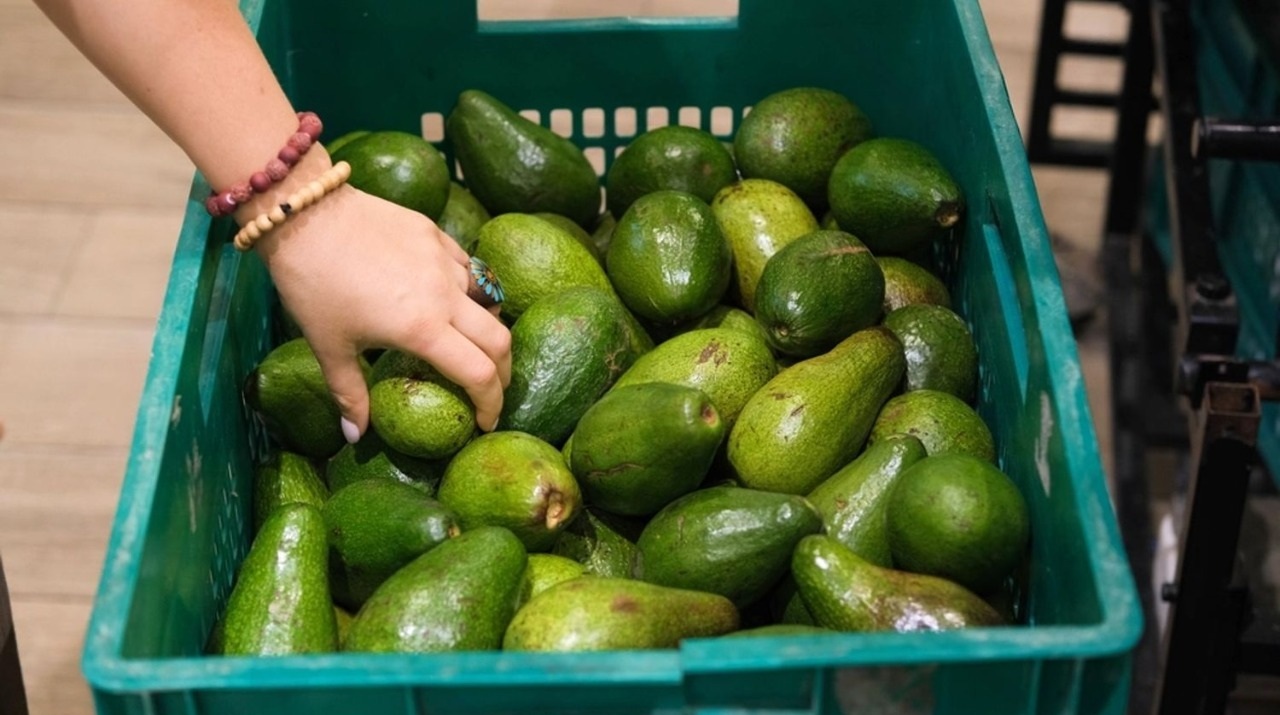
Avocado can be a useful part of a diabetes friendly diet, writes Udai Mathur.
If you have diabetes, you may sometimes look at a particular food and wonder, “Is this really safe for me?” Avocado is one such food. It is creamy, filling and slightly unusual compared with the fruits we commonly eat. More importantly, it has a reputation for being high in fat. So, is avocado actually a good choice when you are trying to manage blood sugar?
The short answer is yes. Avocado can be a useful part of a diabetes friendly diet, provided you enjoy it in sensible portions and as part of a balanced meal.
Why avocado stands out
Avocado is technically a fruit, but nutritionally it is quite different from sweeter fruits. It contains relatively little carbohydrate and sugar, while providing fibre and mostly unsaturated fat. These qualities make it an interesting choice for people who need to be mindful of their blood glucose levels.
Unlike foods such as sweets, biscuits or sugary drinks, avocado does not provide a large amount of rapidly absorbed carbohydrate. Its fibre and fat can also help slow digestion. Dietary advice for diabetes generally encourages choosing healthier fats, including those found naturally in avocados, nuts, seeds and certain oils.
What about blood sugar?
The important point with diabetes is not simply whether a food tastes sweet. What matters is how much carbohydrate it contains and how it affects blood glucose as part of the whole meal.
Avocado is naturally low in carbohydrate compared with many other fruits. Its fibre is another advantage because fibre is not digested in the same way as ordinary carbohydrate. Fibre can help slow the absorption of carbohydrate and contributes to digestive health.
This does not mean avocado can magically lower blood sugar. It is better to think of it as a food that can fit comfortably into a sensible eating pattern. Diabetes UK also recommends avocados among healthier food choices for people managing diabetes.
The healthy fat question
The word “fat” can sound alarming, particularly if you are watching your weight or cholesterol. But not all fats are the same.
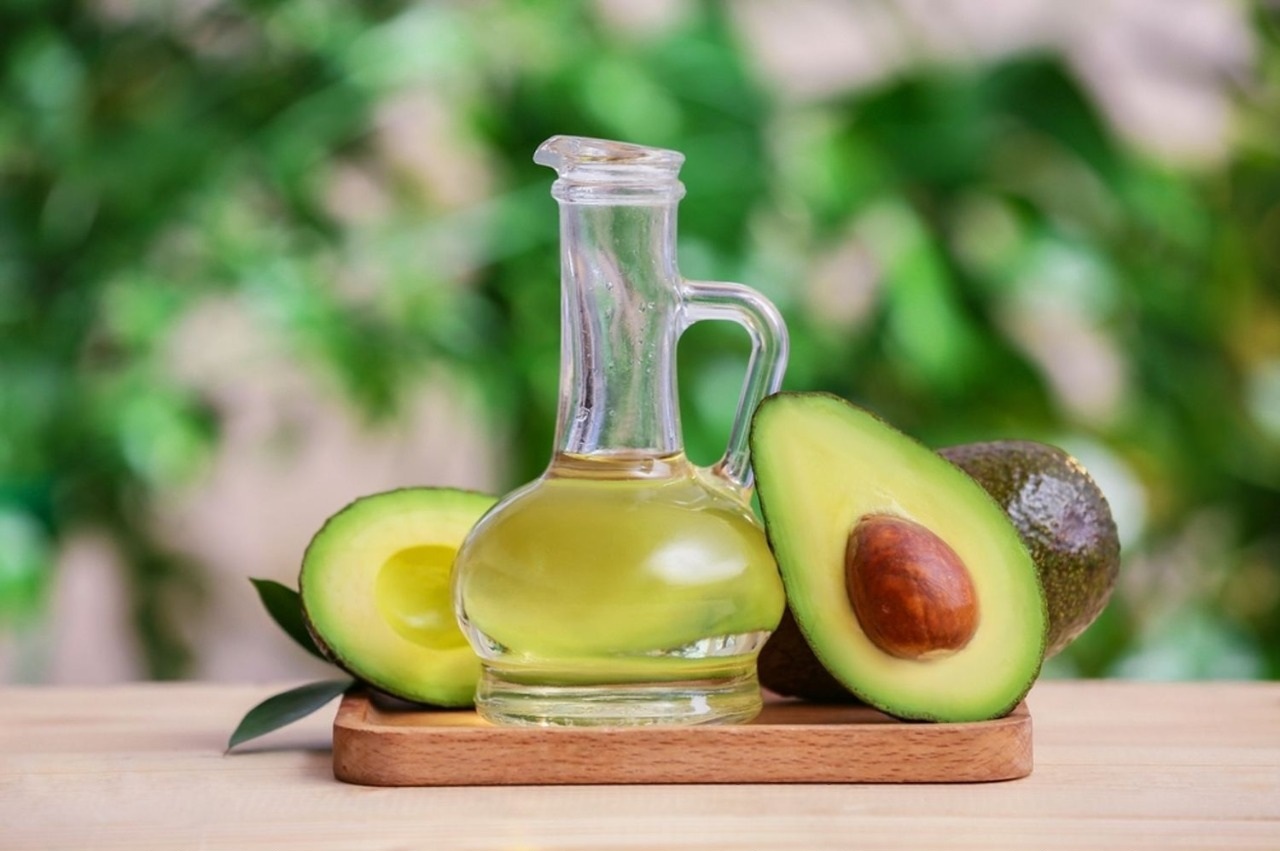
Avocado is particularly rich in monounsaturated fat, a type of unsaturated fat considered a healthier choice than many sources of saturated fat. Replacing foods high in saturated fat with foods containing unsaturated fats can be beneficial for heart health.
This matters because diabetes and heart health are closely connected. Looking after blood glucose is important, but so are blood pressure, cholesterol, body weight and overall cardiovascular health. A healthy eating pattern therefore needs to look beyond sugar alone.
How much should you eat?
Here is where a little common sense helps. Avocado may be nutritious, but it is also energy dense because fat contains more calories per gram than carbohydrate or protein.
You do not need to eat a whole avocado at every meal to enjoy its benefits. A modest serving can be enough. Try adding a few slices to a salad, spreading some mashed avocado on wholegrain toast, or mixing it with vegetables and a source of protein.
Portion size becomes particularly important if you are also trying to maintain or reduce your weight. Eating too much of any high calorie food can make weight management more difficult, even when that food is nutritious.

Easy ways to enjoy avocado
The simplest preparations are often the best. Add sliced avocado to a bowl of vegetables, use it in a salad, or mash it with lemon juice, herbs and a little black pepper.
You can also pair avocado with foods containing protein, such as eggs, beans, fish or plain unsweetened yoghurt. Combining foods containing carbohydrate with protein, fibre and healthy fat can slow digestion and contribute to a steadier release of glucose.
What you put alongside the avocado matters, too. A healthy avocado salad can quickly become a much heavier meal if it is covered with a creamy dressing, served with large amounts of refined bread or accompanied by processed foods.
Is guacamole a good idea?
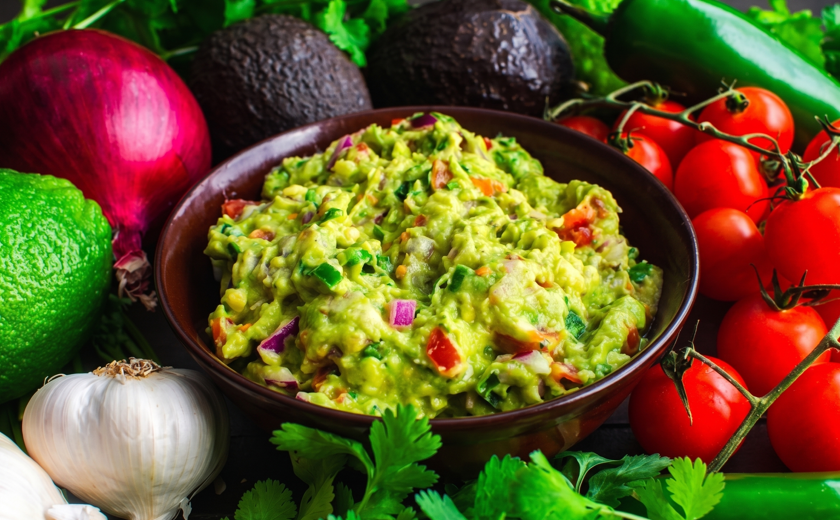
It can be, but check what has been added. Traditional guacamole made mainly from avocado, tomato, onion, herbs and lime can be a sensible choice. The problem often comes with large portions and what accompanies it.
Instead of eating a large quantity with crisps or refined crackers, try a smaller amount with cucumber, tomato, carrot or other vegetables. This gives you something enjoyable to dip without turning a nutritious food into an unnecessarily high calorie snack.
So, should avocado be on your plate?
For most people living with diabetes, there is no reason to avoid avocado. In fact, its low carbohydrate content, fibre and predominantly unsaturated fat make it a useful addition to a balanced eating pattern.
Think of avocado not as a “diabetes food”, but simply as a nutritious food that can take its place alongside vegetables, pulses, wholegrains, fish, eggs, nuts and other wholesome choices.
A few slices in a colourful salad, a modest spoonful alongside breakfast or a simple homemade guacamole can add both flavour and nourishment. Sometimes, healthy eating does not require giving up the foods you enjoy. It simply means choosing them thoughtfully, keeping portions sensible and enjoying them as part of the bigger picture.