






Vaccinations become more relevant as we grow older, writes Dr Ayesha J Sunavala.
My very distinguished grand uncle is something of a legend in our family for his childhood escapades to evade vaccinations. He scaled cupboards, hid behind furniture and on occasion, launched an assault on the formidable family physician in a determined attempt to escape the dreaded jab. The story, narrated with great amusement rings a bell with most of us as we replay the drama, dutifully dragging our children and grandchildren through the vaccination ritual amidst endless negotiations, promises of treats and threats. We meticulously preserve their vaccination cards, ensure timely boosters and even remember those often-overlooked adolescent vaccines before our children leave for university. Yet, somehow as adults there is a curious gap in our thinking. We stop asking a rather important question, “What about me?”
This is unfortunate as vaccinations become more relevant as we grow older. We are living longer, strength training, globe-trotting, and are more conscious of our health and diet than previous generations. Yet ageing brings a gradual but inevitable change in our immune systems. Our response to infections becomes less robust, and illnesses that might once have been minor can manifest as severe, prolonged or even life-threatening conditions. Hence, adult immunisation rightly deserves a place alongside our blood pressure, cholesterol and diabetes check-ups.
When Evidence outlives its Critics
The concept of immunisation is hardly a 21st-century fad. In fact, it has a fascinatingly controversial history.
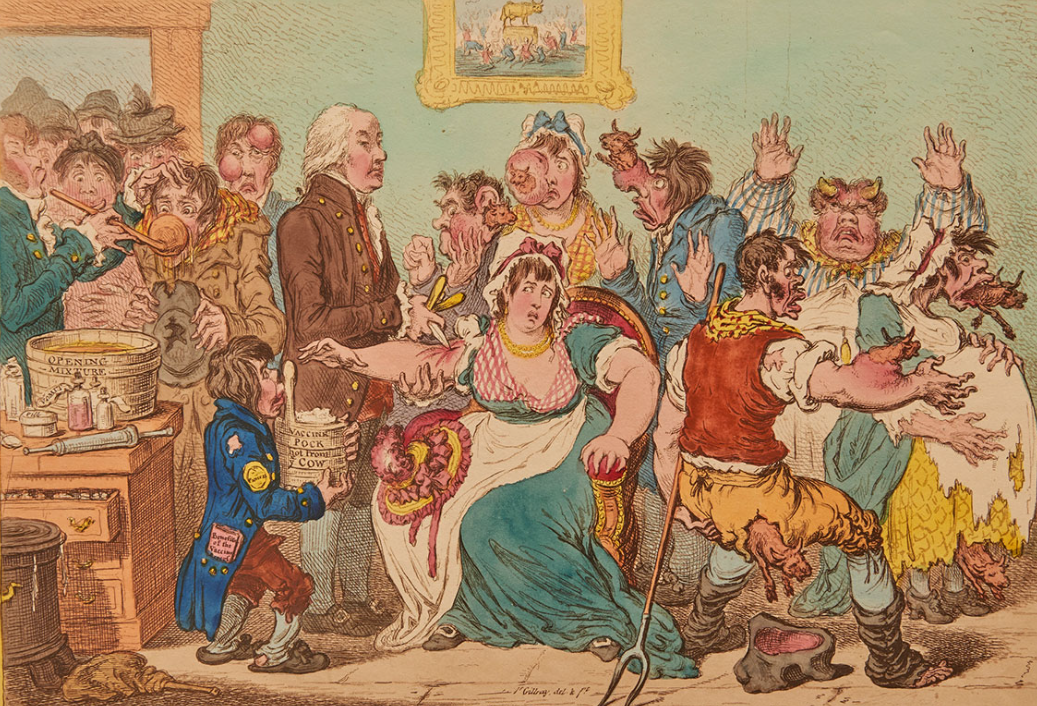
An extraordinary observation by a simple English country physician, Edward Jenner in 1796, laid the foundation for the first successful vaccine ever developed against the dreaded scourge of small pox. Jenner noticed that milkmaids who had contracted the relatively mild cowpox infection seemed protected against smallpox. He tested his hypothesis by using material from a cowpox lesion to immunise an eight-year-old boy, who successfully developed immunity to smallpox.
Claiming over 400,000 lives a year in the 18th century, smallpox was one of humanity’s most feared infections at the time. After nearly two centuries of vaccination efforts, culminating in decades of coordinated global surveillance and mass immunisation, the WHO declared smallpox officially eradicated in 1980, the first and, to date, only human infectious disease to have achieved this distinction.
However, at the time, while scientists heralded Jenner’s revolutionary vaccine as a breakthrough, many reacted with scepticism and a superstitious distrust that bordered on hysteria. Satirical art of the period ridiculed the idea, depicting vaccinated people sprouting horns, tails or other bovine features. The imagery may seem distant and amusing to us today, but the underlying phenomenon remains remarkably familiar. Mass resistance to vaccination has prevailed for centuries, with the most recent demonstrations seen during the SARS CoV 2 pandemic.
The story of vaccination is therefore not a story of the triumph of science over ignorance. It is far more interesting than that. It is an ongoing narrative of observation, uncertainty, experimentation, failures and successes, evidence, public debate and, ultimately, extraordinary progress.
The Concept of Immunosenescence
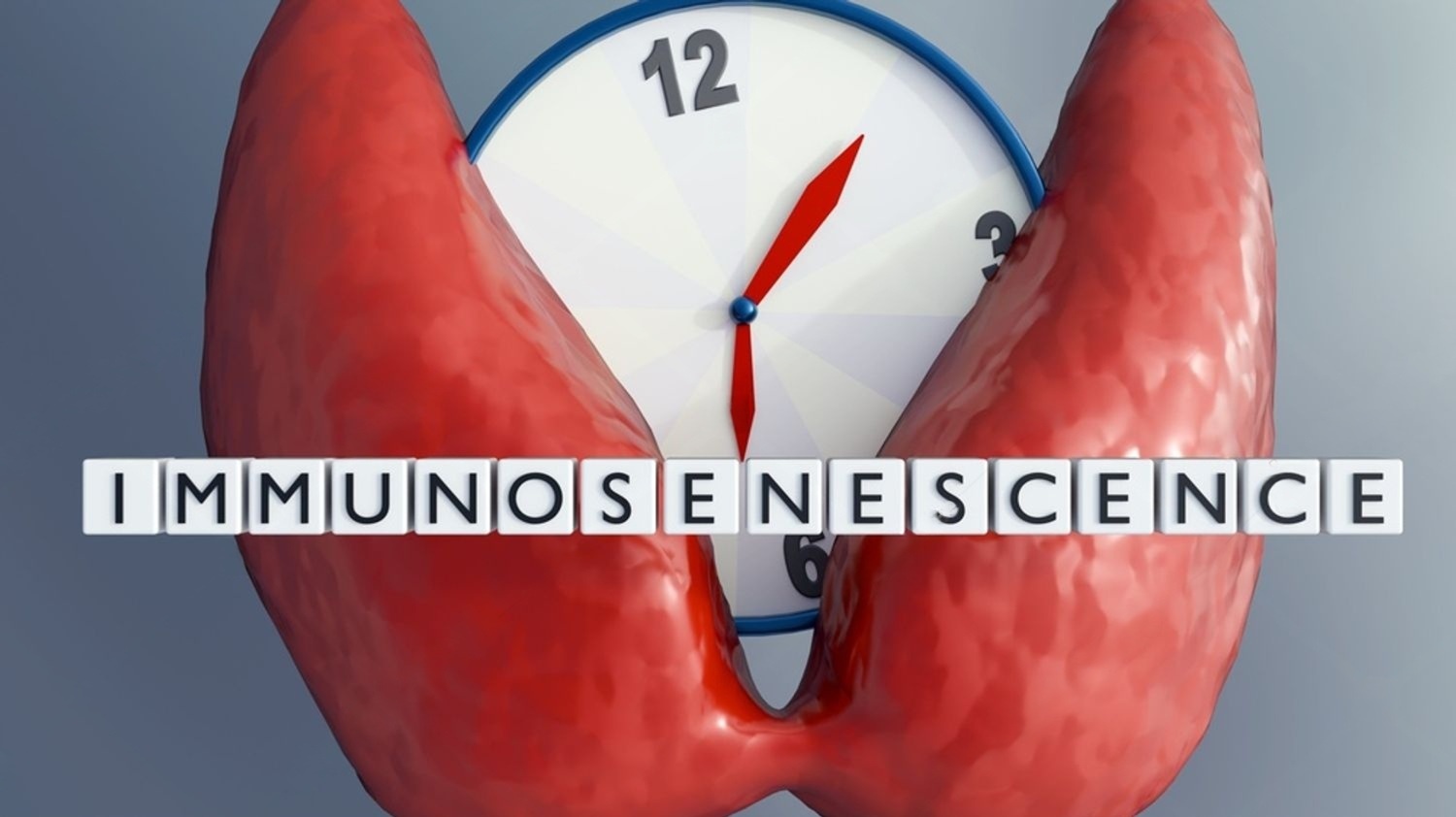
Unlike the ageing of our skin, muscles and joints which we can see and feel, the ageing of our immune system is largely invisible. Yet, beneath the surface, the immune system undergoes a gradual process of immunosenescence. A physiological process characterised by dysregulation at a cellular and genetic level that affects its ability to recognise new threats, mount robust immune responses and maintain effective immune surveillance. At the same time, a state of persistent, low-grade inflammation often referred to as “inflammaging” begins to emerge. This result is a paradox wherein an older immune system can become both less effective at fighting new infections and more prone to inappropriate or chronic inflammation.
This does not mean that ageing automatically renders one “immunocompromised.” Many older adults remain remarkably healthy, active and resilient, with immune systems that continue to function well. But, on average, older adults are more likely to contract infections more easily, have severe manifestations requiring hospitalisation, and develop complications. An infection may destabilise pre-existing chronic comorbidities such as diabetes, heart, lung or kidney disease, while underlying conditions can make recovery from infections more challenging.
But I am healthy. Why do I need vaccines?
This is a common refrain and an increasingly common misconception. Fit older adults are running marathons, mastering their golf handicap, cycling across Vietnam, out-dancing their children at weddings and are impressively disciplined with their diets. Yet, none of these admirable pursuits can provide specific immunity against influenza pneumococcal pneumonia, or shingles.
In addition, ample evidence indicates that healthy adults mount stronger immune responses to vaccination than someone of the same age with chronic illness or on immunosuppressive medication like steroids. Adult vaccination should therefore be viewed as an extension of regular exercise, good nutrition and health screening.
Vaccination cannot replace a healthy lifestyle, but complements it.
So, are vaccines a ‘no-go’ in very old or infirm persons—or in those receiving steroids or other immunosuppressive therapies?
In fact, these are often the people who stand to benefit most from vaccination, because their risk of severe vaccine-preventable infections is higher. Immunosuppression may reduce the magnitude of the vaccine response, but it does not automatically make all vaccination unsafe. The important distinction is between live vaccines and non-live vaccines. Whereas live vaccines such as the yellow fever vaccine or the measles mumps rubella vaccine are generally contraindicated in immunosuppressed individuals, all other non-live or killed vaccines may be safely administered.
It is important to appreciate that the immunosuppressed state is not an ‘all-or-none’ phenomenon, but a broad and diverse spectrum based on the underlying disease, the arm of the immune system likely to be affected, and the intensity and duration of immunosuppressive therapy. Thus, a frail octogenarian on low-dose steroids is very different immunologically from a healthy 60-year-old receiving intensive chemotherapy. As a result, the approach to immunisation has to be a thoughtful tailored approach that takes into account which vaccines are indicated, their timing and the ability of the individual to mount an adequate immune response.
On occasion, doctors may choose to ‘cocoon vaccinate’ the immunocompromised person who cannot take certain vaccines by vaccinating close household and other contacts, thereby creating a protective “cocoon” around the vulnerable individual.
What about side effects?
Most vaccine reactions are mild and short-lived such as soreness at the injection site, fatigue, body ache or fever for 24 to 48 hours.
Similar to childhood vaccinations, serious adverse reactions are extremely uncommon. Nevertheless, all vaccinations should be undertaken through an appropriate healthcare provider, particularly for people with complex medical histories or serious allergies.
Ultimately, it is important to keep the balance in perspective. The risk of a serious vaccine reaction is exceedingly small, while the protection vaccination offers against potentially severe disease is substantial.
I was vaccinated as a child. Surely I’m covered?
Not necessarily. Some vaccines that are routinely recommended today such as the influenza vaccine or pneumococcal vaccine, were not available when today’s older adults were children.
Also, protection from some childhood vaccines like measles or pertussis may diminish with time. This does not mean that every childhood vaccine needs a booster in adulthood. It does indicate though that our vaccination history deserves a periodic review, just like our list of routine medications.
Is there a Universal Adult Vaccination Protocol?
National and International Guidelines for Adult Immunisation are reviewed and updated annually. However, there is no universal “one-size-fits-all” vaccination package for every adult.
A personal vaccination plan takes into account one’s age, residence, occupation, lifestyle, exposure, travel, previous vaccines and infections, past and current illnesses and concurrent medication.
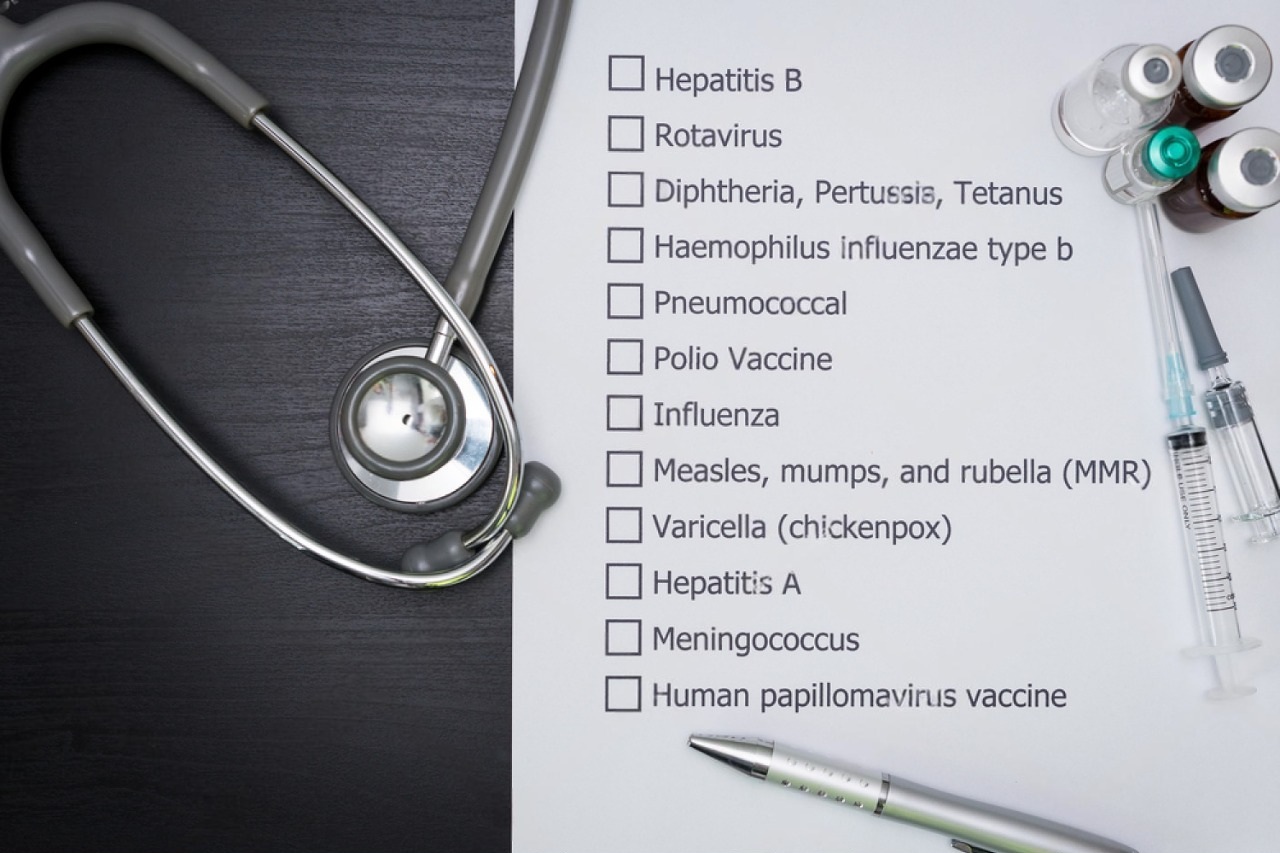
As a result, the adult vaccination conversation is much broader than just influenza and pneumococcal vaccines. It includes various other important vaccines such as the Hepatitis B vaccine, Herpes zoster vaccine, diphtheria tetanus pertussis vaccine, typhoid vaccine, measles mumps rubella vaccine among others. Newer vaccines, including those against dengue and respiratory syncytial virus (RSV), are expected to become available in the Indian market in the near future.
Does vaccination offer 100% protection?
No vaccine guarantees 100% protection. Protection varies by vaccine and pathogen. Some vaccines prevent infection very effectively; others mainly reduce severe disease. Vaccine responses tend to be stronger in younger individuals and in those with an intact immune system, whereas advancing age and immunosuppression may attenuate the response reiterating the added benefits of vaccination in healthy adults.
However, when a vaccinated person becomes infected, the illness is often less severe and shorter than it would have been without vaccination. Hence, vaccines substantially reduce the risk of infection and, more importantly, the risk of severe disease, complications, and death, but no vaccine provides absolute protection.
The five-minute vaccination review
At your next routine medical appointment, beside blood pressure checks, cholesterol testing, cancer screening and diabetic control, ask your physician, “May we review my adult vaccinations?”
If you have a chronic illness or have recently been diagnosed with a condition that may require immunosuppressive therapy, it is prudent to complete, or at least initiate, recommended vaccinations before starting treatment, as immunosuppressive therapies may diminish the immune response to vaccines.
Additionally, if you live with or care for someone who is particularly vulnerable or immunocompromised, keeping yourself and your family members appropriately vaccinated can provide an important layer of protection for them, by reducing the risk of bringing vaccine-preventable infections into the household.
It is imperative that your vaccine provider sources and stores the vaccines appropriately and provides you with a vaccination record that clearly documents the name of the vaccine, date of vaccination and next dose if needed, as well relevant product details.
You needn’t be convinced, just start the conversation
Question your healthcare provider, seek reliable information, read beyond the headlines, and take the time to understand both the benefits and the limitations of vaccines. You may choose to remain unconvinced, but an informed decision is undoubtedly smarter than one based on fear, assumption, or hearsay. Awareness is often the first step towards confidence.

Vaccines To Consider After 60
As we grow older, immunity can weaken, making certain infections more serious. Vaccination can help reduce the risk of several preventable diseases.
Vaccines commonly considered for adults over 60 include:
| Influenza (flu) | Generally recommended every year, as circulating strains change and protection wanes over time. |
| Pneumococcal vaccine | Helps protect against pneumococcal pneumonia and other serious pneumococcal infections. |
| Shingles (herpes zoster) | Recommended for older adults to reduce the risk of shingles and its potentially long-lasting nerve pain. |
| Tdap/Td (tetanus, diphtheria and pertussis) | Booster vaccination is recommended at appropriate intervals, depending on previous vaccination history. |
| Hepatitis B | May be recommended depending on age, health conditions and individual risk of exposure. |
| Typhoid | May be appropriate for people with particular exposure or travel-related risks. |
Other vaccines, such as hepatitis A, MMR, meningococcal, Haemophilus influenzae and HPV, may be recommended in specific circumstances rather than routinely for all seniors.
Remember: There is no single vaccination schedule that applies to everyone over 60. Your requirements depend on your age, medical history, previous vaccinations, lifestyle, travel and individual risk factors. Please Discuss your vaccination needs with your healthcare provider before getting vaccinated.