






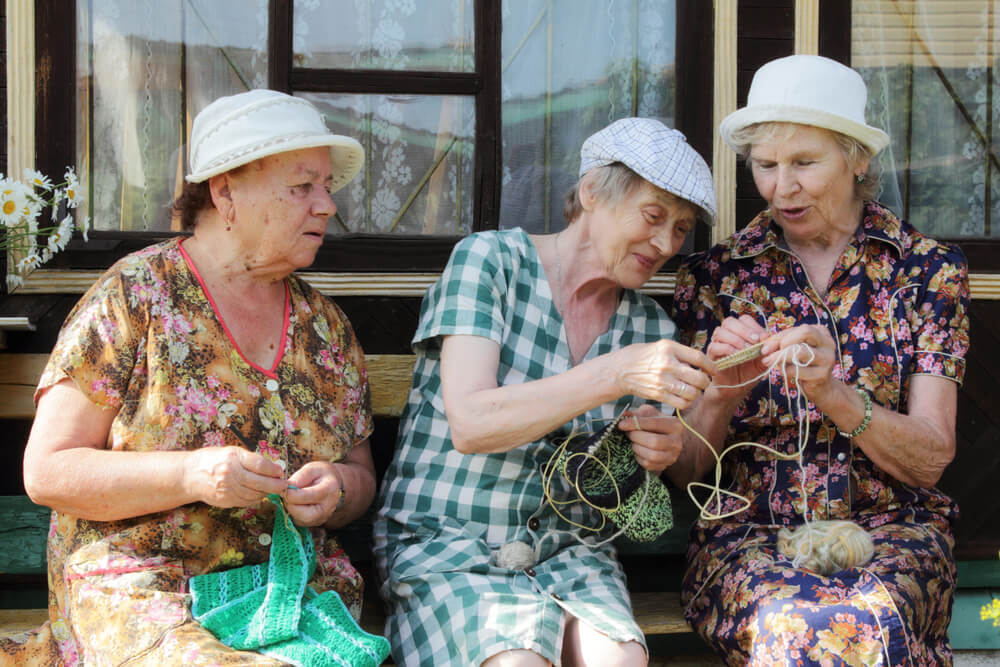
As we journey through life, our needs, priorities, and relationships naturally evolve. In youth, social circles may be wide and dynamic, driven by shared experiences at school, work, or through social media. However, as we grow older, the quality of our connections becomes increasingly important. The desire for meaningful relationships—those grounded in mutual respect, trust, and understanding—takes centre stage.
Ageing brings a unique set of challenges: retirement, loss of loved ones, physical changes, and sometimes, a shrinking social network. These transitions can lead to feelings of isolation or loneliness if not addressed with intentional efforts to maintain and deepen relationships. While casual acquaintances have their place, it is the deeper, more meaningful connections that provide a lasting sense of purpose, identity, and emotional well-being.
Research consistently highlights the health benefits of strong social ties in later life. Older adults with close, supportive relationships are less likely to suffer from depression, anxiety, and cognitive decline. In fact, studies suggest that meaningful relationships can be as beneficial to health as regular exercise and a nutritious diet. They offer not only companionship but also motivation, encouragement, and a shared history that can be a source of comfort and joy.
Meaningful connections don’t necessarily require a large network. Sometimes, a few deep relationships can be far more fulfilling than dozens of superficial ones. What matters is the authenticity of the connection—being truly seen, heard, and valued. This can come from a long-time friend, a partner, family members, or even a newer friend who shares similar values or interests.
As we age, making and maintaining these connections may require more deliberate effort. Life circumstances such as mobility issues, relocation, or the passing of peers can limit social opportunities. However, staying connected is entirely possible—and necessary. Volunteering, joining community groups, engaging in hobbies, or even using technology to maintain contact with distant loved ones are all valuable ways to nurture meaningful ties.
It’s also important to recognise the value of intergenerational relationships. Building bonds with younger people—grandchildren, mentees, or neighbours—can offer a fresh perspective and a sense of continued relevance and contribution. These relationships can be mutually enriching, breaking down age-related stereotypes and creating bridges of understanding across generations.
Truth be told, meaningful connections are not just a comfort in our later years—they are essential. They contribute to a greater sense of belonging, reduce the risk of isolation, and enhance overall quality of life. As we age, it becomes increasingly important to focus not on the number of connections, but on their depth. Investing in quality relationships may very well be one of the most rewarding pursuits of our lives.