







We are all prone to common habits and hidden challenges that appear with age. Here’s how to overcome them, writes Tina Vora
Ageing brings wisdom, freedom, and a deeper appreciation for life. But it can also bring changes we don’t expect — habits and challenges that slowly distance us from others, make daily life harder, and sometimes leave us feeling isolated. The surprising thing is that most older adults don’t even realise it’s happening.
Small changes in attitude, behaviour, or health can quietly affect relationships and happiness. But once you recognise these patterns, you can change them — and reconnect with life more fully.
Let’s look at some common habits and hidden challenges that appear with age — and how to overcome them with grace, confidence, and a smile.
- Becoming Too Negative or Critical
Many people believe they’re just being “honest” or “realistic,” but constant complaining or criticism drains the people around you. Whether it’s about aches, politics, or how “things were better before,” negativity pushes others away.
What to do:
Start each conversation with something positive. Practise gratitude daily — even simple joys like a nice cup of tea or a sunny morning. When you feel the urge to complain, pause and ask yourself, “Is this helpful?” Shifting focus to curiosity and appreciation makes conversations warmer and more enjoyable.
- Forgetting Names and Details
It’s embarrassing to meet someone familiar and forget their name, but it happens to almost everyone as they age. It doesn’t mean you’re losing your mind — just that the brain needs a little help.
Try this:
Write down names or key details about people you meet. Keep a small notebook or use your phone to store reminders. And don’t hesitate to ask again if you forget — most people understand completely.

- Ignoring Personal Appearance and Hygiene
Many seniors stop dressing up or visiting the hairdresser, thinking it doesn’t matter anymore. But how you present yourself affects how you feel and how others respond to you. Taking pride in your appearance isn’t vanity — it’s self-respect.
Simple tips:
Get dressed properly each day, even if you’re staying home. Keep your grooming routine. Choose colours that lift your mood. A clean outfit or a light perfume can boost confidence and brighten your day.
- Dealing with Sudden Exhaustion
Tasks that once seemed effortless — cooking, walking, or climbing stairs — may suddenly feel tiring. This can be frustrating, but it’s part of the body’s natural rhythm.
How to manage it:
Pace yourself. Break chores into smaller parts and rest when needed. Drink enough water and eat balanced meals rich in fruits, vegetables, and grains. Listen to your body — it’s wiser than you think.
- Becoming Stubborn or Resistant to Change
It’s easy to feel that the “old ways” were better, but resisting change — especially with technology — can lead to loneliness. Family and friends often connect online now, and refusing to adapt may leave you out of the loop.
How to change:
Say “I’ll try” instead of “I don’t need that.” Ask a grandchild or neighbour to show you how to use WhatsApp, video calls, or social media. These small steps open doors to connection.
- Loneliness and Isolation
As years pass, friends may move away or pass on, and social circles naturally shrink. Without regular contact, even the most cheerful person can feel lonely.
Ways to reconnect:
Join community or senior groups. Take part in classes, clubs, or volunteering. Stay in touch with family by phone or video calls. Social contact keeps the mind sharp and the heart warm.

- Hoarding and Clutter
Holding on to old belongings can feel comforting, but too much clutter fills your space and your mind. A crowded home can make it harder to move around and can even affect mood.
How to simplify:
Start small — one drawer or shelf at a time. Ask, “Do I really use this? Does it make me happy?” Donate what you no longer need. A tidy home brings peace and freedom.
- Sudden Weight Gain and Health Worries
Many older adults notice weight gain even when their routine hasn’t changed. Slower metabolism and less activity are normal with age.
Solutions:
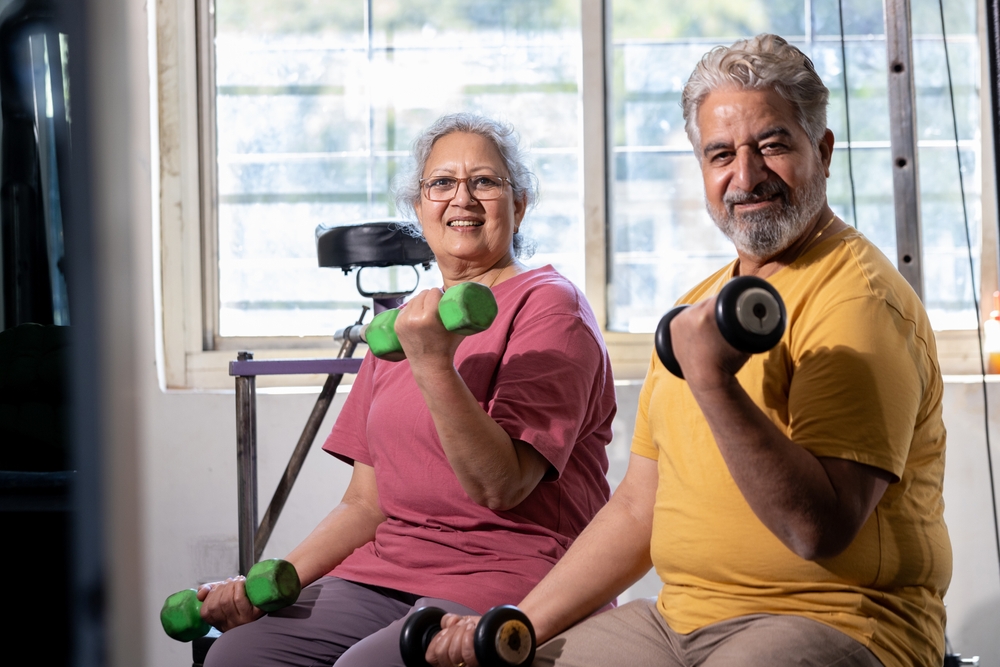
Control portion sizes, eat nutritious food, and include short walks or gentle exercises daily. Strength training — even with light weights — helps maintain muscle. And don’t skip regular health check-ups; prevention is always better than cure.
- Over-Talking and Not Listening
Sometimes we talk more than we listen, especially when we live alone. But good conversation is a two-way street. When others feel unheard, they may slowly stop reaching out.
Try this:
Pause during chats. Ask questions and show interest in the other person’s life. Listen fully before replying. You’ll find people opening up to you again — and your relationships becoming richer.
- Losing Patience and Getting Irritable
With age, patience can wear thin. Slow cashiers, noisy neighbours, or traffic can suddenly feel unbearable. But anger raises stress and strains relationships.
To stay calm:
Take a deep breath before reacting. Remind yourself that everyone has challenges. Replace irritation with kindness. A gentle word or a smile can turn tension into warmth.
- Difficulty Concentrating or Sleeping
Many seniors struggle to focus while reading or find their sleep interrupted. This is common, but manageable.
Improve concentration:
Engage your brain with puzzles, games, or new hobbies. Learn something new — perhaps a language, painting, or gardening.
Sleep better:
Stick to a fixed bedtime, avoid caffeine in the evening, and keep your room cool and dark. If sleeplessness continues, consult your doctor — good sleep is essential to well-being.
- Changes in Vision, Hearing, and Mobility
You might notice that your eyesight isn’t as sharp or that climbing stairs feels harder. These changes can be discouraging, but help is available.
Helpful habits:
Schedule regular eye and hearing tests. Update glasses or hearing aids if needed. Try gentle stretches, yoga, or walking to maintain mobility. Remember — movement keeps you independent.

- Being Too Frugal to Enjoy Life
Many older people save carefully all their lives but hesitate to spend on things that bring joy — a trip, a concert, or a nice meal out. But money is a tool for living, not just for saving.
A new approach:
Create a small “joy fund” for simple pleasures. Treat yourself occasionally. Shared experiences and memories are worth more than untouched savings.
- Holding on to Regrets or Grudges
It’s easy to replay past hurts or missed chances, but dwelling on them steals peace from the present.
How to heal:
Forgive others for your own sake. Write down regrets and let them go. Focus on what’s good now — time with family, hobbies, or quiet moments. Forgiveness lightens both heart and mind.
- Losing Confidence or Independence
Accepting help can feel uncomfortable when you’ve been independent all your life. But asking for assistance doesn’t make you weak — it builds connection.
New mindset:
Say “thank you” when someone offers help. Share tasks instead of doing everything alone. True independence isn’t doing everything yourself — it’s continuing to live fully, even with support.
- Forgetting to Laugh and Have Fun
Routine can quietly dull your days. But laughter really is medicine — it reduces stress, boosts health, and keeps you young at heart.
Bring joy back:
Watch a comedy, share jokes with friends, play games, or spend time with people who make you smile. Joy doesn’t appear by itself — you have to invite it in.

Ageing is inevitable — but loneliness, frustration, or bitterness are not. Small habits can either close us off or open us up to new connections and joy.
When you choose gratitude instead of complaint, curiosity instead of stubbornness, and laughter instead of regret, life feels lighter — and people are naturally drawn to you.
Age may change your body, but it doesn’t have to dim your spirit. Keep learning, laughing, and loving — and you’ll find that growing older can be one of the most beautiful chapters of your life.