







Every family has a story to tell.
Stories lie nestled within the taste of our mothers’ cooking.
They turn up unexpectedly in old sepia toned photographs.
Sometimes they whisper, sometimes they shout,
They bind us together in shared experiences and memories.
In every culture, storytelling has been an intrinsic part of human communication. From ancient myths etched on cave walls, to modern-day novels and podcasts, movies, television shows and commercials that grab us with product stories, all are but different ways of storytelling. Most great songs are stories.
Our memories overflow with tales of first loves, second chances, lessons learned, we chuckle about funny moments. We shake our heads at the things we can’t believe we did or said.
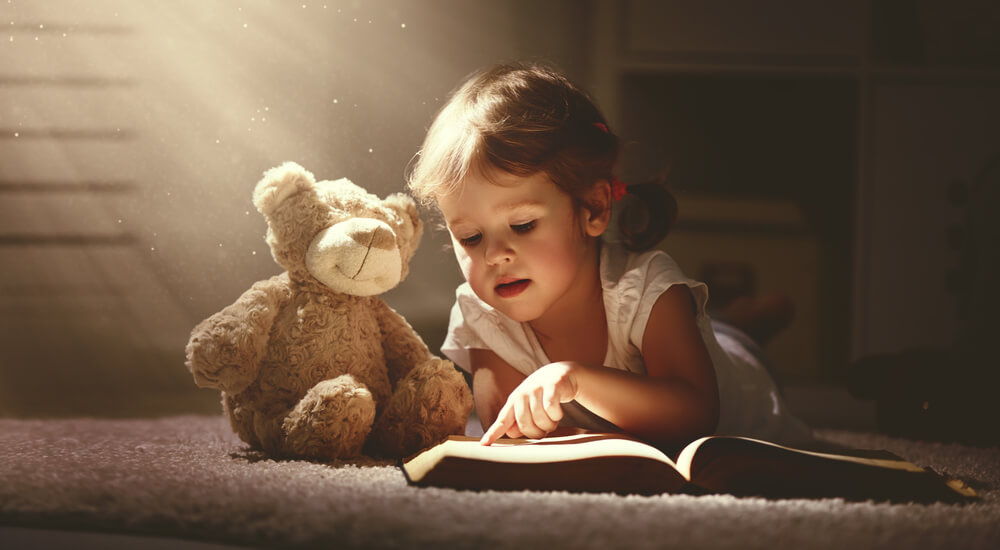
We tell stories for countless reasons: to delight and disarm, to comfort and teach, to keep our pasts and those who lived in them, alive. In the enchanting world of childhood, storytelling for kids holds a special place, despite intrusions of the internet and social media. Family narratives serve as a bridge between generations. They preserve and celebrate a family’s unique story. Grandparents, more than anyone else, are the keepers of family stories – their magic and mystery are all about hearing the voice of loved ones.
Every event in the lives of our grandparents is a story – they never simply got up and went to school, the journey was an epic adventure; the pranks they played on strict ogre like teachers and assorted relatives, how they skipped school and how they had the most imaginative reasons for doing so! And most importantly, how did they live with no Instagram and email, only one TV channel and a rotary phone?
One can see, through their eyes major historical events unfold. The freedom movement, partition, the patriotic fervour – these are all stories we grew up with – they inspire and transform. They give young people a sense of who they are in profound ways.

“If you want your children to be intelligent,” Albert Einstein once remarked, “read them fairytales. If you want them to be more intelligent, read them more fairytales.”
The love of all things magical is often sparked by fairy tales, legends from Epics and Puranas. I think every child is enthralled by tales of Krishna and Hanuman, as they are by Pariyon ki Kahania and Akbar Birbal stories. The elders are repositories of myths, folk tales and fairytales, which, Pullman says, “loosen the chains of the imagination. They give you things to think with – images to think with – and the sense that all kinds of things are possible.” These stories transport children to distant lands, with fascinating characters. We all loved Rapunzel’s golden hair coming down from the tower, the little girl in a red cape chased by the wolf, giants who live on beanstalks, dwarves, monsters, wishing trees, princes on flying horses and princesses asleep for a hundred years… …
These words of magic and enchantment, help keep alive our sense of wonder. We learn to accept and respect the ‘other’ – the world of our elders that shaped them – so different from our own; the strange worlds that exist in myths and fairytales, develop a more compassionate attitude to those who are so different from us. With each word spoken and every tale woven, storytelling weaves a magical tapestry that captivates, turning young people into future storytellers. Stories have shapes, as Vonnegut believed, and they in turn give shape to our lives.

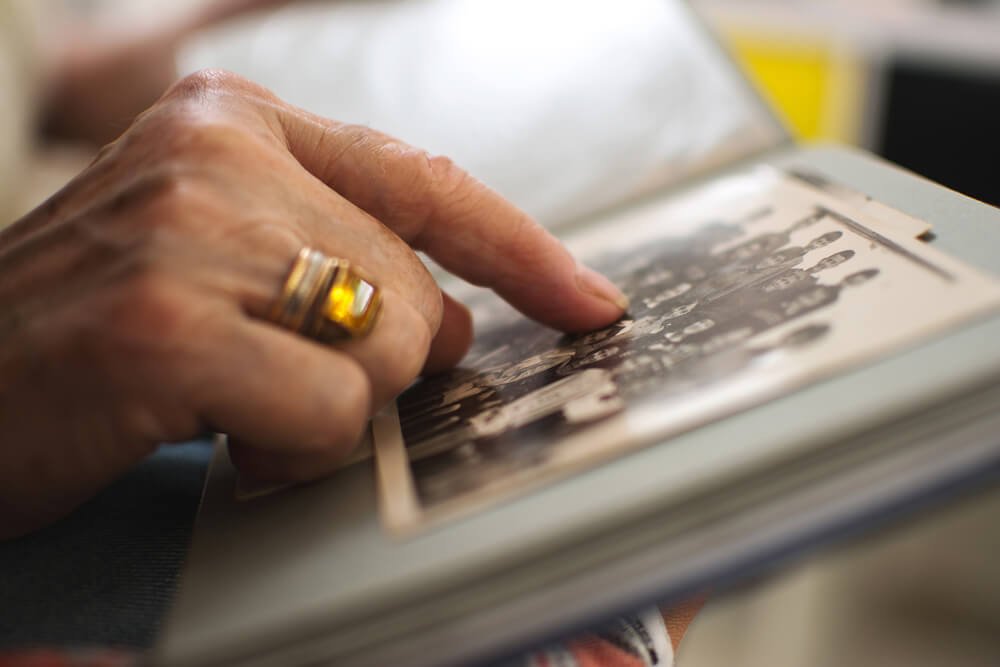
When you open an old a leather-bound family album, memories slip softly from the pages – and that is all it takes to begin telling a story. Pictures save little pieces of life, and “are powerful storytellers, silent yet eloquent. They are time capsules, holding within them the essence of moments that once were, and in some ways, will always be.” How a beloved grandfather looked on his wedding day, the naughty smile of your mother as a seven-year-old, family groups wearing strange clothes and posing stiffly in front of the camera. Sepia toned, and yellowing, black and white photos add a layer of immediacy and intensity to stories. They evoke emotions – sometimes tenderness and sometimes much laughter, and are visual aids, propelling the story forward and burnishing faded memories.
Sensory experience of food serves as a link to the past, weaving together narratives of our families, cultures, and traditions. It has the power to connect us to our roots, to our loved ones. A powerful vehicle for familial bonding, nothing makes enchanting stories quite like food. The kitchen becomes a place where stories are born, nurtured and sent forth in the world. It might be a tale of how the dish was created, a funny anecdote about a cooking mishap that passes, much embroidered, into the vast family storehouse of tales, and evokes much mirth upon retelling. The grease-stained, handwritten recipes in a beloved grandmother’s frayed notebook, conjures up tales of eccentric great aunts with peculiar preferences; of uncles who presided over large cauldrons of aromatic sizzling dal during family picnics.
Each recipe handed down through the generations carries with it a piece of our family’s history. Sharing these stories at the table enriches – turning meals into exciting tales of journeys through time and memory.
“Stories are threads that weave us together. They turn moments into meaning and give our lives colour, depth and connection.”
We are all storytellers living in a network of stories.
Stories grow, sometimes they shrink and sometimes inspire other stories. With each retelling they mutate and morph. Some parts are sharpened and elaborately embroidered, others dropped and erased, and there is often a debate about what really happened leading to more stories…
They are like nuggets of gold in family’s treasure chest, eternally filled with precious tales by successive generations. The richest families are those in which the stories have been remembered, preserved, told and retold.
When my kids are grandparents, I want them to have rich stories of happy childhoods. I want them to not only talk about the Lego cities they built, the books they loved, the endless moments of mischief and fun, but also all about their struggles and tears because there is a world of stories in each of us and they beg to be told.