







An evidence-backed explanation on why it’s important
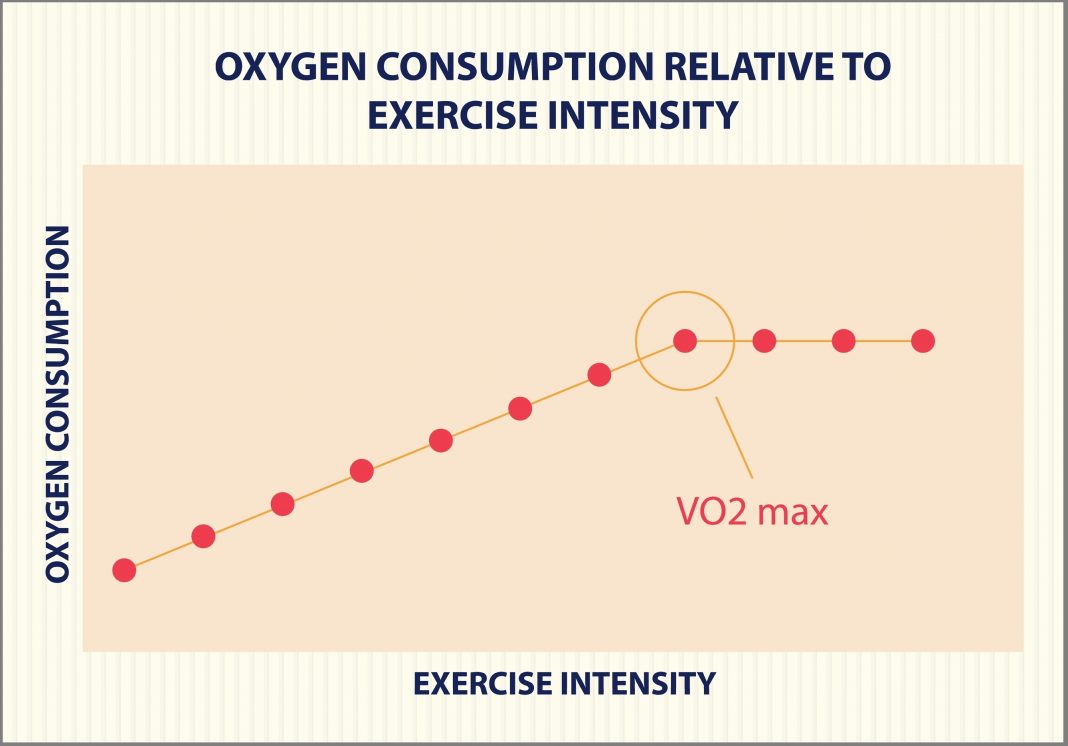
VO₂ max — the maximum amount of oxygen the body can use during exercise — is one of the strongest predictors of long-term health, cardiovascular resilience, and independence in older age. Research consistently shows that improving VO₂ max, even modestly, significantly reduces disease risk and enhances quality of life.
Below is a science-based explanation of why VO₂ max matters for seniors, plus the best researched activities to improve it.
Why VO₂ Max Matters for Seniors
- Strong Predictor of Longevity
A landmark study in JAMA (2018) analysing over 120,000 adults found that higher cardiorespiratory fitness is associated with significantly lower all-cause mortality, and this relationship is especially strong in older adults (Kodama et al., 2009; Mandsager et al., 2018).
- Even a 1 MET increase in fitness (roughly equivalent to boosting VO₂ max by ~3.5 ml/kg/min) can reduce mortality risk by 10–15%.
- Better Cardiovascular Function
VO₂ max reflects how efficiently the heart and lungs deliver oxygen to the muscles. Studies show that higher VO₂ max is linked to:
- Lower rates of cardiovascular disease
- Improved stroke volume and blood flow
- Reduced risk of heart failure (American College of Sports Medicine, 2022)
- Maintains Mobility and Independence
Research published in The Journals of Gerontology demonstrates that older adults with higher aerobic fitness maintain the ability to:
- Walk longer distances
- Climb stairs
- Perform daily activities with reduced fatigue
Low VO₂ max in seniors is strongly correlated with loss of independence.
- Reduces Risk of Chronic Diseases
Improved VO₂ max is associated with lower risk of:
- Type 2 diabetes
- Hypertension
- Cognitive decline (Harvard Medical School, 2020)
Activities Proven to Improve VO₂ Max in Seniors
- Brisk Walking
A meta-analysis of 21 studies found that brisk walking can improve VO₂ max by 8–15% in adults over 60 (Benavent-Caballer et al., 2015).
Best practice:
- Walk at 60–75% of maximum heart rate
- Include hills or speed intervals
- Cycling (Indoor or Outdoor)
Low-impact cycling is highly effective for older adults. Research from the European Review of Aging and Physical Activity shows that cycling improves aerobic capacity by 12–20% after 12 weeks.
Why it works:
- Controlled intensity
- Joint-friendly
- Ideal for interval training
- Swimming and Water Aerobics
Studies show improvements of up to 15% in VO₂ max after 10–12 weeks of regular aquatic exercise, especially in adults with arthritis or mobility limitations (Colado & Triplett, 2009).
- Low-Impact Aerobic Classes
Structured, rhythmic aerobic exercise raises heart rate consistently. The National Institute on Ageing reports that senior aerobic classes improve:
- VO₂ max
- Balance
- Coordination
- Mood
Typical improvements: 10–12% after 8–12 weeks.
- Interval Training (Age-Appropriate HIIT)
Evidence from the Mayo Clinic indicates that HIIT can reverse age-related declines in mitochondrial function and improve VO₂ max by up to 20%, even in people aged 65+.
Simple HIIT example:
- 30 sec brisk walking
- 60–90 sec slow walking
- Repeat 6–10 times
- Nordic Walking
Using poles activates the upper body, increasing oxygen use. A 2021 study found Nordic walking improved VO₂ max by approximately 16%, outperforming regular walking.
Additional benefits:
- Better posture
- Improved stability
- Higher caloric burn
- Rowing
Rowing engages over 80% of major muscle groups. A study from Aging Clinical and Experimental Research showed significant improvements in VO₂ max in seniors after just 8 weeks of moderate rowing training.
Recommended Training Levels
International health bodies (WHO, ACSM) recommend:
- 150–300 minutes of moderate aerobic activity per week, or
- 75 minutes of vigorous activity
- Plus 2–3 sessions per week that elevate heart rate more noticeably
For boosting VO₂ max, interval-based sessions produce the largest gains.
Safety Guidelines for Seniors
- Seek medical clearance before starting a new programme.
- Begin gradually and increase intensity slowly.
- Use supportive footwear or equipment.
- Stop if you experience dizziness, significant pain, or severe breathlessness.
Scientific evidence is clear: seniors can significantly boost VO₂ max through accessible, low-impact activities such as brisk walking, cycling, swimming, and interval training. These improvements translate directly into better heart health, greater independence, reduced disease risk, and longer life expectancy.
And importantly — gains can be made at any age. It’s never too late to start improving cardiovascular fitness, But as always, check with your doctor before embarking upon any new activity.