






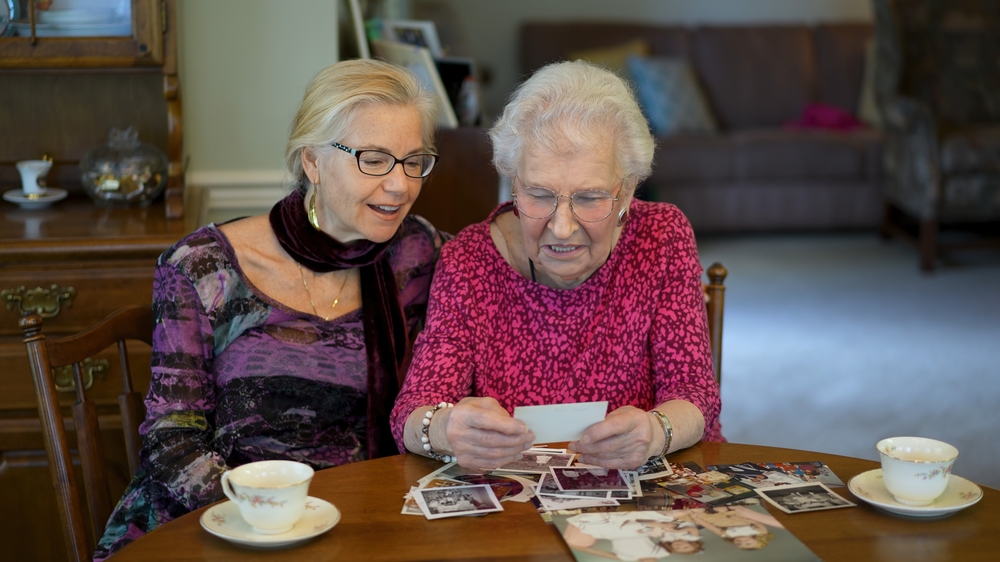
There’s something magical about the way a senior’s face softens, brightens, and sometimes
even glows when they talk about “the old days.” A familiar song from the 60s, the smell of
monsoon earth, an old tram ride in Kolkata, or the memory of a long-gone friend — suddenly their voice grows livelier. Their posture straightens. Their eyes sparkle with a mix of pride, affection, and wistfulness.
But why does nostalgia have such a powerful effect on older adults?
Science, psychology and lived human experience offer some beautiful answers.
Nostalgia Helps Seniors Hold on to Identity
As people age, the world around them often changes faster than they can keep up — new
technology, shifting social norms, even roles within the family. This can sometimes make
older adults feel a bit “out of place.” Nostalgia acts like an anchor.
Psychologists describe it as a self-continuity tool — a way of reminding ourselves who we
are, what we’ve lived through, and the values that shaped us.
For seniors, recalling their past achievements, relationships, and milestones reinforces a sense of identity that may feel blurred in the present.
In short: nostalgia reminds seniors, “This is me. I mattered. I still matter.”
Positive Memories Trigger Feel-Good Chemistry
Nostalgic reflection activates the brain’s reward centres. When we recall warm memories —
festivals, friendships, first loves, childhood homes — the brain releases neurotransmitters like dopamine, which lifts mood, and oxytocin, the “connection hormone.”
For seniors, who may experience loneliness or reduced social interaction, these natural
chemical boosts are incredibly soothing.
It’s why:
- a 70-year-old can laugh like a teenager recalling college pranks,
- Or feel suddenly energised narrating the story of how they met their partner.
The brain literally lights up.
It Reduces Anxiety by Providing Emotional Safety
Growing older can bring uncertainty: health issues, loss of friends, shifting roles in the
family, children moving away.
Nostalgia acts as a psychological safe room — a place filled with certainty, warmth, and
familiarity.
Studies show that nostalgic memories:
- lower stress hormones,
- reduce feelings of isolation,
- increase resilience during difficult times.
For many seniors, remembering “how we got through tough times back then” strengthens
their confidence in coping with challenges today.
Stories Give Life Meaning — and Seniors Have the
Richest Stories of All
Humans instinctively seek meaning in life, and storytelling is one of the most powerful ways we create it.
For seniors, every nostalgic memory becomes:
- a life lesson,
- a moment of pride,
- or a chapter in their personal legacy.
Sharing these stories reminds them that their life has been full, colourful, and valuable.
It’s not just remembering — it’s affirming.
That’s why when a senior says, “In our time, things were different…”, it isn’t criticism. It’s
an invitation:
“Come listen to my life. It might teach you something too.”
Nostalgia Strengthens Family Bonds
When seniors talk about the past:
- grandchildren learn where they come from,
- adult children rediscover sides of their parents they never knew,
- families gain continuity, culture, and a shared identity.
For many older adults, being listened to — truly listened to — makes them feel valued.
Seeing a grandchild’s fascination or a child’s smile when hearing an old story can brighten
their entire day.
Nothing lights up a senior quite like feeling connected.
Nostalgia Often Involves People They Loved — And Still
Love
Much of nostalgia is relational.
Seniors often recall:
old neighbours,
childhood friends,
spouses who have passed away,
mentors who shaped them.
These warm memories keep those relationships alive in their hearts.
When they speak of these people, the joy is genuine. It’s like meeting them again, for a
moment.
Remembering Their Strengths Makes Them Feel
Empowered
In ageing, some things naturally become harder — mobility may reduce, memory may slip a little, and dependency may increase.
But nostalgia brings seniors back to times when they were strong, capable, adventurous and full of life.
It reminds them:
“I built a home.”
“I survived hardships.”
“I raised a family.”
“I made it through.”
No wonder their face lights up — it’s pride.
Nostalgia Helps Combat Loneliness
Loneliness among seniors is extremely common.
Nostalgic reflection is known to increase feelings of belonging.
Recalling times filled with laughter, companionship, and shared moments helps fill the
emotional gaps of today.
Even private nostalgia (quietly looking at an old photograph or listening to a familiar melody) can bring comfort equal to a warm hug.
It’s Not Just Memory — It’s Emotion
One of the biggest scientific findings about nostalgia is that it is emotion-driven, not just
memory-based.
Seniors don’t merely remember the past — they relive it:
- the smell of their mother’s cooking,
- the sound of an old radio tune,
- the thrill of their first job,
- the excitement of early independence,
- the closeness of family gatherings.
The brain processes nostalgia almost like a sensory experience.
That’s why the joy feels so real.
So Why Do Seniors Light Up?
Because nostalgia brings them:
- comfort
- connection
- identity
- pride
- joy
- meaning
It is the bridge between who they were and who they are today.
A reminder that their life has been rich, meaningful, and deeply human.
And perhaps most importantly…
Nostalgia is proof that they have lived — fully, deeply, beautifully.