





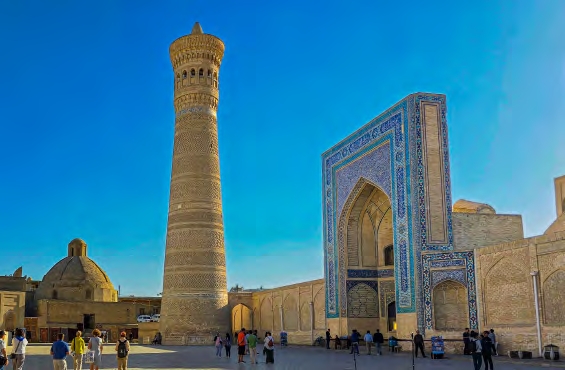
The people were exceptionally kind — always ready to guide us, always welcoming. Their genuine warmth set the tone for the entire trip, writes Urvi Piramal
Our journey through Uzbekistan began in Tashkent, a city that surprised me with its openness, orderliness, and warmth. The people were exceptionally kind — always ready to guide us, always welcoming, and
always smiling. Their genuine warmth set the tone for the entire trip.
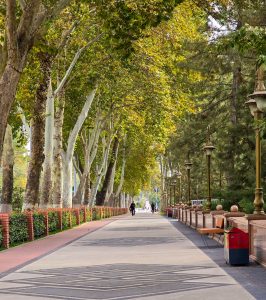
Golden leaves, shaded paths and the timeless charm of Tashkent
We visited the graceful Amir Timur Square, the expansive Independence Square, and the Hazrat Imam complex which is home to the world’s biggest Koran. Nearby stands the Lal Bahadur Shastri Memorial, a moving reminder of India’s deep connection with Uzbekistan.
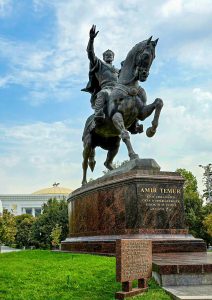
Tashkent – Amir Timur Square
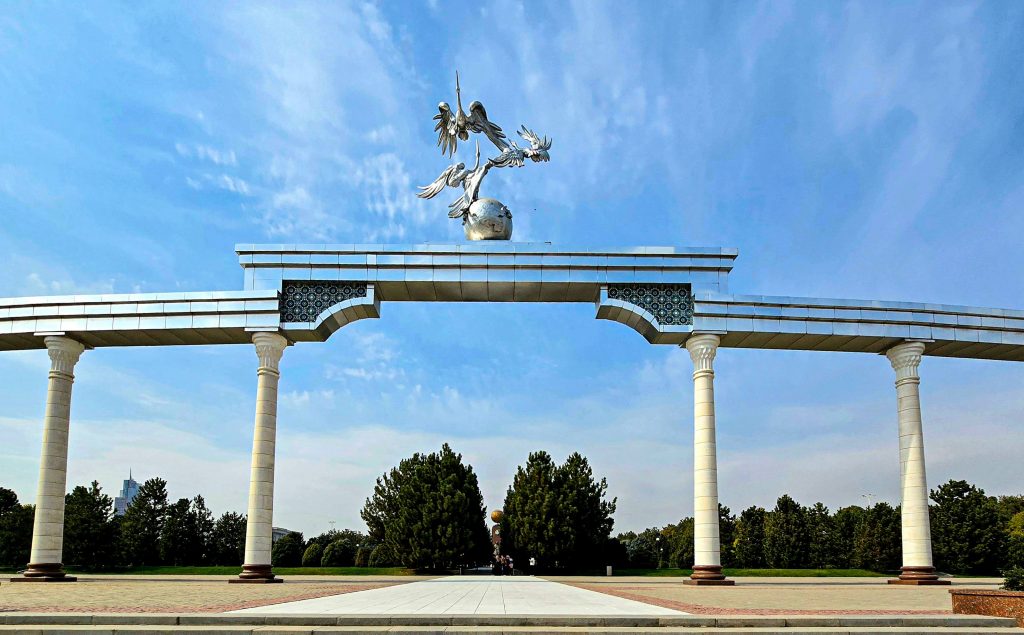
Tashkent – Independence Square
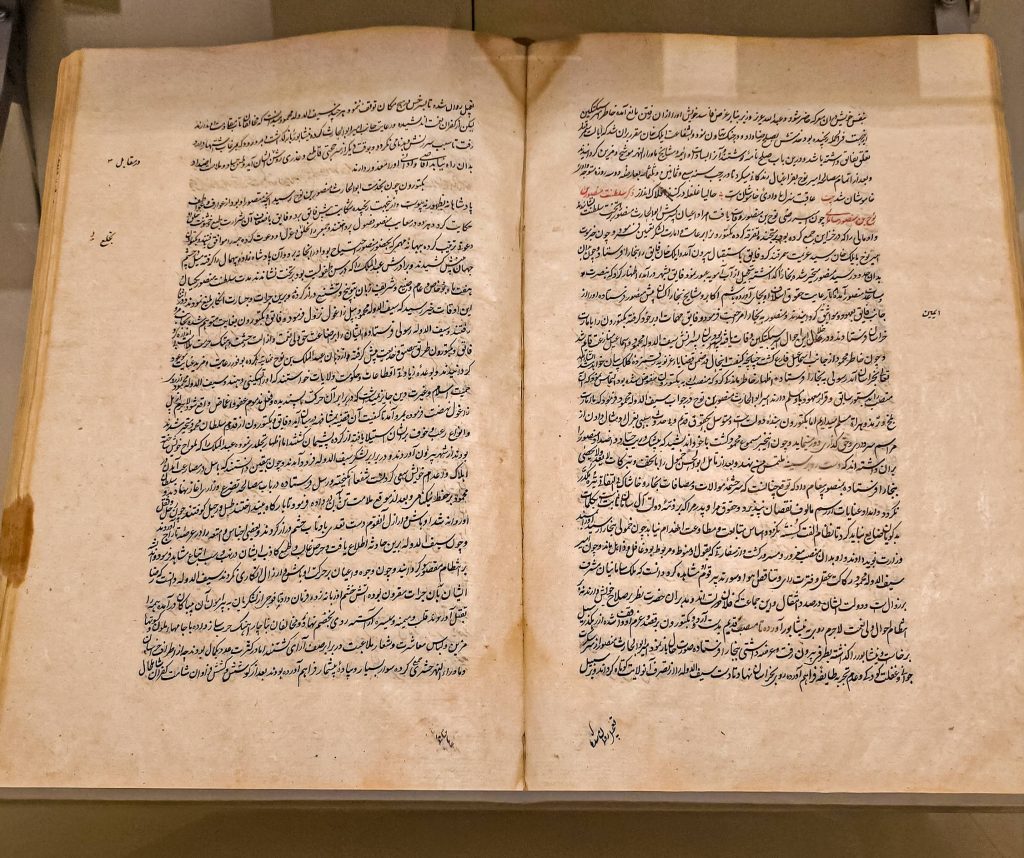
Biggest Koran
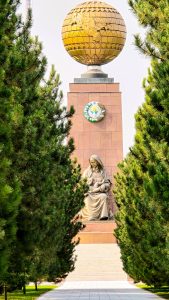
Monument to the Independence of Uzbekistan at Independence Square
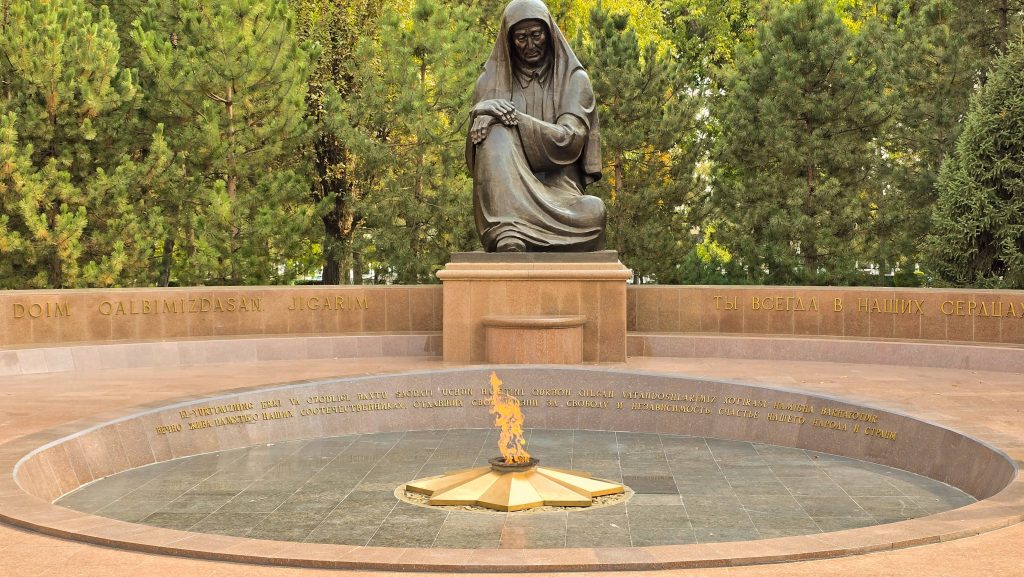
Monument to the grieving mother – she waits in bronze, while the flames remember. A moving tribute to those who never came home
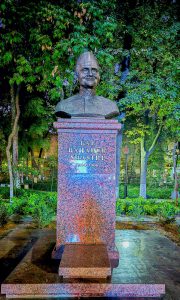
Tashkent
One unforgettable memory is my visit to Tashkent’s metro stations. Each one was a work of art — marble pillars, carved motifs, mosaics, and themes honouring everything from astronomy to poetry to the nation’s first woman cosmonaut Valentina Tereshkova. They were spotless despite heavy crowds, reflecting the pride people take in their public spaces.
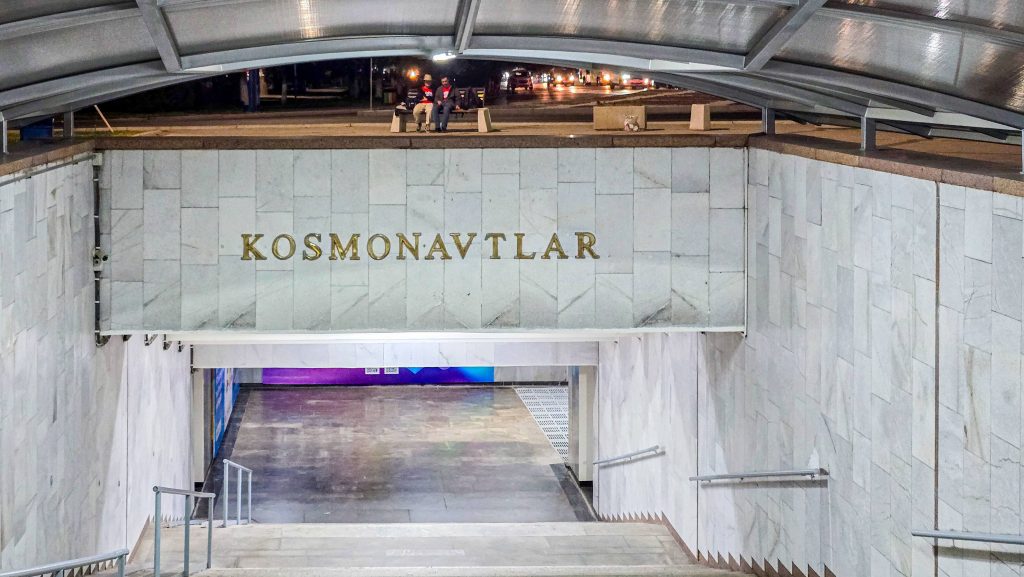
Metro Stations
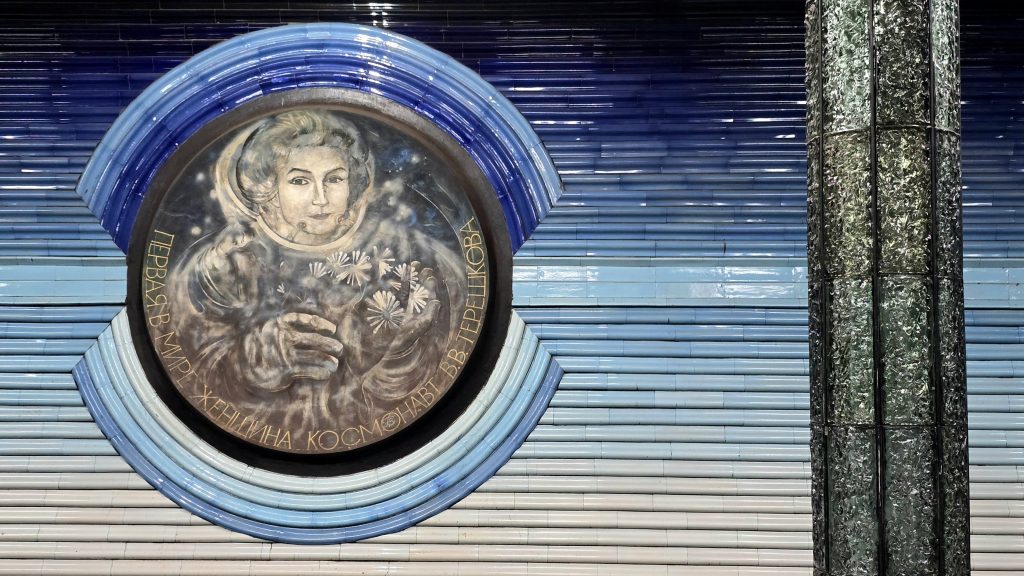
Valentina Tereshkova – Frist lady Cosmonaut
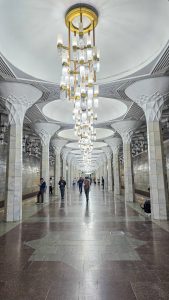
Metro Stations (2)
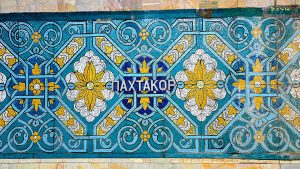
Metro Stations
One of my favourite experiences in Tashkent was wandering through ChorsuBazaar. The aroma of spices mingled with
the colours of dried fruits and nuts, created a feast for the senses. It was easy to imagine the days when Silk Road traders passedthrough these markets, bringing with them goods, stories and cultures from distant lands.
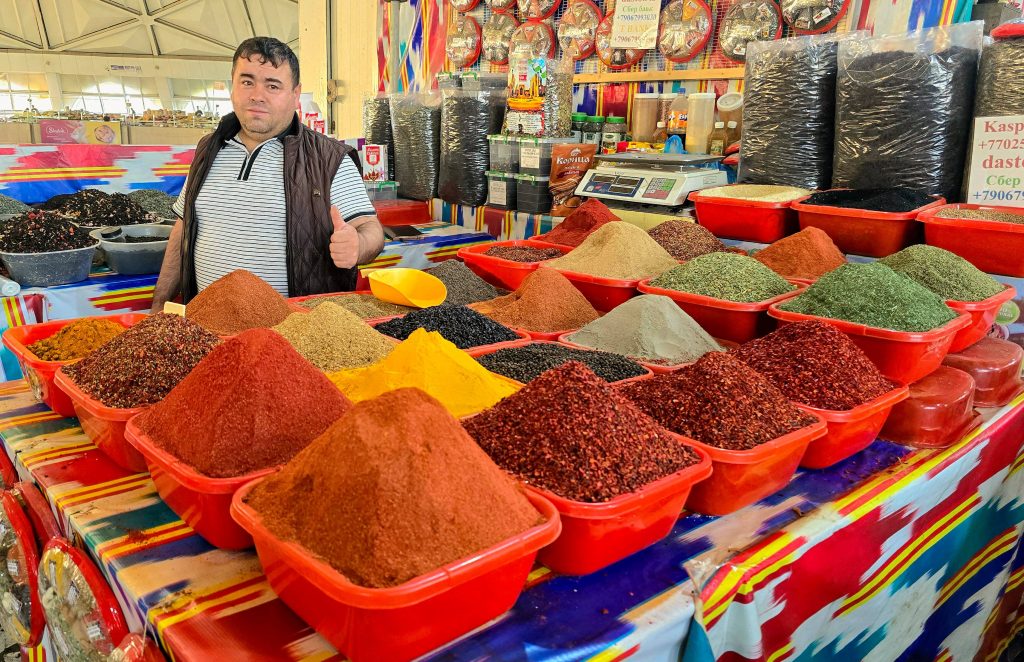
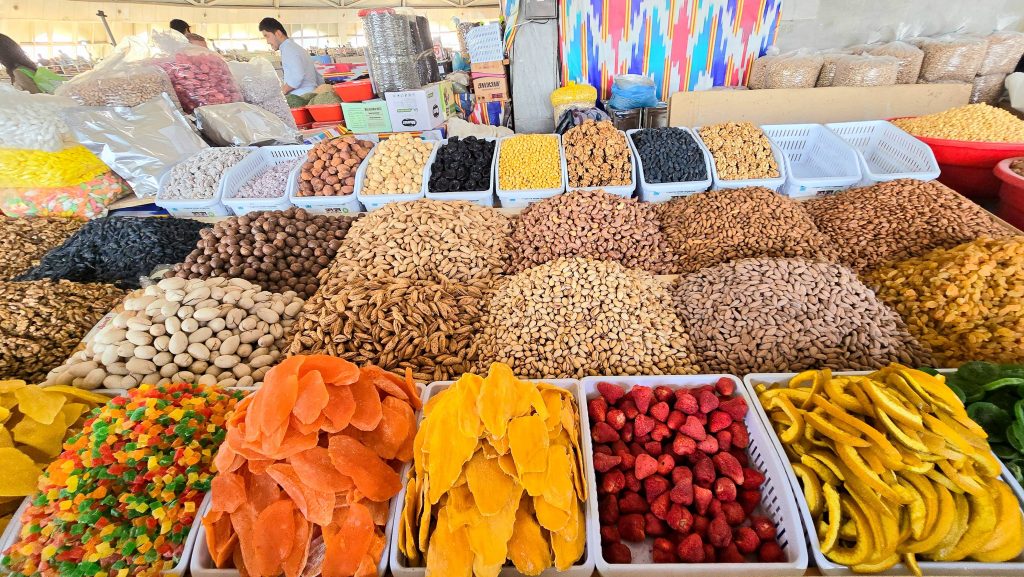
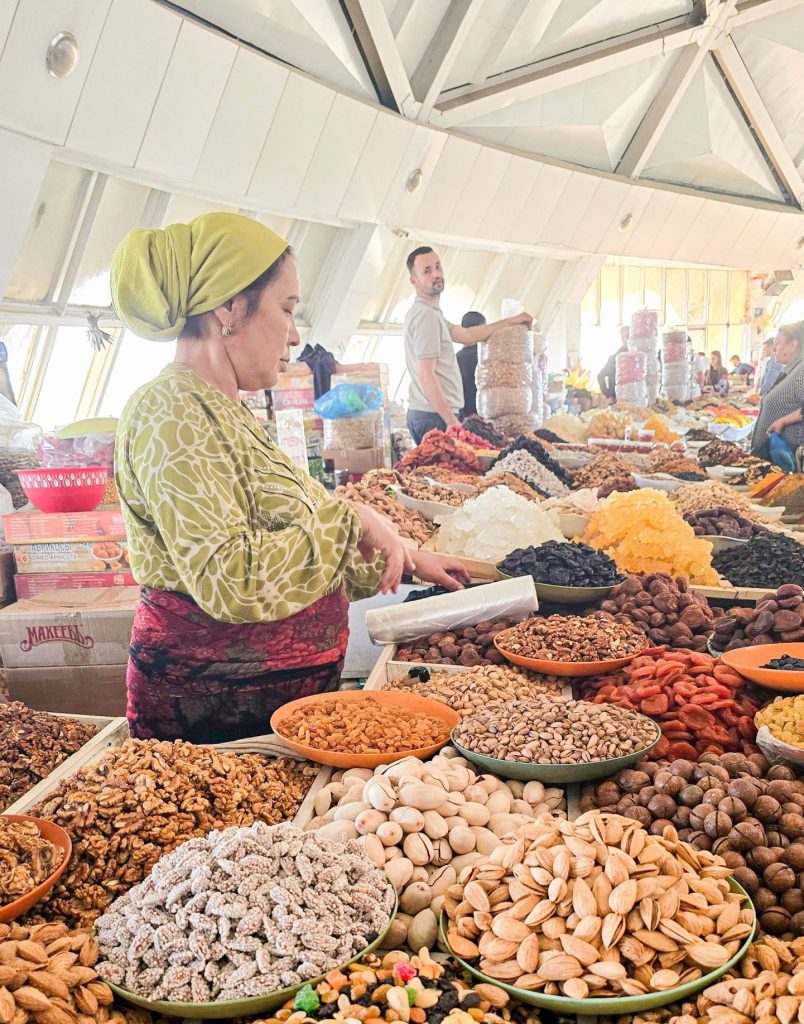
A feast for the eyes at the heart of Uzebikistan’s silk road markets
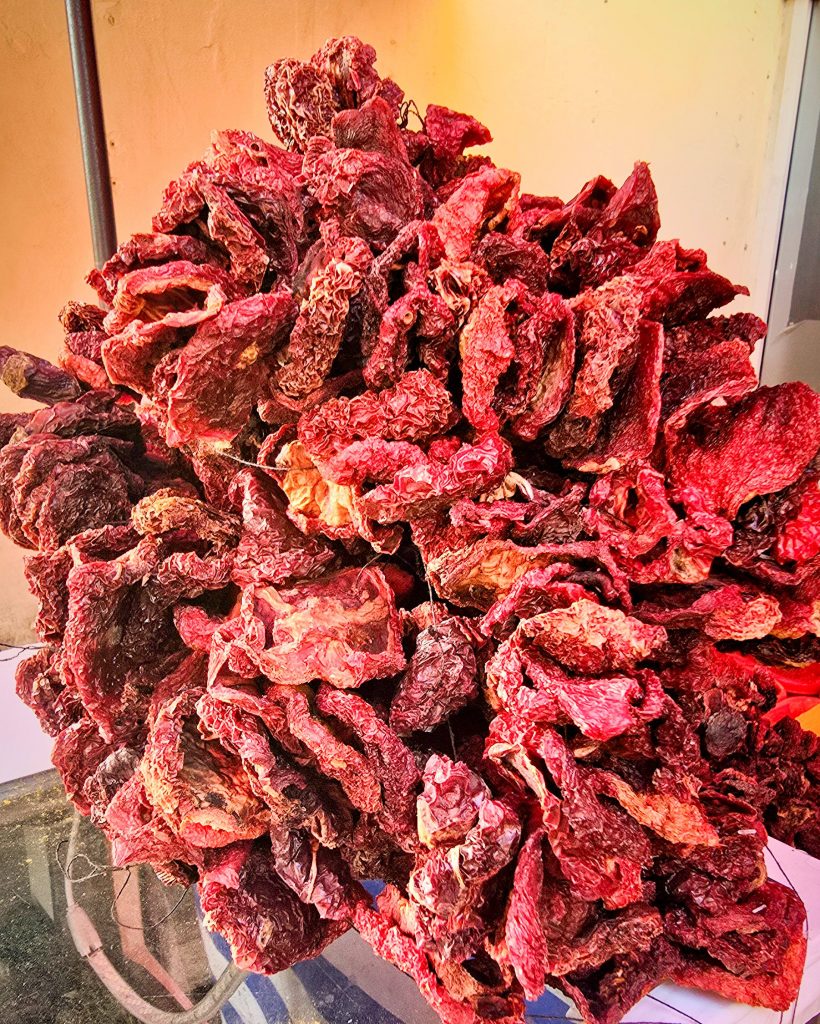
A bunch of sundried tomatoes
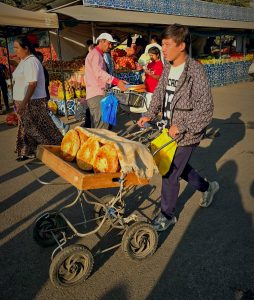
Fresh from the oven, straight to the streets
From Tashkent, we boarded the sleek Afrosiab high-speed train to Samarkand, a UNESCO World Heritage Site that feels like stepping into a living painting. Registan Square, with its three majestic madrasas, is breathtaking at first sight. The Bibi-Khanym Mosque, Shah-i-Zinda necropolis, and Gur-e-Amir — Tamerlane’s resting place — reveal layers of artistry and devotion.
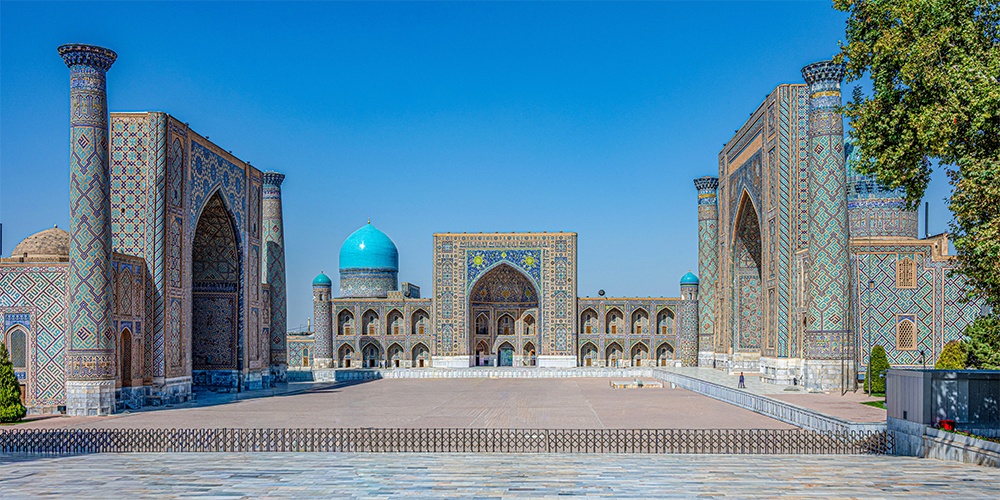
Registan Square
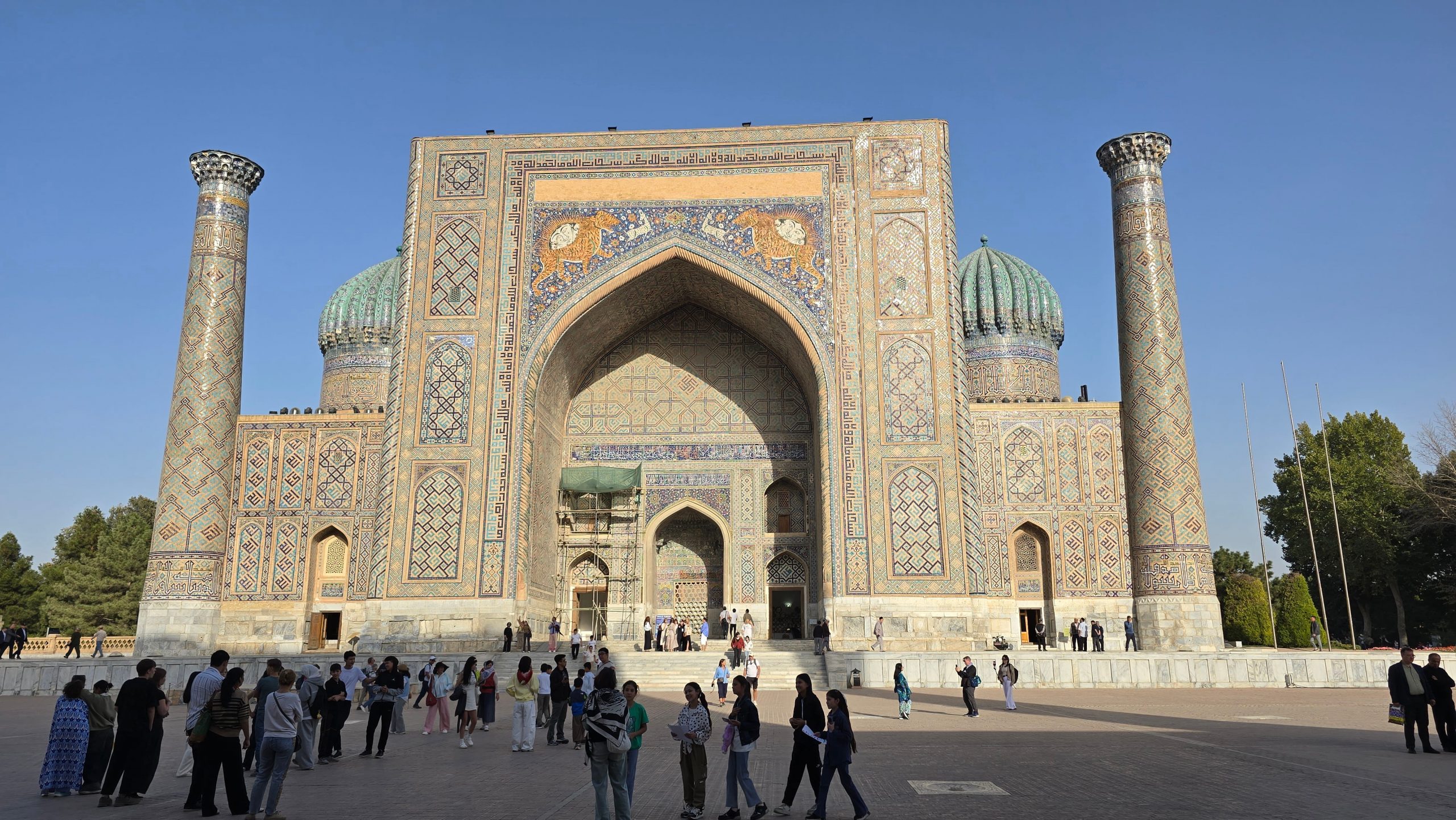
Bibi Khanym Mosque
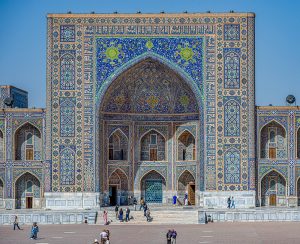
Sher-Dor Madrasa at Registan Square
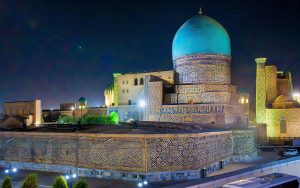
Gur-e-Amir Maousoleum
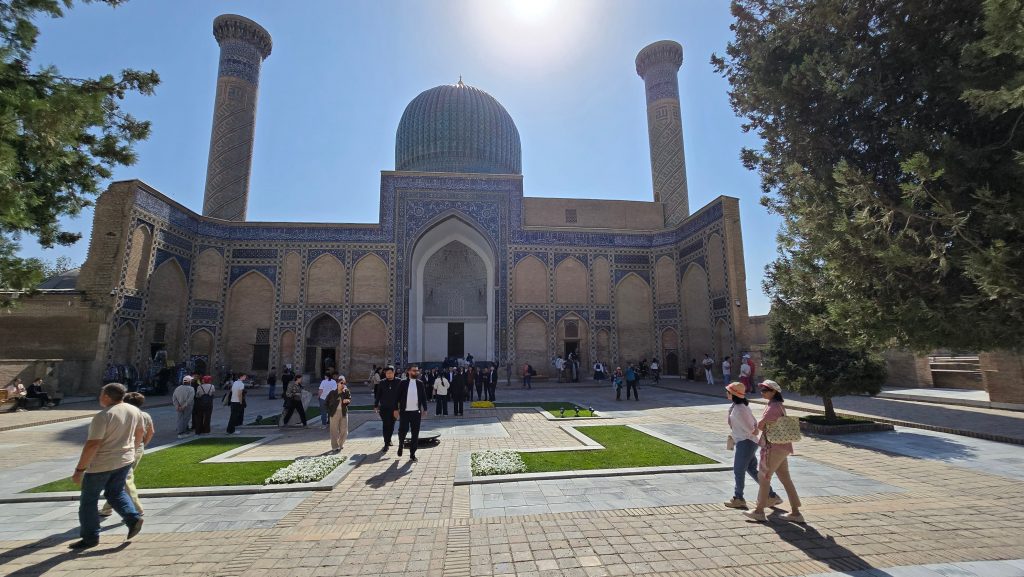
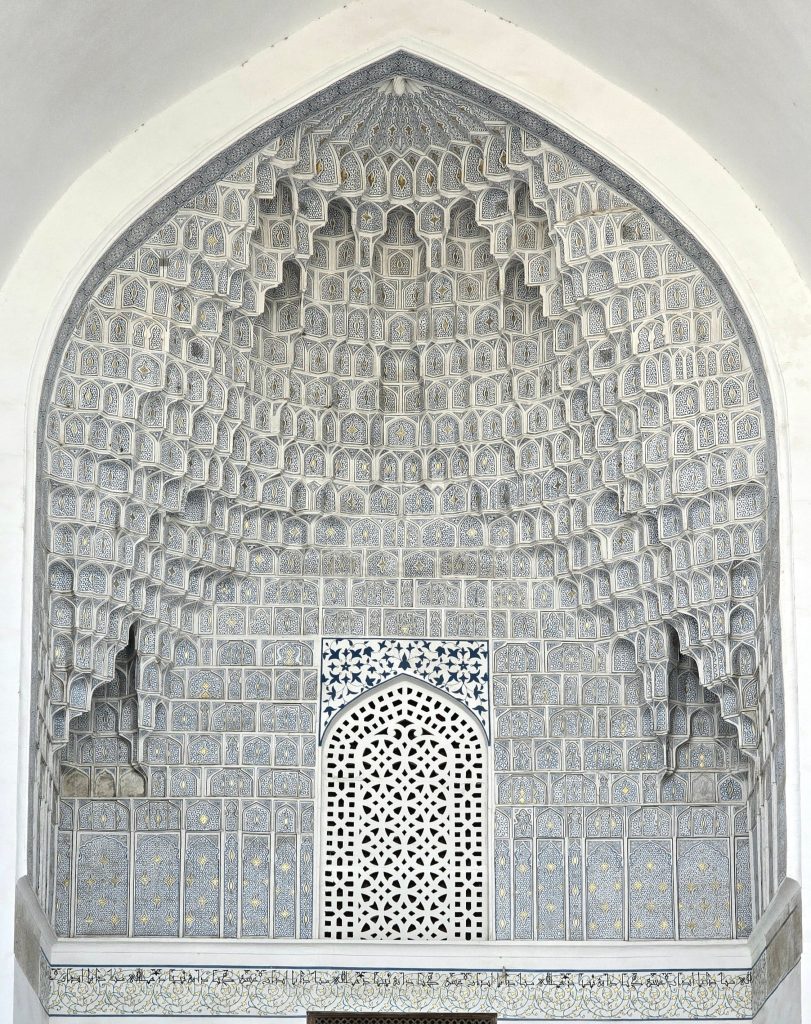

Gur-e-Amir Mausoleum – resting place of Amir Timur
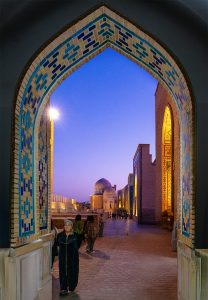
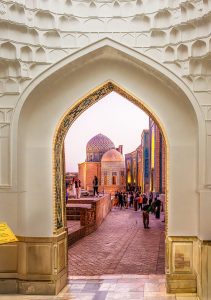
Shah-i-Zinda Necropolis
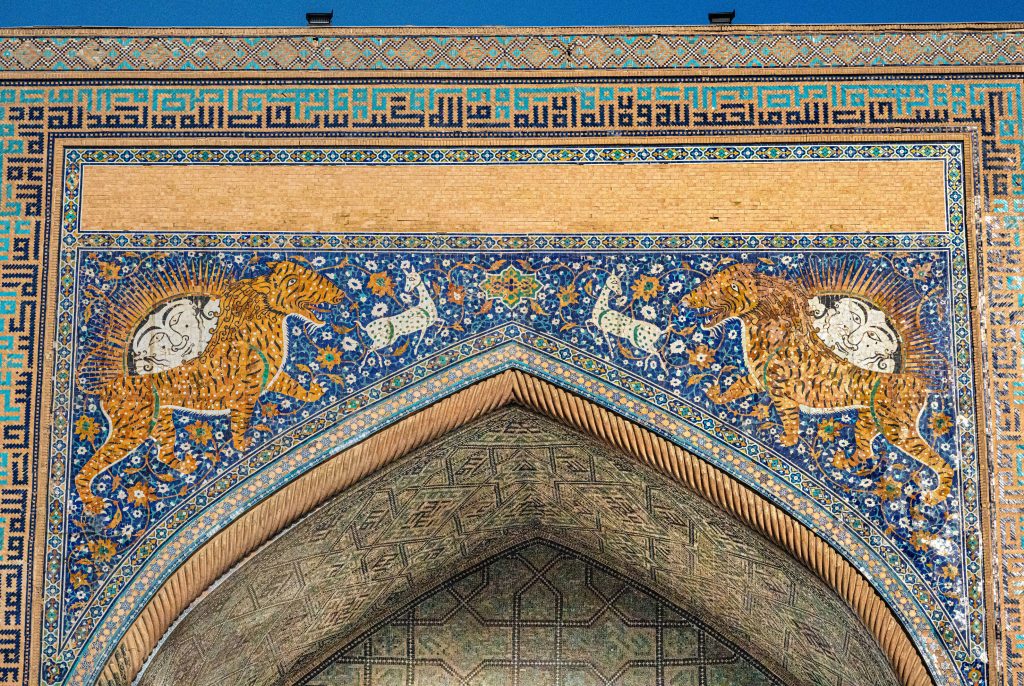
Intricate work seen on monuments
Samarkand was once one of the greatest crossroads on the Silk Route, and you can feel it even today. Cultures from India,
China, Persia, Russia, and Europe mingled here, leaving traces in its architecture— Chinese blues, Persian geometry, Indian floral designs — all fused into a harmonious whole.
As a vegetarian, I had some apprehensions before travelling. But Uzbekistan surprised me. I had absolutely no difficulty finding vegetarian food, and restaurants even prepared a delicious vegetarian version of plov on request. The warm, crusty “non”, served fresh from the tandoor, tasted heavenly with the little jar of Indian pickle we had carried from home.
From Samarkand, another smooth train journey brought us to Bukhara, also a UNESCO World Heritage Site and perhaps
the most atmospheric of the Silk Road cities. The Ark Fortress, the towering Kalyan Minaret, and the domed bazaars gave the city a fairytale charm. Narrow lanes lined with artisans and caravanserais made it easy to imagine scholars, travelers, and traders passing through centuries ago
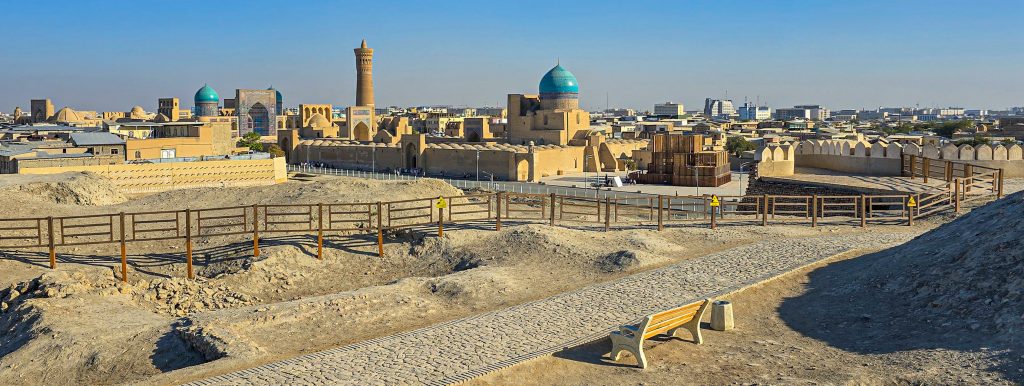
Ark Fortress
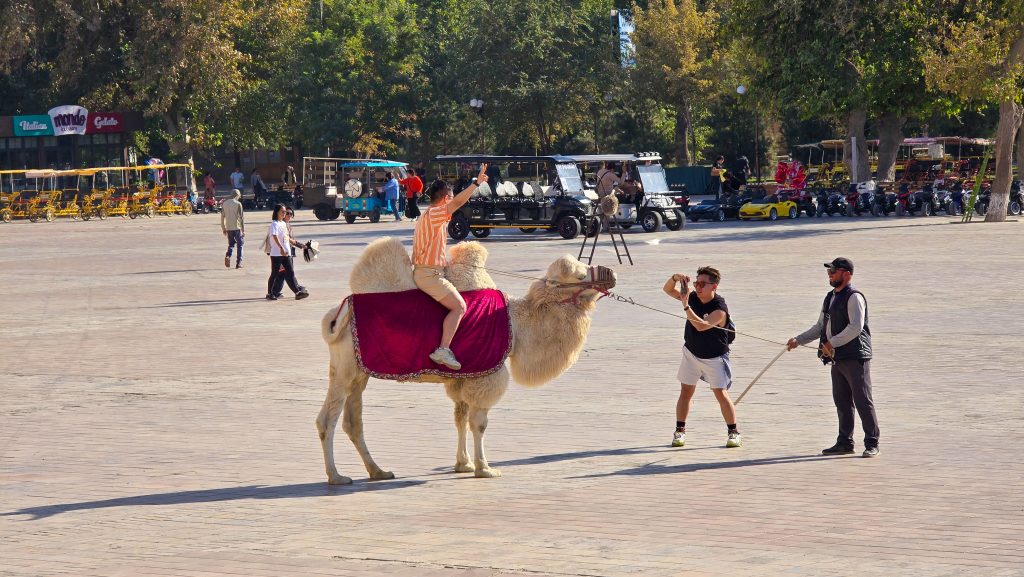
Outside Ark Fortress
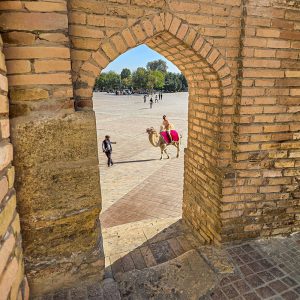
Outside Ark Fortress
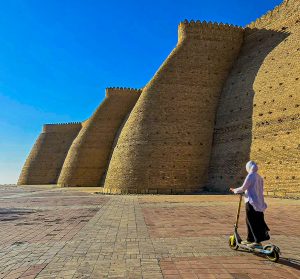
Outer wall of the Ark Fortress
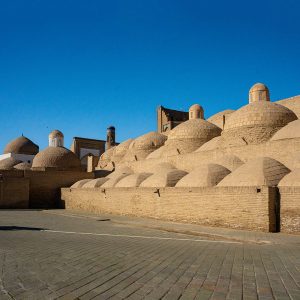
Outer side of the Ark Fortress
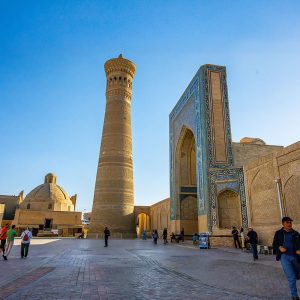
Kalyan Minaret next to the Poi Kalyan Complex
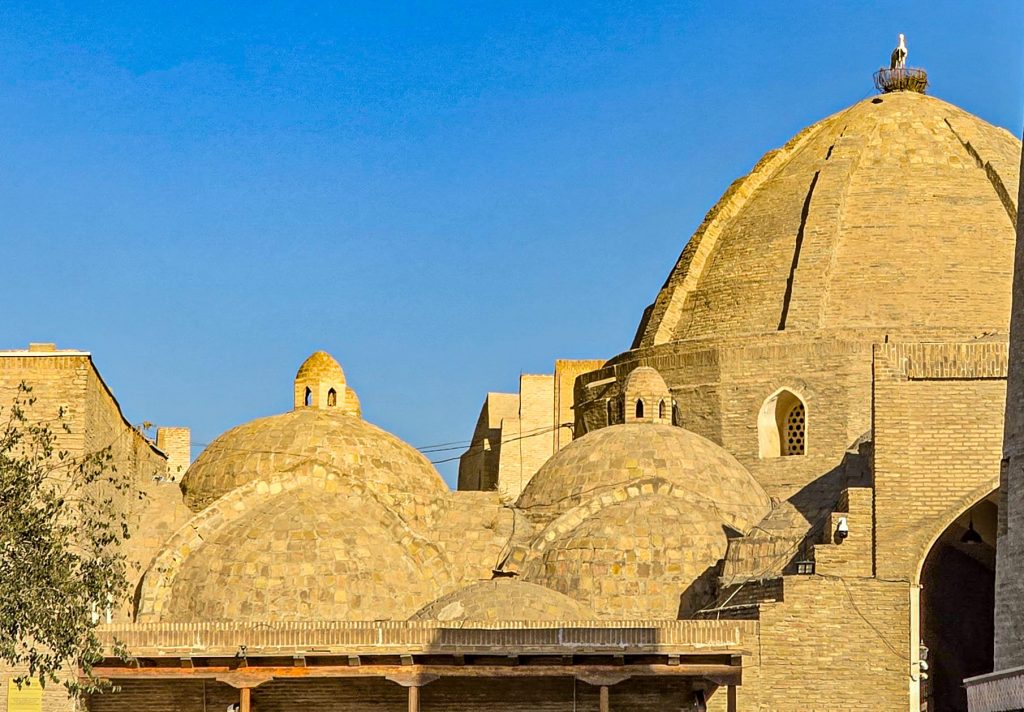
Covered Markets from outside the Ark Fortress
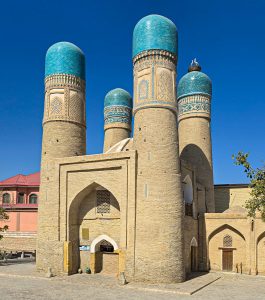
Chor Minor Bukhara
Bukhara too was a true melting pot of civilizations. Merchants from India and China traded with those from Russia, Persia, and Europe; caravan routes converged here; ideas flowed as freely as silk and spices.
During our visit, the city was hosting Uzbekistan’s first Biennale which brought together more than 160 artists from around the world and was held across Bukhara’s historic mosques, madrasas, and caravanserais under the theme “Recipes for Broken Hearts.”
Contemporary artworks placed against ancient architecture created an inspiring dialogue between past and present. One such exhibit was created by Indian artist Subodh Gupta in conjunction with an Uzbek artist Baxtiyor Nazirov.
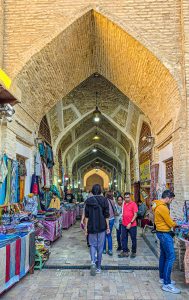
Market at Bukhara
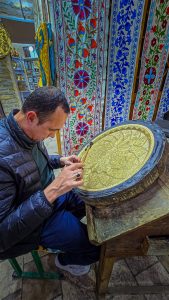
Artisans – metal work
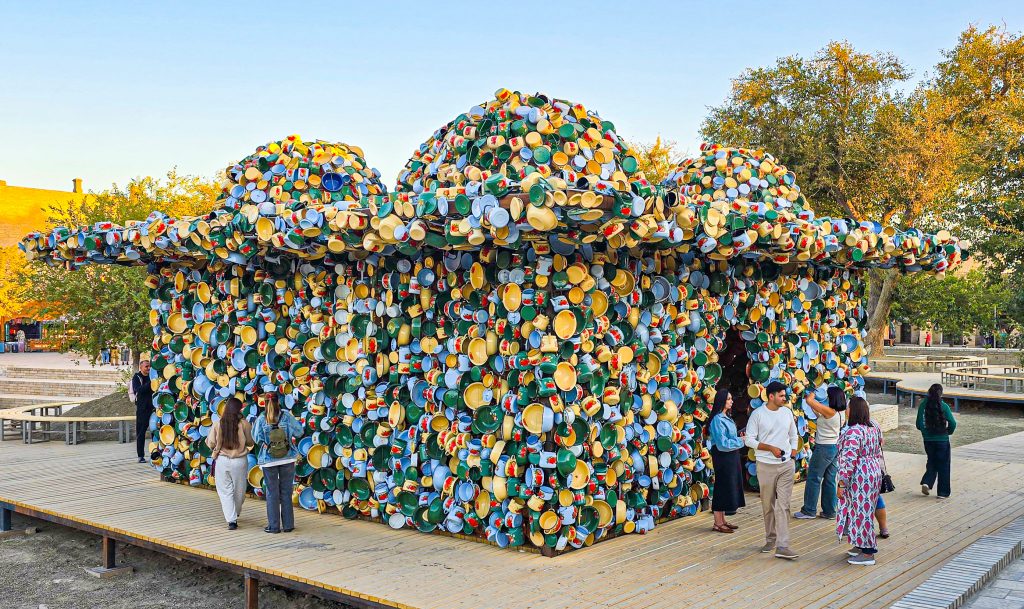
Subodh Gupta & Baxtiar Nazion – “Salt carried by the wind”
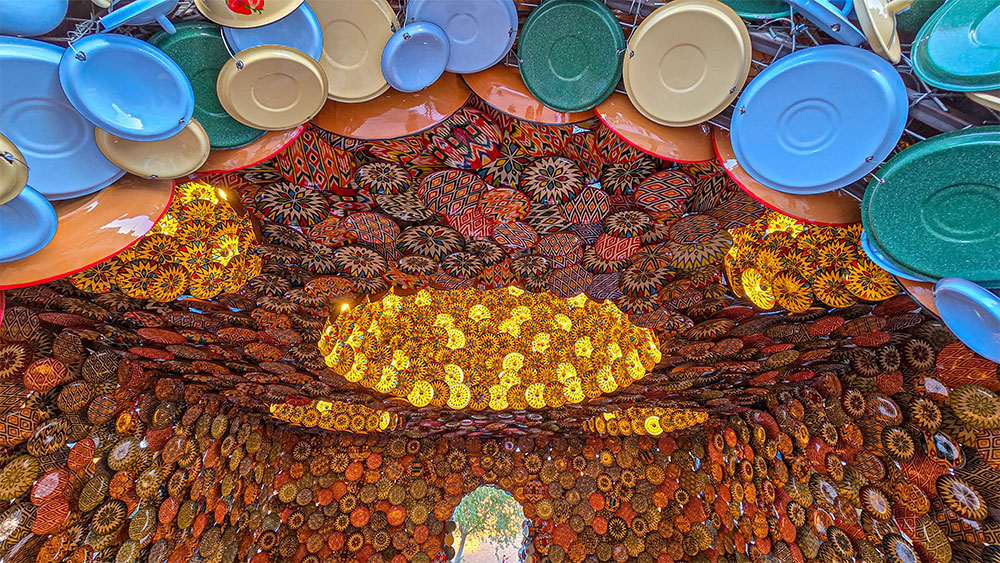
Interior of the “Salt carried by the wind” by Subodh Gupta & Baxtiyar Nazirov
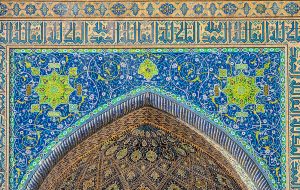
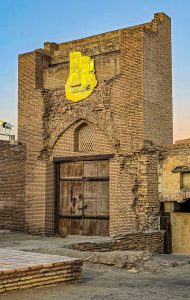
Exhibits at Biennale
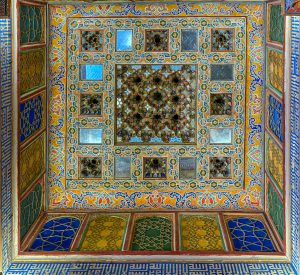
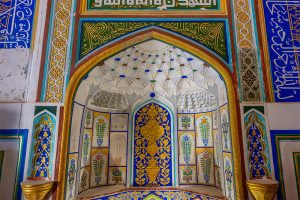
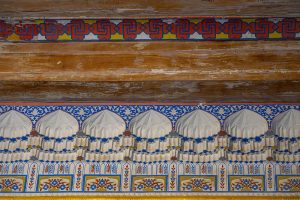
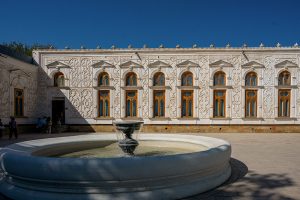
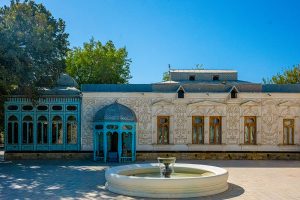
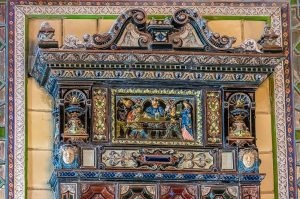

Summer Palace of the Emirs of Bukhara
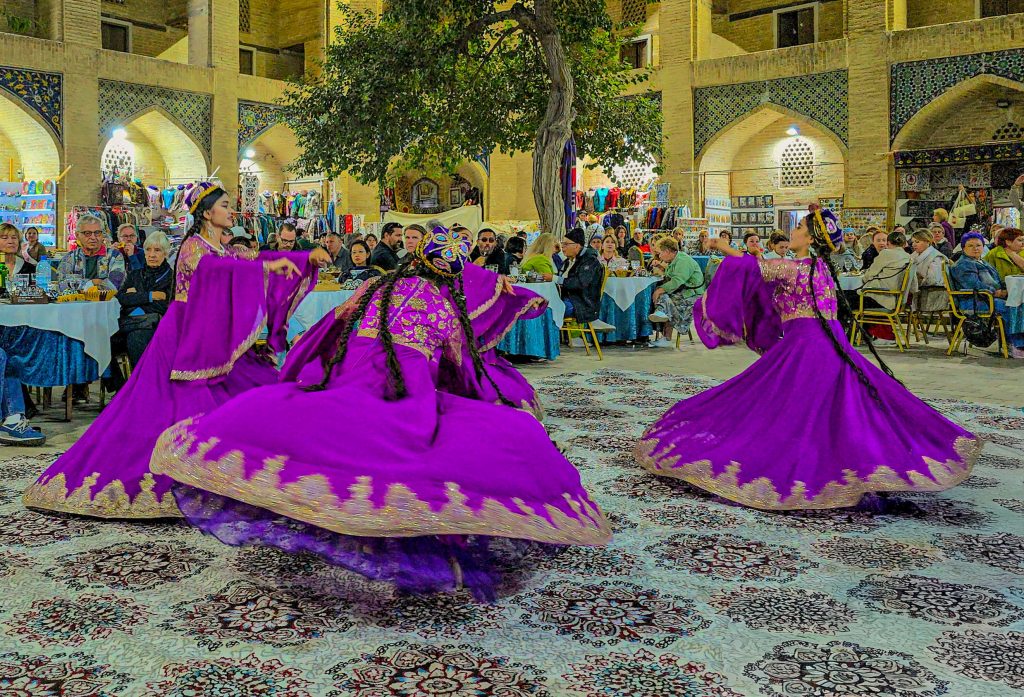
Traditional Dance
From Bukhara, a long, hypnotic desert drive, took us to Khiva, our third UNESCO World Heritage Site. The walled city of Itchan Kala rose like a sand-coloured dream — minarets, mosques, wooden balconies, and blue-tiled domes all enclosed within ancient ramparts. As the sun dipped, we climbed the city walls to watch the skyline glow gold and rose. It felt like the Silk Road was whispering its last stories into the evening light.
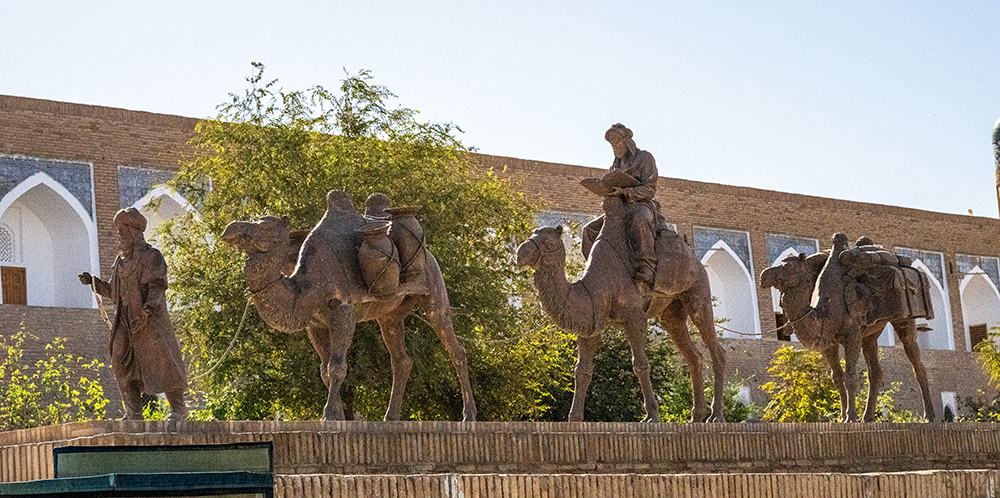
Entrance to Itchan Kala
At the entrance to Itchan Kala
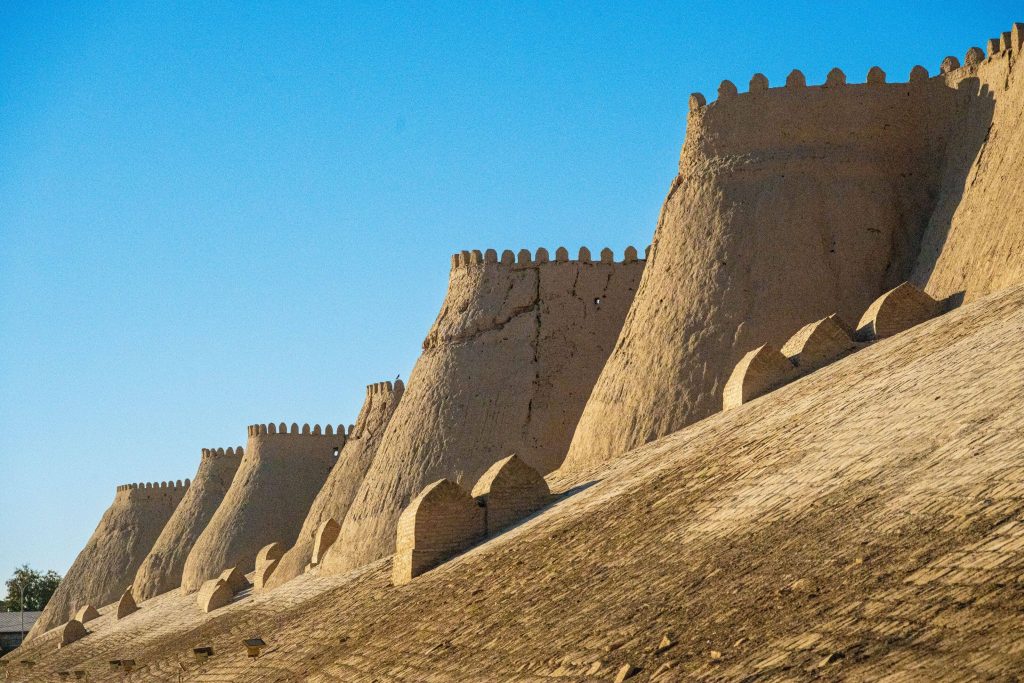
Ramparts of Itchan Kala
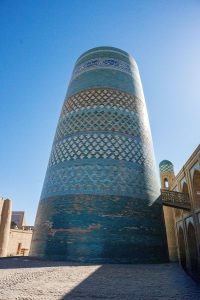
Kalta Minor
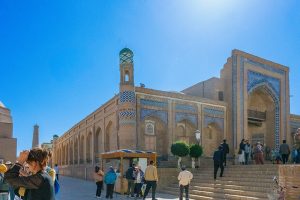
Inside Itchan Kala
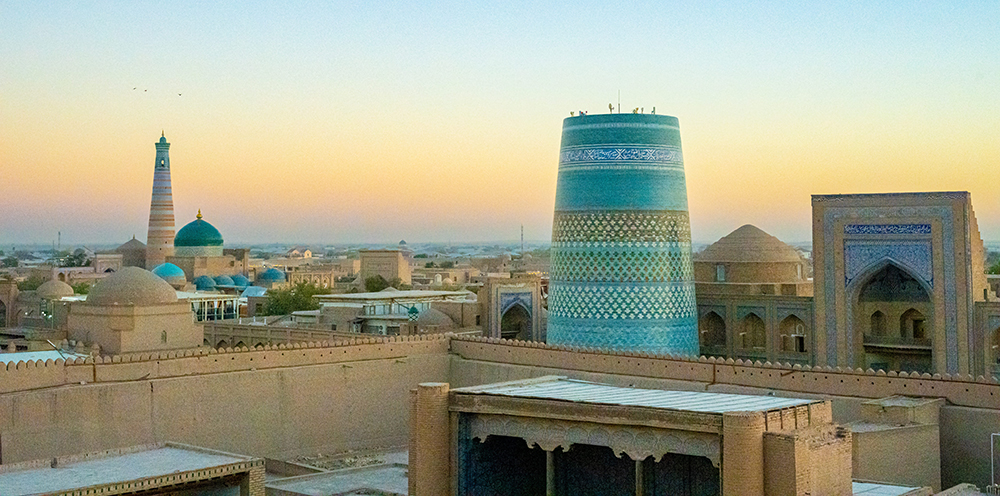
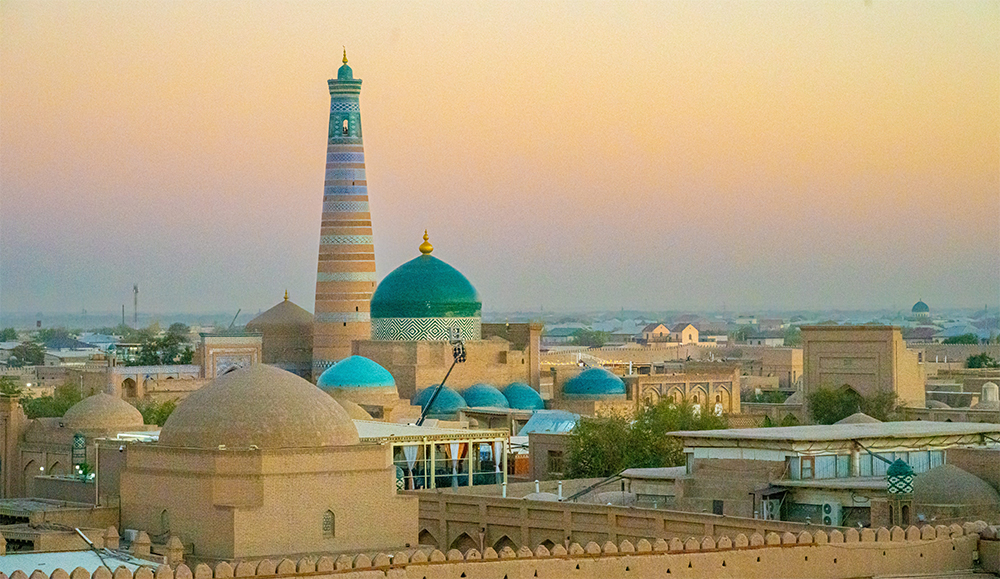
Panaromic view of Itchan Kala from its Ramparts
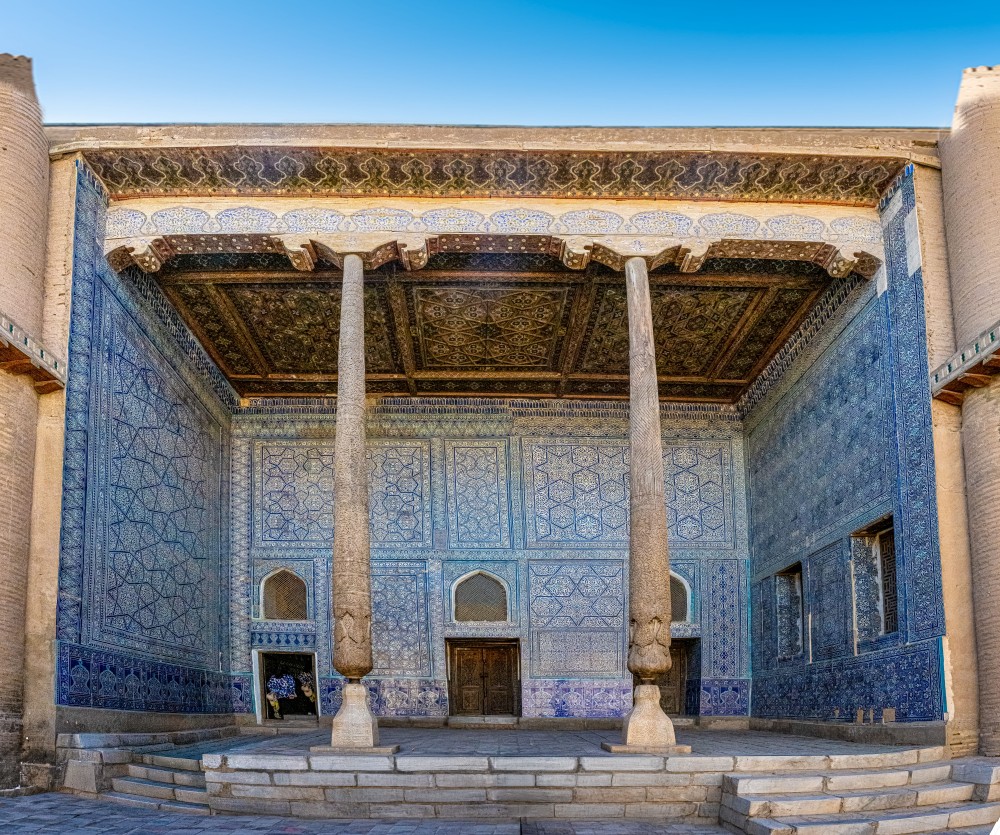
Mosque at Itchan Kala
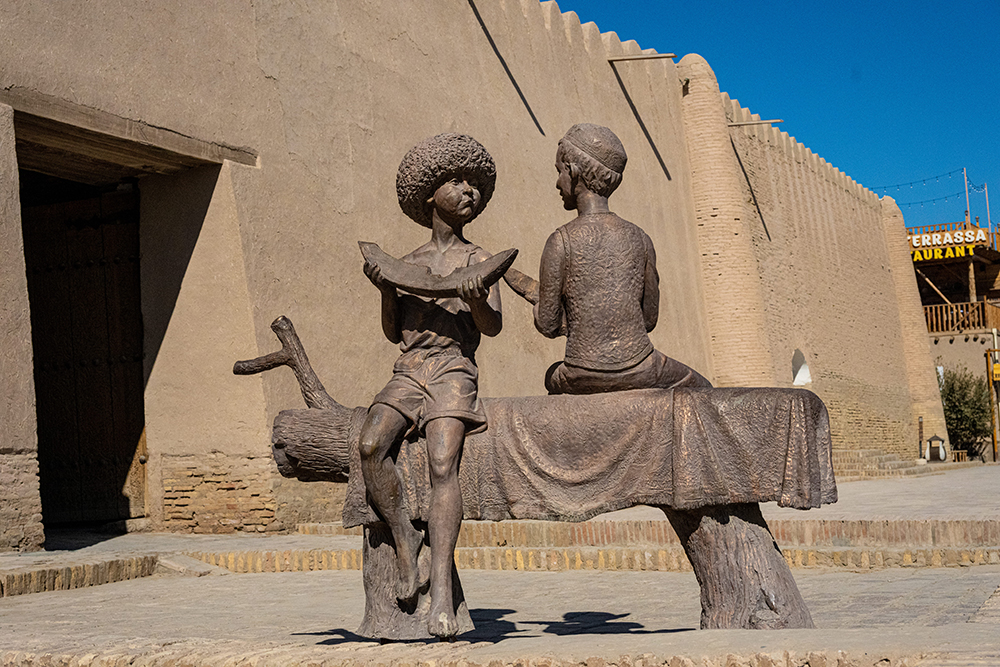
Amid Khiva’s timeless walls, two bronze boys share a melon – a charming reminder that beyond the grandeur of Silk Road monuments lies the warmth of everyday life
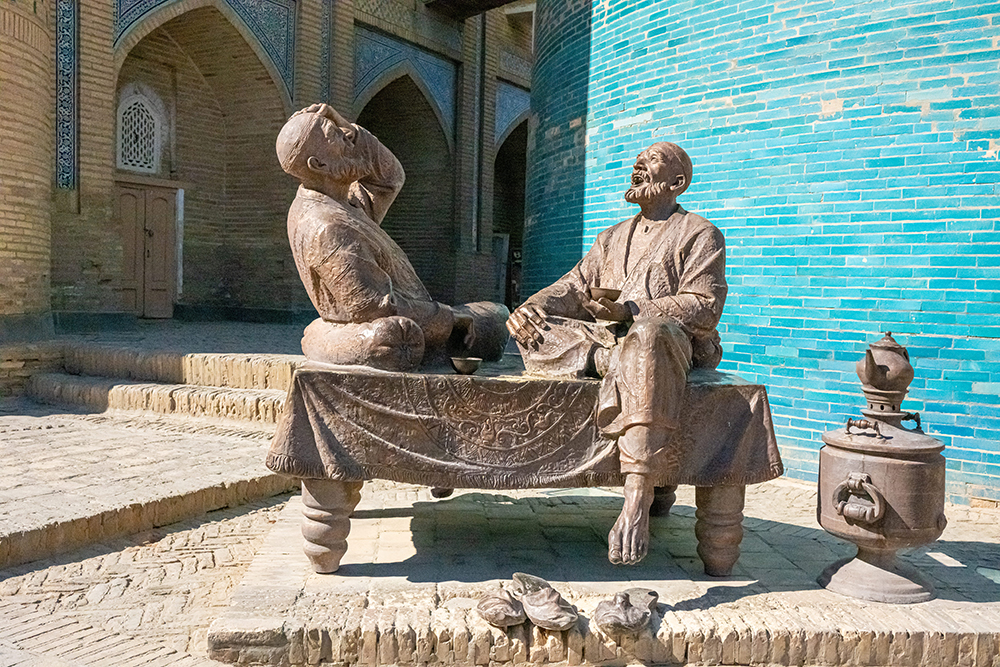
Two old friends, a pot of tea and endless conversation – Khiva’s bronze tribute to the timeless art of storytelling
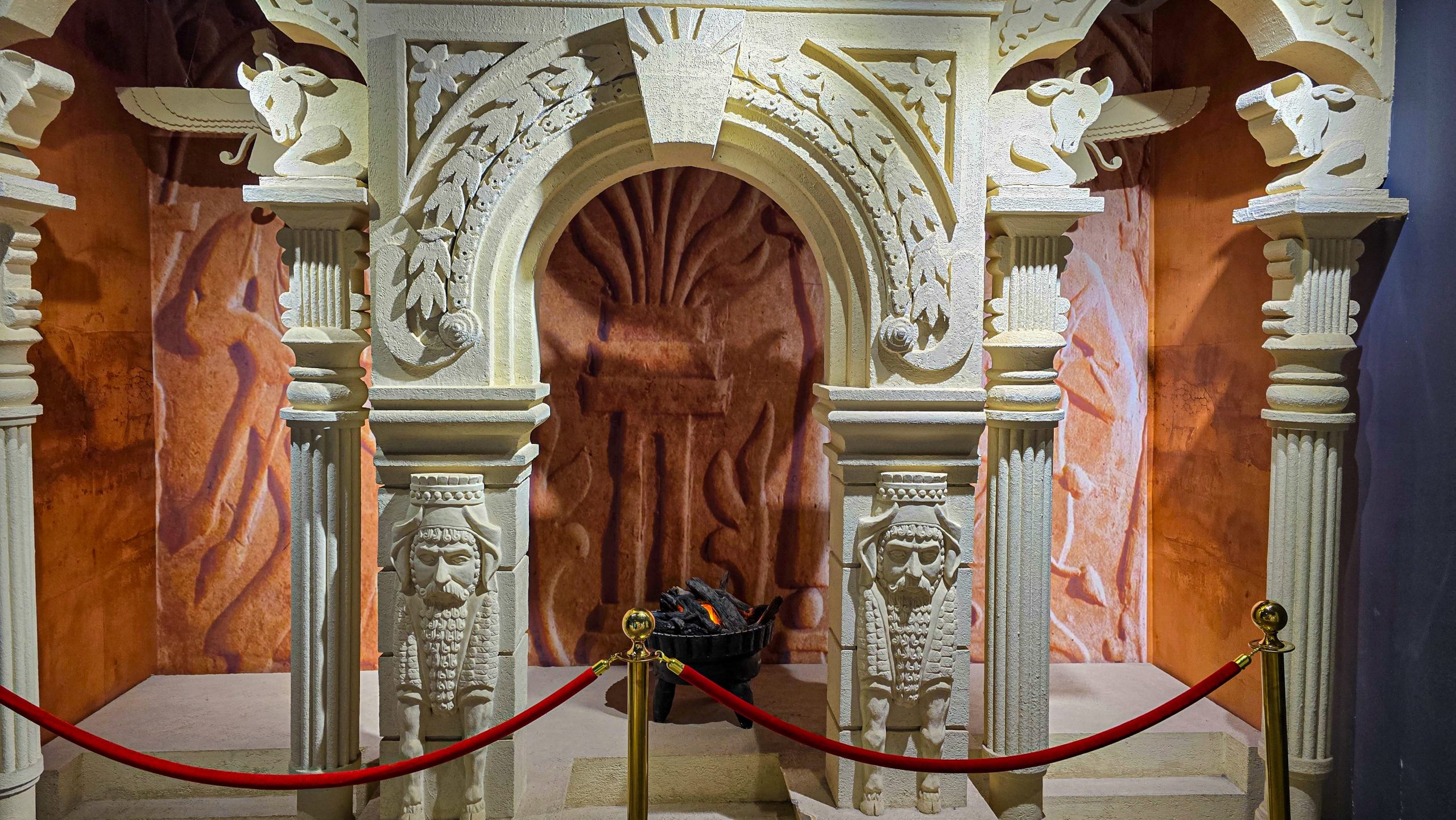
Beneath the turquoise domes of Khiva lies an even older story – of fire temples, forgotten kingdoms and the ancient civilisation of Khorezm
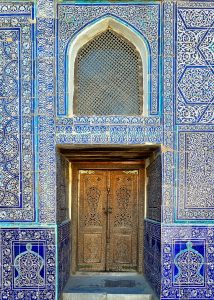
Intricate work of Itchan Kala
One of the most delightful aspects of our journey through Uzbekistan was discovering the warmth and affection its people have for India. The ties between the two countries go back centuries, through the Silk Road and shared history, but today Bollywood remains one of the strongest cultural bridges. From Raj Kapoor to Shah Rukh Khan, Indian films and music are loved across generations in Uzbekistan.
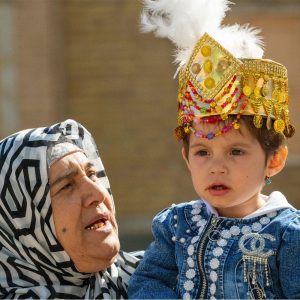

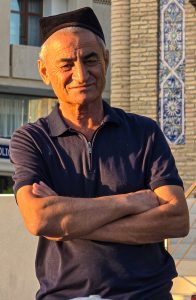
In Khiva, this friendship came alive in the most unexpected way. Our guide, who knew an astonishing number of Hindi songs, happily joined us in a spirited game of Antakshari. Laughter, music and memories transcended language, reminding us that while borders may separate countries, culture and human connection bring people together
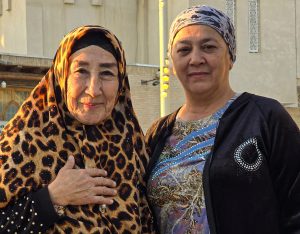
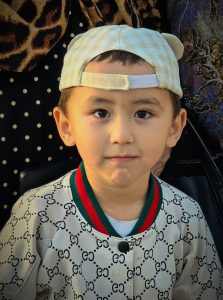
Uzbekistan left me deeply moved — not just by its architectural grandeur, but by the kindness of its people, the comfort with which a vegetarian can travel, and the sense of timelessness that connects Tashkent, Samarkand, Bukhara, and Khiva.