





Protein matters more as we grow older, not for bigger muscles, but for stronger bodies that support independent living, writes Dr Rajiva Gupta
“Take care of your body. It’s the only place you have to live.” — Jim Rohn.
There was a time when protein rarely featured in conversations, overshadowed by blood pressure, blood sugar, cholesterol, calcium and Vitamin D. Today, that has changed.
Walk into any grocery store, and you will find protein everywhere—in cereals, biscuits, yoghurts and beverages, TV advertisements for protein powders, and social media influencers urging you to “eat more protein.”
For many older adults, all this can be overwhelming.
- Is everyone over 60 supposed to consume more protein?
- Are protein powders necessary?
- Can vegetarians get enough protein from their daily meals?
- Is it true that eating more protein can damage the kidneys?
These are important questions because protein is one of the least understood nutrients in modern nutrition. Much of what we hear is influenced by marketing, fitness culture or advice meant for athletes rather than the general public.
The truth is simple. Protein is not a fad—it has always been essential. What has changed is our understanding of ageing: protein matters more as we grow older, not for bigger muscles, but for stronger bodies that support independent living.
Healthy ageing is about more than living longer—it’s about staying fit enough to climb stairs, carry shopping, recover after illness, and keep doing the everyday things that give life meaning.
Ten Simple Ways to Eat More Protein
| 1.Include a protein-rich food with every main meal.
2. Make breakfast protein-rich—not just tea and biscuits. 3.Eat dal, rajma, chana or other pulses regularly. 4.Include milk, curd or paneer every day. 5.Eat eggs regularly if you consume them. 6. Add tofu or soy products to vegetarian meals. 7.Choose fish or lean chicken if you eat non-vegetarian food. 8.If appetite is poor, enrich meals with paneer, milk powder or tofu rather than increasing portion sizes. 9. Use supplements only if food alone cannot meet your needs and your doctor recommends them. 10.Stay active. Protein works best combined with walking and simple strength exercises. |
Approximate Protein Content of Common Foods
| Food | Serving | Protein |
|---|---|---|
| Milk | 1 glass | 8 g |
| Curd | 1 bowl | 8–10 g |
| Paneer | 100 g | 18–20 g |
| Egg | 1 large | 6–7 g |
| Dal | 1 bowl | 10–12 g |
| Rajma / Chole | 1 bowl | 12–15 g |
| Tofu | 100 g | 12–15 g |
| Fish | 100 g | 20–25 g |
| Chicken | 100 g | 27–30 g |
| Roasted chana | 1 handful | 6–7 g |
| Peanuts | 1 handful | 7–8 g |
Answering the Questions Everyone Asks
The four questions raised earlier deserve clear, evidence-based answers—not marketing slogans. Here is what matters most.
- Does everyone over 60 need more protein?
Most healthy adults over 60 need about 1.0–1.2 grams of protein per kilogram of body weight each day—slightly more than the 0.8 g/kg generally recommended for younger adults. For example, a person weighing 60 kg needs about 60–72 grams of protein daily. In recovery from surgery, fractures, infections or other illnesses, protein needs increase to support healing, and a doctor or dietitian may recommend a higher intake.
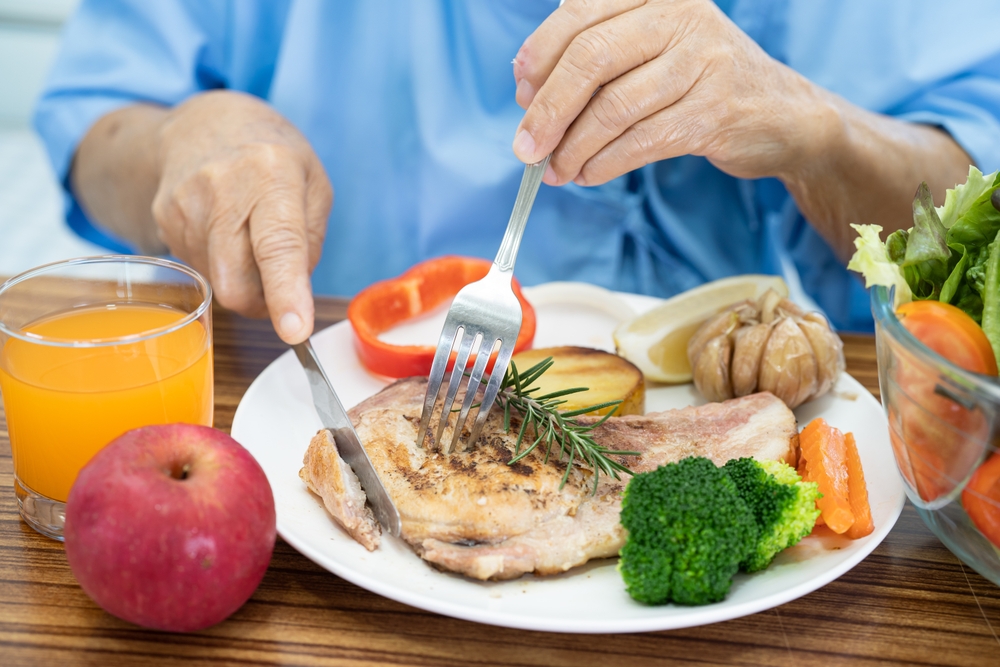
There is no need to count every gram. A much simpler approach is to include a good source of protein with every main meal—breakfast, lunch and dinner—rather than eating most of it only at dinner.
- Are protein powders necessary?
For most healthy older adults, no.
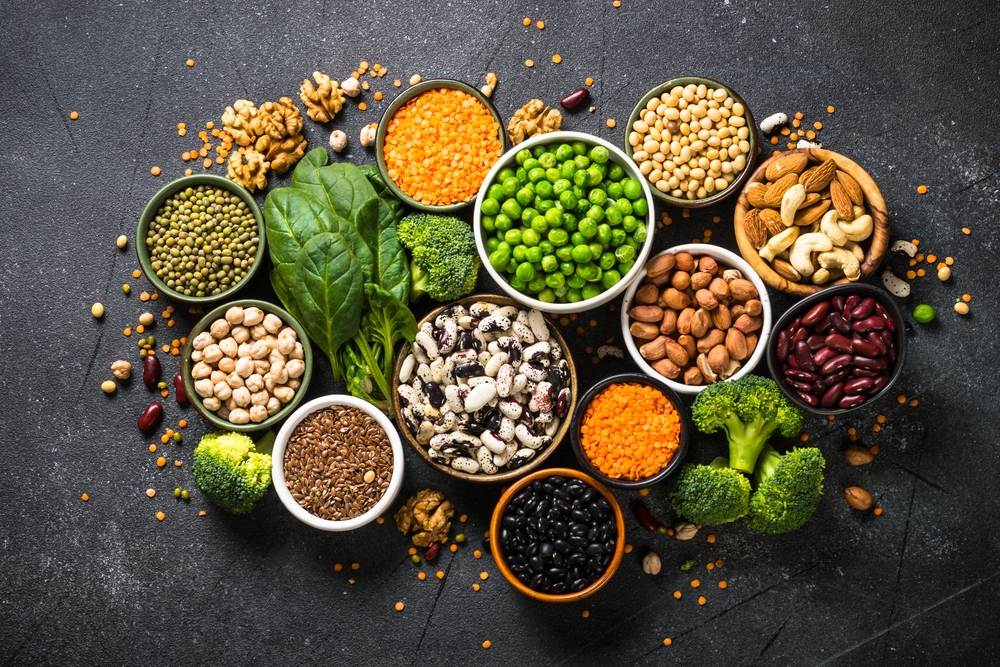
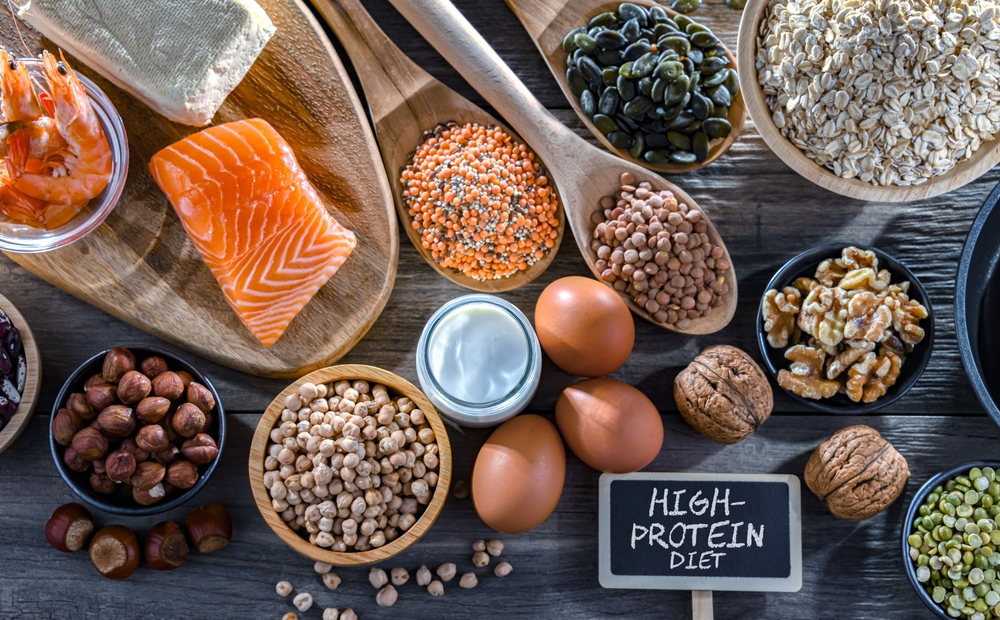
Everyday foods such as milk, curd, paneer, dals, eggs, fish and chicken usually provide all the protein the body needs, along with many other valuable nutrients.
Protein powders may be useful only for people with poor appetite, chewing or swallowing difficulties, or those recovering from major illness or surgery who cannot meet their needs through food alone. Even then, they should supplement meals—not replace them—and are best used on the advice of a doctor or dietitian.
- Can vegetarians get enough protein from their daily meals?
Absolutely.
A well-planned vegetarian diet that includes dairy products, pulses, beans, soy foods, nuts and seeds can easily provide adequate protein. A day combining milk or curd, dal or rajma, paneer or tofu, and a handful of nuts can meet the 1.0–1.2 g/kg target for most vegetarians without requiring meat, fish or supplements.
- Does eating more protein damage the kidneys?
For people with healthy kidneys, there is no convincing evidence that consuming the recommended amount of protein (about 1.0–1.2 g/kg/day) causes kidney damage. This concern mainly applies to people who already have chronic kidney disease.
Older adults with diabetes, hypertension or known kidney disease should not change their protein intake without medical advice. Their doctor or a renal dietitian can recommend an appropriate intake based on kidney function.
When Food Alone May Not Be Enough
For most healthy older adults, everyday meals provide all the protein they need. There are two situations where extra support may be required.
First, some people simply cannot eat enough because of poor appetite, difficulty chewing or swallowing, advanced illness, or recovery after major surgery. In these situations, fortifying meals with milk powder or paneer—or using a doctor-recommended protein supplement—can help bridge the gap.
Second, cultural or religious practices, fasting, food preferences, or long-standing eating habits may limit protein intake. Rather than insisting on foods someone does not enjoy, a dietitian can usually suggest suitable alternatives within the person’s usual diet, such as soy products, besan, sprouts or other pulse-based foods.
Take Home Messages
|
The Bottom Line
Healthy ageing isn’t about a single nutrient, but protein deserves far more attention than it usually receives. Fortunately, most healthy adults can meet their needs with simple home-cooked meals that include a good source of protein at every meal. Supplements are needed only in specific situations and should be used on medical advice.
Next time you sit down to eat, ask yourself one simple question:
“Where is my protein?”
It’s a small question that could make a big difference to how well you recover, how strong you remain, and how independently you live.
| After 60, protein isn’t about building bigger muscles. It’s about protecting the muscles you already have—and with them, your strength, mobility and independence. |