






Our journey to Morocco began with a long flight from Mumbai to Casablanca via Istanbul—a crossing of continents that mirrored the cultural intersections we were about to witness.
After landing in Casablanca, we drove to Rabat for a restful overnight stay- waking up to a city that felt elegant and understated, with wide boulevards and whispers of French influence.
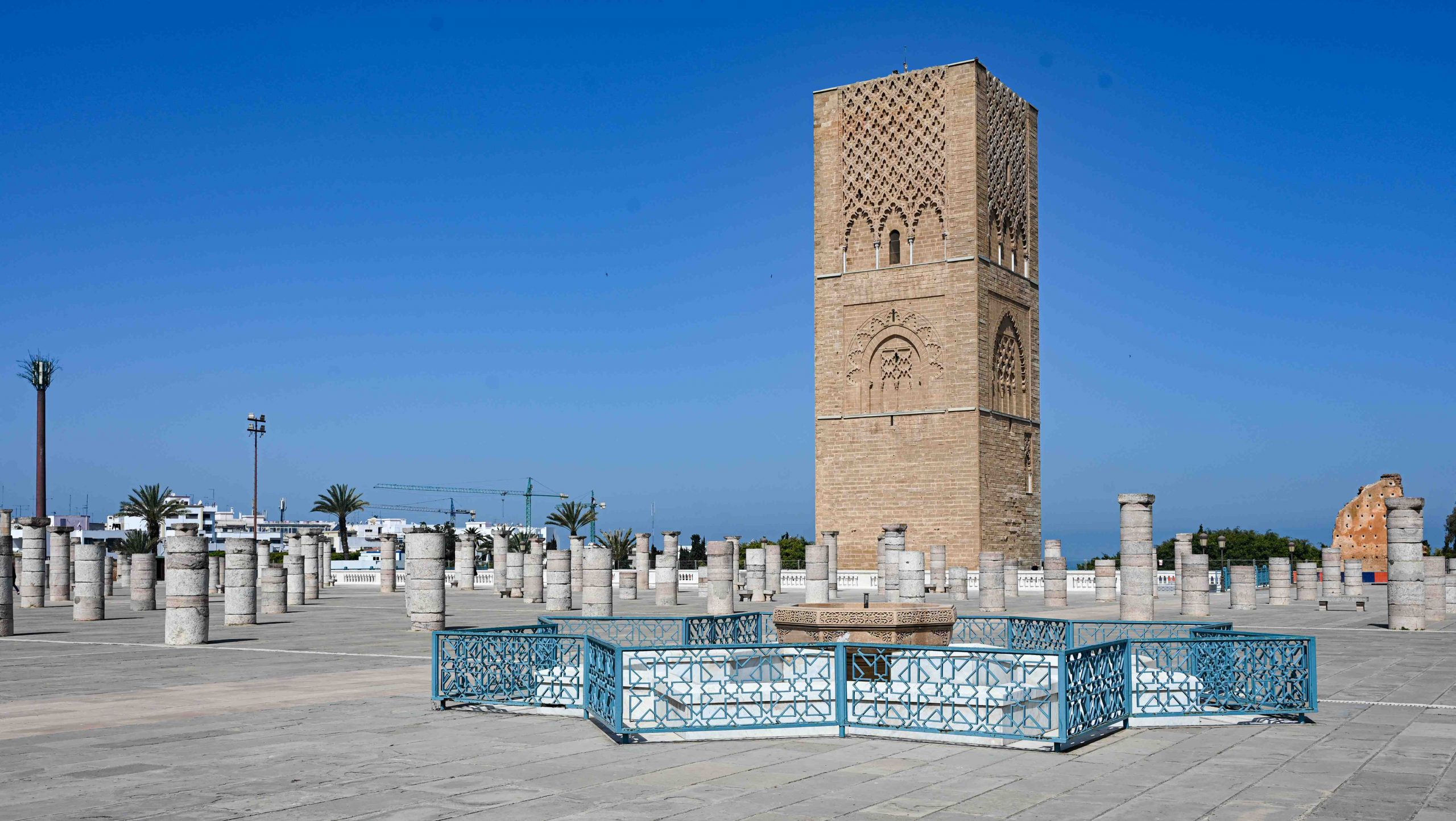
During our time in Rabat, we explored a fascinating mix of history and modernity. We began at the iconic Hassan Tower, the unfinished minaret of a grand mosque built in the 12th century and which still commands attention.
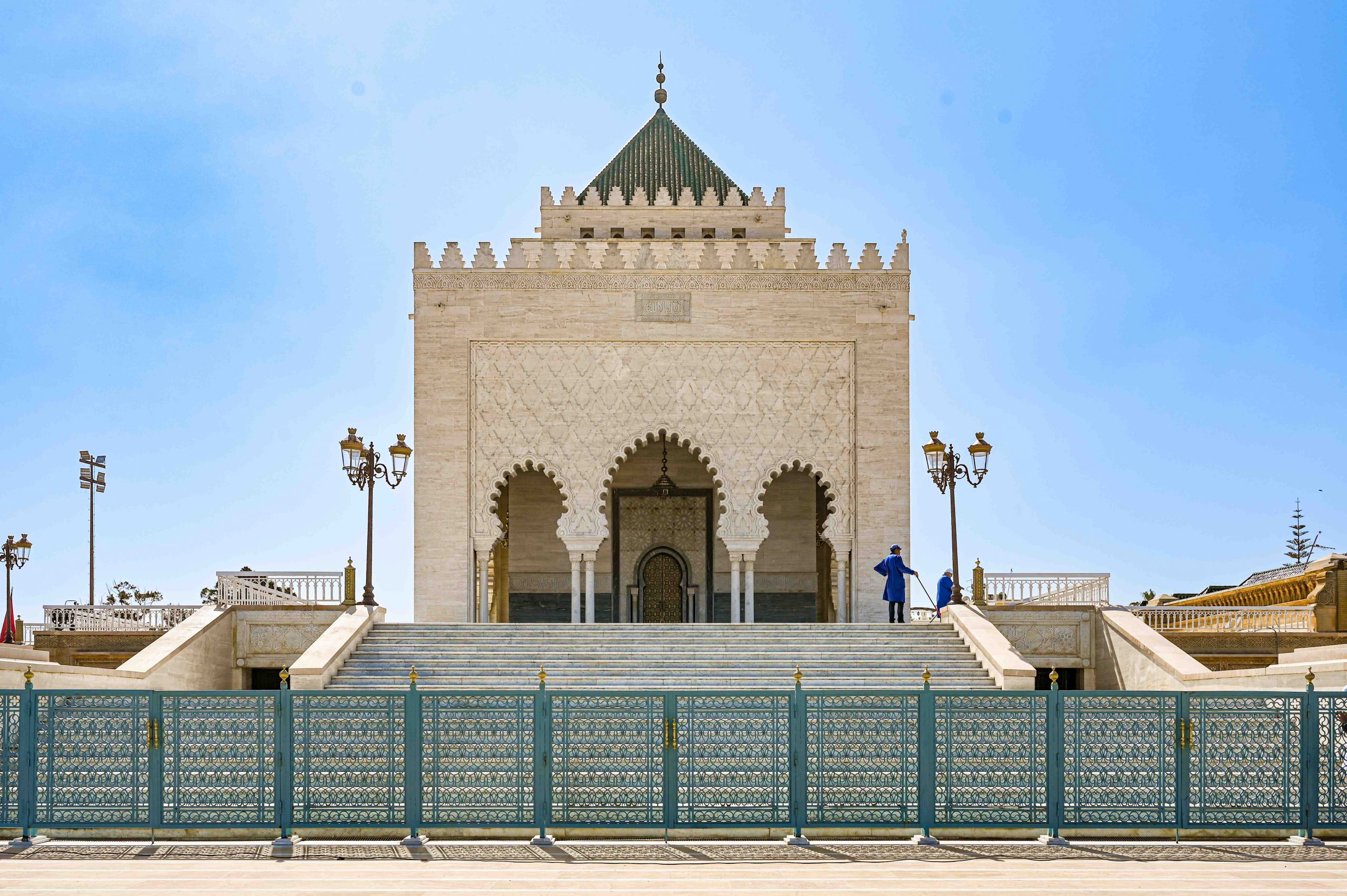
Across from Hassan Tower, the Mausoleum of Mohammed V impressed us with its intricate white marble structure and green tiled roof. This is also a revered place as it is the resting place of the king and his two sons.
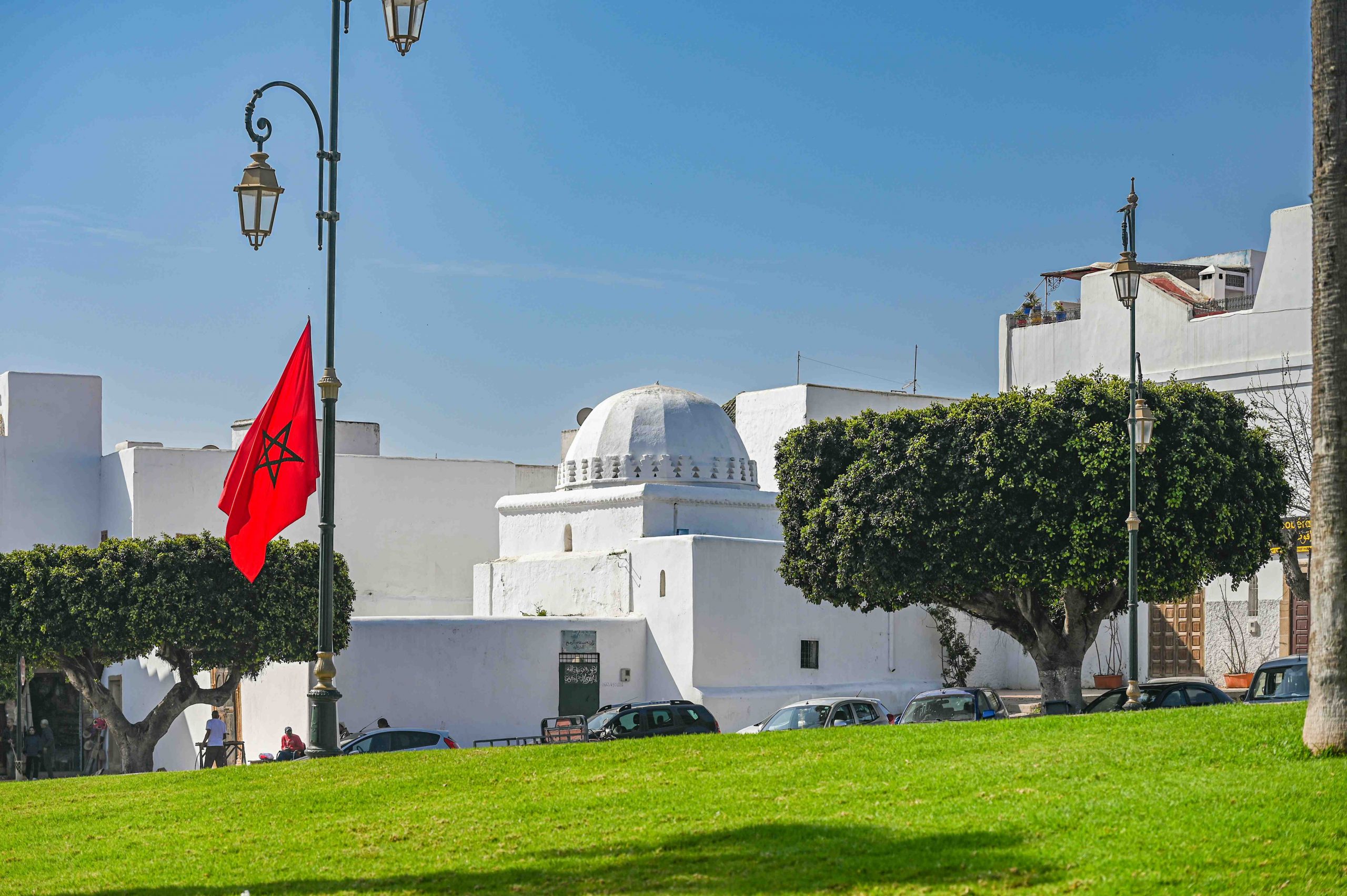
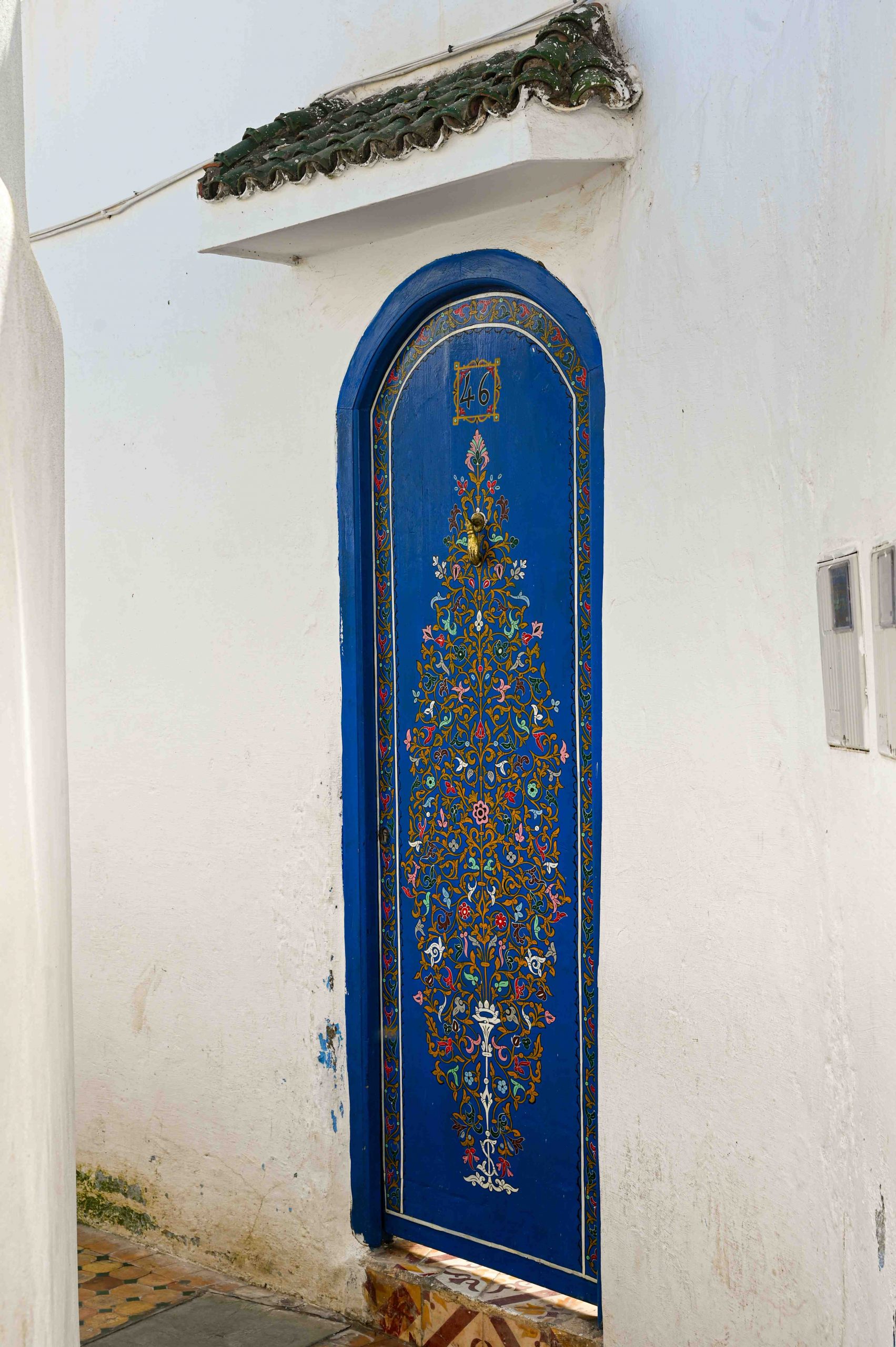
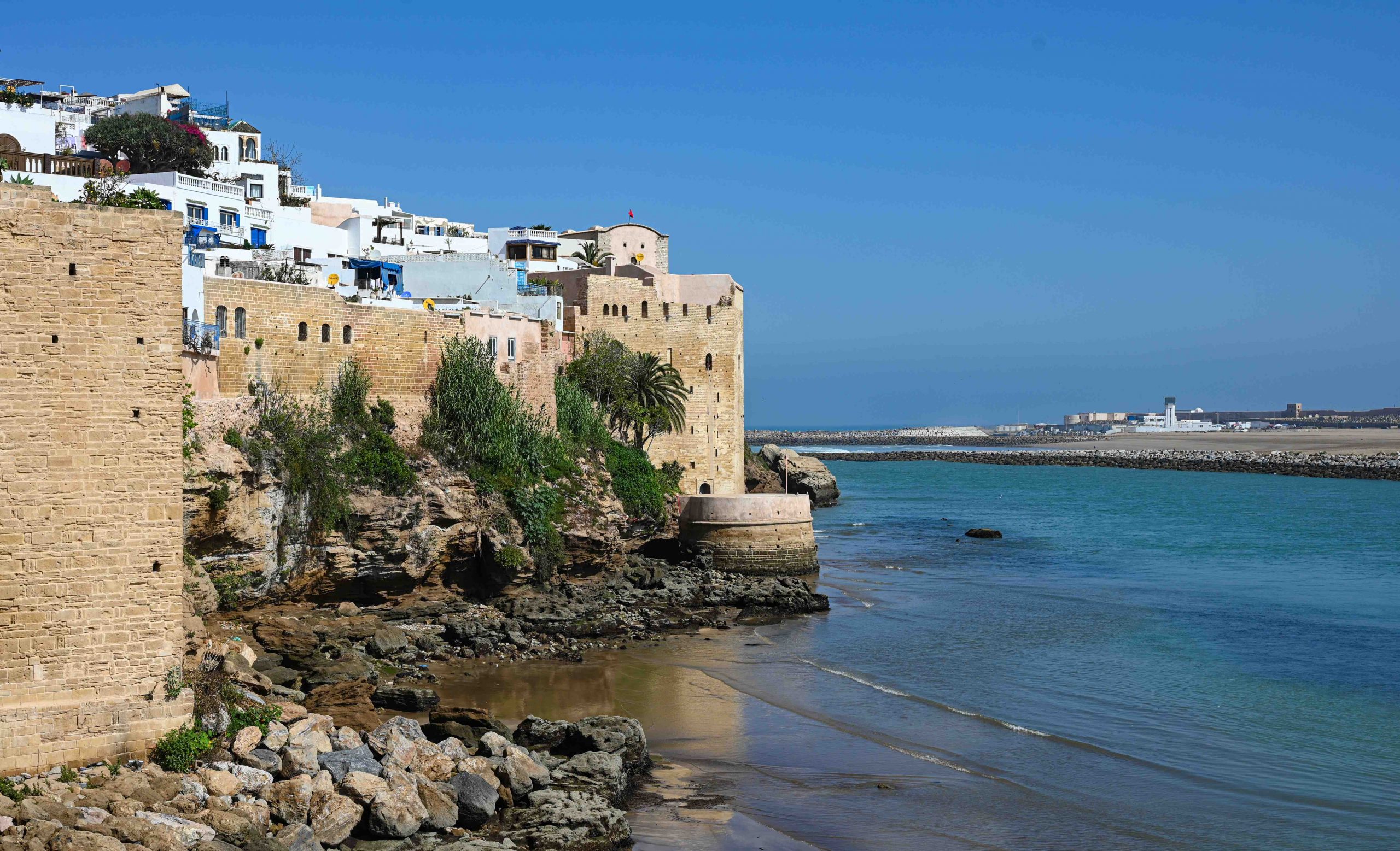
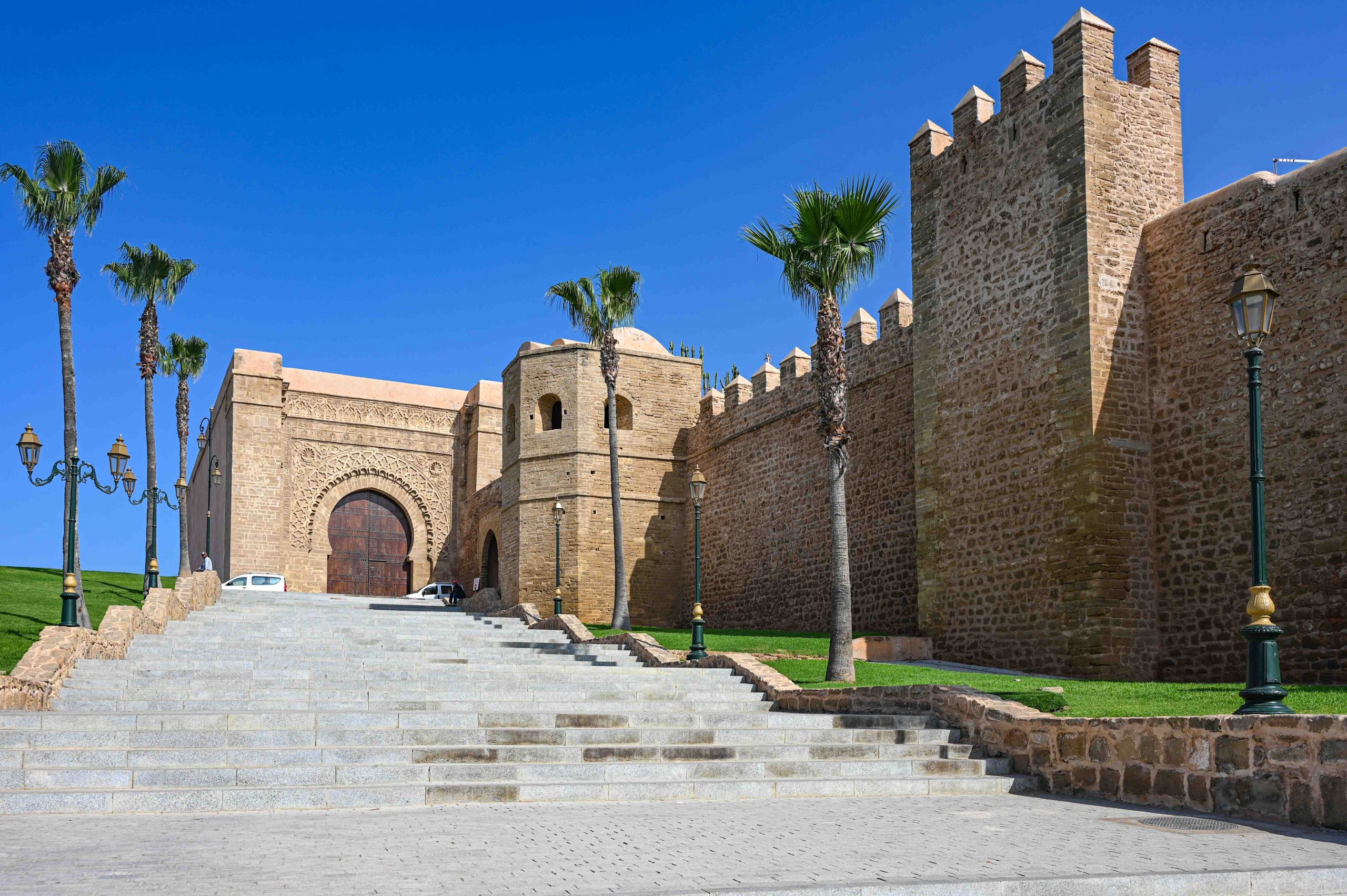
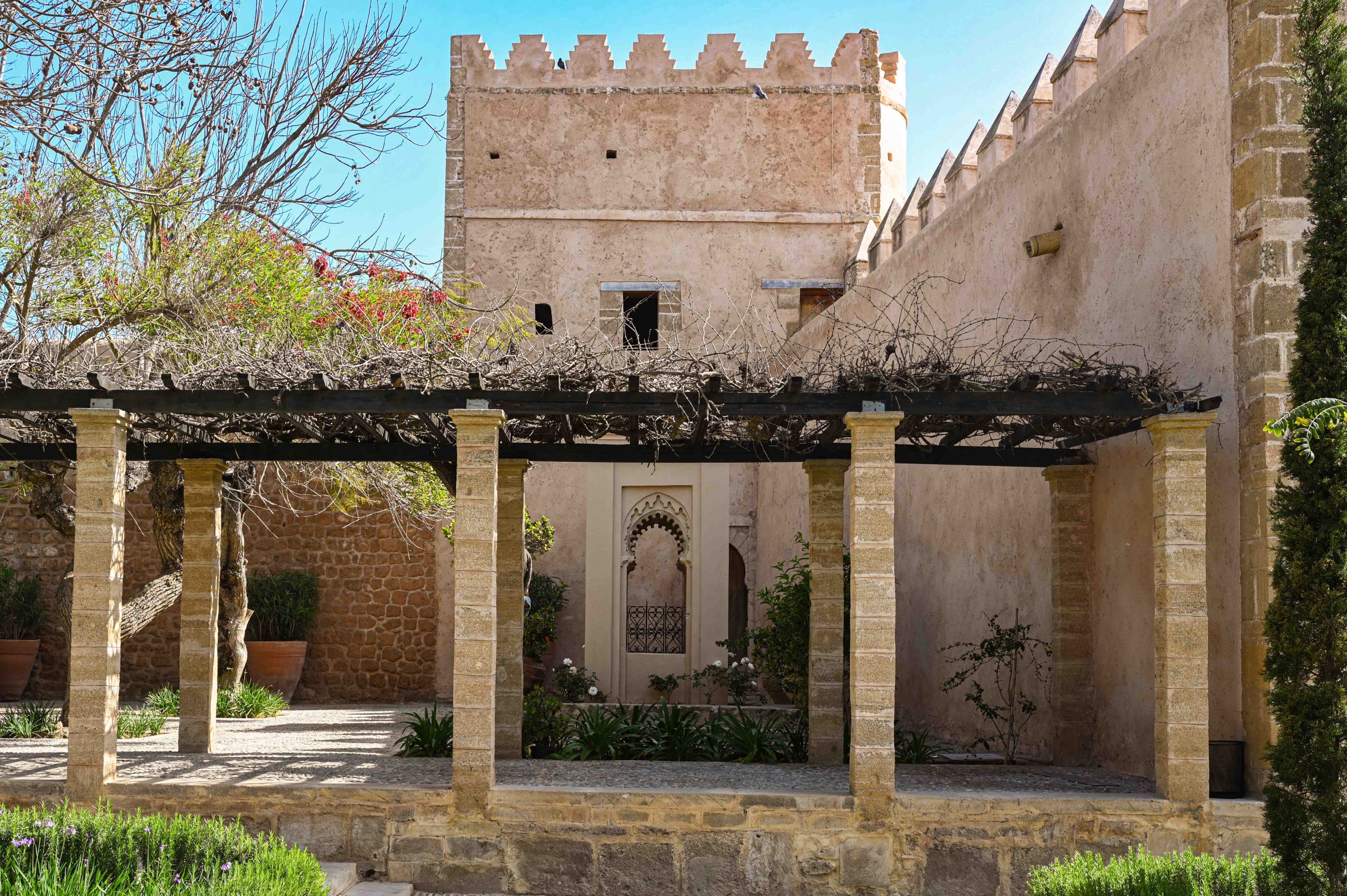
From there, we wandered into the Kasbah of the Udayas, a peaceful blue-and-white quarter perched above the Bou Regreg river, offering stunning views and a sense of timeless charm.
Glimpses of the Kasbah Udayas
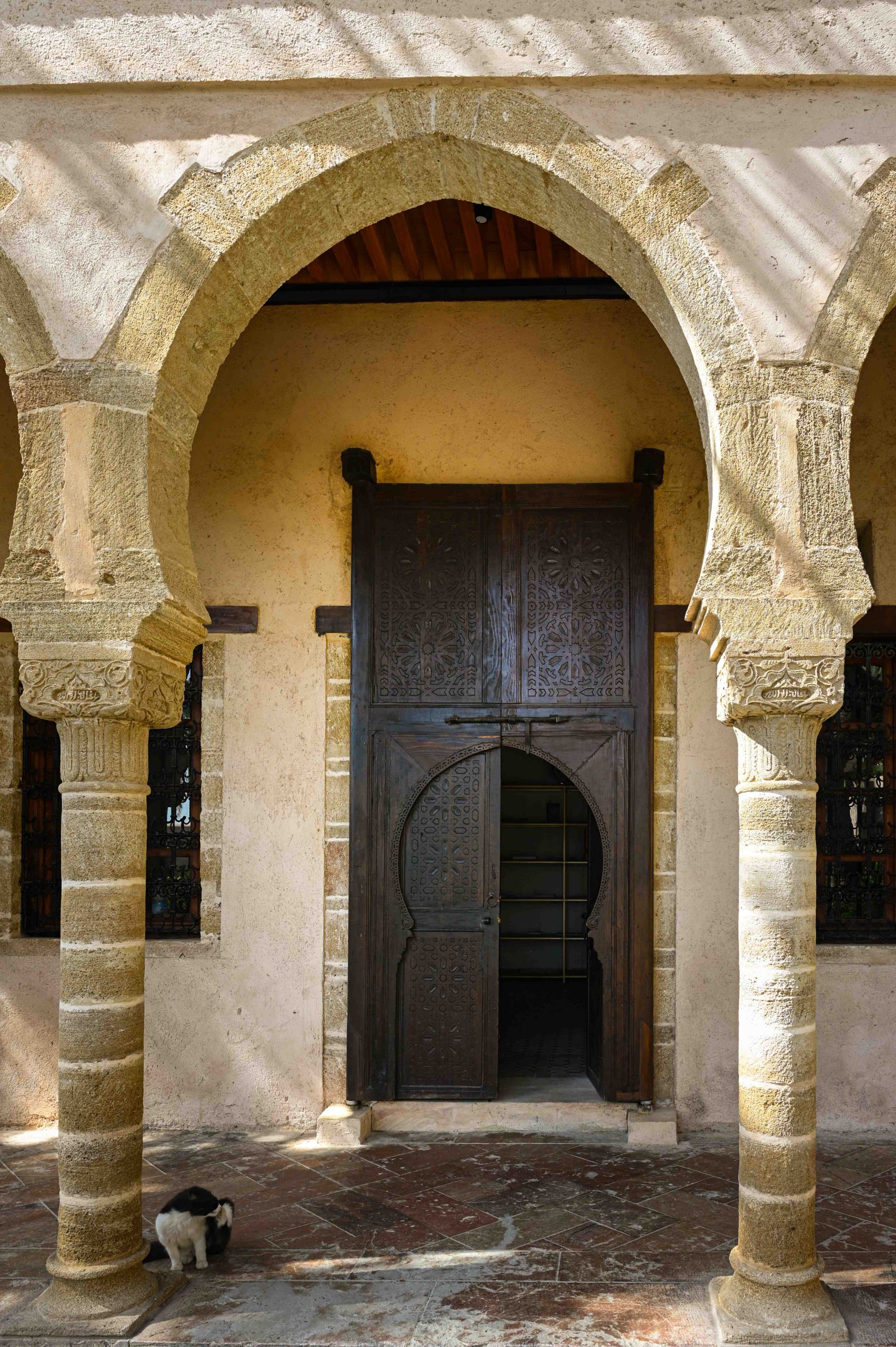
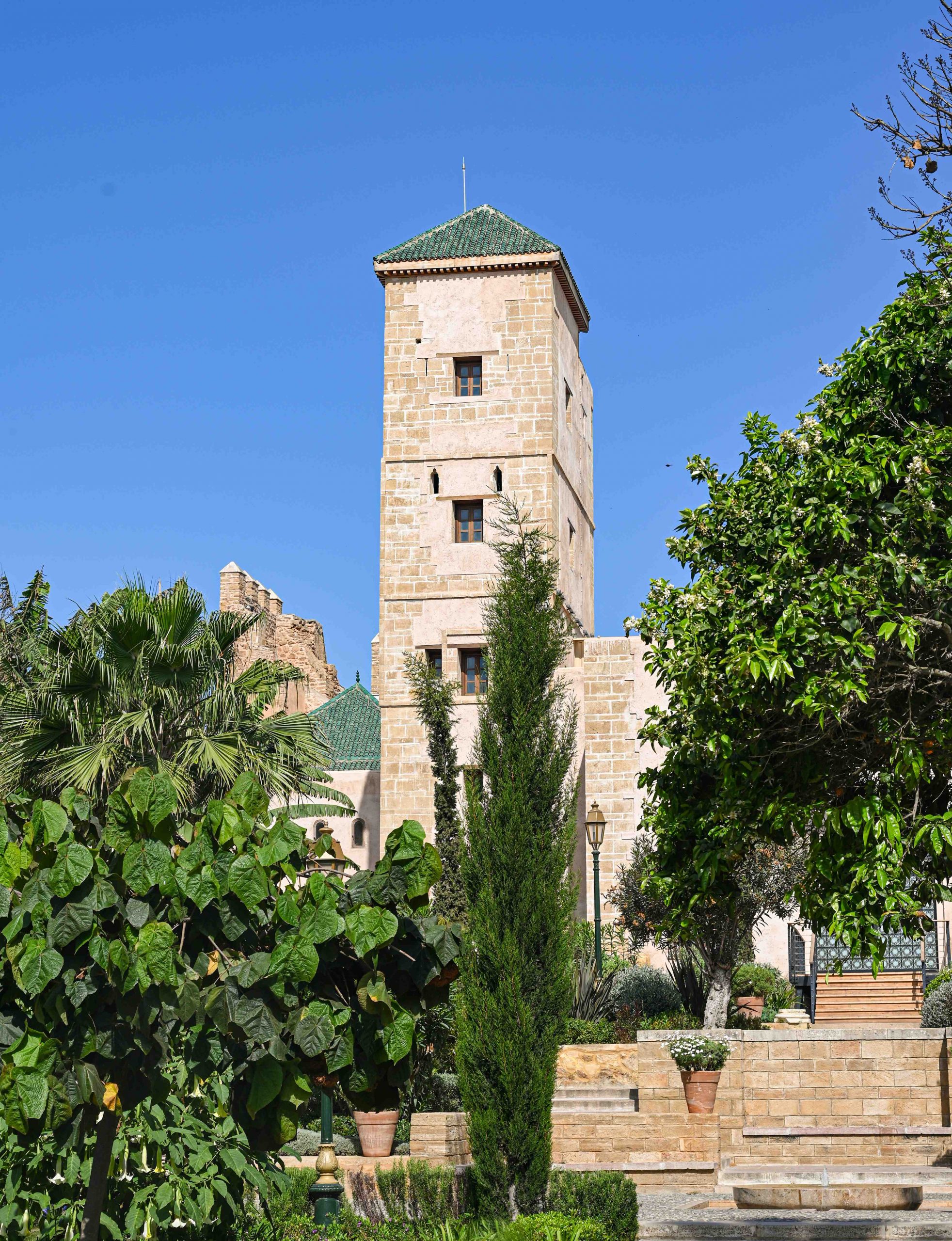
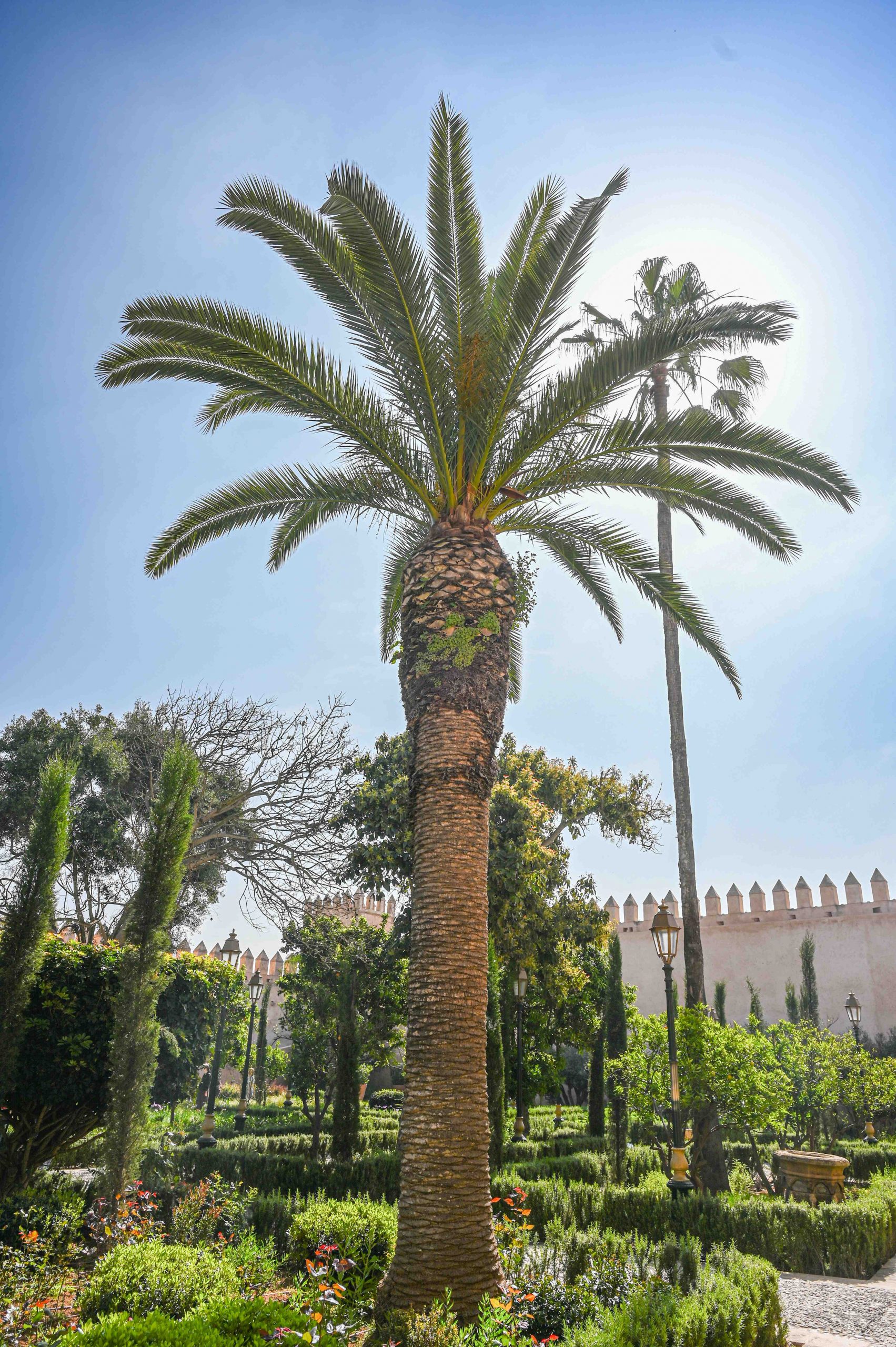
Tucked inside the historic Kasbah of the Udayas, the Andalusian Gardens in Rabat are a peaceful, beautifully laid-out space inspired by Moorish design. Created during the French Protectorate, the gardens are filled with orange and pomegranate trees, palms, fragrant herbs, and glimpses of the Bou Regreg river beyond, it’s a quiet escape that feels both intimate and timeless – a lovely contrast to the energy of the city just outside.
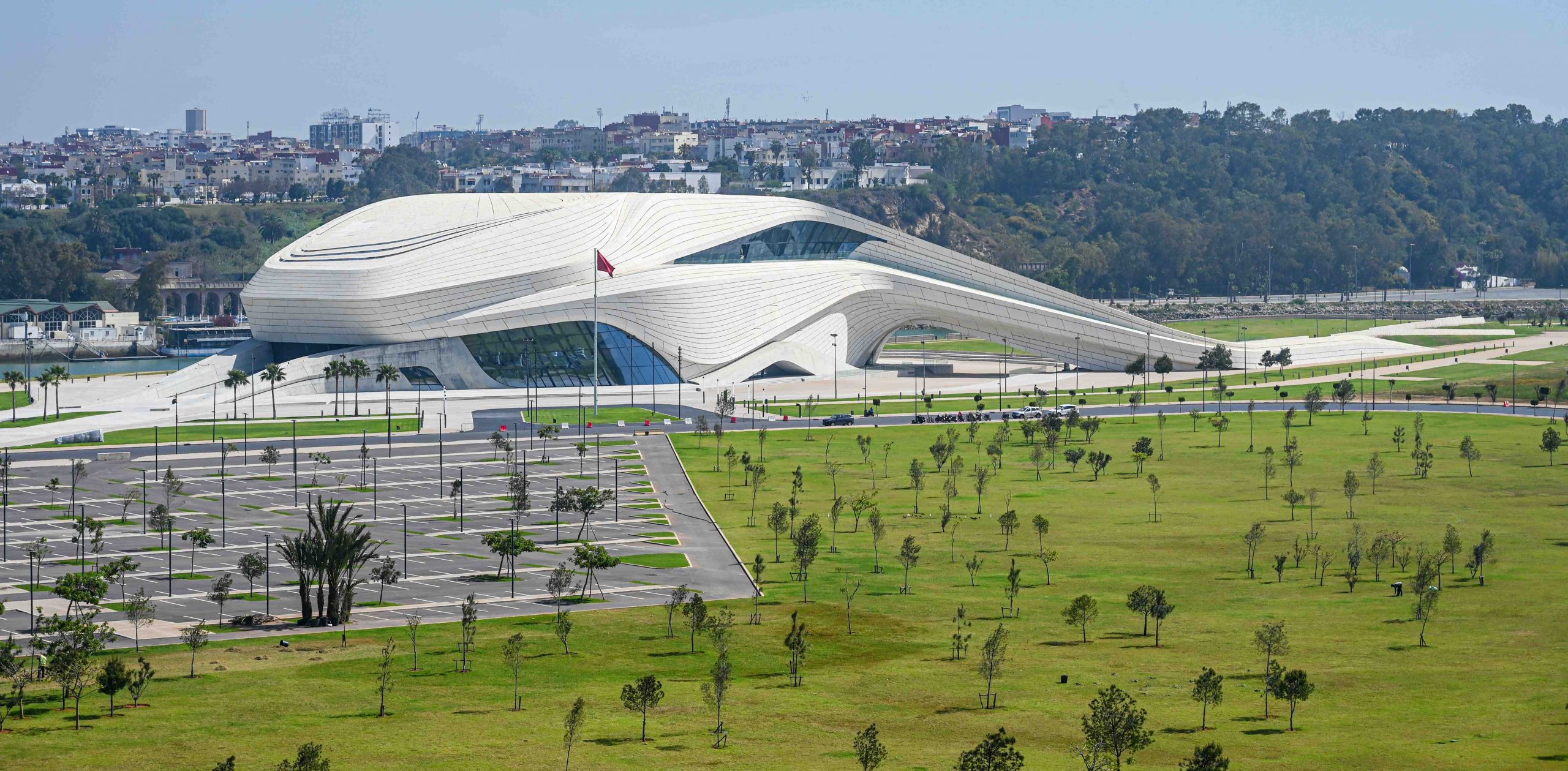
A striking contrast awaited us at the Grand Theatre of Rabat, a gleaming architectural marvel shaped like the head of a serpent. Sleek, bold, and futuristic, it felt like a symbol of Morocco’s forward-looking spirit – an elegant fusion of culture, creativity, and cutting-edge design.
After exploring Rabat, under a soft spring sky, we started our journey north.
By late afternoon, we were heading toward Tangier, where the Mediterranean breeze and the rhythm of the sea marked our Moroccan adventure.
Tangier: At the Edge of Two Worlds
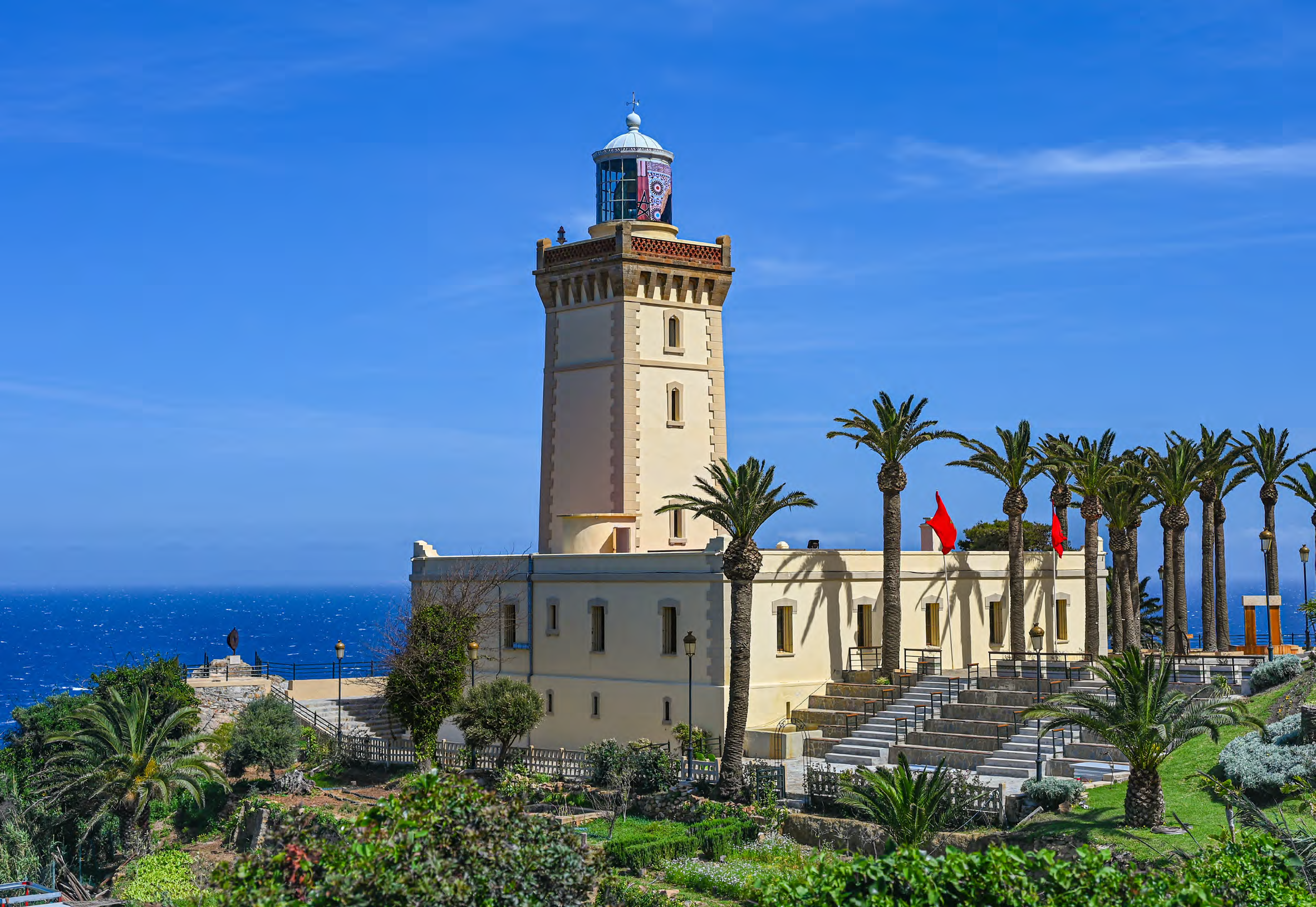
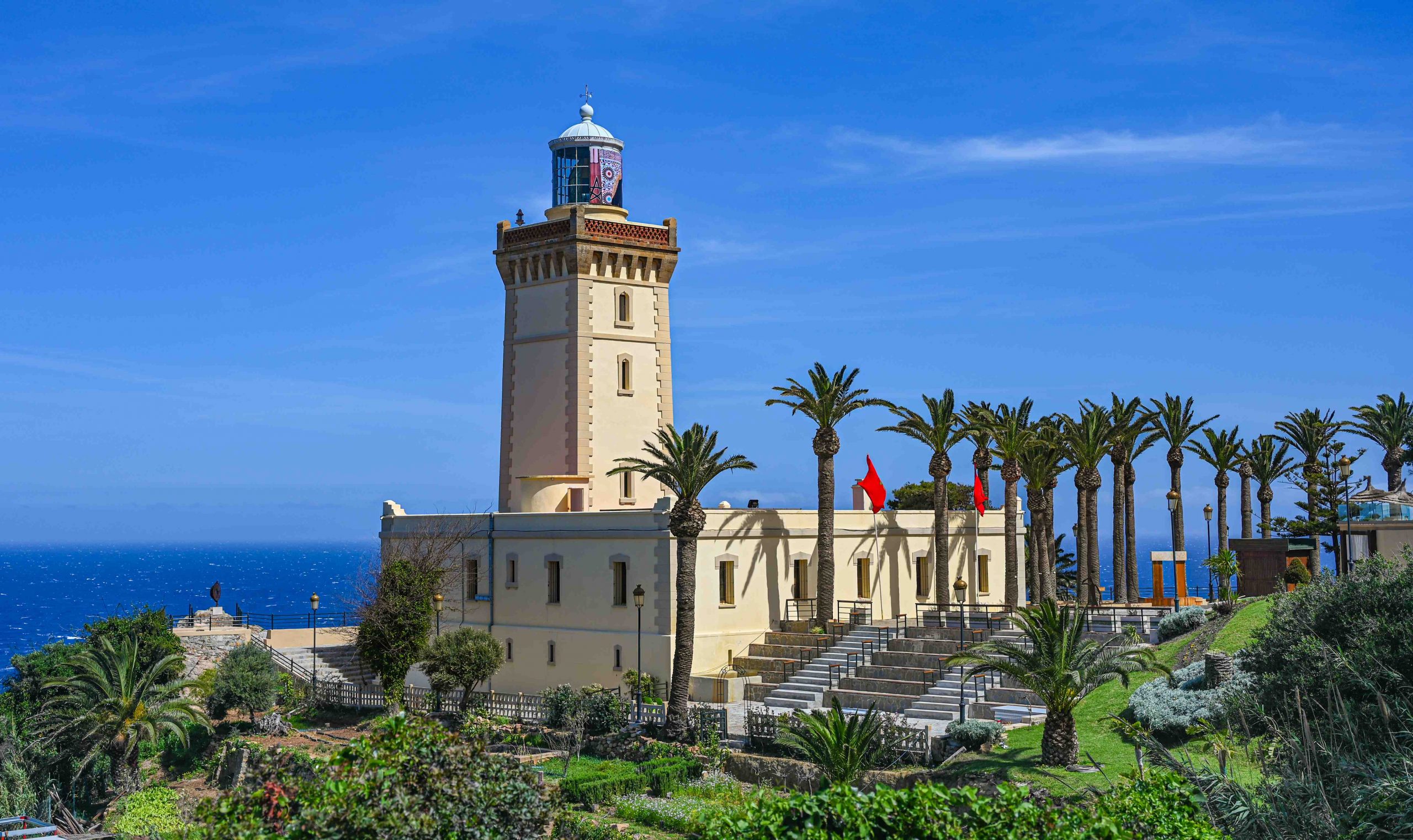
In Tangier, Morocco reveals one of its most striking landscapes—where the Atlantic Ocean meets the Strait of Gibraltar in a dramatic clash of waters. At Cape Spartel, the northernmost point of mainland Africa, we stood by the historic lighthouse atop Jebel Quebir, watching the coastline fade into mist and myth.
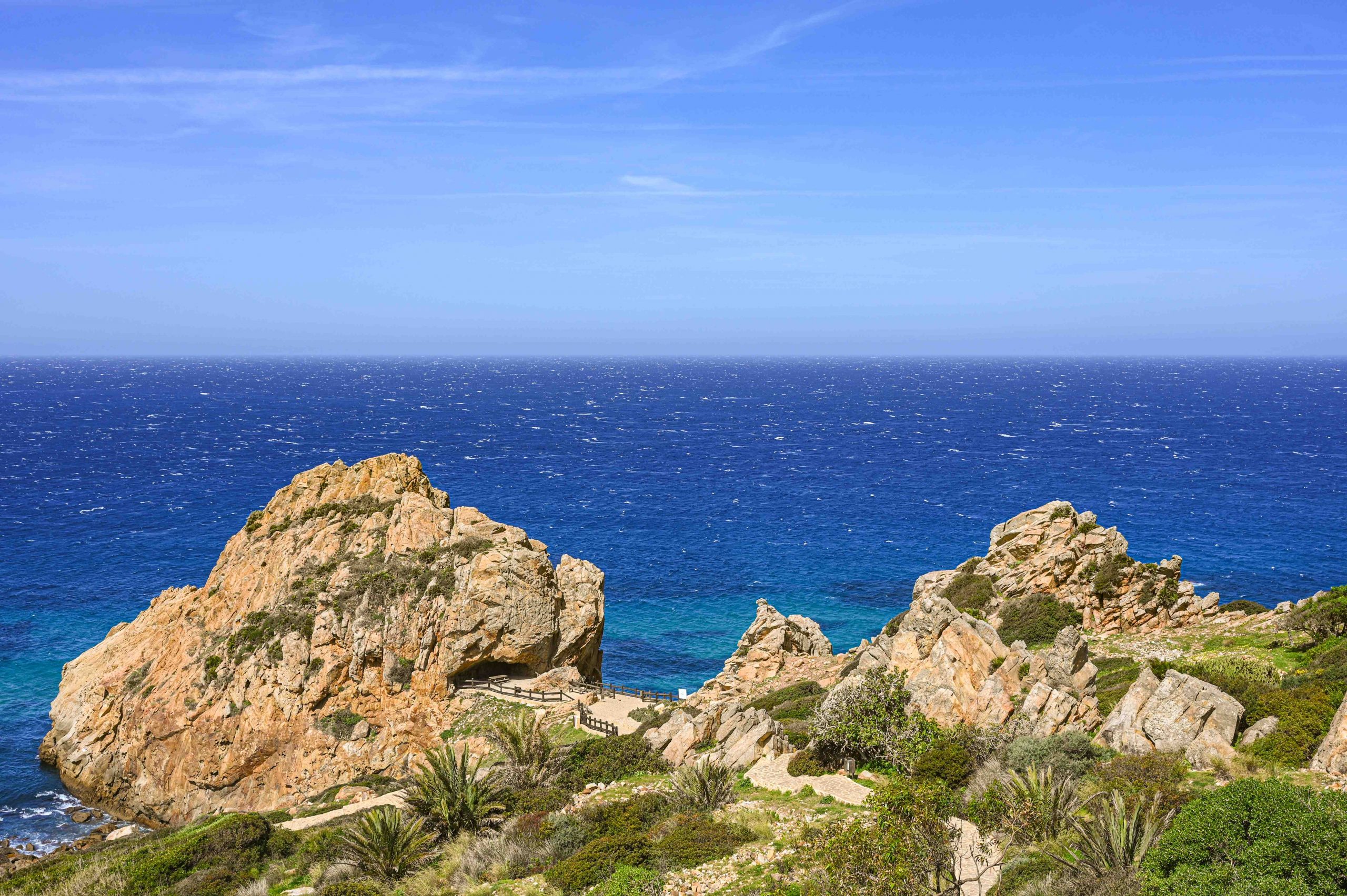
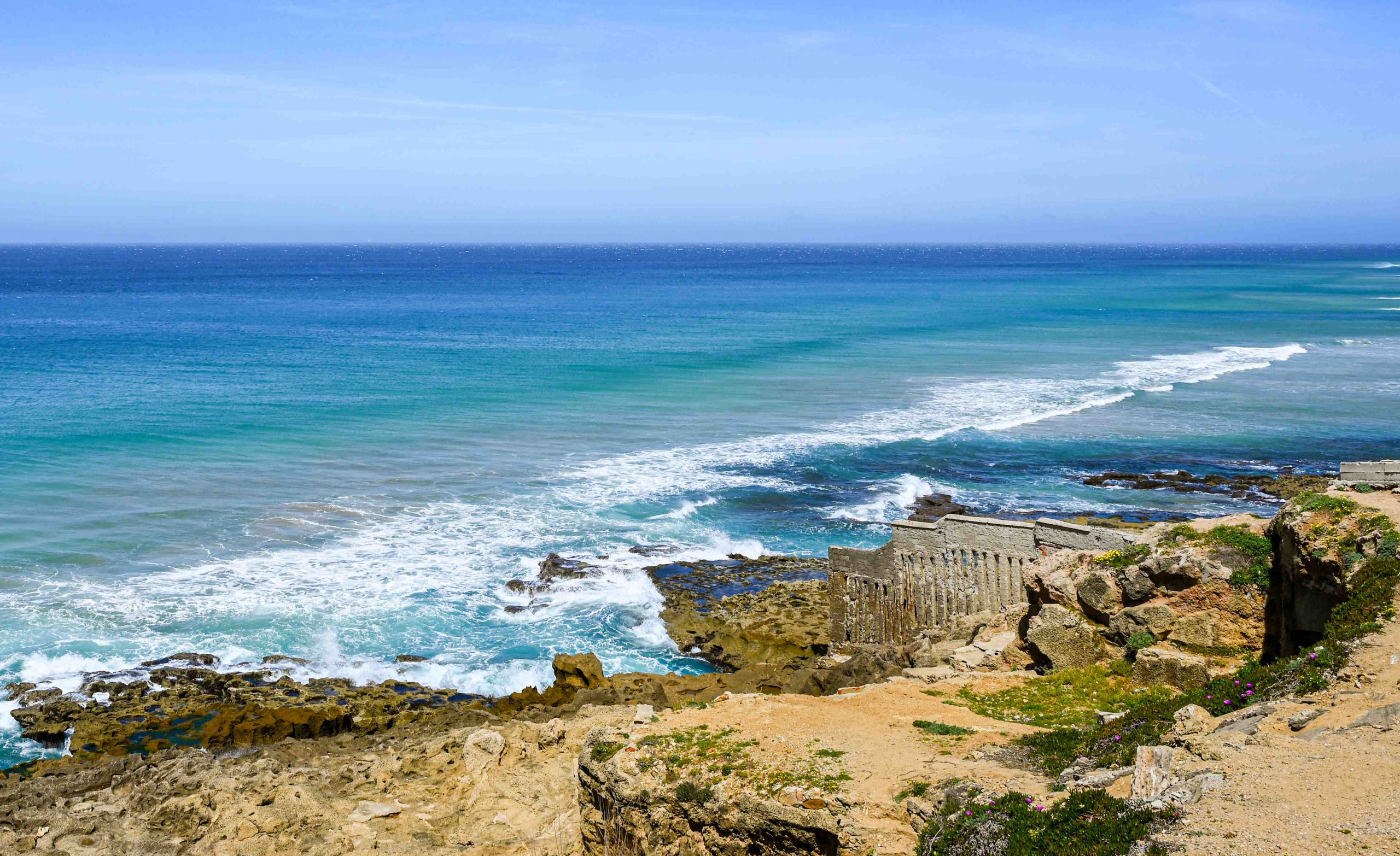
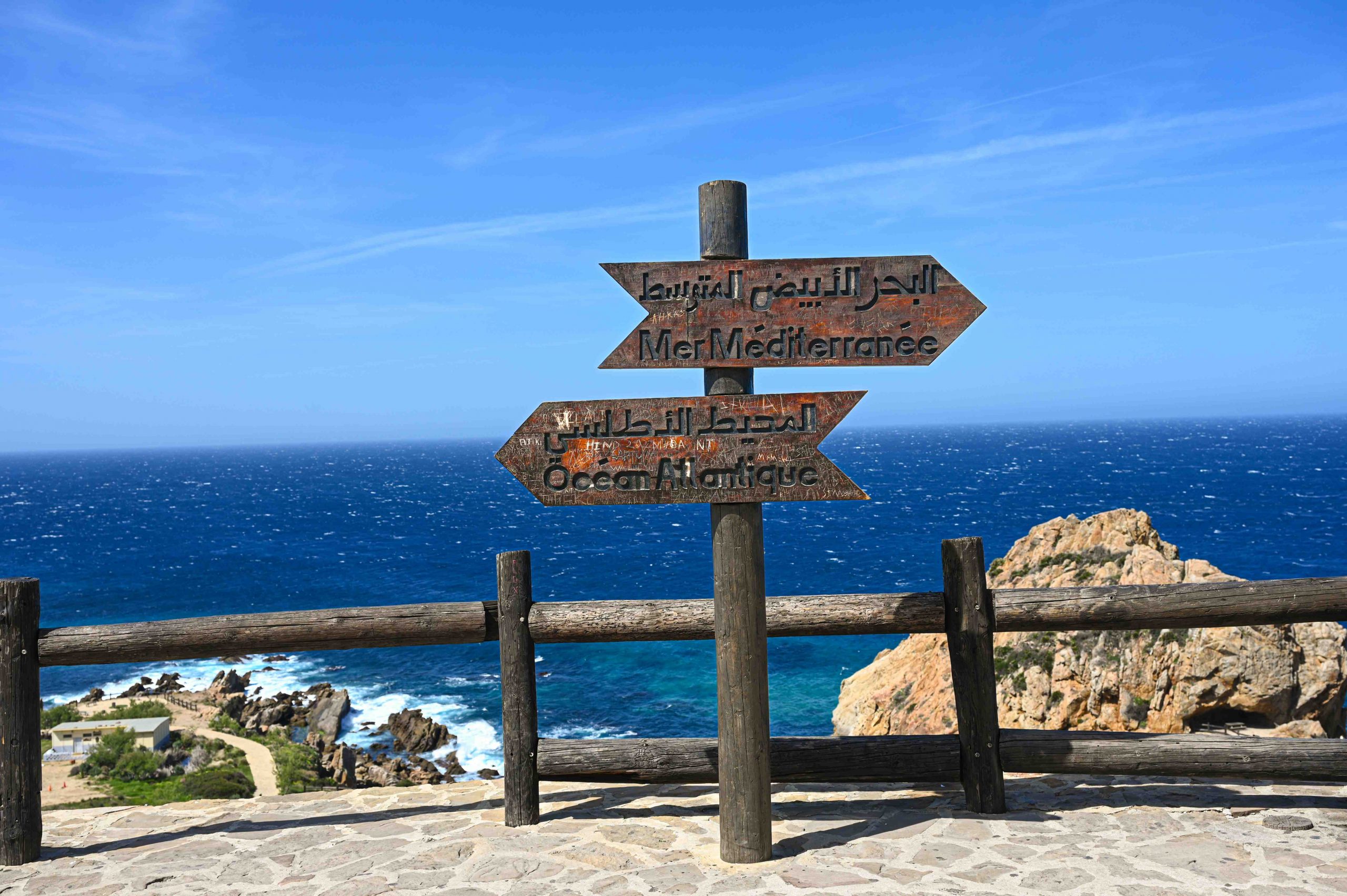
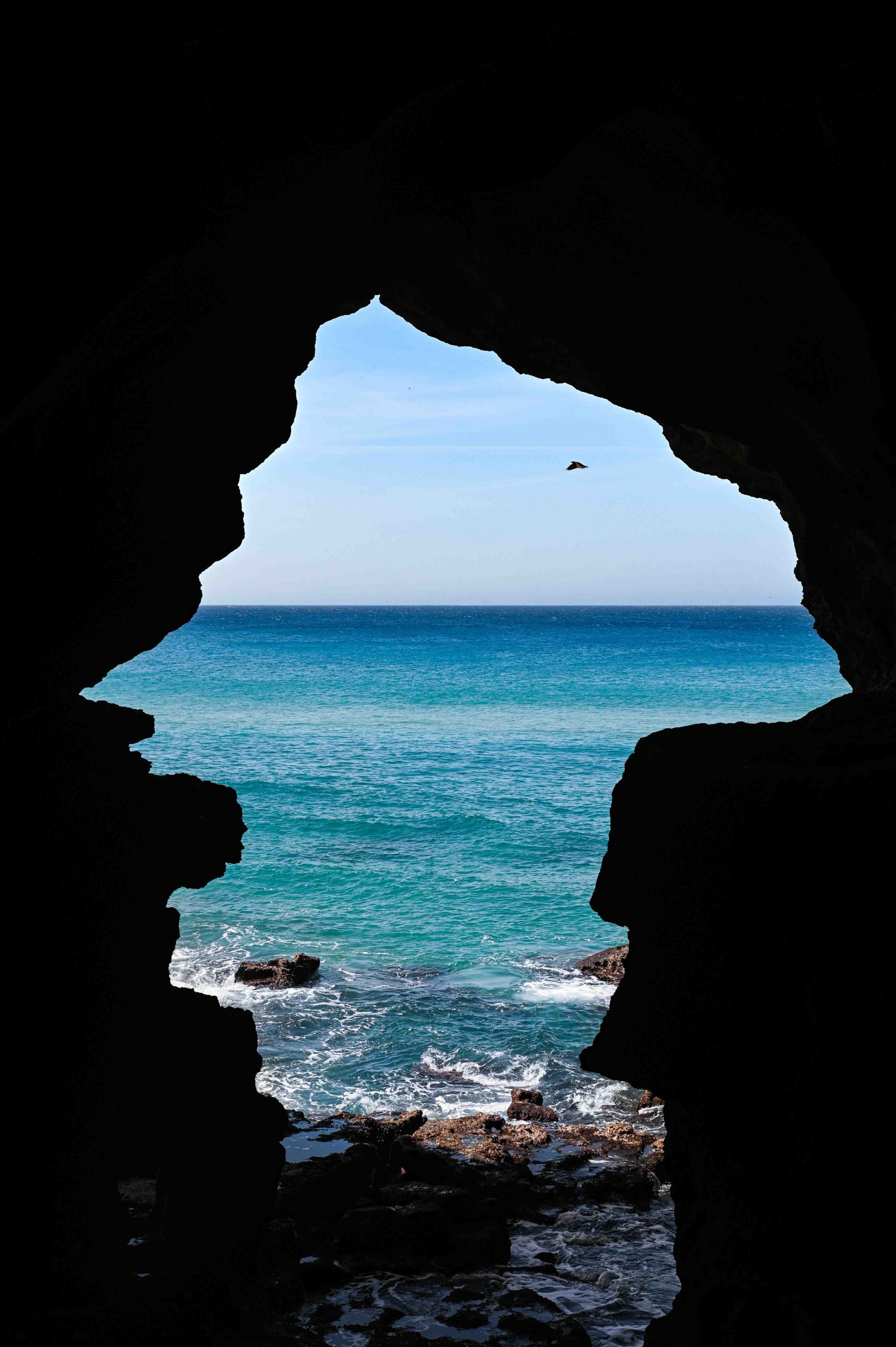
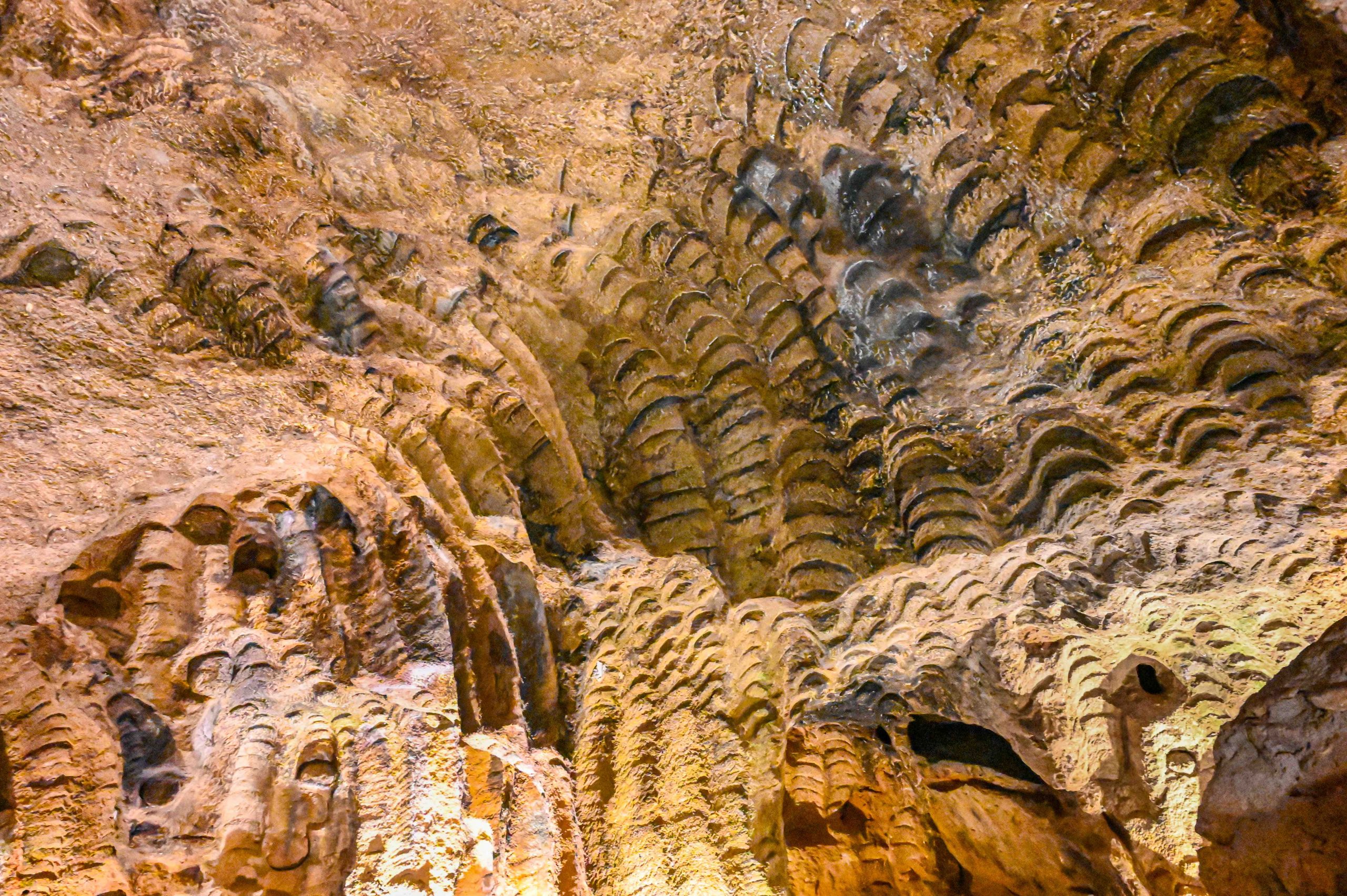
A short drive took us to the mysterious Caves of Hercules, a natural grotto steeped in myth and mystery. Legend has it that Hercules rested here after separating Africa from Europe. The cave’s silhouette, which resembles the shape of the African continent when viewed from the sea, adds a mystical element to this natural marvel. The wind was so strong, that the spray of the water flew against the waves.
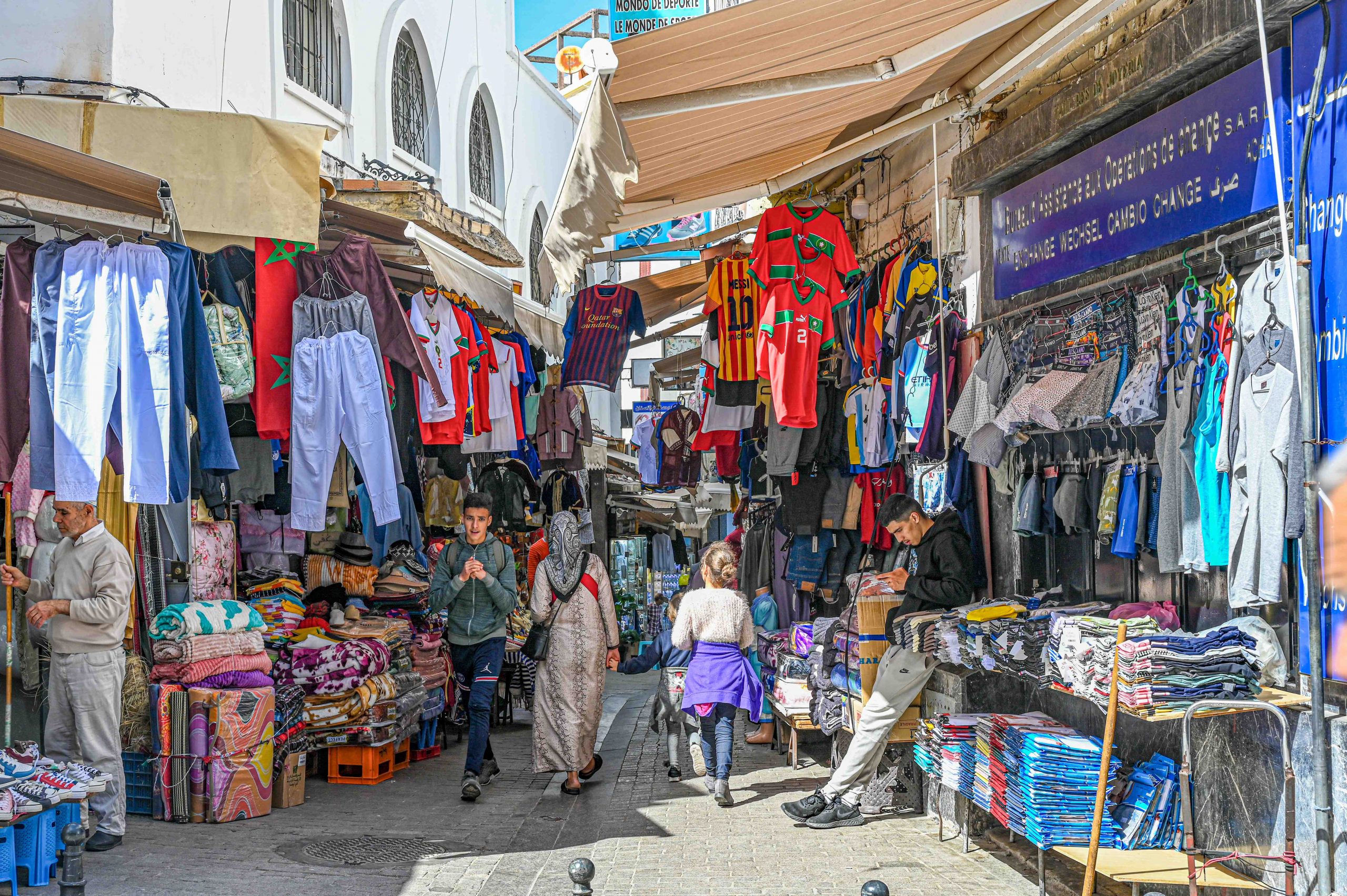
Lunch was a luxurious pause before we wandered through the Kasbah district, browsing traditional handicrafts in the old medina’s quiet alleys. Our final stop offered a view of a majestic minaret rising above the sea, a poetic farewell from a city that stands between continents and centuries.
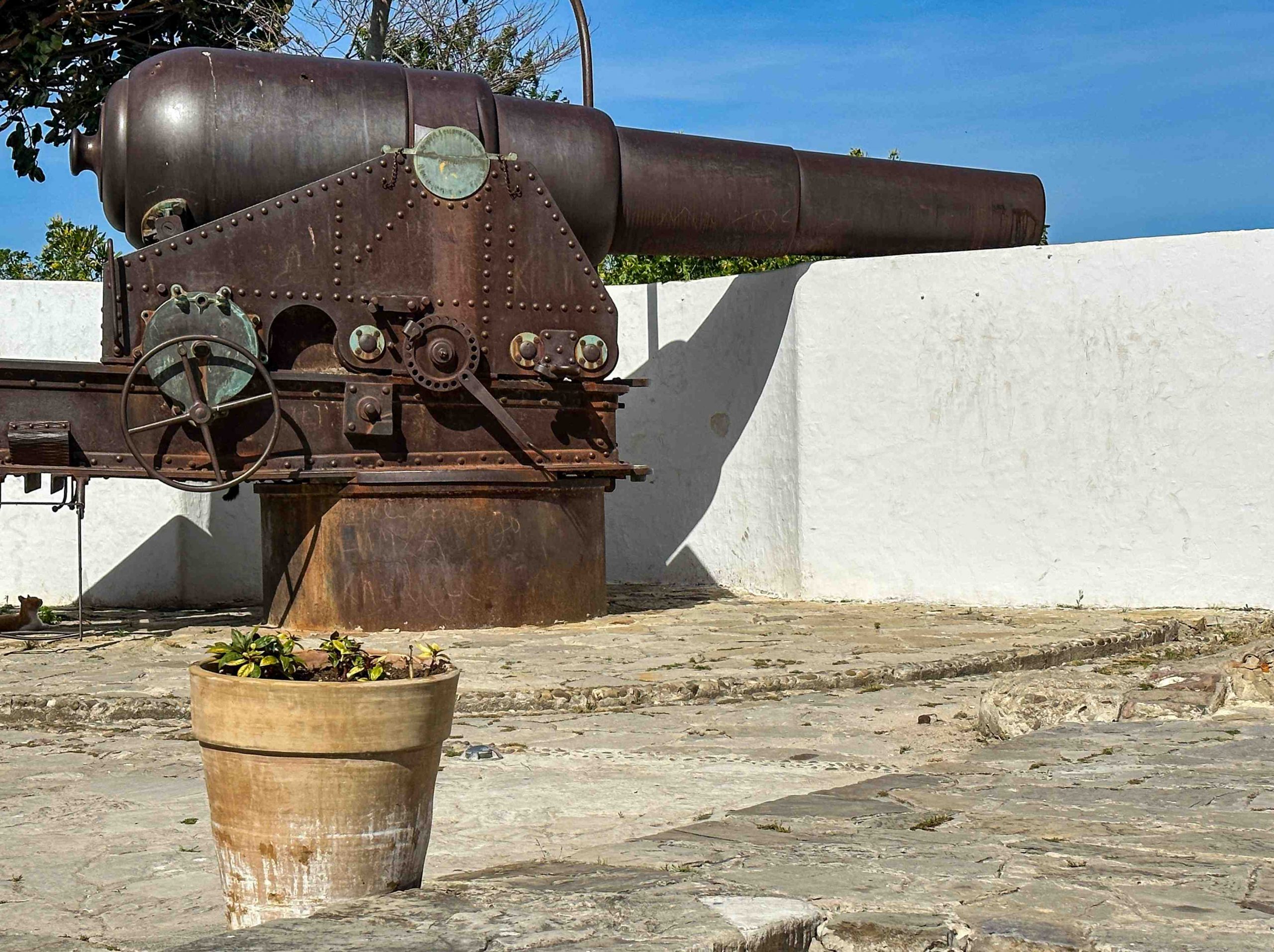
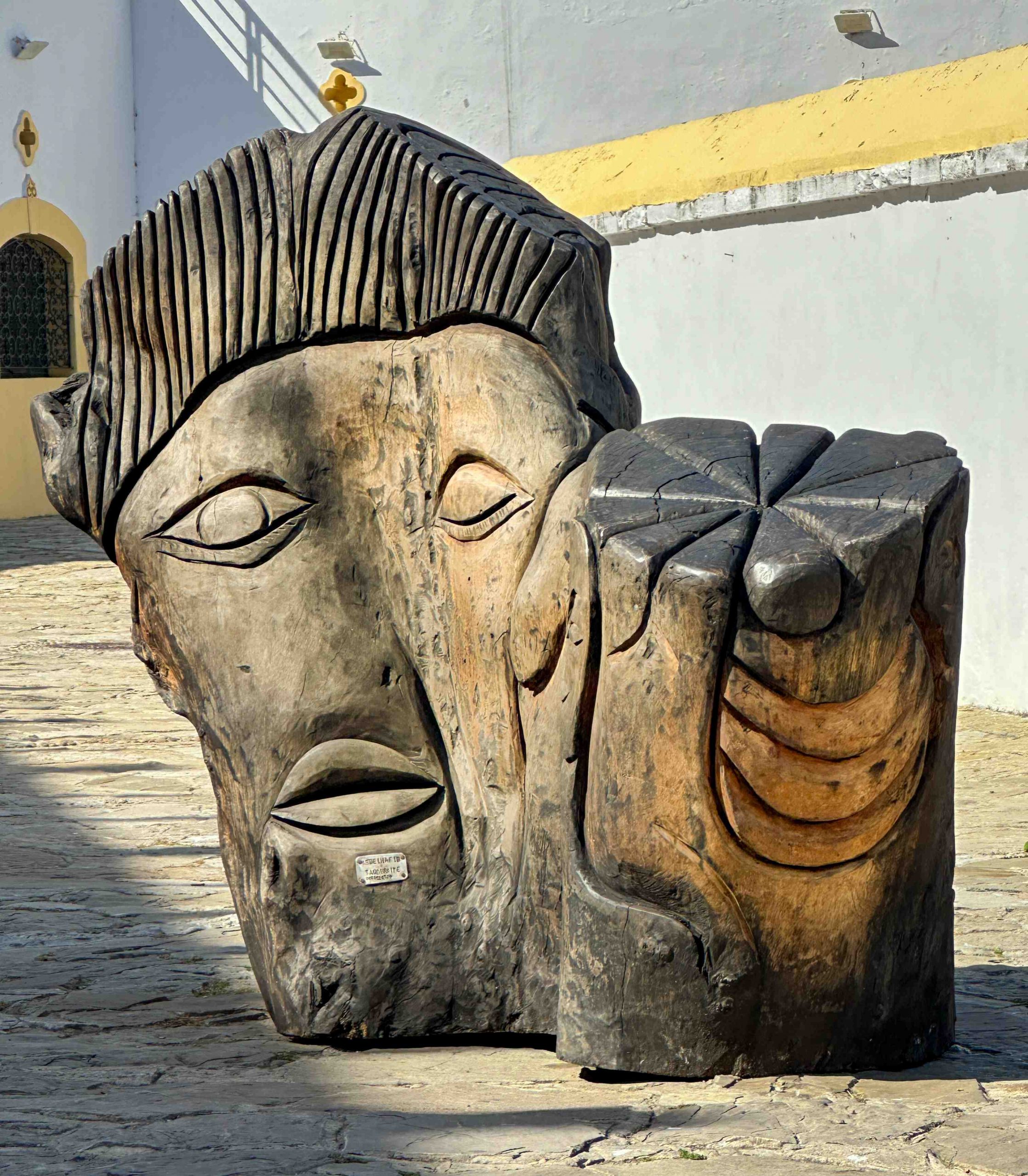
A Tapestry in Stone and Tile
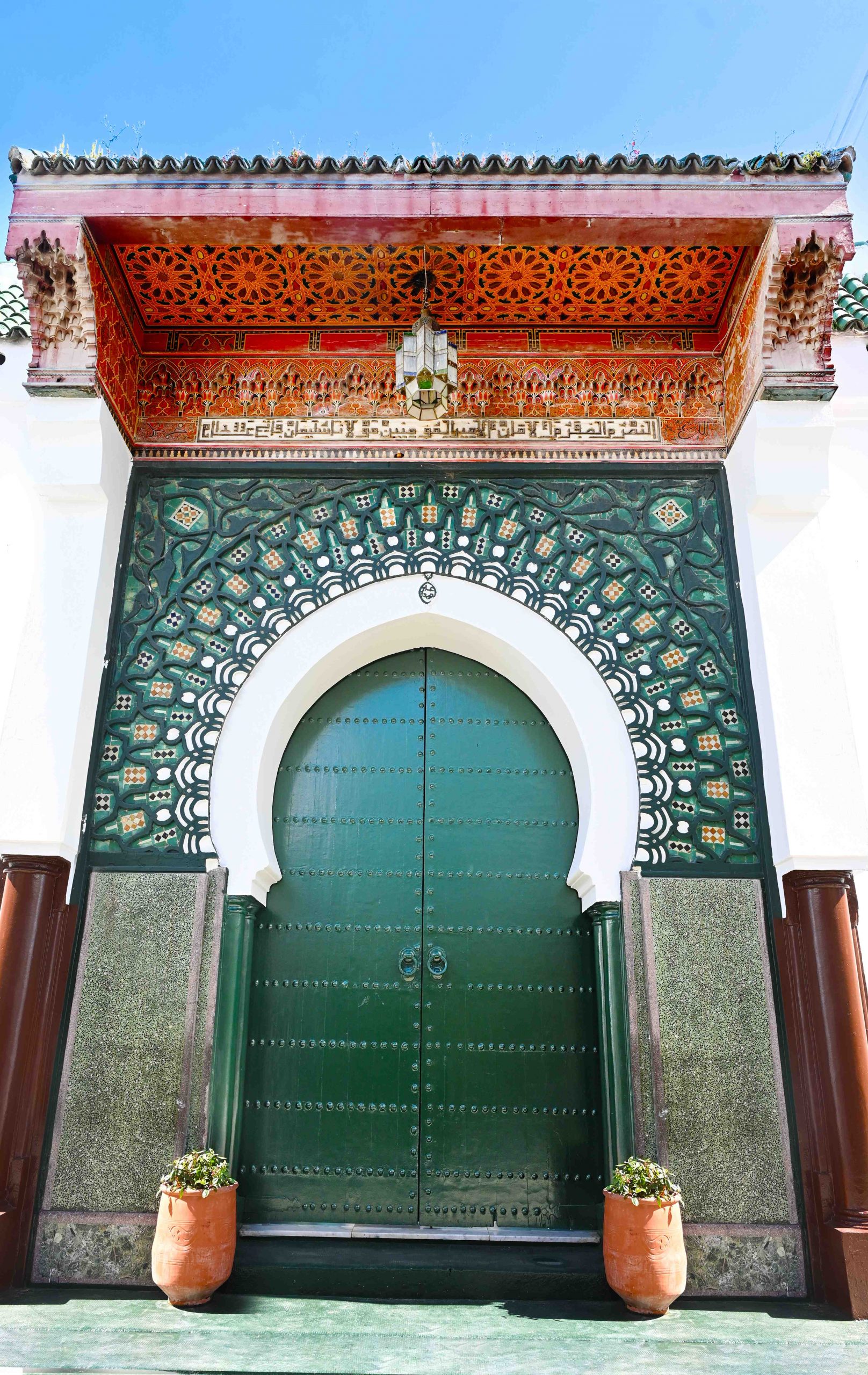
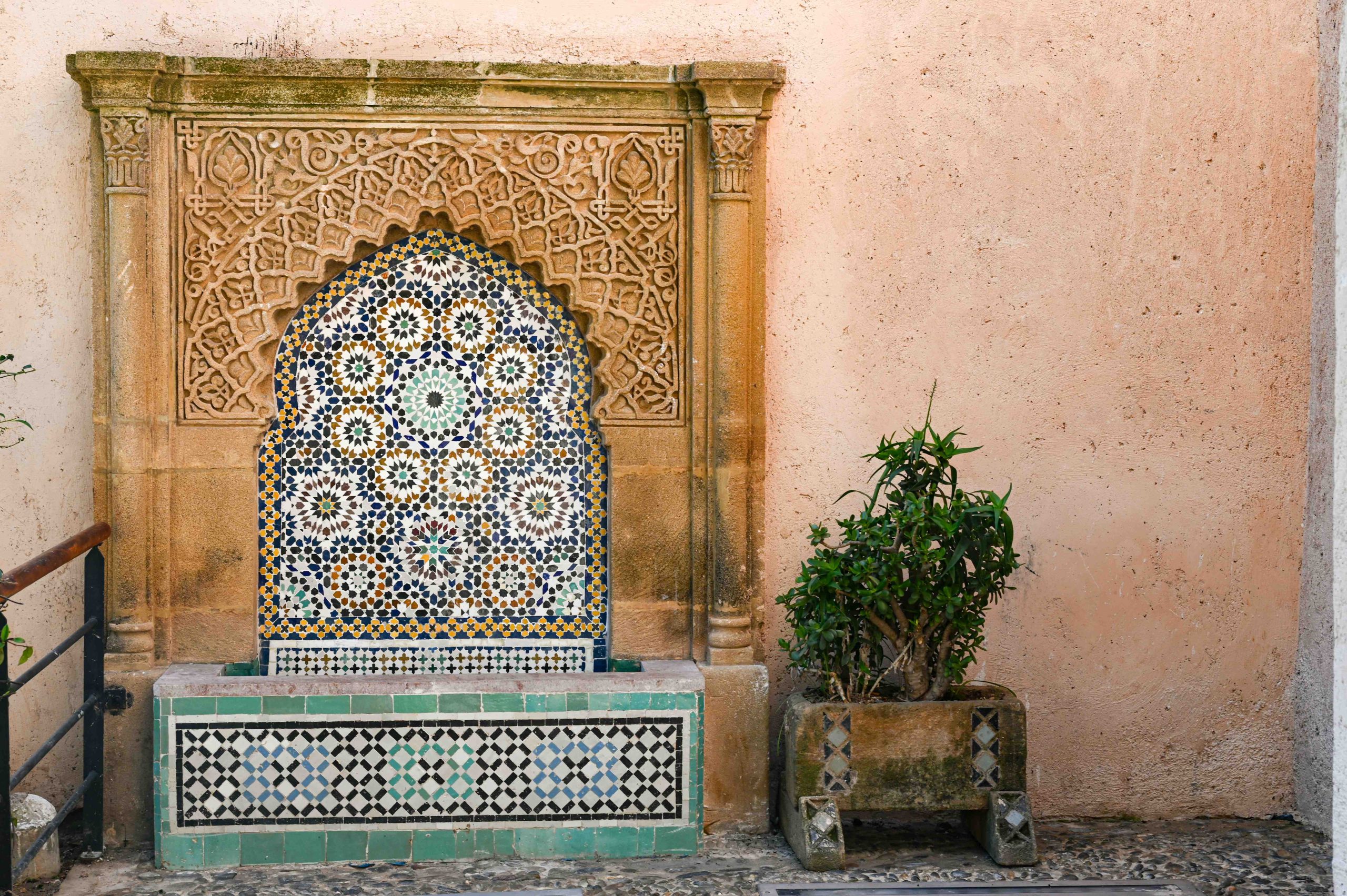
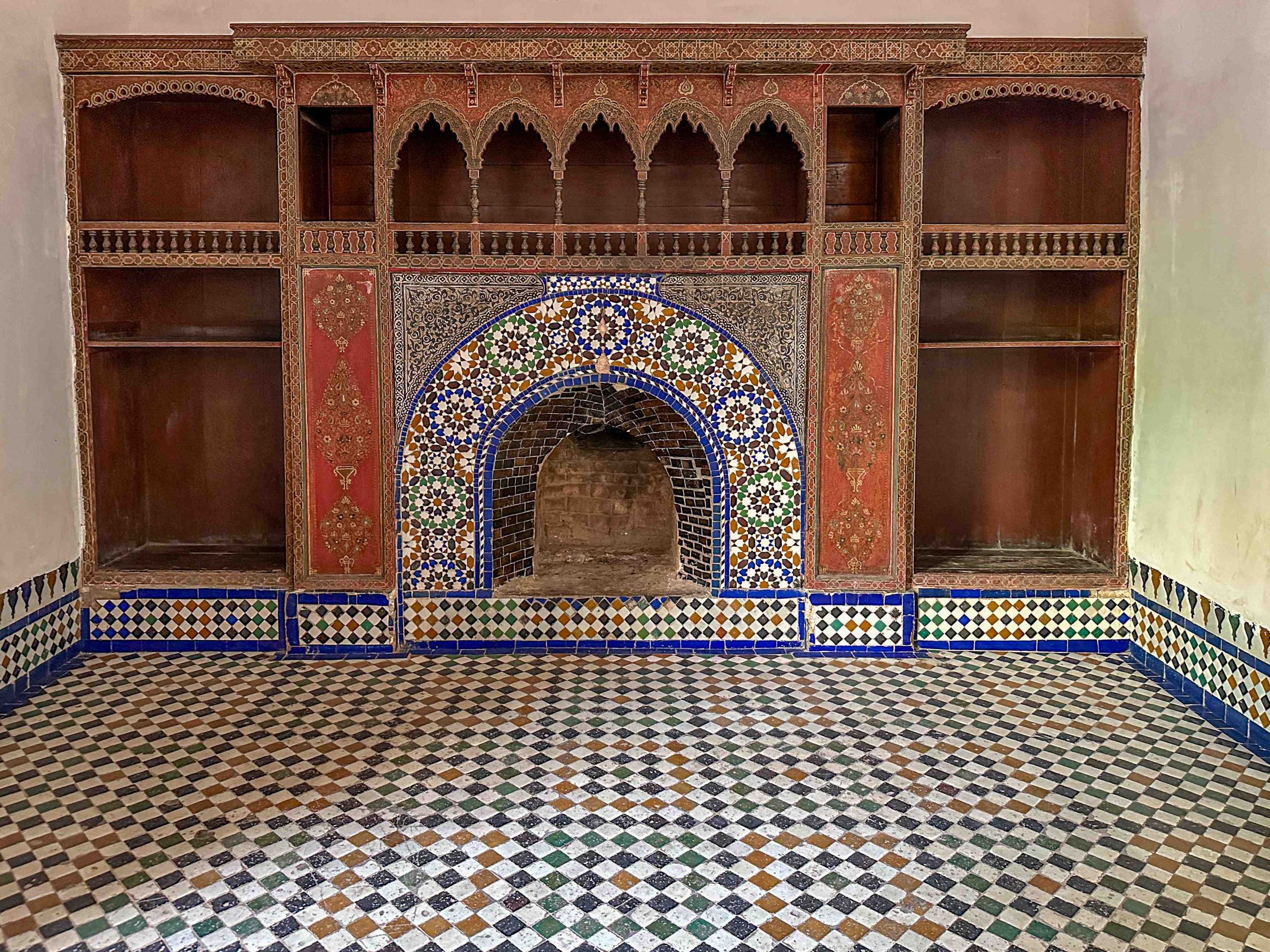
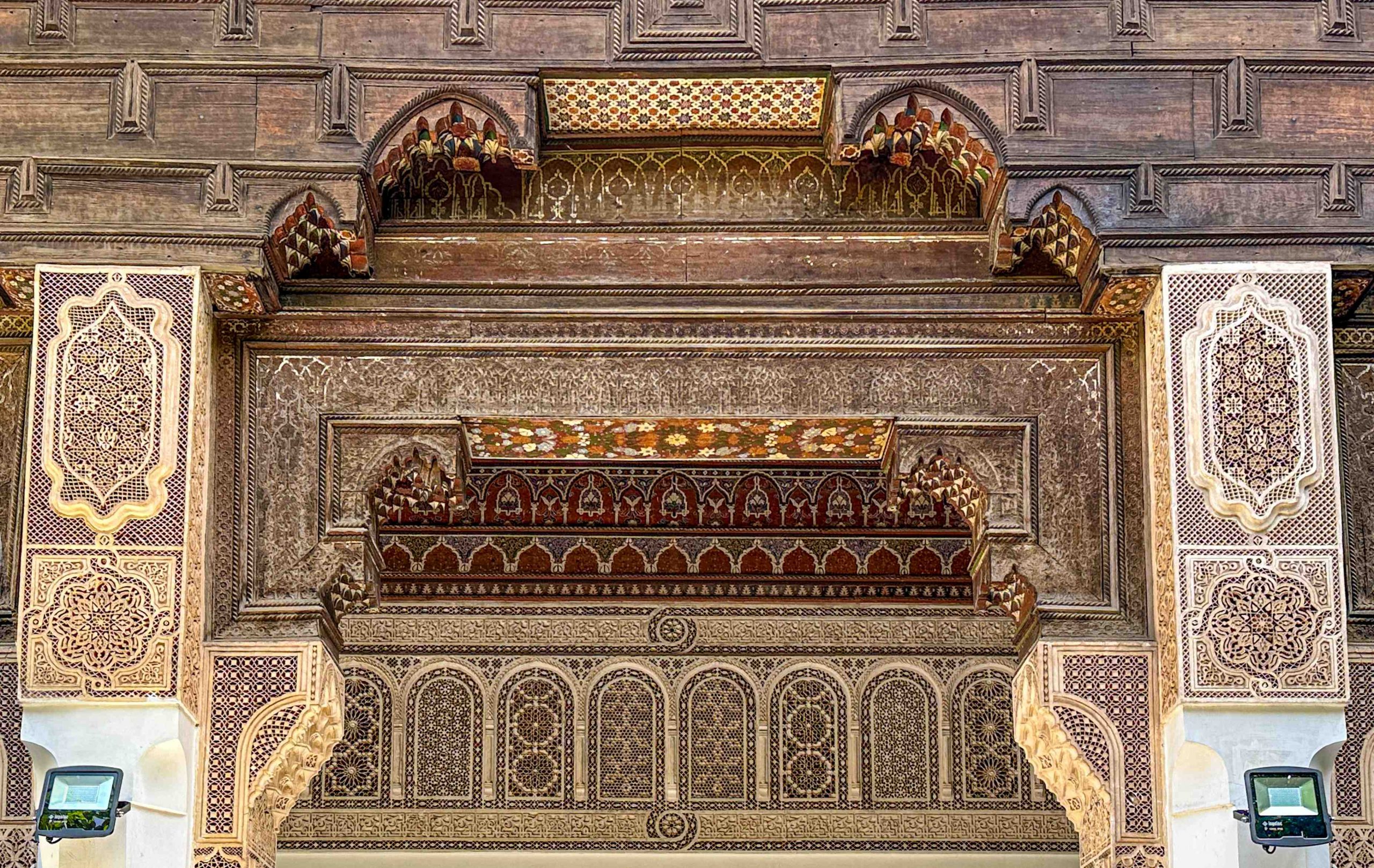
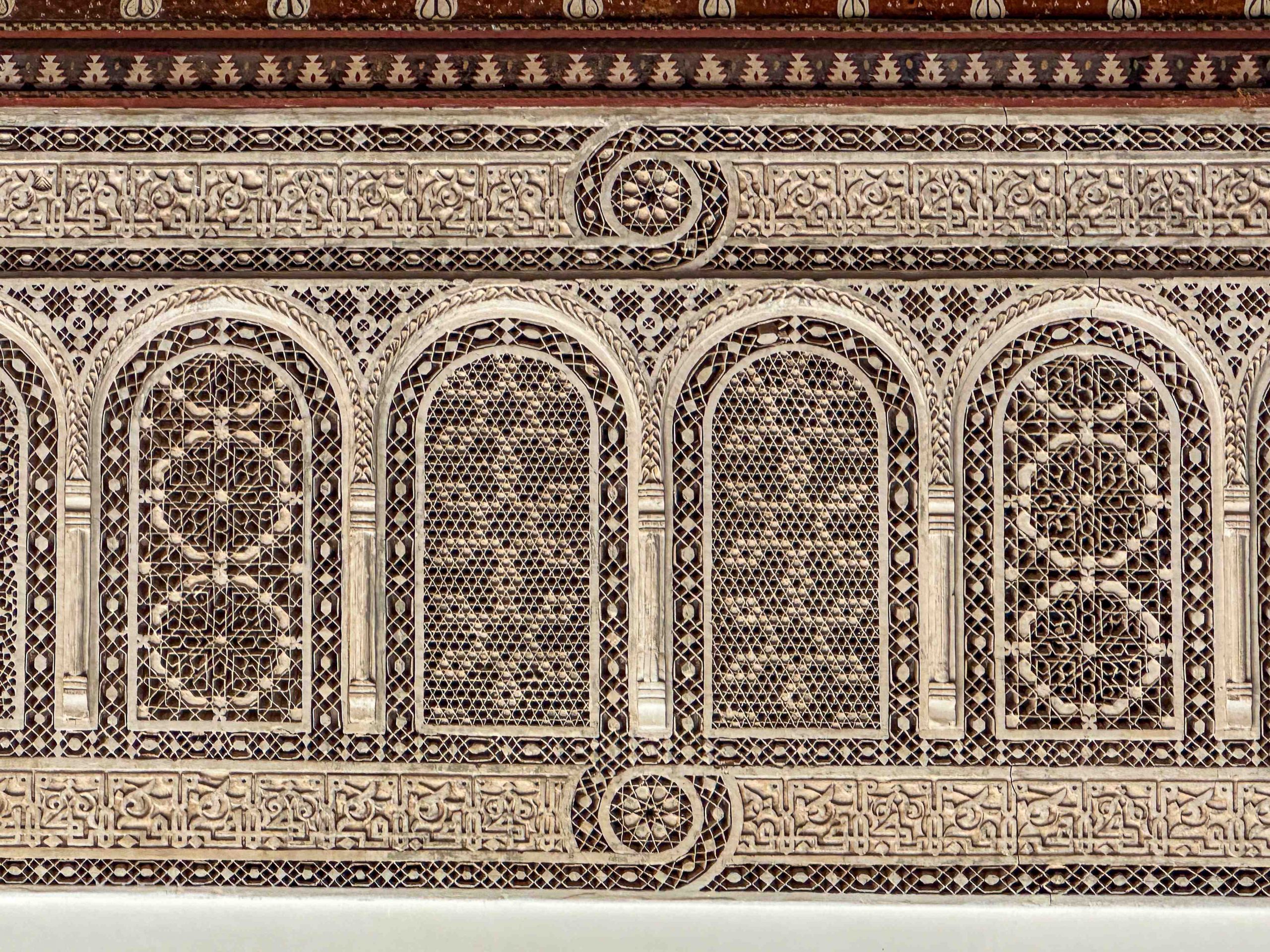
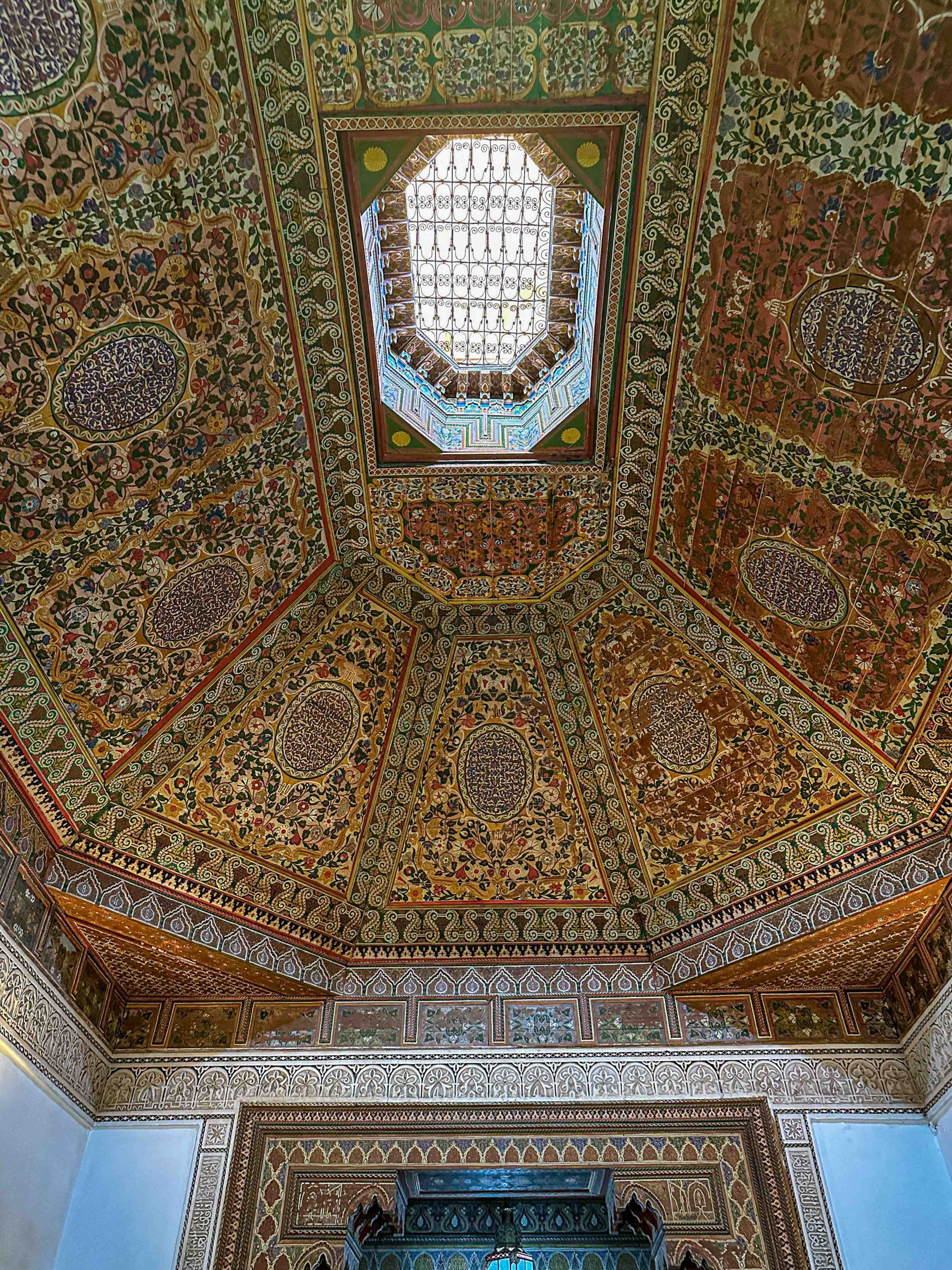
Moroccan architecture is a feast for the eyes—ornate, geometric, and deeply symbolic. Influenced by Berber, Arab, Moorish, and Andalusian styles, it balances grandeur with intimacy. You’ll find sweeping horseshoe arches, intricately carved cedarwood ceilings, keyhole doorways, and tranquil inner courtyards called riads, often built around a central fountain or orange tree.
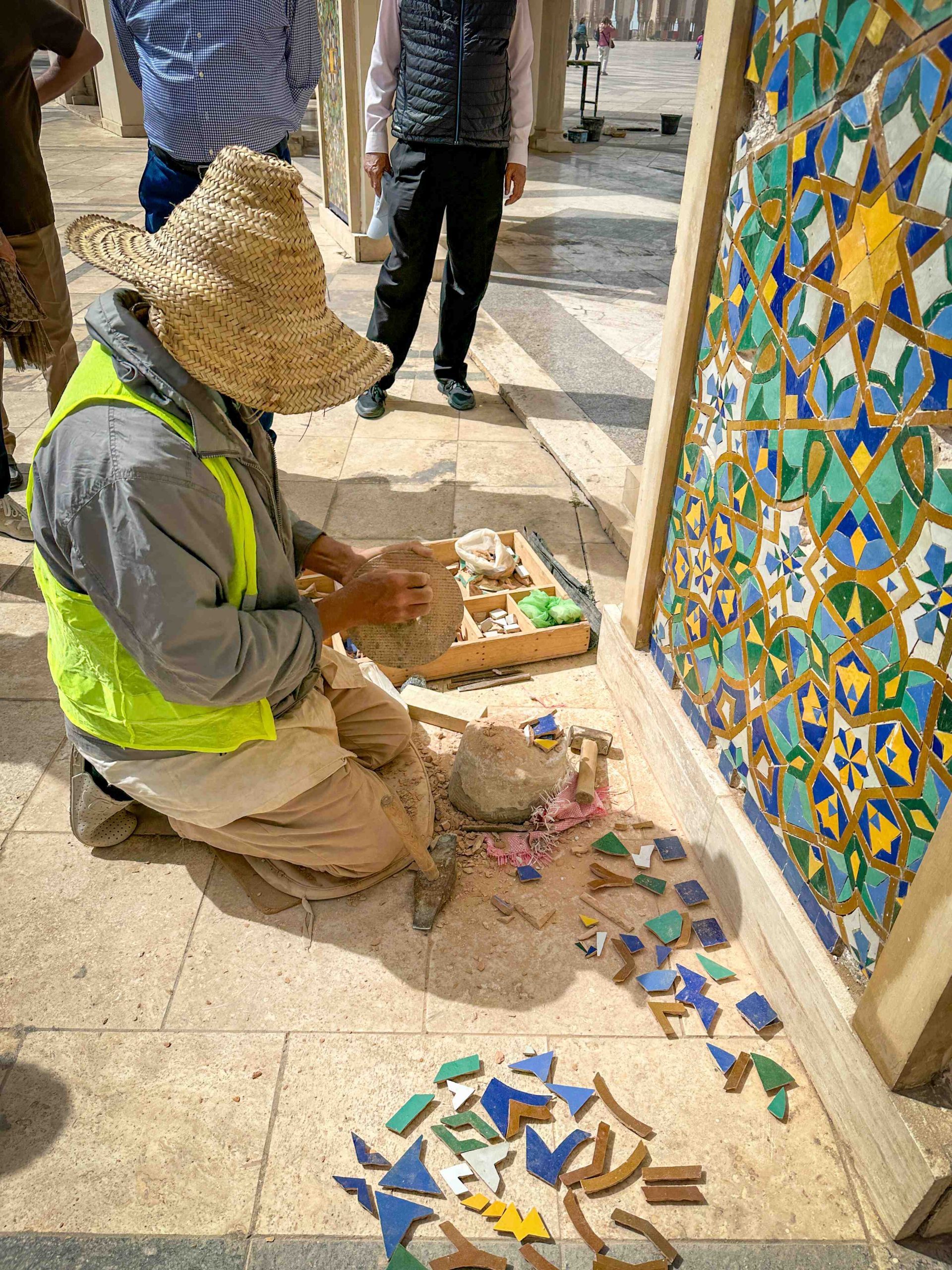
Perhaps most captivating of all is the traditional mosaic art known as Zellige – a painstaking process, handed down through generations. Each piece is chipped and shaped by hand and then assembled like a puzzle. This art adorn fountains, mosque courtyards and palace walls. The patterns are never figurative, in keeping with Islamic traditions, but they feel alive: kaleidoscopic, rhythmic, and mesmerizing.
The next day we headed to Marrakesh, stopping on our way to see the Hassan II Mosque in Casablanca.
Hassan II Mosque: Faith Etched in Stone and Sea
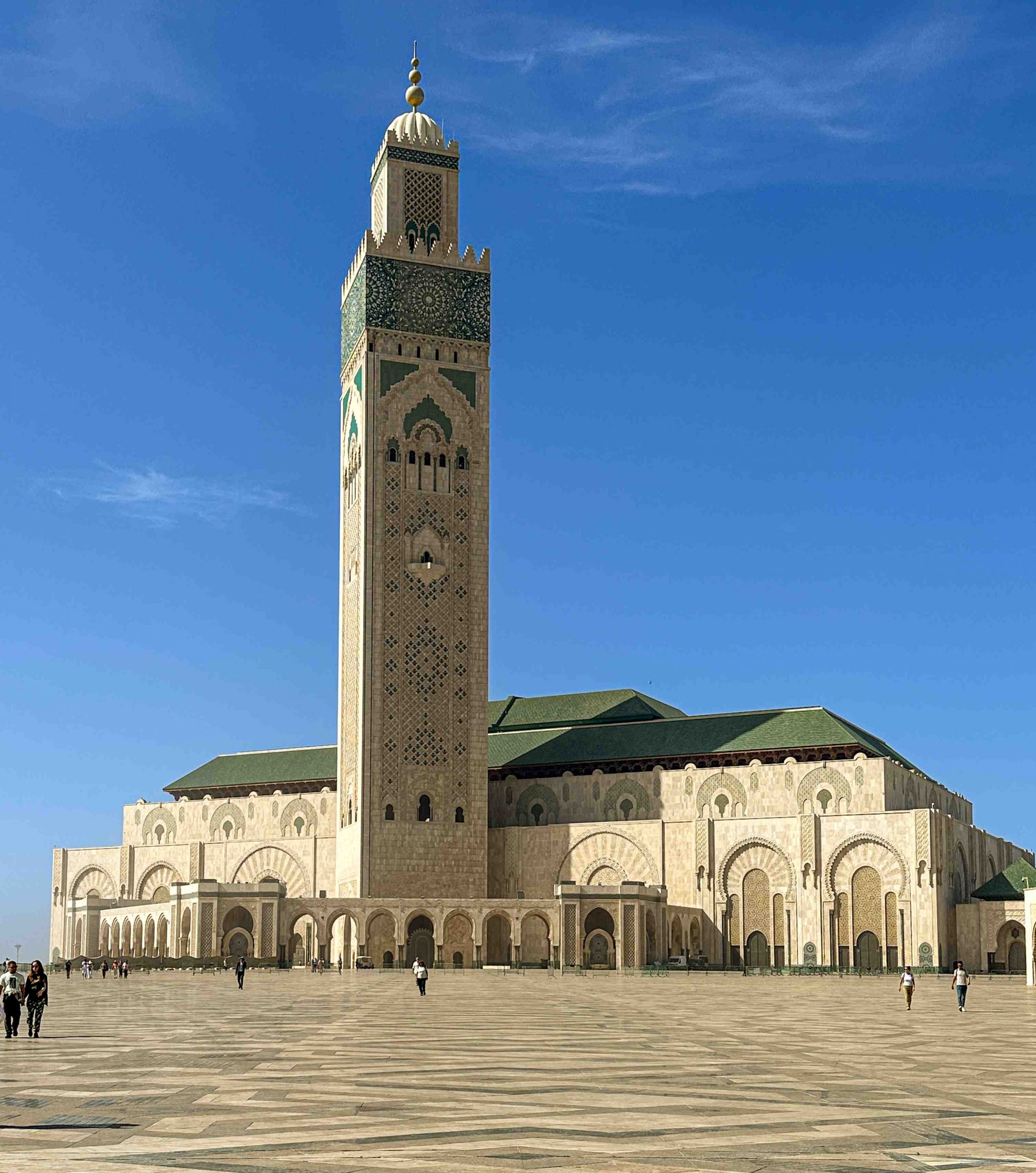
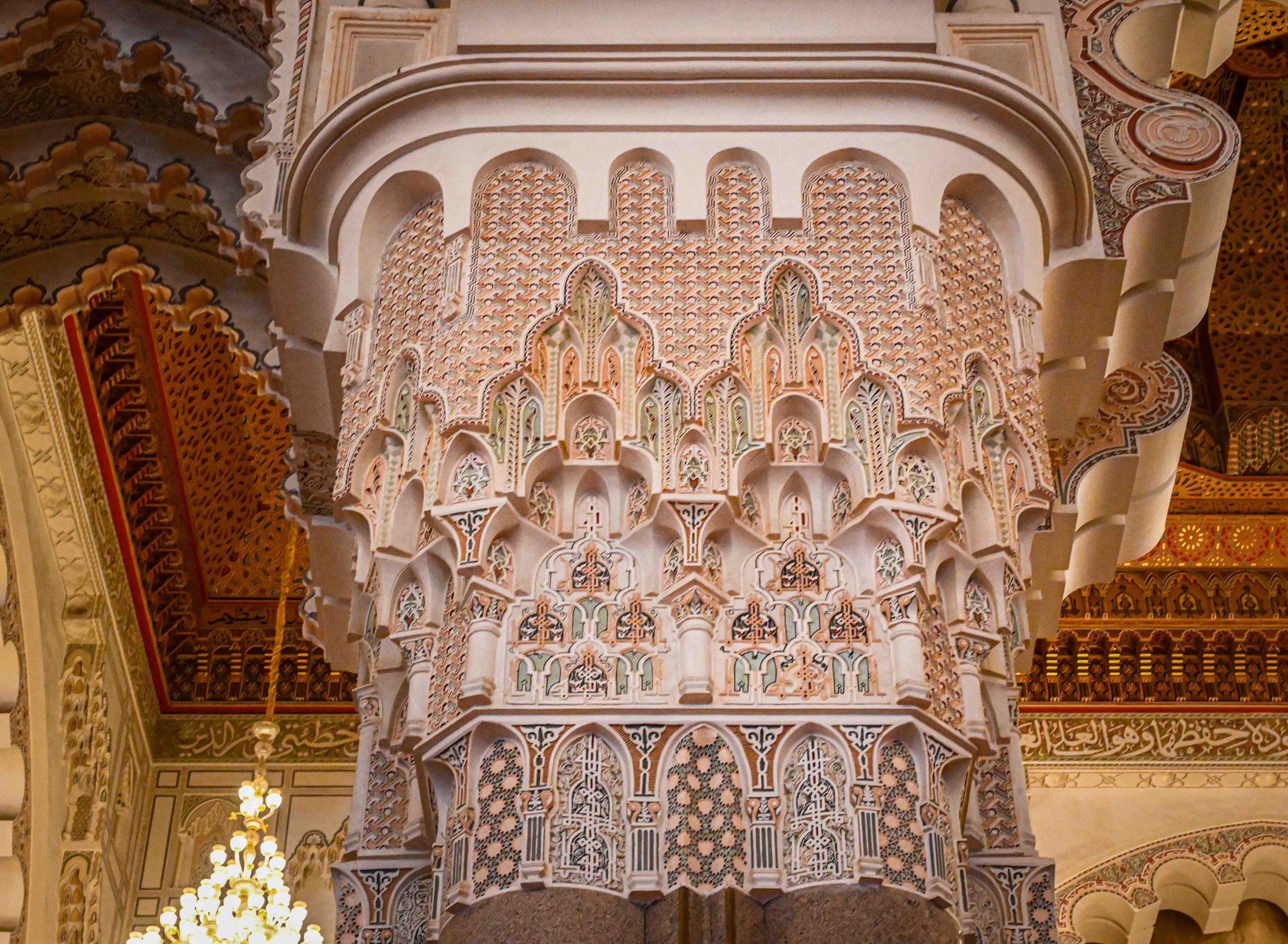
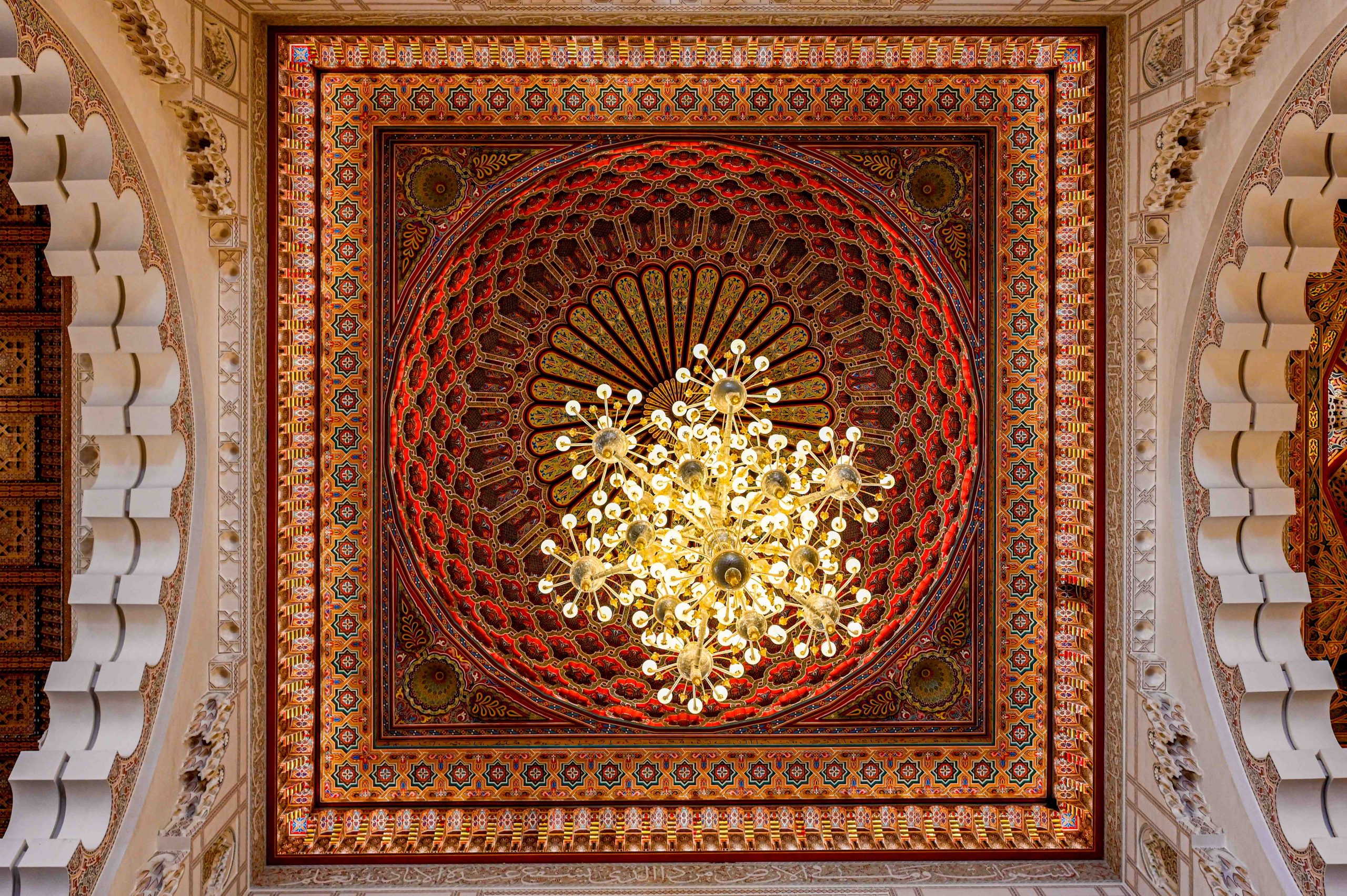
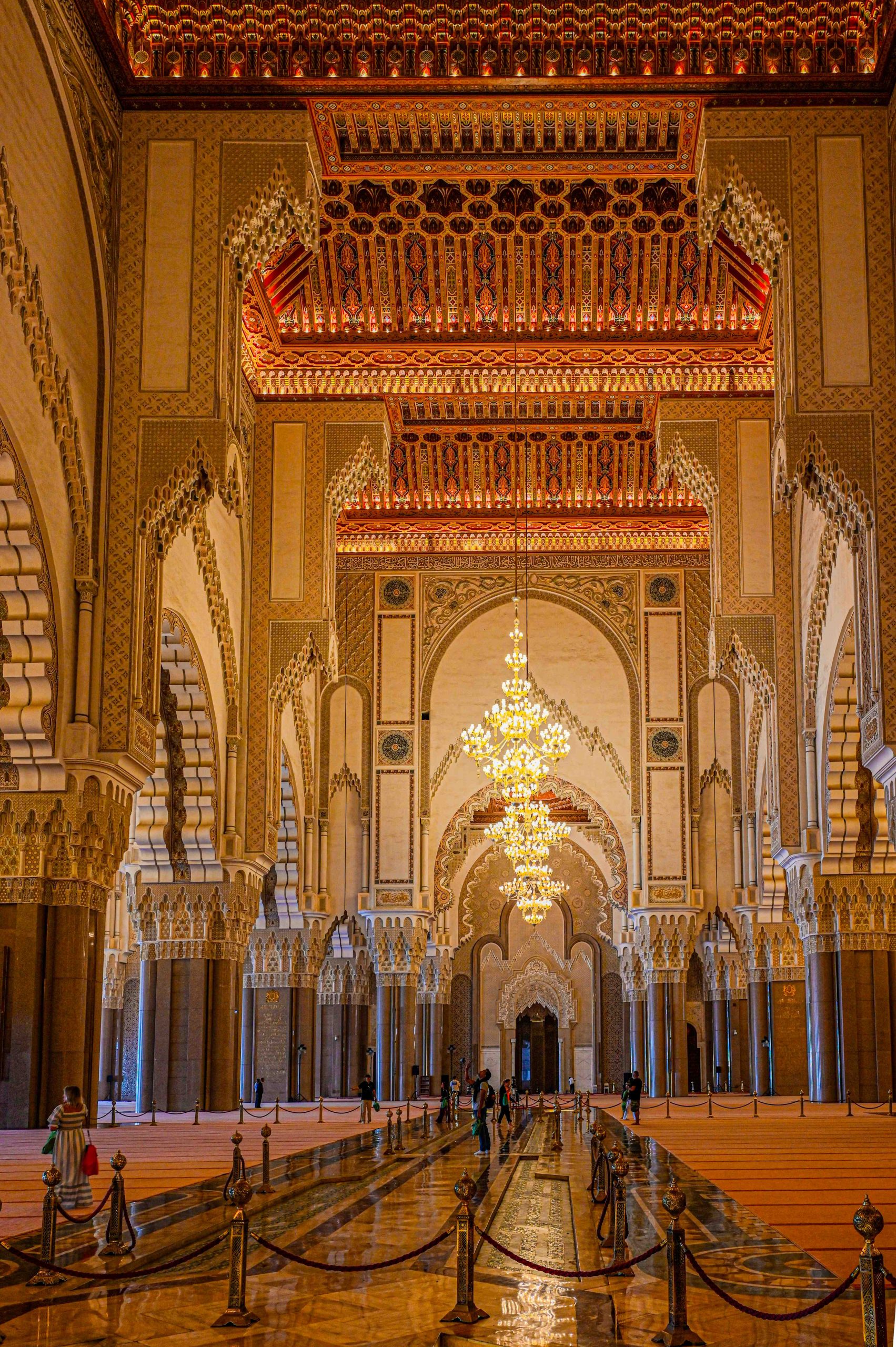
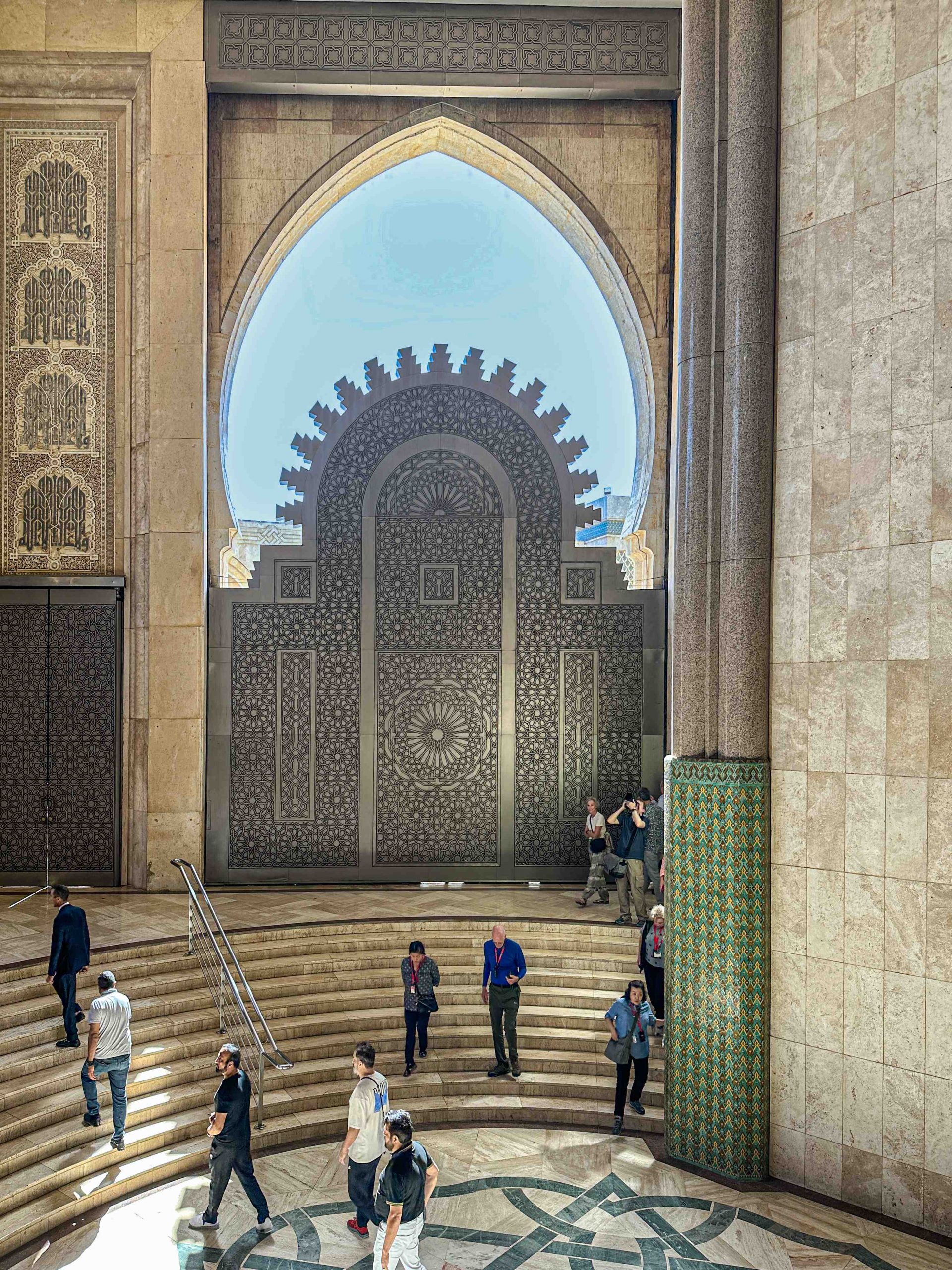
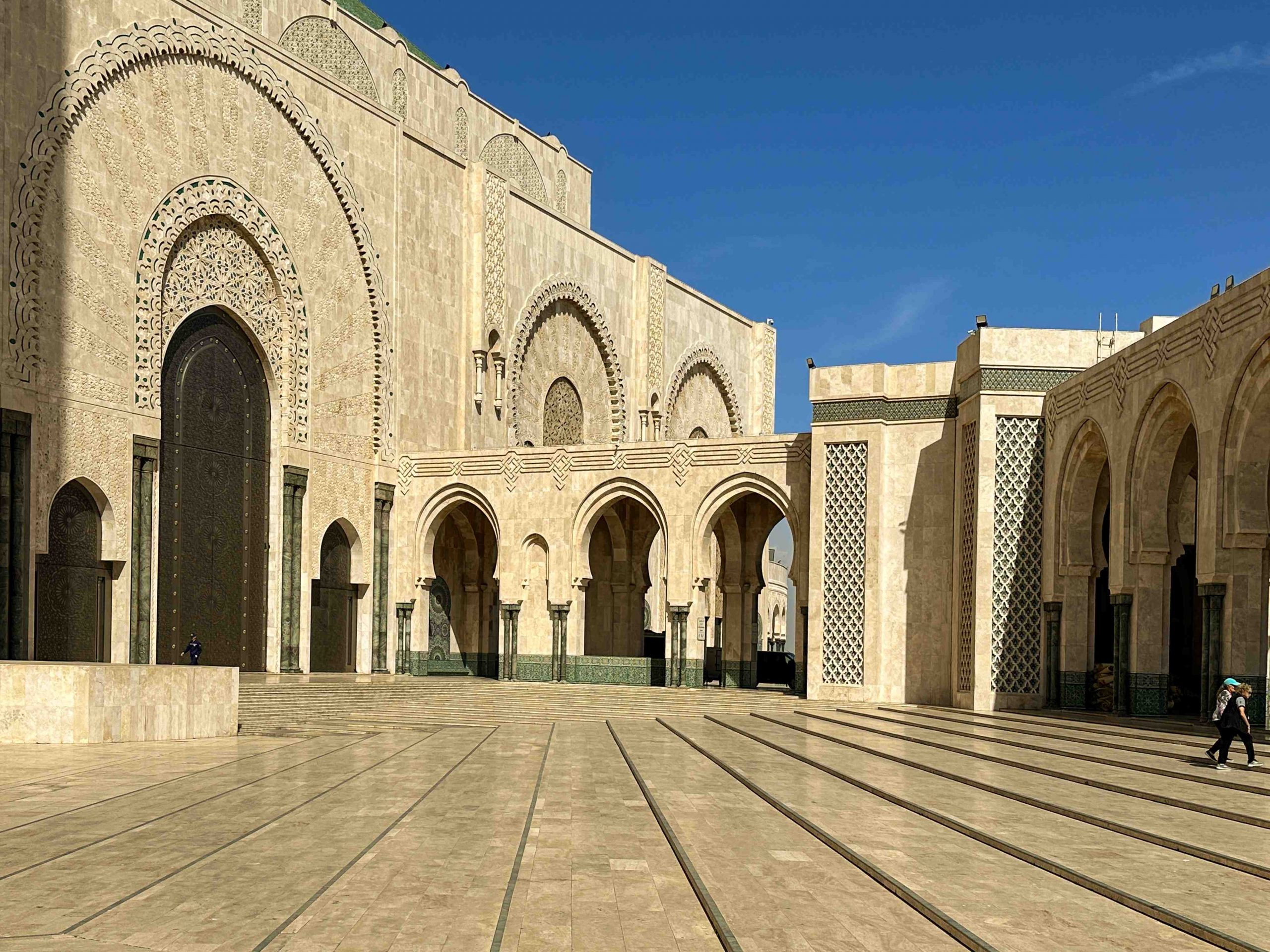
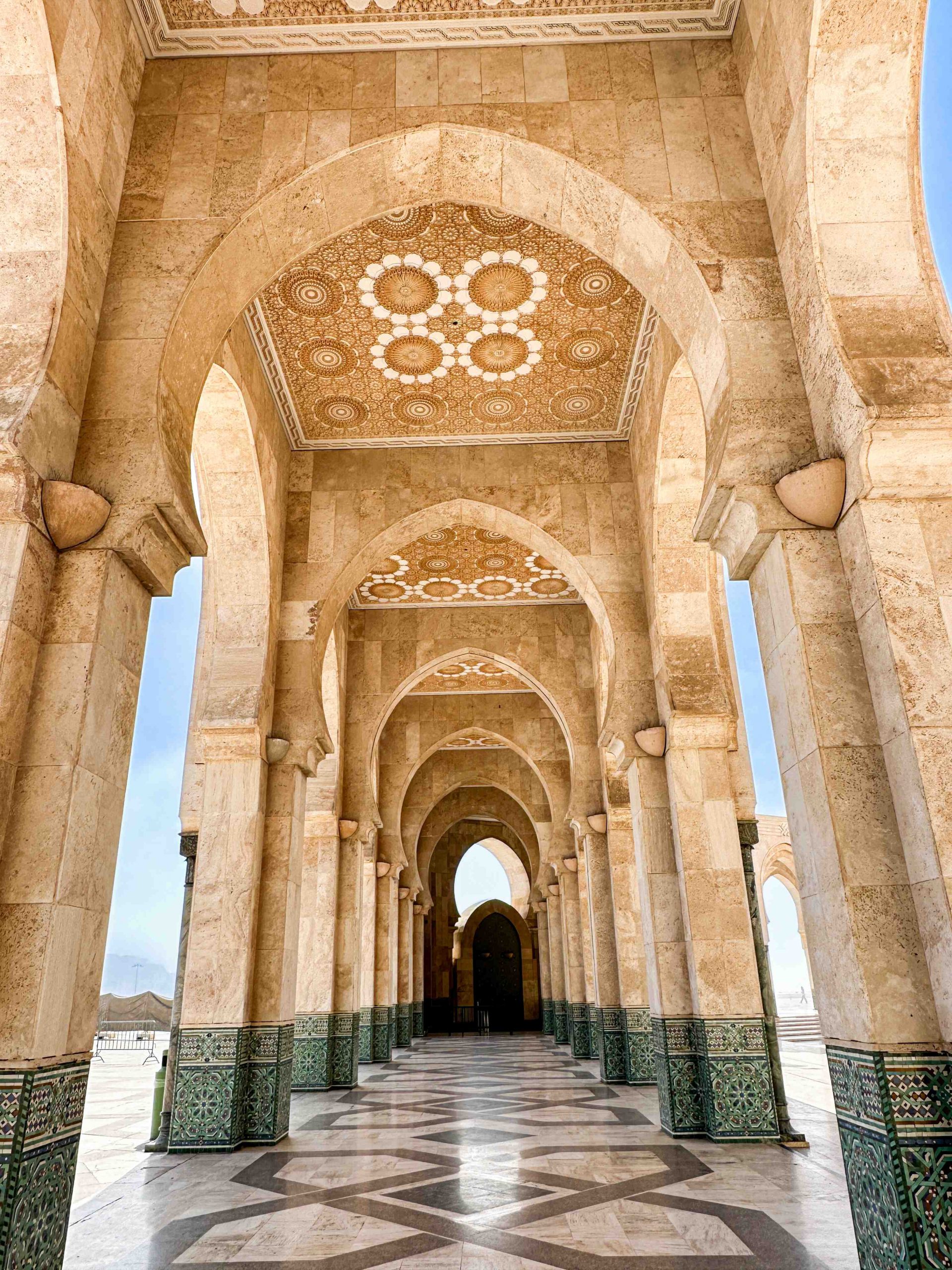
Standing on the edge of the Atlantic Ocean in Casablanca, the Hassan II Mosque is more than just a religious site—it is a triumph of vision, craftsmanship, and spiritual grace. With the tallest minaret in Africa, rising 210 meters into the sky, and its prayer hall partially built over the sea, the mosque feels as if it’s suspended between earth, water, and the heavens.
Commissioned by King Hassan II and inaugurated in 1993, it brings together Morocco’s most skilled artisans—woodworkers, plaster carvers, zellige masters—to create a structure that is both monumental and meticulous. The interiors are a symphony of marble, hand-carved cedar from the Middle Atlas, and stunning mosaic tile work that captures light and shadow in intricate patterns.
As a visitor, I felt a deep sense of calm the moment I stepped inside. The scale is humbling—the vast prayer hall can hold up to 25,000 worshippers and the courtyard another 80,000 —but it never feels overwhelming. Instead, it invites stillness. The ocean breeze drifts in gently through arched windows, and the grandeur, while awe-inspiring, carries a softness that allows for quiet reflection.
For me, the Hassan II Mosque wasn’t just an architectural marvel—it was a moment of pause. Of being reminded that beauty, faith, and human endeavor can come together in perfect harmony.
Marrakesh: The Pearl of the South
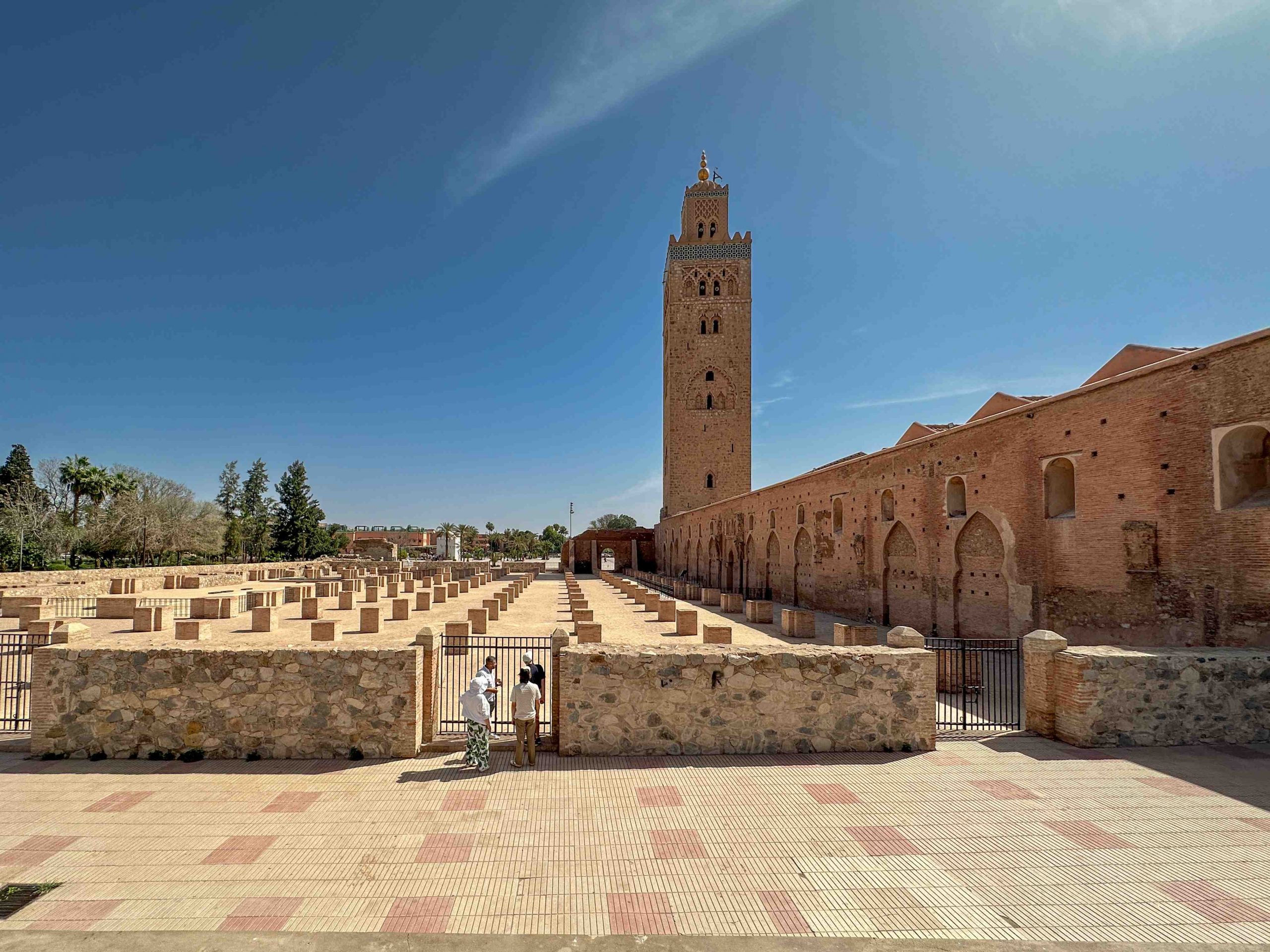
A city of color, rhythm, and history, Marrakesh—often called the Pearl of the South—offered a day steeped in imperial grandeur and vibrant street life. Founded in the 11th century by the Almoravids, it still pulses with the energy of centuries past. We began at the Koutoubia Mosque where its 12th-century minaret rose 77 meters into the sky, a timeless symbol of Almohad architecture.
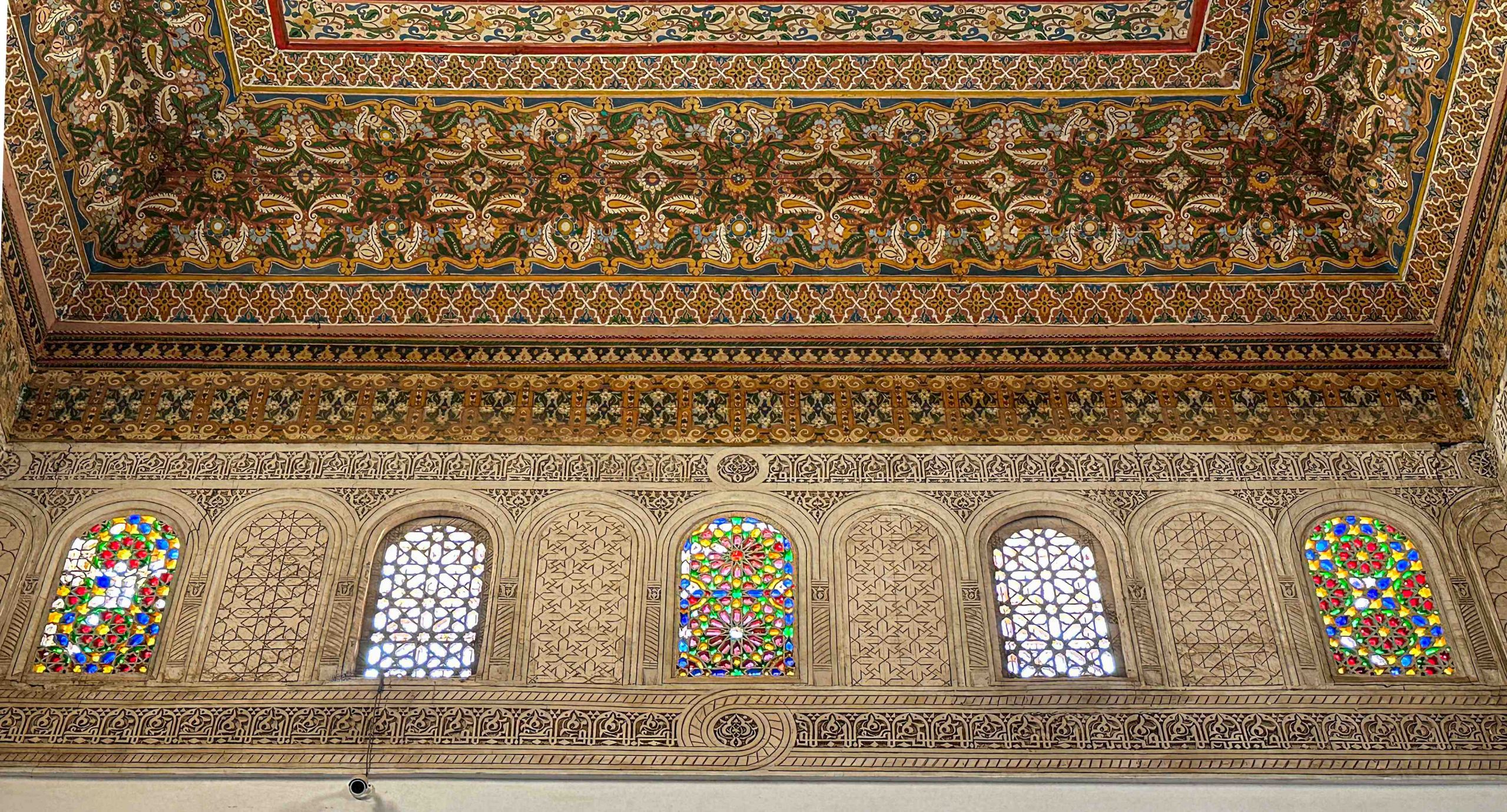
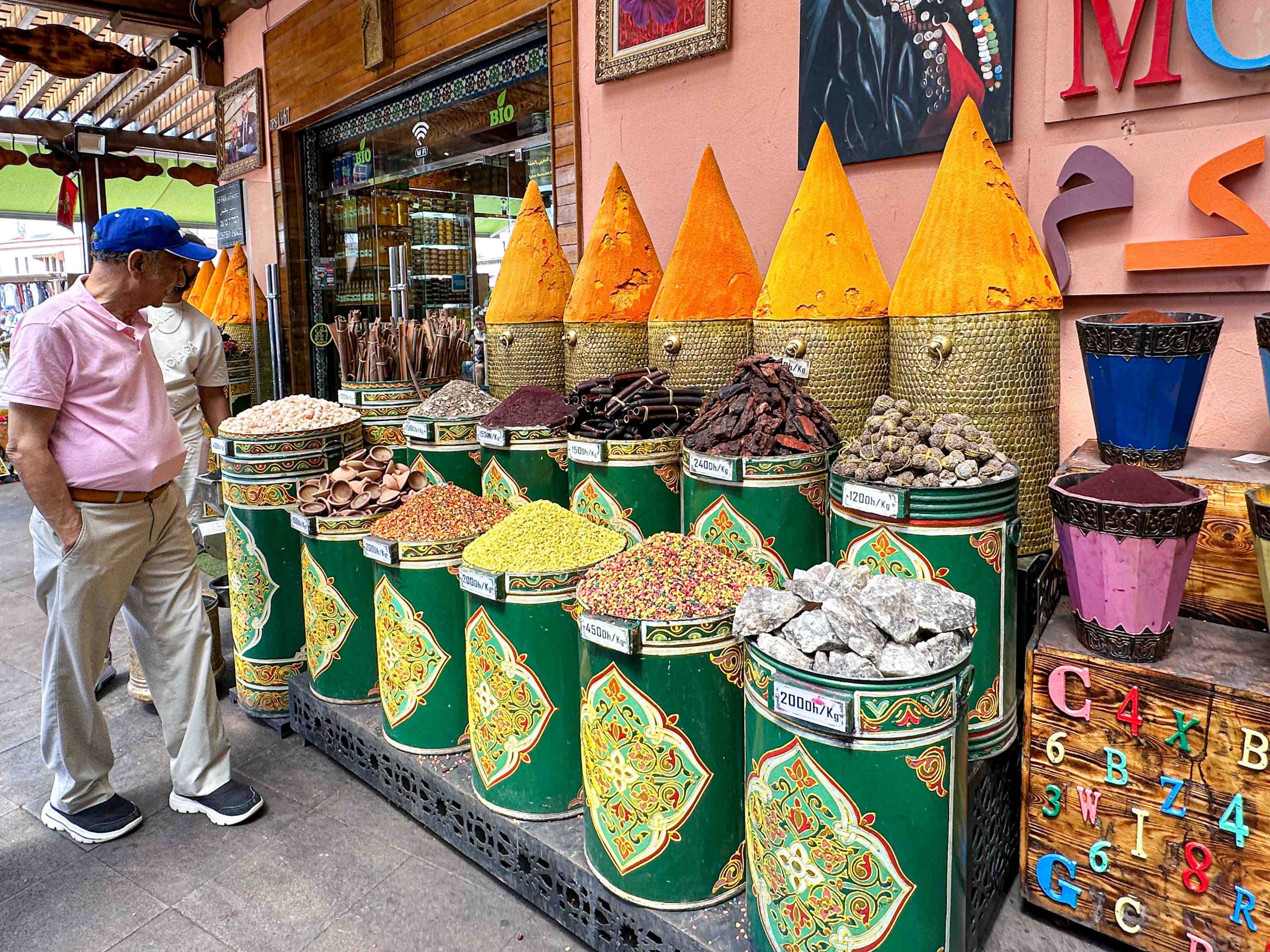
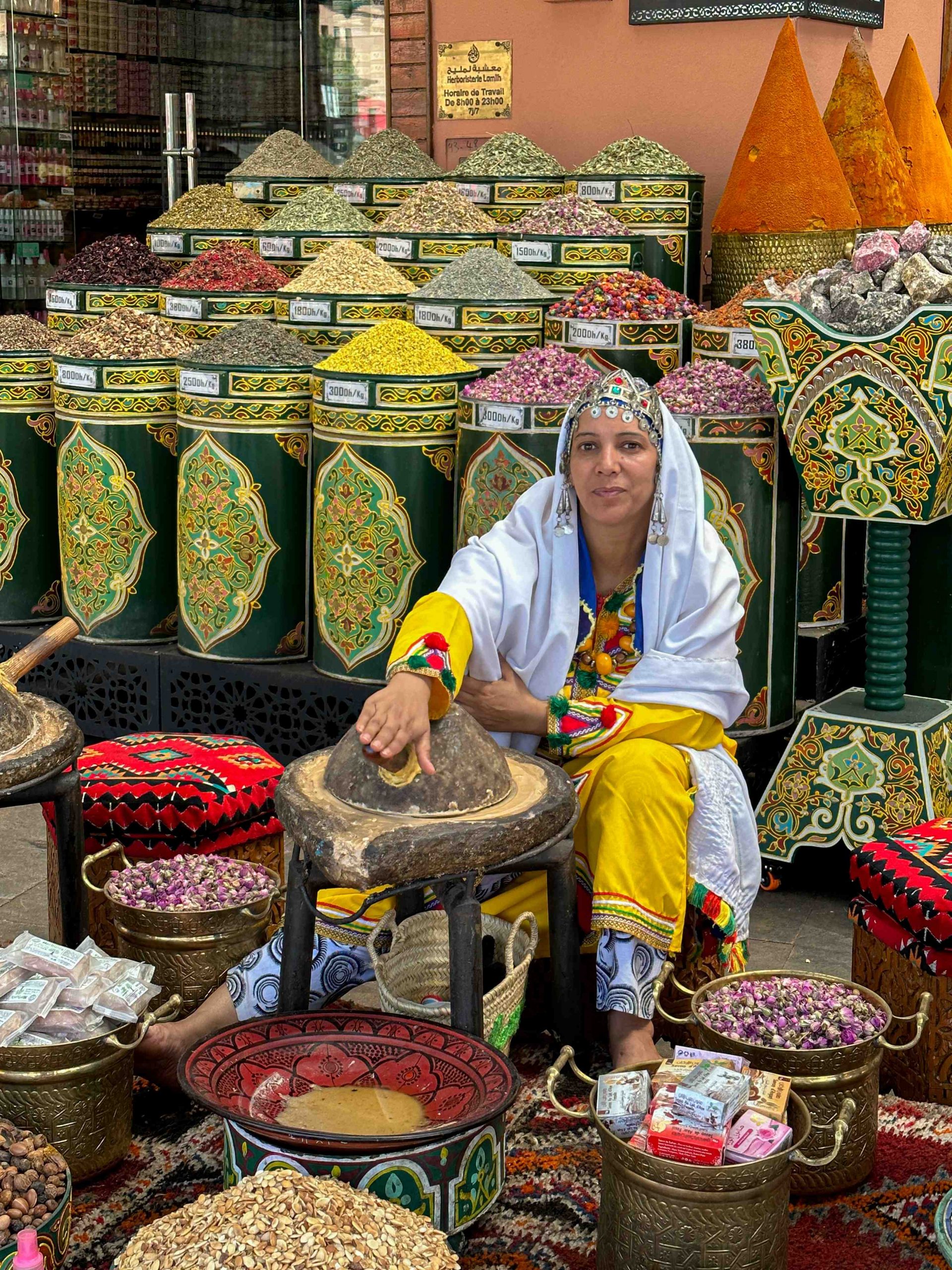
At the Bahia Palace, intricate ceilings and peaceful courtyards revealed the elegance of 19th-century Islamic design. The day unfolded in the souk’s bustling alleys, alive with colors, spices, and craftsmanship, before spilling into the heart of the city—Jemaa el-Fnaa, where snake charmers, storytellers, and street performers turned the square into a living theatre. Marrakesh is not just seen—it’s felt.
Into the Atlas: A Day Among Valleys and Villages
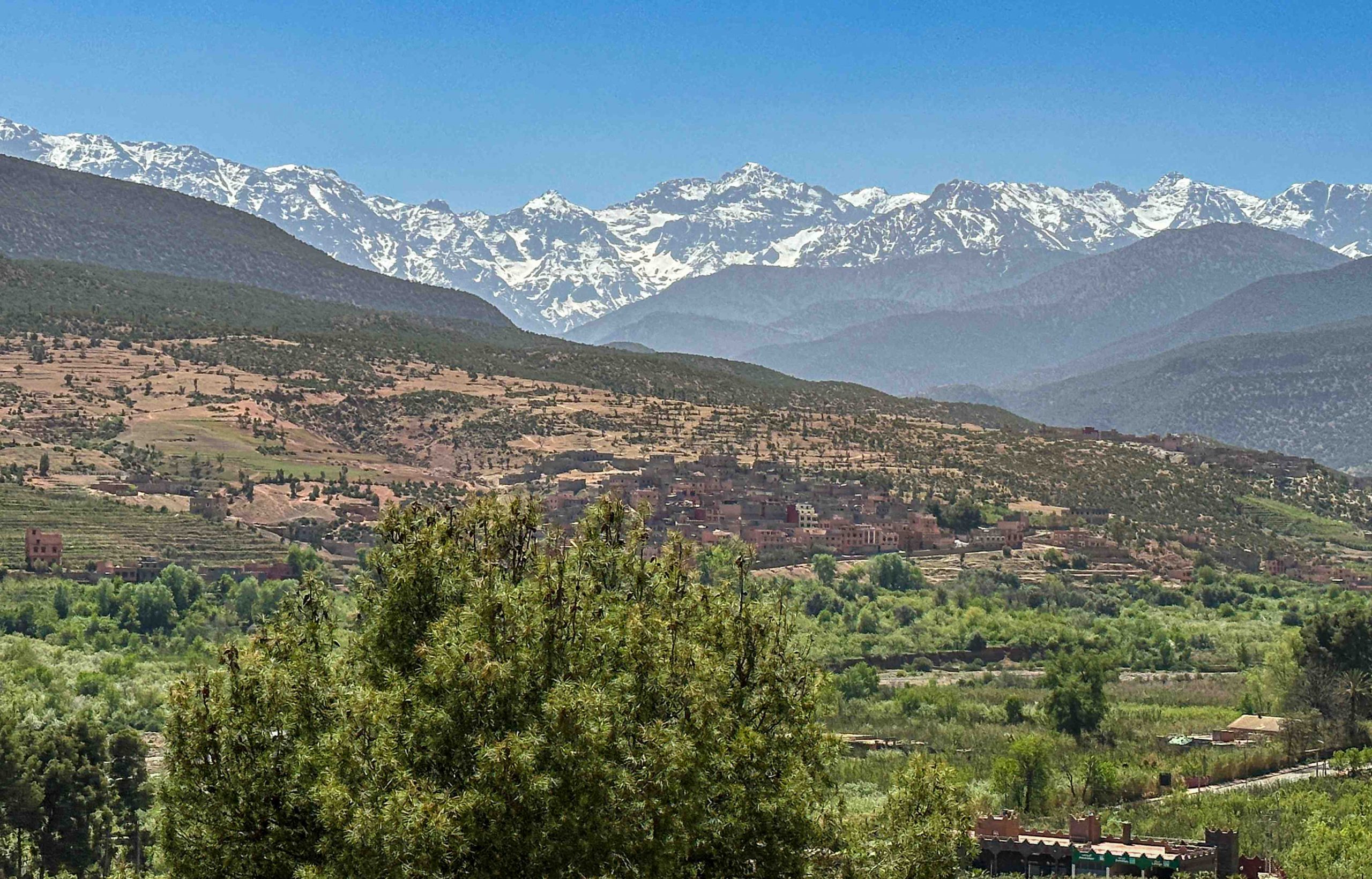
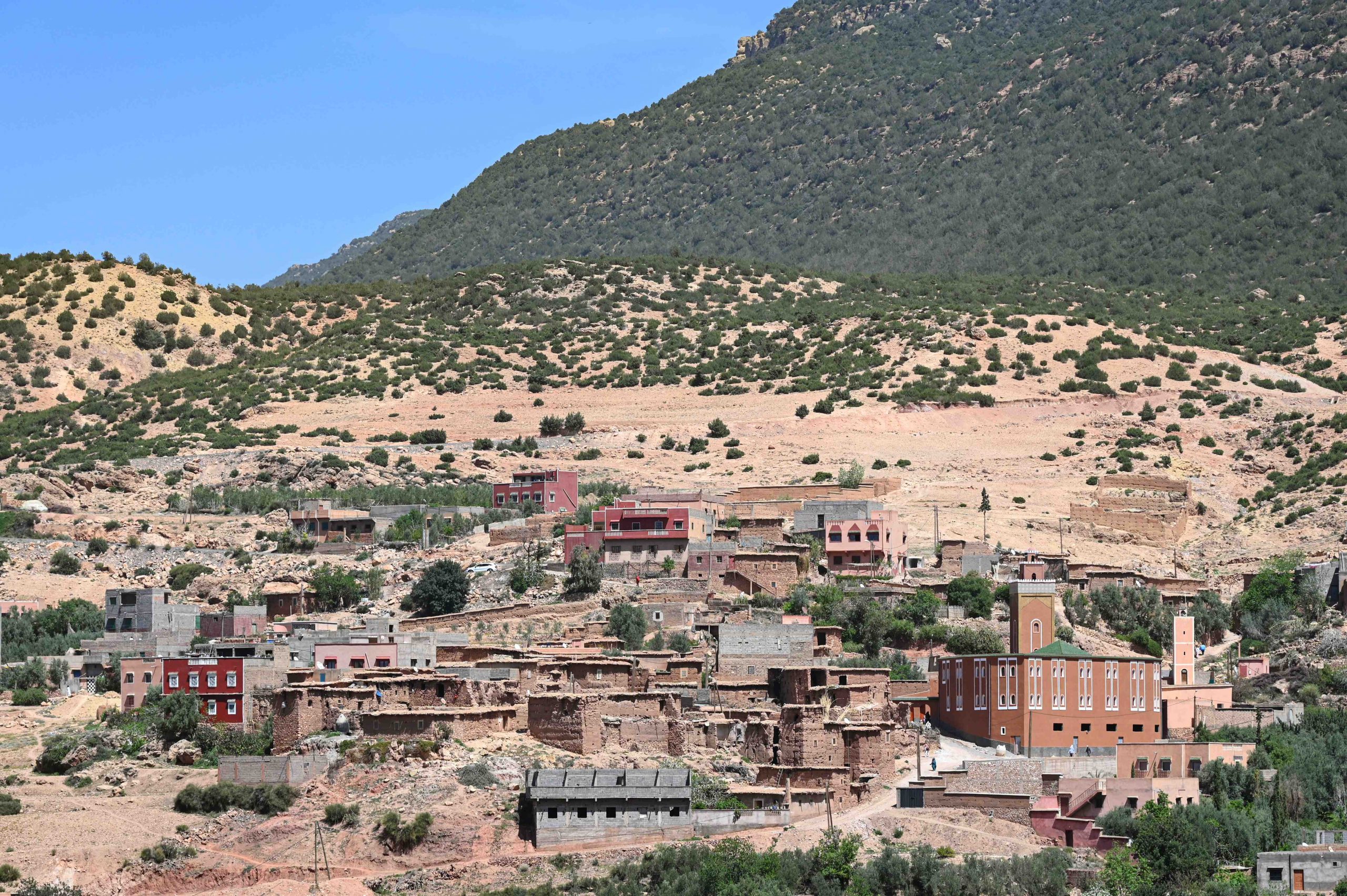
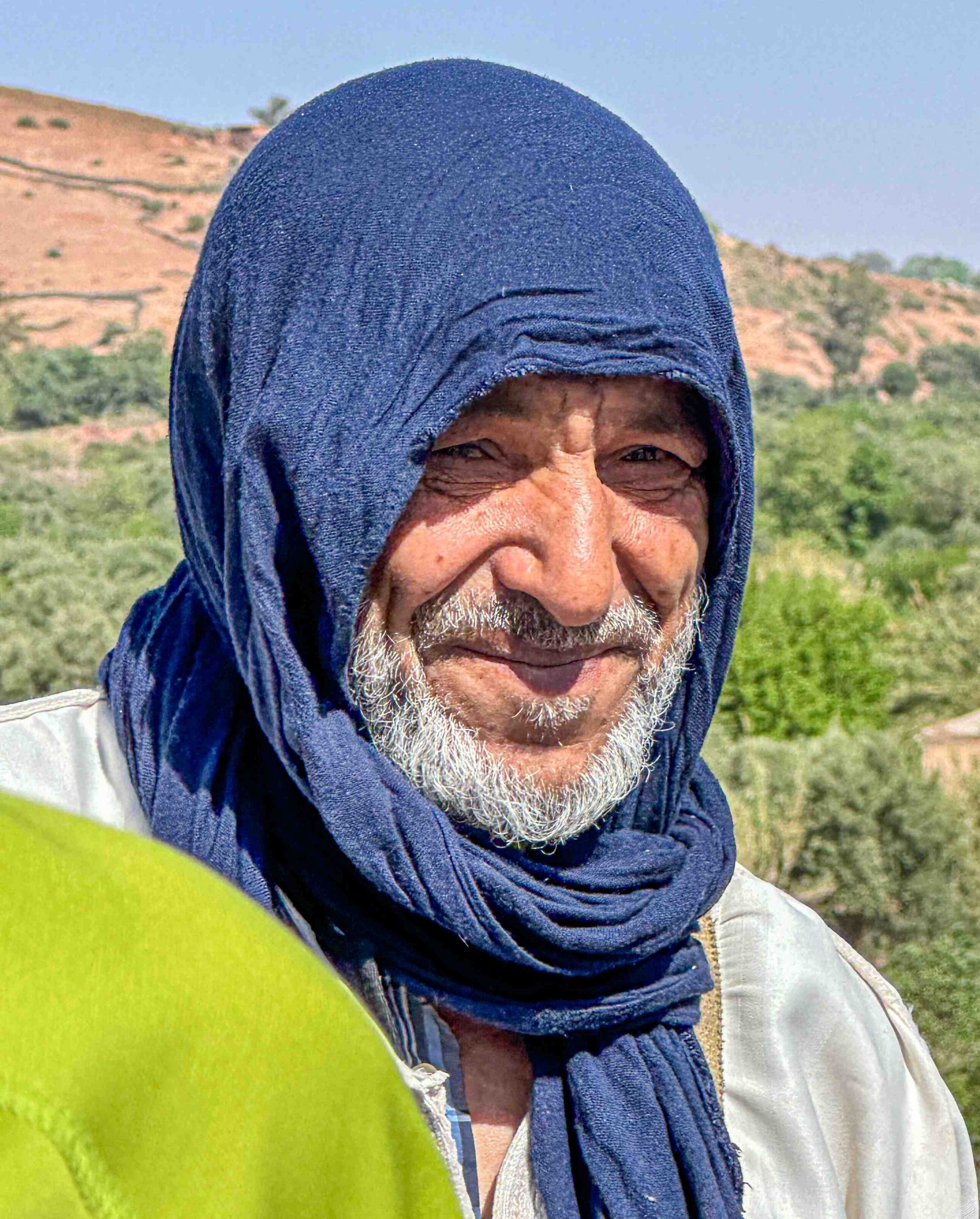
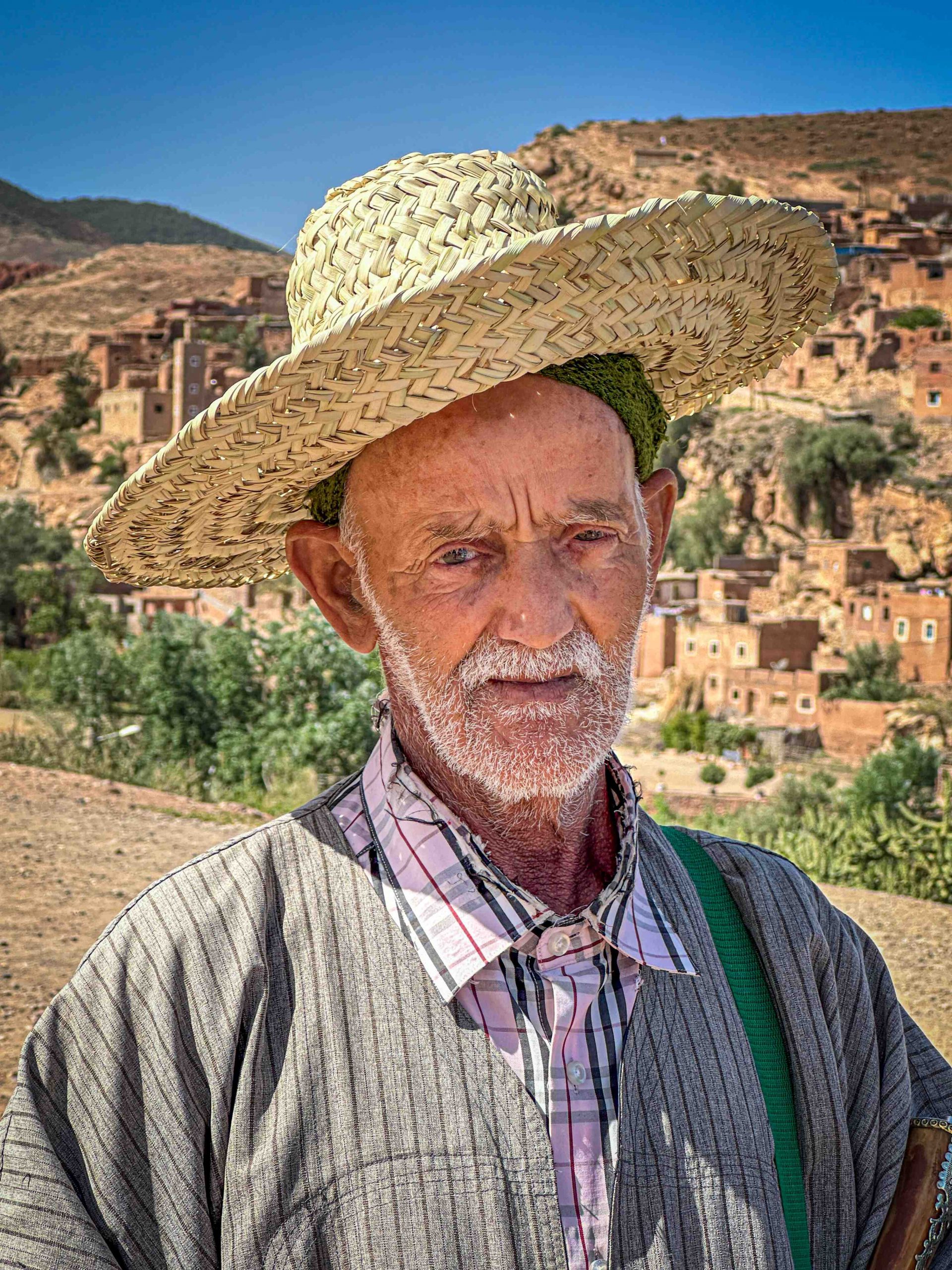
Our 4×4 journey into the Atlas Mountains unfolded through the peaceful valleys of Asni and Ouirgane, where terraced fields, olive groves, and Berber villages seemed to blend seamlessly into the hills. Known as the “happy valley,” Ouirgane lived up to its name with its quiet beauty and striking greenery.
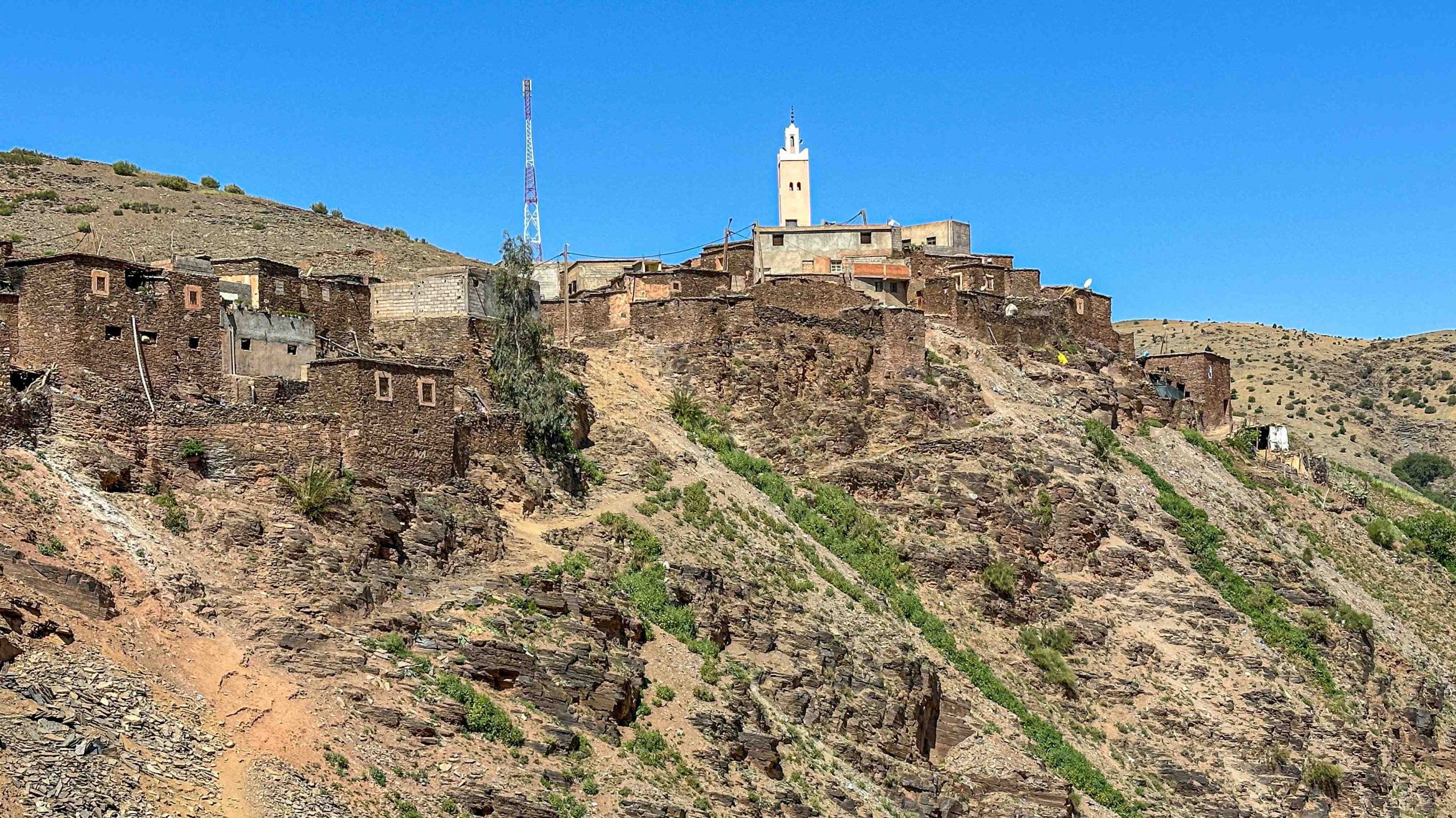
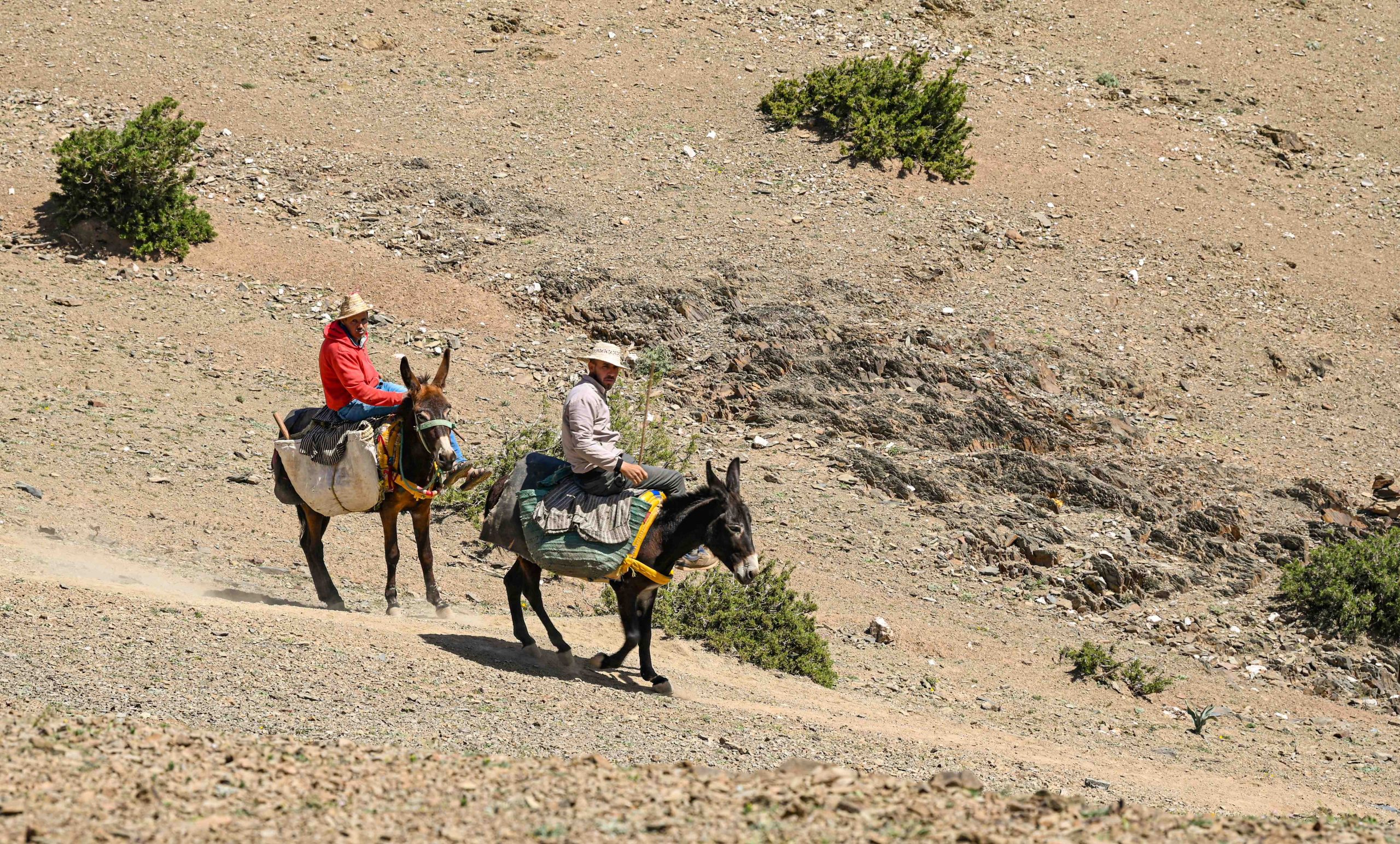
Feeling the crisp mountain air in the gardens of Domaine de la Roseraie we enjoyed a well-deserved tea break.
We then arrived at the stunning Kasbah Tamadot, a retreat owned by Richard Branson, where Moroccan elegance meets global charm. To our surprise we found the interiors decorated with Indian artifacts, giving the place a warm, familiar energy.
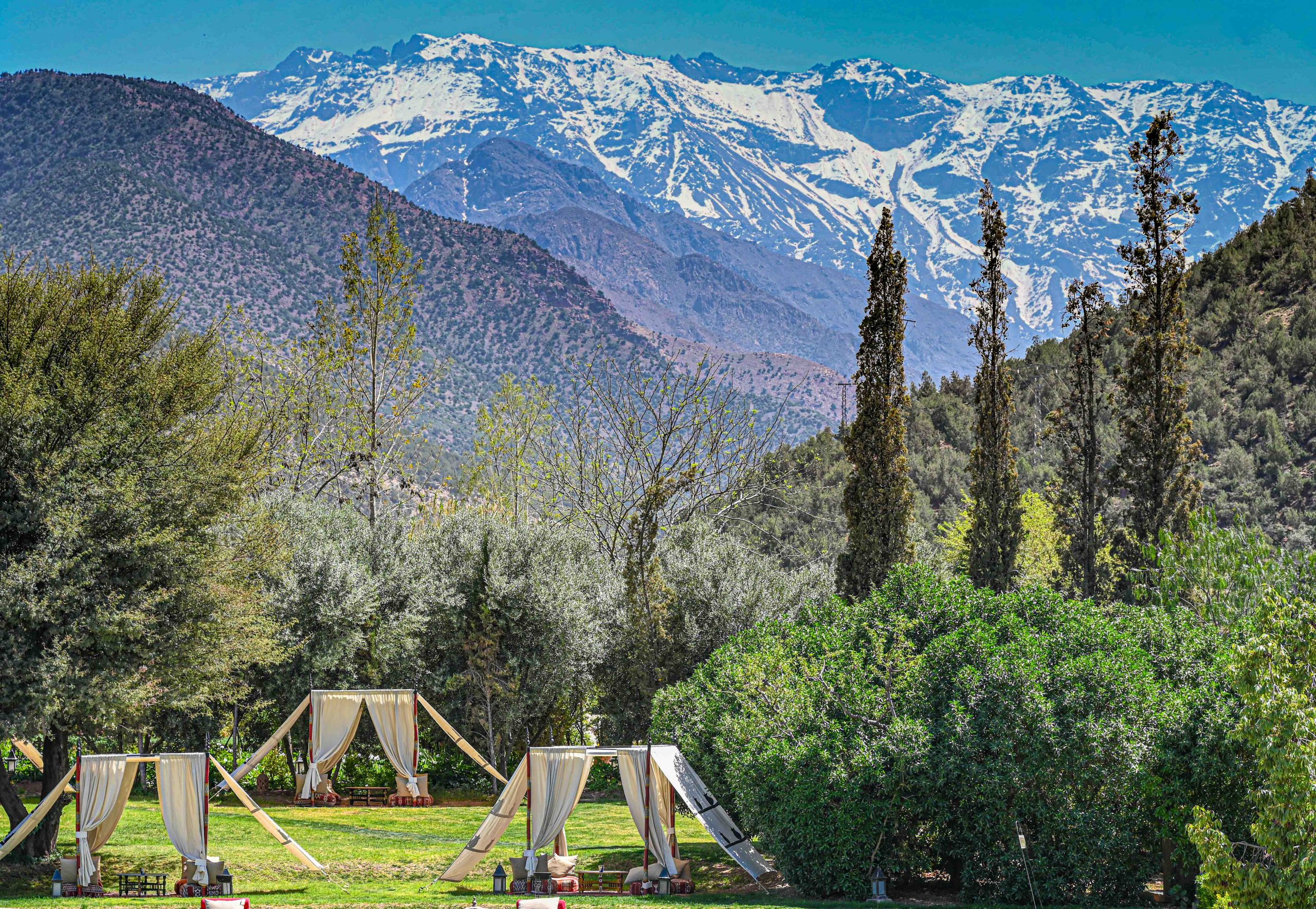
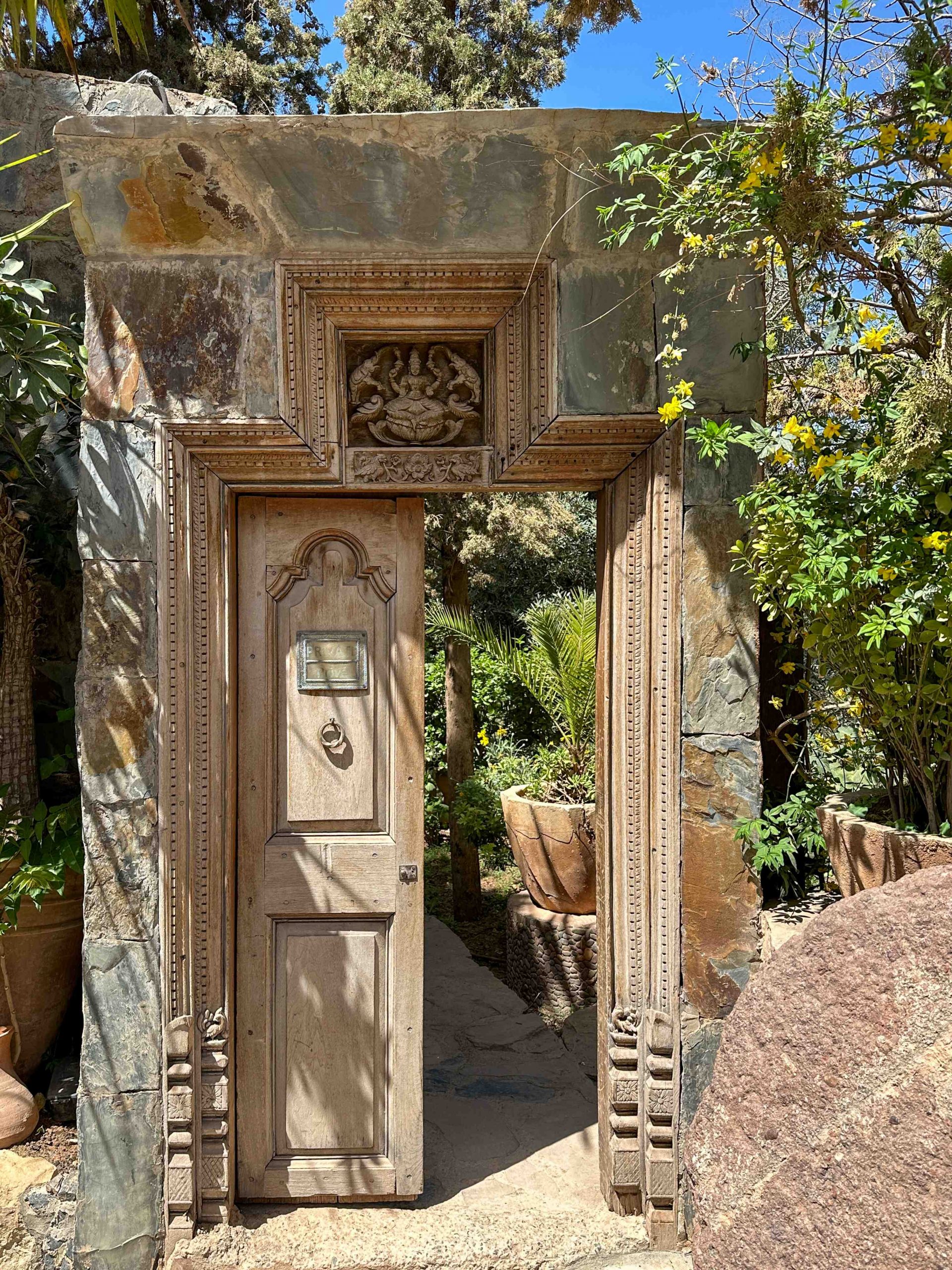
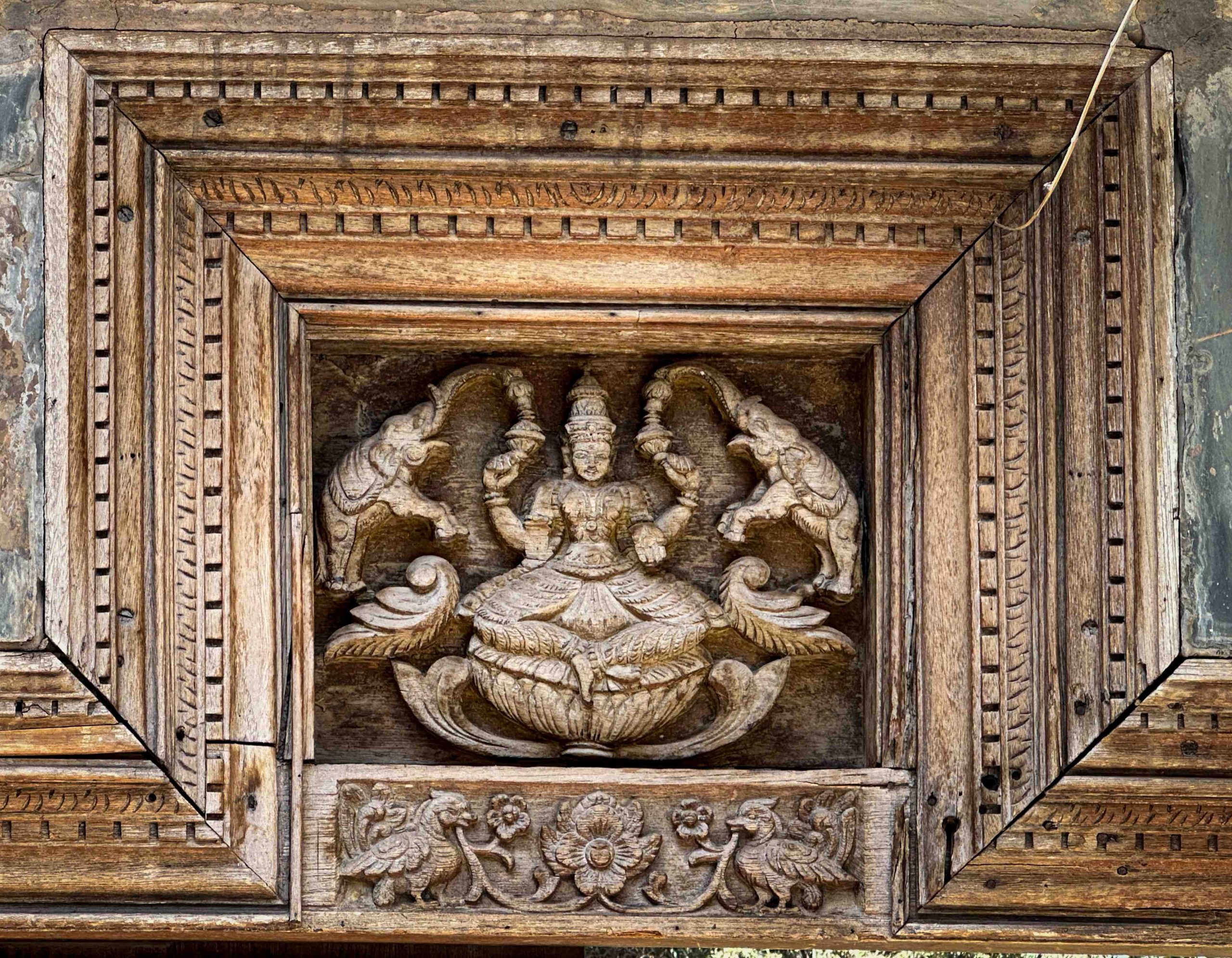
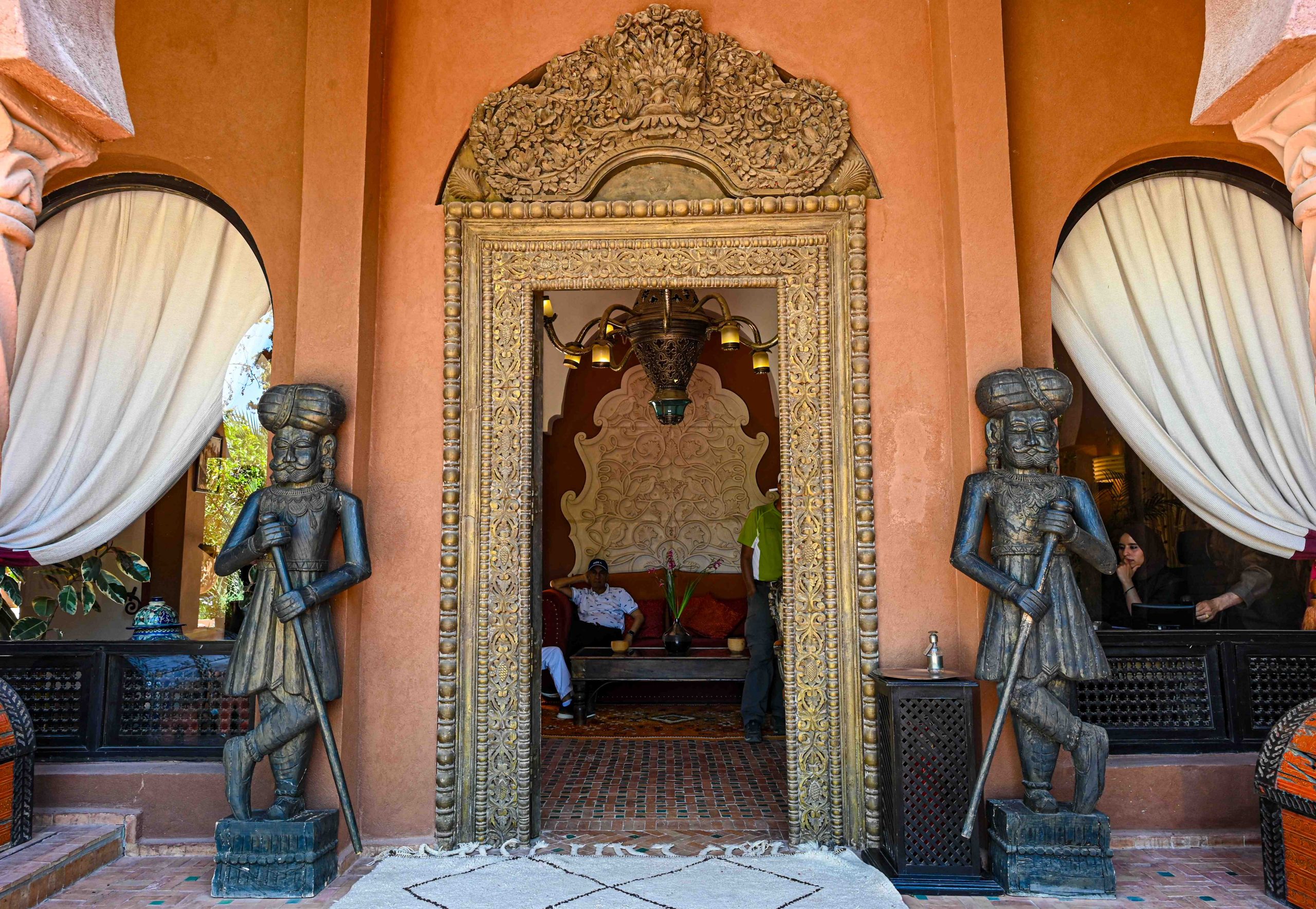
As we sat down to lunch on the terrace, we looked out at villages dotted along the slopes, their whitewashed walls gleaming in the sun. To our delight, Richard Branson himself walked around greeting each table—a gracious host in a setting that felt both luxurious and intimate.
Heritage in Marrakesh
Our final day in Marrakesh unfolded like a love letter to Moroccan culture, creativity, and elegance.
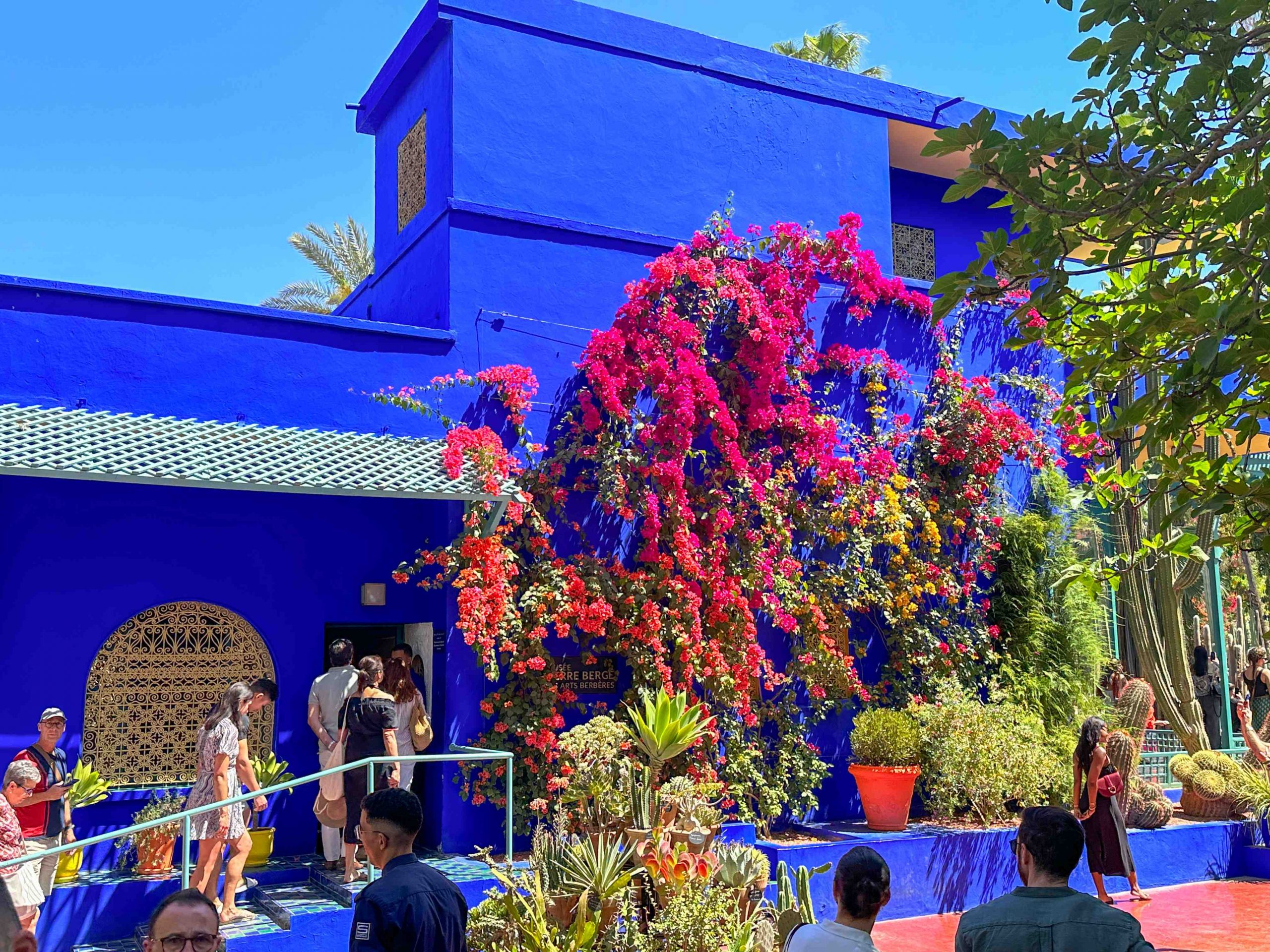
We began at the iconic Jardin Majorelle, where cobalt blue walls, exotic plants, and still pools created a peaceful escape from the city’s rhythm. Tucked within the garden is the intimate Berber Museum, which offered a fascinating glimpse into the artistry and traditions of Morocco’s oldest indigenous people. Carefully curated by Pierre Bergé and Yves Saint Laurent, its 600 artifacts—from jewelry and textiles to ceremonial objects—celebrated the spirit and diversity of Berber (Amazigh) life, from the Rif Mountains to the Sahara.
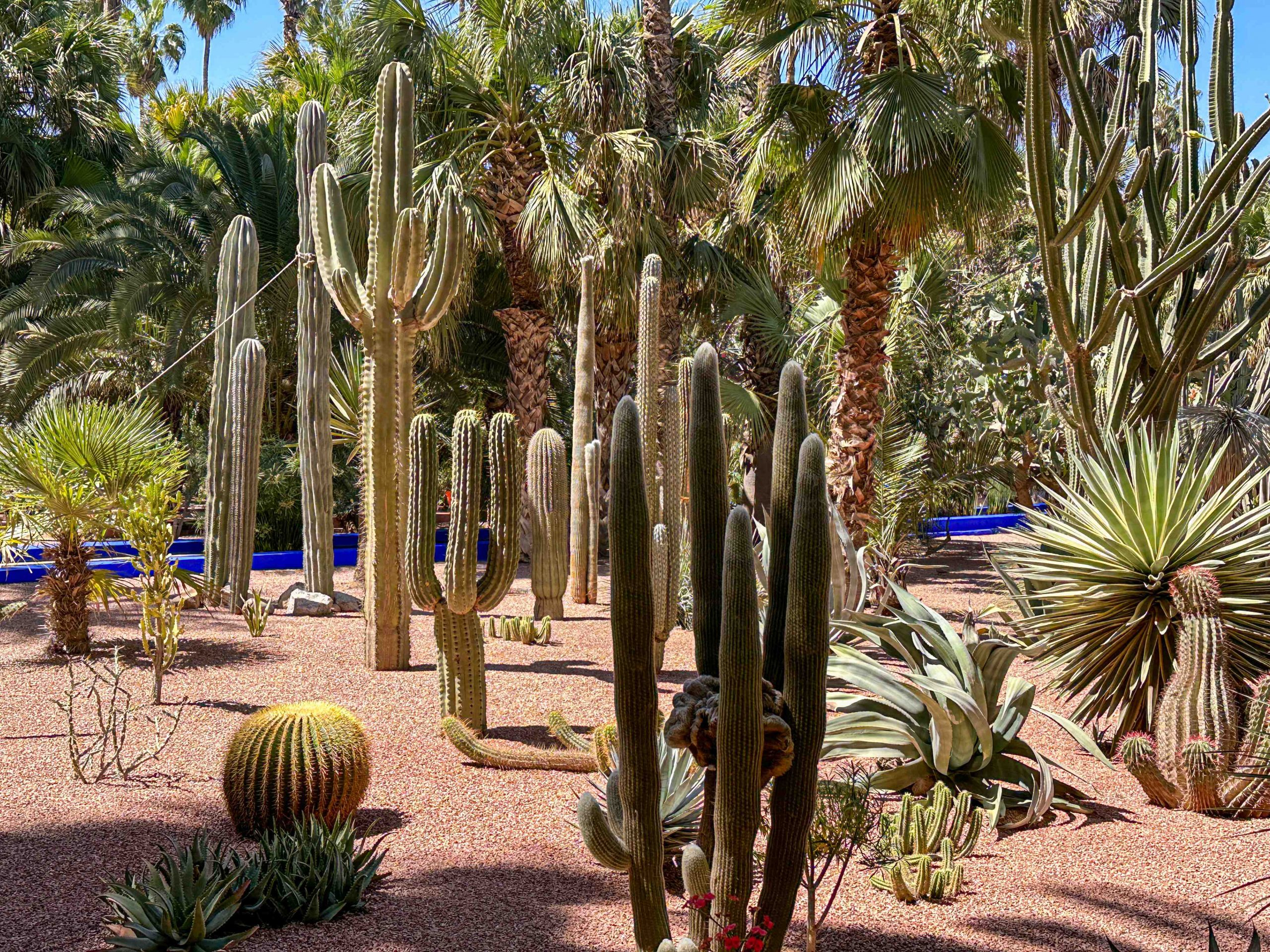
We continued to the Yves Saint Laurent Museum, a sleek tribute to the designer who found deep inspiration in Morocco. His sketches, couture pieces, and personal memorabilia brought his story to life, and reminded us of how deeply Marrakesh had shaped his creative world.
Rhythms of Spirit and Celebration
Throughout our journey, Morocco revealed not just its landscapes and architecture, but its living, breathing traditions. One evening, we were treated to a captivating performance of belly dancing, where music, movement, and expression came together in a celebration of femininity and storytelling. The dancer’s graceful rhythms echoed the sensual energy of the land—fluid, powerful, and alive.
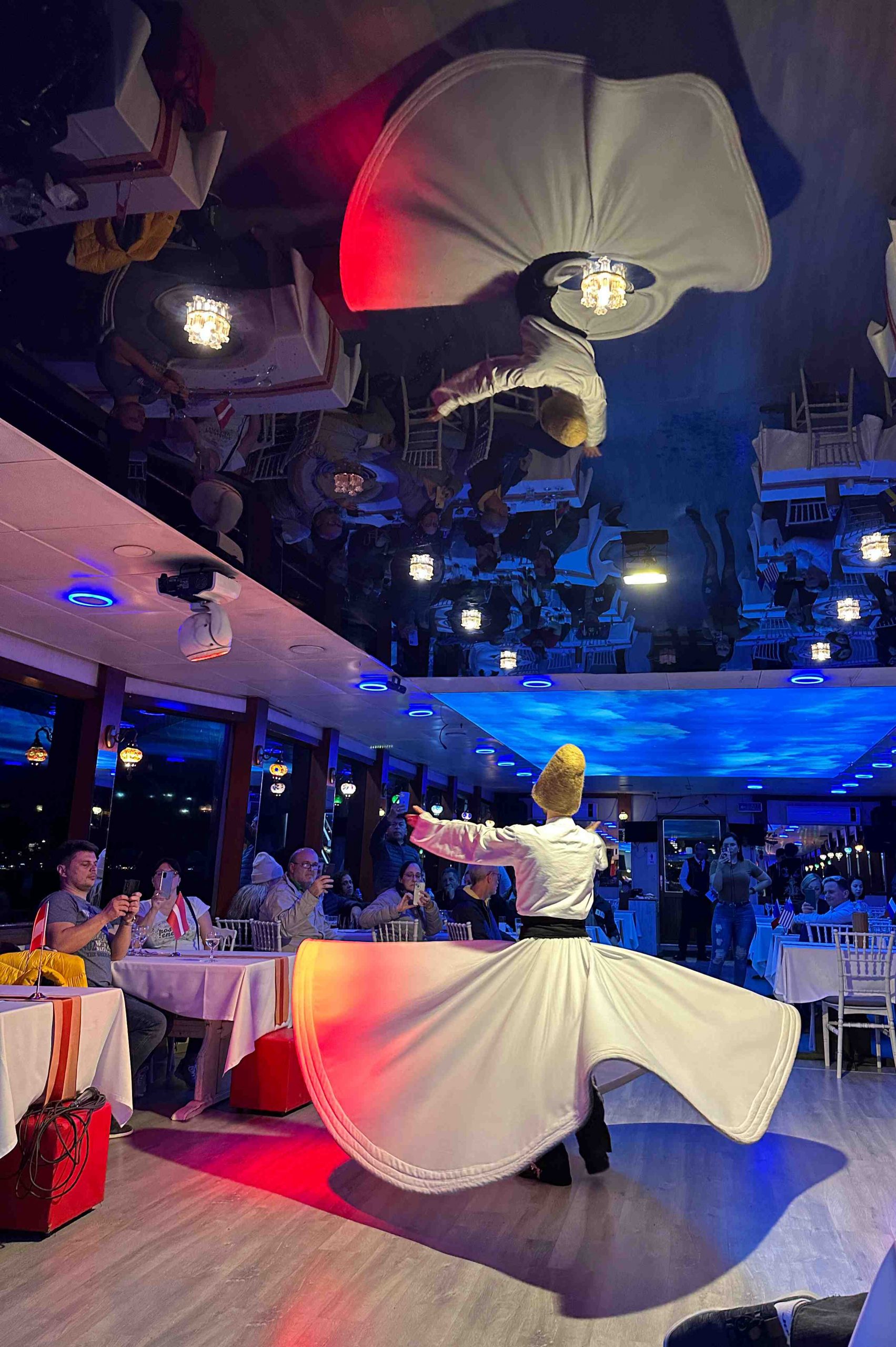
In contrast, we also witnessed the serene, hypnotic motions of the whirling dervishes—a spiritual practice rooted in Sufi tradition. As they spun in long, flowing robes, their movements seemed to transcend time, drawing the viewer into a space between prayer and poetry. Together, these two performances—one grounded in earthly joy, the other in spiritual ascent—offered a moving glimpse into the depth and duality of Moroccan culture.
Final Reflections
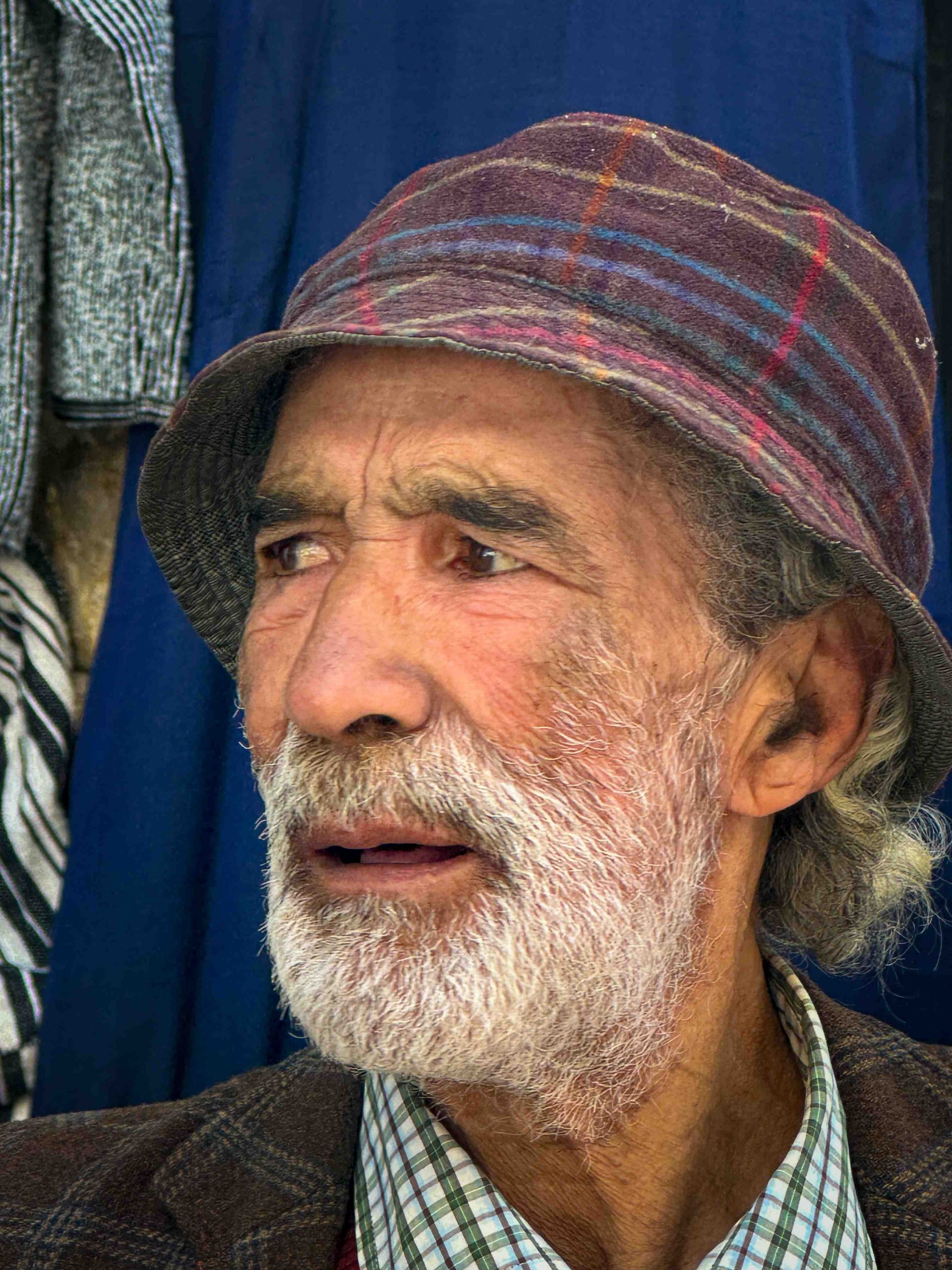
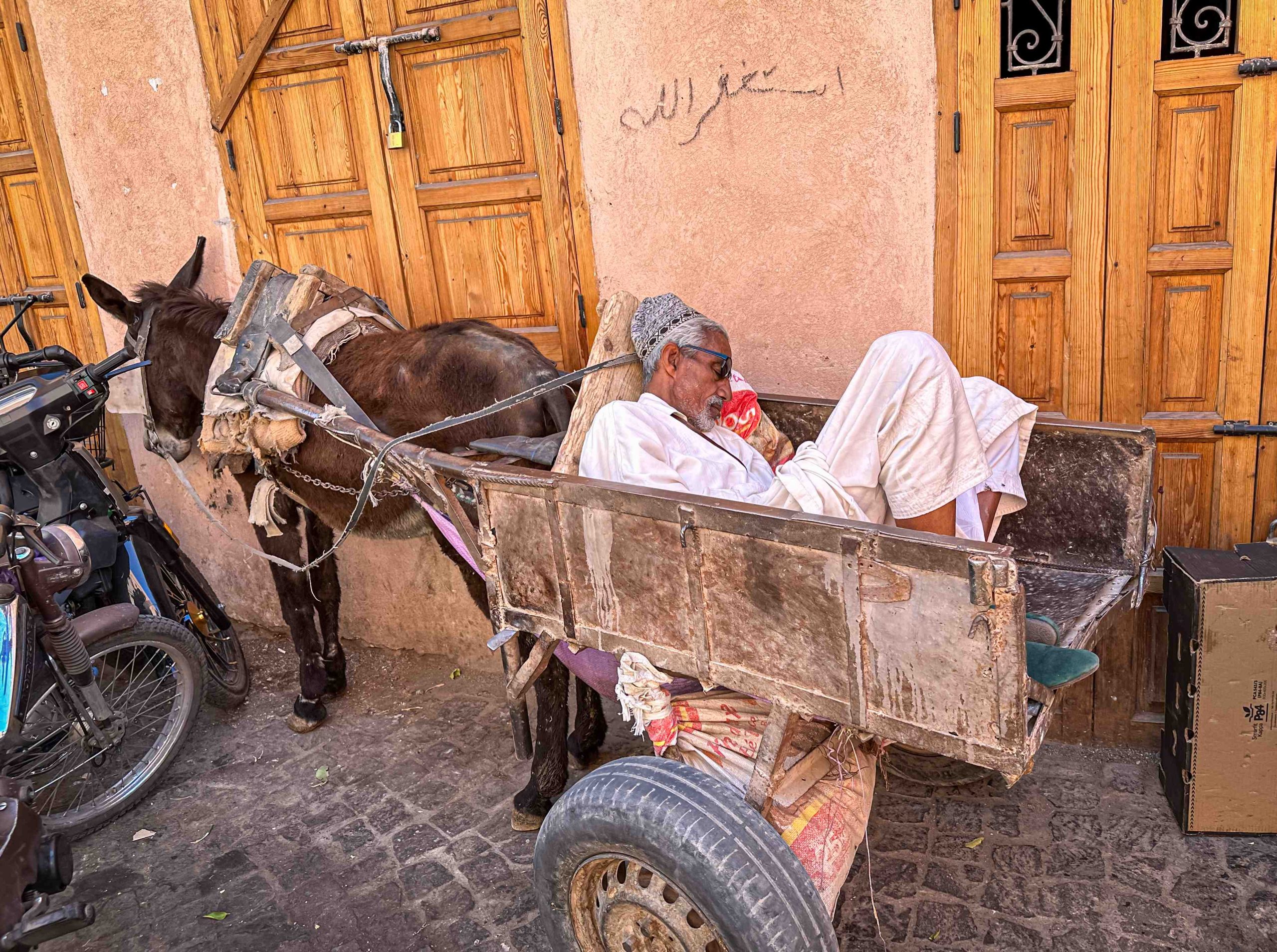
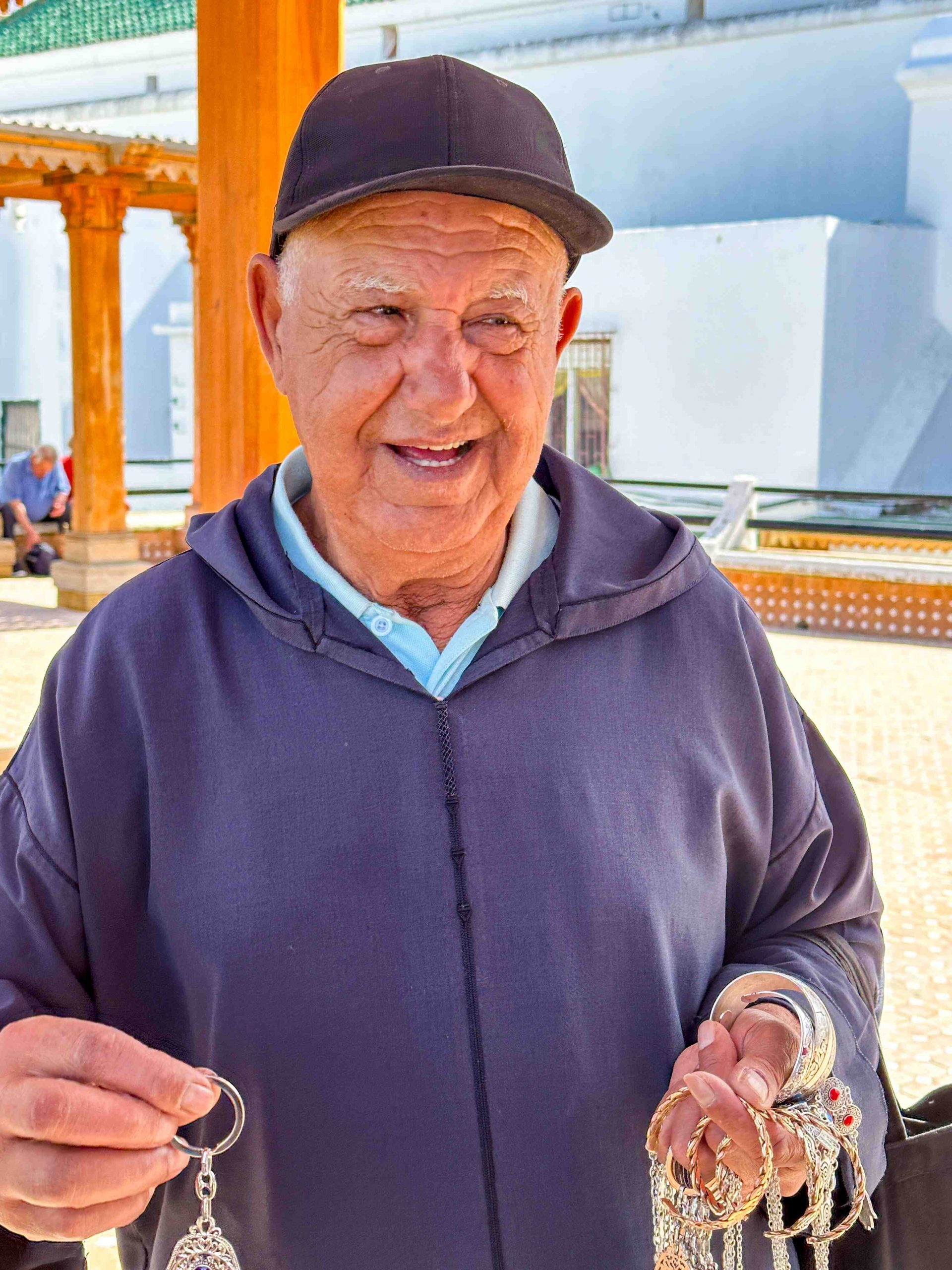
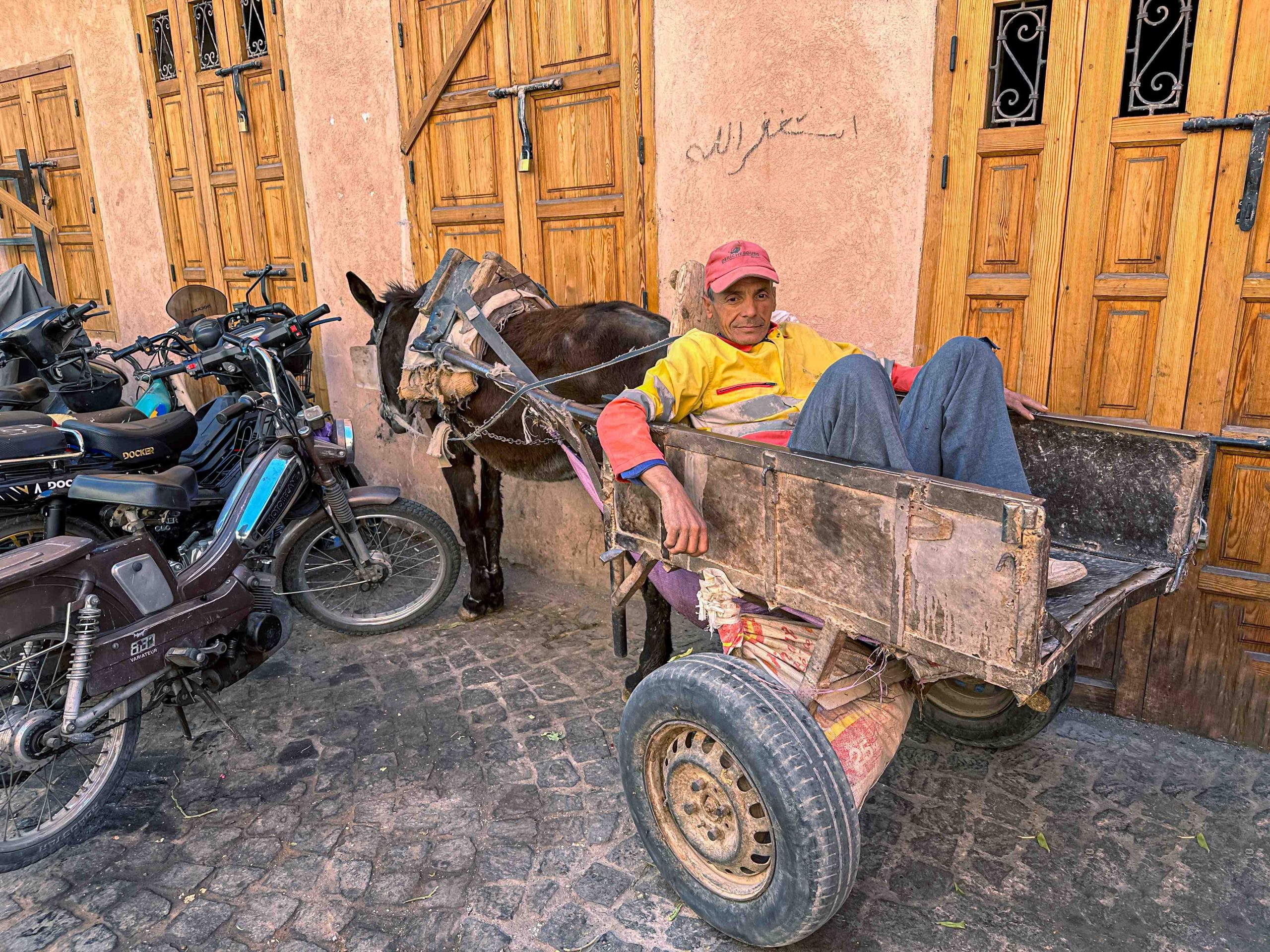
Morocco isn’t a place you simply visit. It’s a place that invites you in—through scent and song, silence and spice, pattern and prayer. It’s in the call of the muezzin at dusk, the chatter in the souks, the warmth of strangers, and the lingering taste of mint tea. From the windswept cliffs of Tangier to the serene snow-capped Atlas Mountains, from ancient ruins to rose-scented palaces, the country leaves you fuller than when you arrived.
What remains long after the journey ends is a sense of wonder—a feeling that Morocco is still unfolding, quietly, somewhere in your memory.