






In the world of nutrition, the focus is often on individual foods and their health benefits. However, emerging research suggests that the way foods interact with one another—known as food synergies—can significantly enhance their nutritional impact. Rather than considering nutrients in isolation, food synergies highlight how certain combinations can improve digestion, nutrient absorption, and overall health.
What Are Food Synergies?
Food synergy refers to the concept that the health benefits of a diet come not just from the individual nutrients it contains, but also from the interactions between those nutrients when foods are eaten together. These interactions can amplify positive effects or help mitigate negative ones.
The principle is simple: certain foods work better together than they do alone. By combining them, we can increase the bioavailability of nutrients—how much our bodies can absorb and use—and support metabolic functions more efficiently.
Examples of Effective Food Synergies
- Tomatoes and Olive Oil
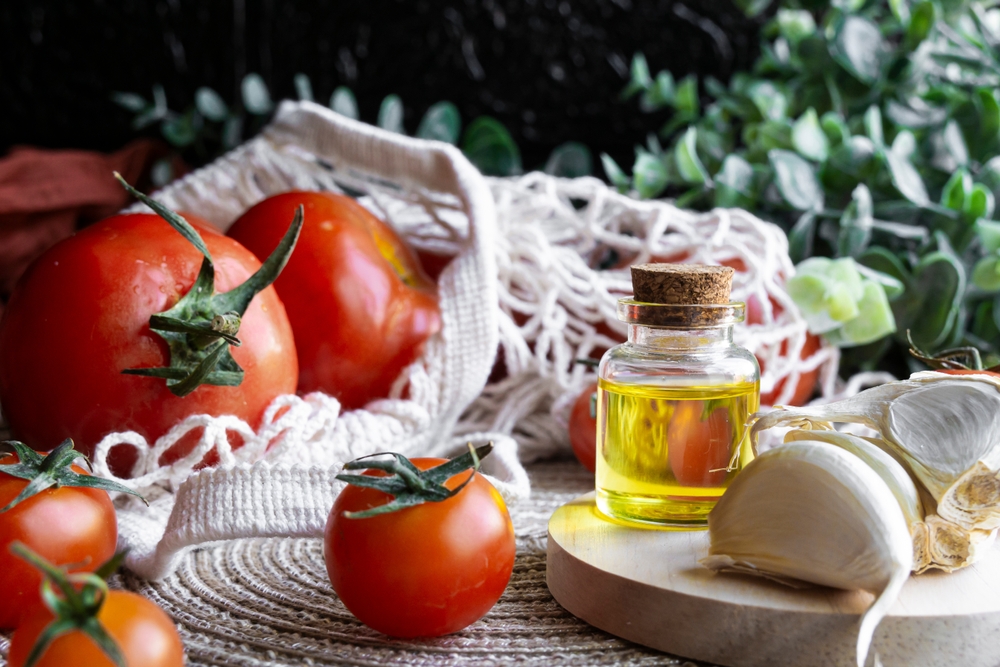
Tomatoes are rich in lycopene, a powerful antioxidant associated with a reduced risk of certain cancers and heart disease. However, lycopene is fat-soluble, meaning its best absorbed when consumed with fat. Pairing tomatoes with olive oil, as commonly found in Mediterranean cuisine, enhances the absorption of lycopene significantly.
- Iron-Rich Foods and Vitamin C
Iron from plant-based sources (non-haem iron) is not absorbed as efficiently as iron from animal products. However, consuming vitamin C-rich foods like oranges, strawberries or bell peppers alongside iron-rich foods such as spinach or lentils can boost iron absorption substantially. A classic example would be adding lemon juice to a lentil salad.
- Turmeric and Black Pepper
Turmeric contains curcumin, a compound with potent anti-inflammatory and antioxidant properties. Unfortunately, curcumin has low bioavailability on its own. Piperine, a compound in black pepper, enhances curcumin absorption by up to 2,000%. Combining these spices—as is traditional in many South Asian dishes—maximises their therapeutic effects.
- Green Tea and Lemon
Green tea is abundant in catechins, antioxidants linked to various health benefits including improved cardiovascular health. However, catechins can degrade in the digestive tract. Adding a squeeze of lemon helps stabilise these compounds, improving their absorption and effectiveness.
- Carrots and Avocado
Carrots are high in beta-carotene, a precursor to vitamin A. Like lycopene, beta-carotene is fat-soluble. Eating carrots with a healthy fat source such as avocado or nuts improves the body’s ability to absorb and convert it into vitamin A, which is vital for vision and immune function.
Why Food Synergies Matter
Understanding food synergies encourages a more holistic view of eating. It supports the idea that whole foods, when paired thoughtfully, can work together to support health in ways that isolated nutrients cannot. This approach aligns well with traditional diets, such as the Mediterranean or Asian diets, which naturally incorporate many of these beneficial pairings.
Moreover, focusing on synergies can help reduce dependency on supplements, instead promoting nutrient acquisition through real, whole foods.
What to Watch If You’re Interested in This Topic
Dr. Karan Rajan, along with Health With Cory, discusses food synergies, which are beneficial combinations of foods that enhance nutrient absorption and overall health benefits. Some examples include combining blueberries and walnuts for brain protection, cocoa and coffee for mood and alertness, or oats and yogurt for gut health. These pairings leverage the complementary effects of different nutrients and compounds in the foods.
Here’s a more detailed look at some food synergies mentioned:
- Blueberries and Walnuts:
The polyphenols in blueberries and omega-3 fatty acids in walnuts work together to protect the brain.
- Cocoa and Coffee:
Caffeine in coffee and theobromine in cocoa enhance mood, alertness, and mental clarity.
- Oats and Yogurt:
The prebiotic beta-glucan in oats and the live microbes in yogurt promote gut health and microbiome diversity.
- Broccoli and Mustard:
Mustard enzymes help activate sulforaphane in broccoli, increasing its anti-inflammatory effects.
- Lemon and Green Tea:
Vitamin C in lemon enhances the absorption of antioxidants in green tea.
- Turmeric and Black Pepper:
Piperine in black pepper increases the absorption of curcumin in turmeric, an anti-inflammatory compound.
- Tomatoes and Avocados:
Healthy fats in avocados help absorb lycopine, a powerful antioxidant in tomatoes.
- Beans and Rice:
Fiber and protein in beans help slow down rice digestion, promoting satiety.
- Watermelon and Feta:
Watermelon’s potassium balances the salt in feta, helping with electrolyte balance.
- Broccoli and Garlic:
Garlic’s inulin fiber helps absorb more calcium from broccoli.
Food synergies are a powerful reminder that nutrition is more than the sum of its parts. By paying attention to how we combine foods, we can enhance nutrient absorption, improve overall health, and enjoy more flavourful, satisfying meals. The next time you plan your plate, think beyond individual ingredients—and let synergy lead the way.
Check out Dr Karan, and Health with Cory on YouTube: