






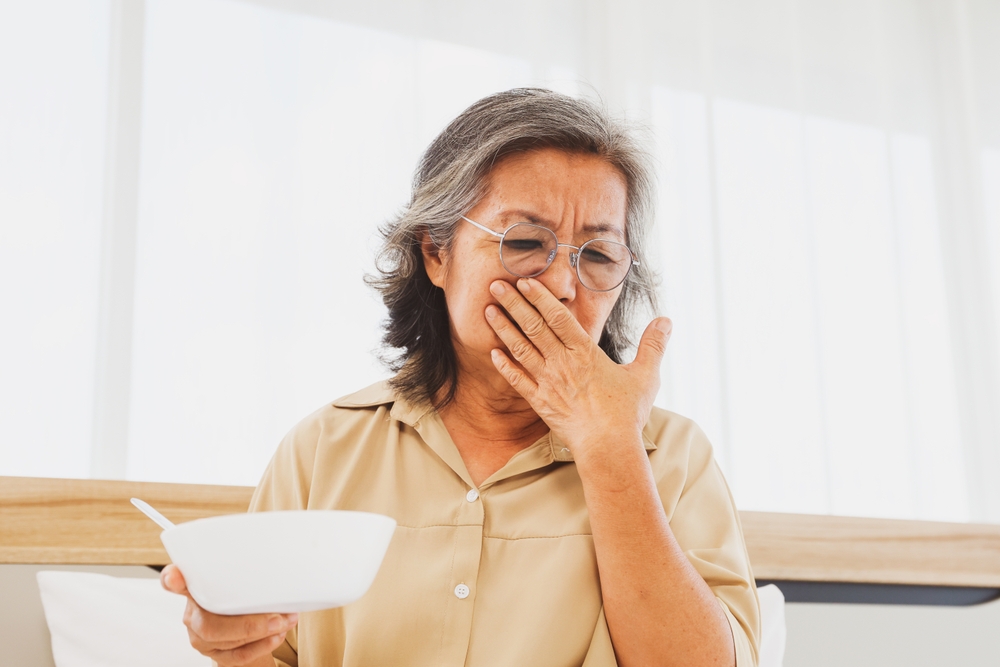
Reheating rice carelessly can sometimes lead to an upset stomach or even serious food poisoning. Follow these simple guidelines to avoid a risk of a tummy bug writes, Nithin Reddy
Rice is part of daily life in most Indian homes. Whether it is the fresh aroma of steamed rice, a comforting plate of curd rice, leftover masala rice from lunch, or biryani stored for later, many of us keep cooked rice in the fridge to enjoy another day. It feels harmless and familiar. Yet, what many people do not realise is that reheating rice carelessly can sometimes lead to an upset stomach or even serious food poisoning.
This is especially important for older adults, since our digestive systems become more sensitive with age. A little extra care can help you enjoy your favourite rice preparations without worry.
Why Rice Can Be Risky When Reheated Incorrectly
Rice does not look dangerous, and compared with raw meat or seafood it seems perfectly safe. The issue lies in a bacterium called Bacillus cereus, which is commonly found in soil. Its spores can survive the cooking process. If rice is left out for too long after cooking, these spores can grow and produce toxins. Once these toxins form, reheating the rice does not destroy them, even if the rice becomes very hot.
This is why poor storage, not poor reheating, is usually the real cause of rice-related food poisoning.

Symptoms to Watch Out For
If rice has gone bad, symptoms usually appear quickly, sometimes within just a few hours. They include:
• nausea
• vomiting
• stomach cramps
• diarrhoea
The illness usually settles within a day, but senior citizens, children, and those with weaker immunity may feel uncomfortable for longer and may need medical attention if symptoms persist.
Safe Storage: The Most Important Step
The key to safe reheating actually lies in how the rice is stored. In India, it is common to leave cooked rice on the kitchen counter for some time. However, this is exactly when bacteria multiply.
Follow these simple rules:
- Cool It Quickly
After the rice is cooked, cool it as fast as possible within one hour. Spread it on a wide plate or shallow dish so the heat escapes faster. Avoid keeping hot rice in a large vessel for long. - Refrigerate Promptly
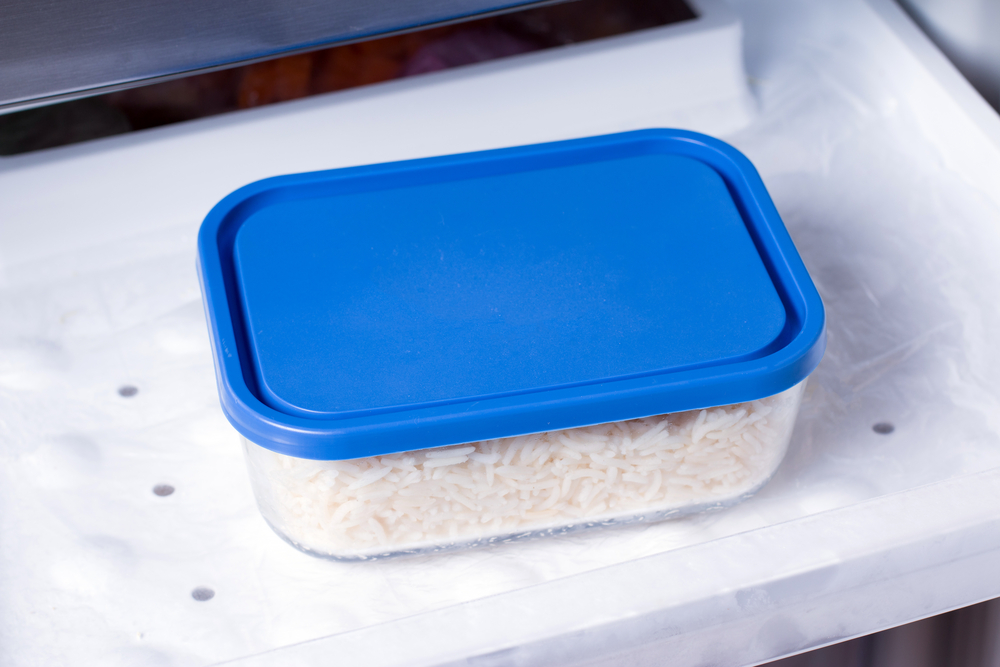
Once the rice has cooled, transfer it to an airtight container and place it in the fridge. Do not leave it on the counter for hours, even during cooler seasons. - Use Within 24 Hours
Although some people keep rice for two days, it is safest to eat refrigerated rice within a day.
Best Ways to Reheat Rice Safely
- On the Stove
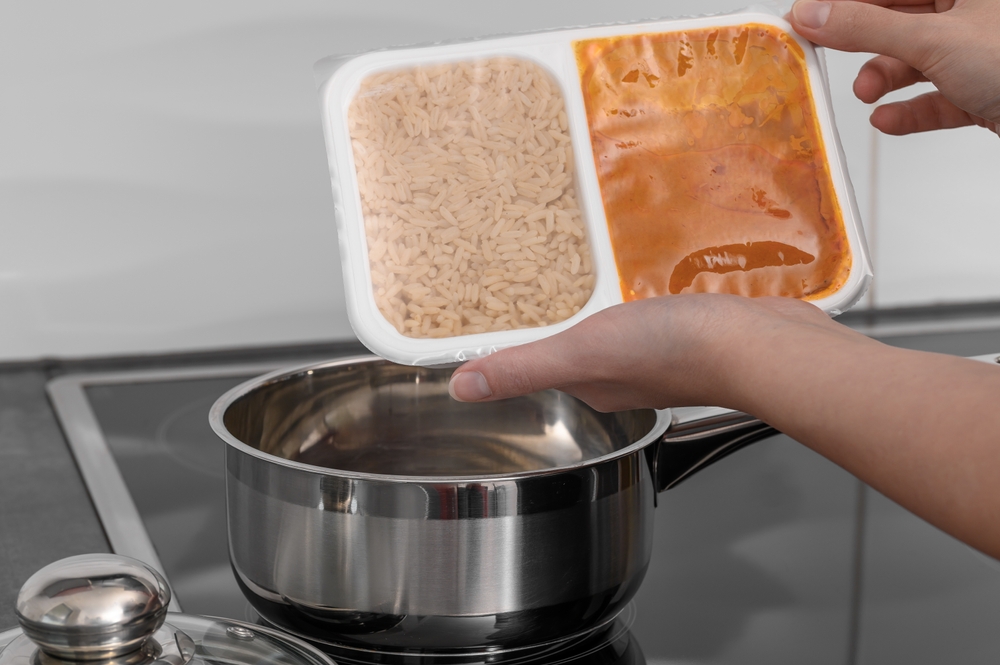
• Put the rice in a pan and sprinkle a few tablespoons of water.
• Cover with a lid.
• Heat on a low to medium flame, stirring occasionally.
The added water creates steam, which warms the rice evenly and prevents it from becoming dry or burnt.
- In the Microwave
• Place the rice in a microwave-safe bowl.
• Add a splash of water and cover with a microwave-safe lid or damp kitchen towel.
• Heat for one to three minutes depending on the quantity, stirring once.
Always ensure the rice is steaming hot all the way through. Microwaves heat unevenly, so stirring is essential.
- In a Steamer or Rice Cooker
If your steamer or rice cooker has a reheat option, this works well.
• Add a little water.
• Steam for five to ten minutes.
This method helps maintain the soft texture we enjoy in Indian cooking.
Important Safety Tips
These are simple but vital:
DO:
Reheat Only Once
Do not keep warming the same rice repeatedly. Reheat only the portion you plan to eat.
Ensure It Is Piping Hot
The rice should be steaming throughout, not just on the surface.
Keep Fresh and Old Rice Separate
Mixing freshly cooked rice with old rice can spoil the new batch.
Throw Away Rice Left Out for Over Two Hours
Even if it looks or smells fine, it may not be safe. The harmful toxins cannot be seen or tasted.
Common Myths About Reheating Rice
DON’TS:
“If I microwave it, it becomes safe.”
Microwaving does not destroy toxins already formed in the rice.
“Cold rice is fine because I will fry it later.”
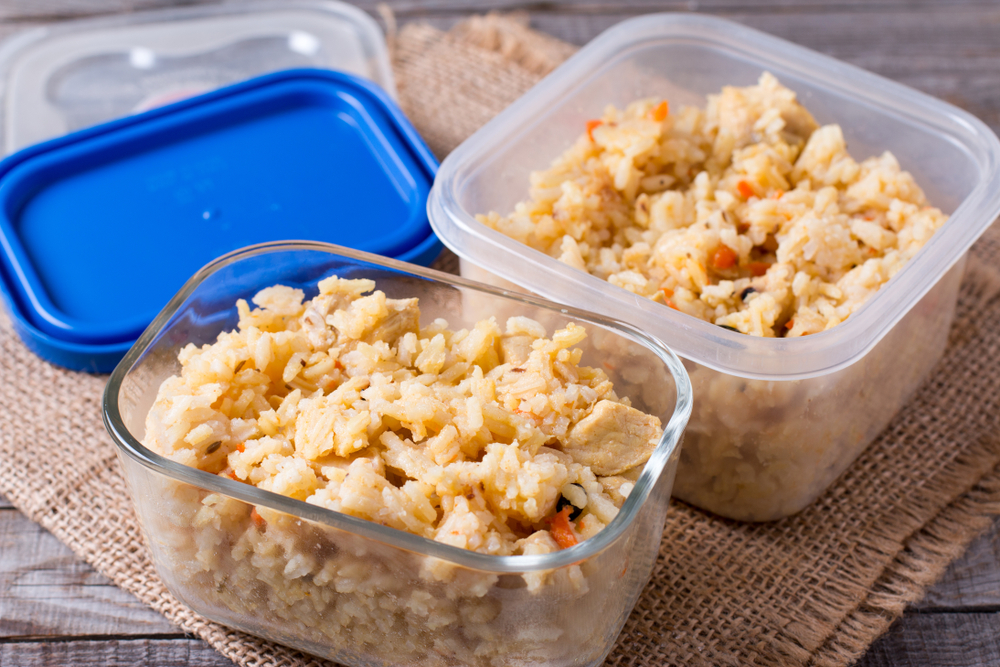
Fried rice is delicious, but only if the cold rice was stored properly in the first place. Leftover rice kept out overnight should never be used.
A Helpful Habit is to Cook Smaller Quantities
Rather than storing large amounts of leftover rice, consider cooking smaller portions. Modern electric cookers make this easy. Freshly cooked rice is always safest, especially for senior citizens.
Rice is an essential part of our Indian meals and brings comfort to the table every day. With just a bit of care while storing and reheating, you can continue enjoying your favourite dishes without worrying about a tummy bug. A few simple habits protect your health and allow you to savour each meal with confidence and ease.