







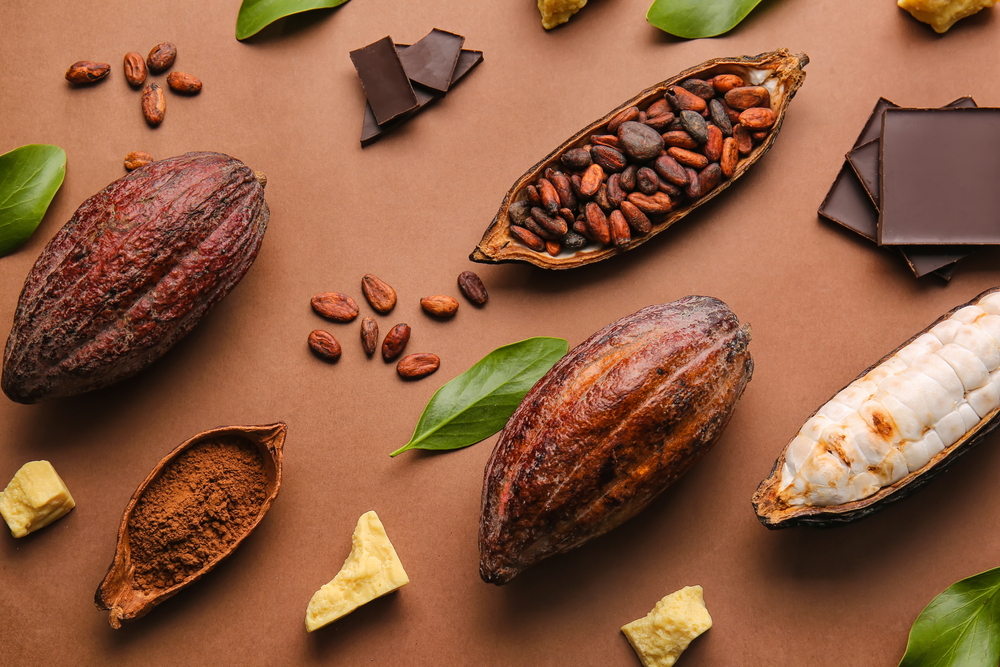
If you’ve ever stood in a supermarket aisle squinting at words like cacao nibs, raw cacao, unsweetened cocoa powder or drinking chocolate, you’re not alone. For something as universally loved as chocolate, the terminology can feel oddly complicated. Seniors I’ve spoken to often say, “In our time, chocolate was just chocolate!” And they’re not wrong—but modern nutrition science has given us reason to look a little deeper.
So let’s break it down simply, humanly, and scientifically: What’s the difference between cocoa and cacao? And does it matter for your health?
- It All Starts With the Same Bean
Both cocoa and cacao come from the Theobroma cacao tree—literally translated as “food of the gods.” Ancient civilisations weren’t exaggerating. The bean is naturally rich in:
- Flavanols, powerful antioxidants
- Magnesium, important for nerve and muscle function
- Theobromine, a gentle stimulant that can improve alertness without the jitters
- Fibre, supporting gut health
The difference begins after harvesting, in how the beans are processed.
- Cacao: The Raw, Less-Processed Version
Cacao generally refers to the least processed form of the bean. This includes:
- Raw cacao powder
- Cacao nibs
- Cacao paste
- Cold-pressed cacao butter
How it’s made:
The beans are fermented and dried at low temperatures, preserving most of the natural antioxidants and phytonutrients.
Scientific notes:
- Minimal heat means higher flavanol content, which research links to improved blood flow, cardiovascular support, and cognitive benefits in seniors.
- Some studies show raw cacao contains up to 40–60% more antioxidants than standard cocoa powder.
- Higher magnesium and polyphenol levels are associated with lower blood pressure and improved insulin sensitivity.
Taste:
More bitter, more intense, less “chocolatey”.
Who usually prefers it:
People seeking health benefits, raw food eaters, or those who enjoy strong, unsweetened flavours.
- Cocoa: The Heated, Mellow, Familiar Version
Cocoa is what most of us grew up with—think hot chocolate, chocolate bars, and baking cocoa.
How it’s made:
Cocoa beans are fermented, roasted at higher temperatures, and processed into powder or chocolate.
The heat changes things:
- Some antioxidants degrade.
- The flavour becomes softer and more palatable.
- The texture becomes smoother and richer.
Dutch-processed cocoa goes one step further: it’s treated with an alkaline solution to reduce acidity, giving it that deep, dark colour. But this process can reduce flavanol levels even further.
Taste:
Mellow, warm, familiar—what we imagine when we think of “chocolate”.
Nutrition-wise:
Still nutritious, just less potent than raw cacao.
- The Health Showdown—Which Is Better?
Let’s compare the two side-by-side.
| Nutrient/Effect | Cacao | Cocoa |
|---|---|---|
| Antioxidants | ⭐⭐⭐⭐⭐ Higher | ⭐⭐⭐ Moderate |
| Magnesium | Higher | Moderate |
| Heart health benefits | Stronger evidence | Present but lower |
| Taste | Bitter, intense | Smooth, comforting |
| Best for | Health-focused use | Baking, hot drinks, daily use |
Scientific summary:
- Cacao gives the maximum nutritional benefit.
- Cocoa gives the maximum culinary enjoyment.
A food scientist once said,
“Cacao is the bean’s natural brilliance; cocoa is the bean made friendly.”
That’s probably the most honest way to put it.
- Which One Should Seniors Choose?
For seniors, especially those managing blood pressure, blood sugar, or inflammation:
Choose cacao when:
- You want a daily antioxidant boost
- You prefer less processed foods
- You want a natural source of magnesium (helpful for sleep, muscle cramps, and energy)
Easy ways to use:
- Add ½ teaspoon to porridge or smoothies
- Sprinkle cacao nibs on fruit
- Make a raw hot cacao drink with warm (not boiling) milk
Choose cocoa when:
- You’re baking
- You want a deeply chocolatey drink without bitterness
- You need a gentle mood lift (thanks to theobromine)
Tip: Choose unsweetened, non-alkalised, dark cocoa powder or chocolate for best health benefits.
- And What About Chocolate Bars?
The health value depends on:
- Cocoa/cacao percentage – 70% and above is better.
- Sugar content – less is better.
- Processing – raw, dark, and minimally processed wins.
Fun fact: Indian brands like Amul and many artisan chocolatiers now offer high-cacao, low-sugar dark chocolate, which gives you the best of both worlds.
- The Final Verdict
If cocoa and cacao were siblings, cacao is the serious, health-focused one—and cocoa is the warm, comforting one. Neither is “good” or “bad.”
If you want nutrition: choose cacao.
If you want flavour and nostalgia: choose cocoa.
If you want both: choose high-quality dark chocolate.
And perhaps that’s the beauty of it: you don’t have to choose one forever. You can mix and match depending on your needs, taste, and mood.