






Science-Backed Strategies with Expert Insights say yes
For many seniors, the thought of enjoying a plate of white rice, ripe mangoes or a piece of soft white bread comes with guilt — all labelled “high glycaemic index” foods that can cause blood sugar spikes. But recent research shows that how you eat can matter as much as what you eat. With the right strategies, seniors can still enjoy traditional, high-GI favourites while keeping insulin levels stable.
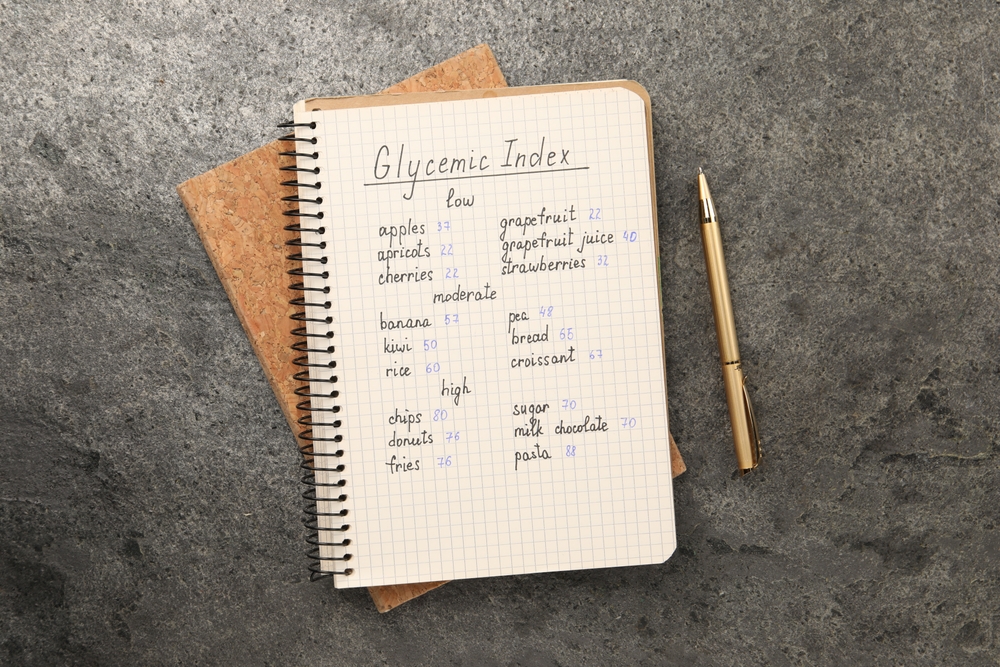
Understanding the Glycaemic Index (GI)
The Glycaemic Index ranks carbohydrates based on how quickly they raise blood glucose. High-GI foods (like white rice, potatoes, and sweets) are digested rapidly, causing a sharp spike in blood sugar and insulin. For seniors, who may have reduced insulin sensitivity, this can contribute to fatigue, inflammation, and metabolic issues.
“The goal isn’t to avoid carbs completely — it’s to manage the way the body responds to them,” explains Dr. Neha Sharma, Consultant Endocrinologist, Fortis Hospital, Delhi. “Simple changes in meal composition and timing can significantly reduce post-meal insulin spikes.”
- Pair High-GI Foods with Protein and Fibre
One of the simplest, most effective strategies is to combine high-GI foods with protein or fibre-rich foods.
Studies published in The American Journal of Clinical Nutrition (2020) show that adding protein (like lentils, paneer, or yoghurt) or soluble fibre (like vegetables or flaxseeds) slows digestion, reducing glucose absorption.
Example:
Instead of plain white rice, pair it with dal, sabzi, and curd. The fat and fibre content delays glucose release and prevents sharp insulin surges.
“The order and pairing of food really matter,” says Dr Sharma. “Protein and fibre create a buffering effect that keeps blood sugar more stable.”
- Add a Dash of Acid — Vinegar or Lemon
Acidity helps reduce the glycaemic response. A review in Food Chemistry (2021) found that vinegar or lemon juice before a meal can reduce post-meal glucose by up to 30%.
Tip: Squeeze lemon on rice or salads, or have a small glass of diluted apple cider vinegar (1 tbsp in a cup of water) before meals — but only after consulting your doctor if you have acidity or reflux.
- Watch the Timing: Eat Carbs After Protein or Veggies
A clever trick validated by a 2015 study in Diabetes Care found that eating protein and vegetables before carbohydrates led to significantly lower post-meal glucose and insulin levels.
For seniors, this “food order” method is simple and effective.
Try: Start your meal with a bowl of cooked vegetables or dal, then move to rice or chapati.
- Cool and Reheat Starchy Foods
When starchy foods like potatoes, rice, or pasta are cooked, cooled, and then reheated, some of their starch becomes “resistant starch”, which behaves like fibre. This slows glucose release.
Research from Nutrition & Metabolism (2019) showed that cooling rice overnight reduced its glycaemic impact by nearly 50%.
Practical tip: For seniors who meal-prep, refrigerate leftover rice and reheat before eating — you’ll enjoy comfort food with a gentler glucose effect.
- Gentle Movement After Meals
A light 10-15 minute walk after eating can significantly blunt glucose spikes, according to Diabetologia (2022).
For seniors, even household chores or light yoga after lunch or dinner helps muscles absorb glucose more efficiently.
“Movement acts like a natural insulin,” says Dr. Rakesh Bhatia, Geriatric Physician, Mumbai. “It doesn’t have to be exercise — even strolling after meals makes a measurable difference.”
- Manage Portion Sizes and Mindful Eating
Portion control remains key. High-GI foods in small quantities, eaten slowly and with balanced sides, are much less harmful.
A mindful eating approach — chewing well and savouring food — slows digestion and improves glucose control.
A Sample “Smart Carbohydrate” Meal for Seniors
| Meal | Components | Effect |
|---|---|---|
| Lunch | Brown or cooled white rice + dal + stir-fried vegetables + lemon wedge | Balanced fibre and protein |
| Snack | Banana with a handful of peanuts | Protein and fat blunt GI |
| Dinner | Chapati with paneer curry and cucumber salad | Slower glucose absorption |
You don’t need to banish rice or fruit to control blood sugar. Instead, focus on meal composition, food order, and timing. These simple, science-backed tweaks allow for a more enjoyable and sustainable approach to healthy eating.
Please consult your doctor or dietitian before making any changes to your diet.
“The best diet is one you can follow happily for life,” says Dr Sharma. “When seniors eat with awareness — balancing taste and nutrition — their insulin levels naturally find stability.”