

If you’re a master of the “blame-game” and always point at others for what goes wrong, here’s what you should do instead
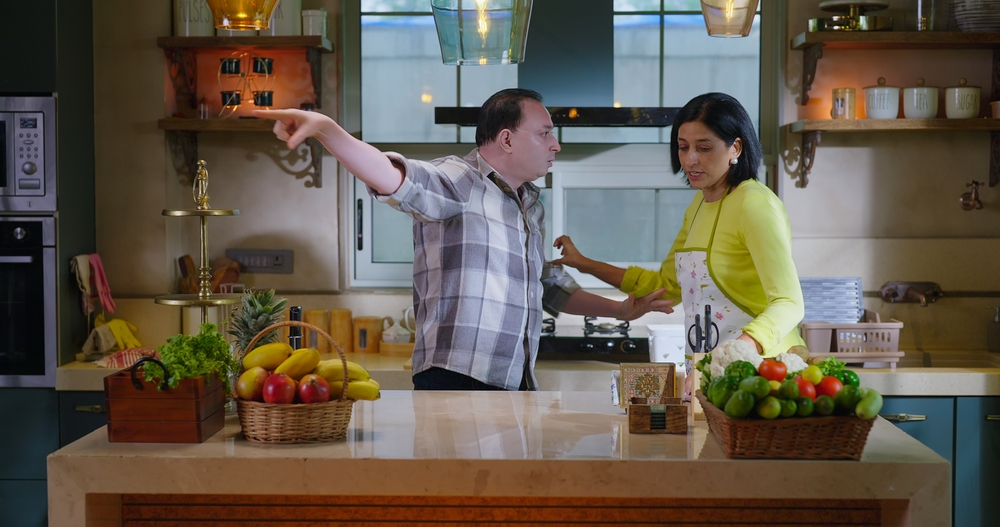
We’ve all done it – the power goes out, the tea spills, the bus is late, something doesn’t go as we planned, and instantly our mind says, “It’s their fault!” Blaming others feels natural because it shifts the discomfort away from us. But psychologists warn that living in a cycle of blame doesn’t just hurt relationships – it quietly drains our own happiness too.
Why do we blame others?
Blame often acts as a shield. It protects our self-image when things go wrong. Dr Brené Brown, research professor and author, puts it simply:
“Blame is a way to discharge pain and discomfort.”
In other words, when we feel frustrated or hurt, pointing the finger at someone else gives us temporary relief. But the relief doesn’t last. Over time, constant blame creates tension, bitterness, and even loneliness. Oftentimes, we blame others as part of a habitual unconscious behaviour.
The hidden cost of blame
Psychologists have found that people who habitually blame others often struggle with:
- Stress and anxiety – because they feel powerless over their own lives.
- Strained relationships – since others feel attacked or misunderstood.
- Stalled personal growth – as blame blocks learning from mistakes.
As Dr Albert Ellis, a pioneering psychologist, once said:
“The best years of your life are the ones in which you decide your problems are your own. You don’t blame them on your mother, the ecology, or the president.”
What you can do instead
- Pause and Reflect
Instead of instantly pointing outward, take a breath and ask: “What part of this could I have influenced?” This simple shift builds self-awareness.
- Practise Responsibility, Not Guilt
Responsibility means owning your role without beating yourself up. Psychologist Nathaniel Branden explained:
“The first step toward change is awareness. The second step is acceptance.”
By accepting our role, we give ourselves the power to change.
- Turn “Why Me?” into “What Next?”
Blame keeps us stuck in the past. Shifting the question to “What now or what next?” opens doors to solutions. For example, instead of, “The driver made me late,” try, “What can I do to avoid this next time?”
- Practise Empathy
Sometimes people make mistakes – just like we do. Trying to see things from their perspective lowers anger and helps us respond more calmly.
- Seek Constructive Support
Talking to a trusted friend or therapist helps us process frustration without falling into blame. It’s a healthier outlet for emotions.
As we grow older, we realise that peace matters more than being “right”. Letting go of blame doesn’t mean ignoring mistakes – it means freeing ourselves from the burden of bitterness. By choosing responsibility over resentment, we gain calmer minds and kinder connections.
Blaming others might feel easy in the moment, but it keeps us chained to the problem. Responsibility, reflection, and empathy are the keys to breaking free.
Or as psychologist Carl Jung wisely said:
“Everything that irritates us about others can lead us to an understanding of ourselves.”
So next time things go wrong, instead of pointing a finger, try turning the mirror gently inward. You may just find the peace you’ve been looking for.