






“Agar firdous bar rū-ye zamīn ast, hamīn ast-o hamīn ast-o hamīn ast-o
If there is a paradise on Earth, it is this, it is this, it is this.”
These words by 13th century Sufi poet Amir Khusrau were echoed centuries later by Emperor Jehangir as he gazed upon Shalimar Bagh in Kashmir.
When a child is born, a mother often places a black dot on the baby’s cheek or forehead—to ward off the evil eye. Tragically, Kashmir, one of the most breathtakingly beautiful places on this planet, had no such protection. Today, it lies at the heart of a bitter, unresolved conflict between India and Pakistan. The history of this hostility is well-documented, but perhaps no longer worth recounting. Its consequences, however, still unfold.
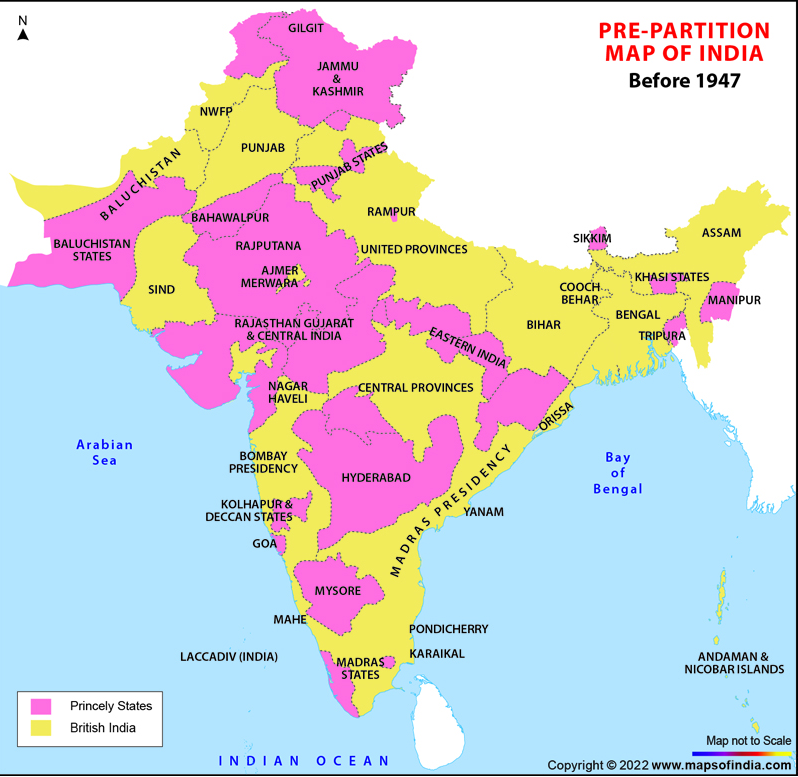
For many senior citizens, Partition is not a mere historical event—it is a memory, a scar that has never truly healed. We witnessed the birth of two nations and the heartbreak of one undivided land. Looking back from 2025, it becomes clear that the Partition of India was not a clean severing—it was a deep wound and its pain continues to ripple through generations, through families, through minds.
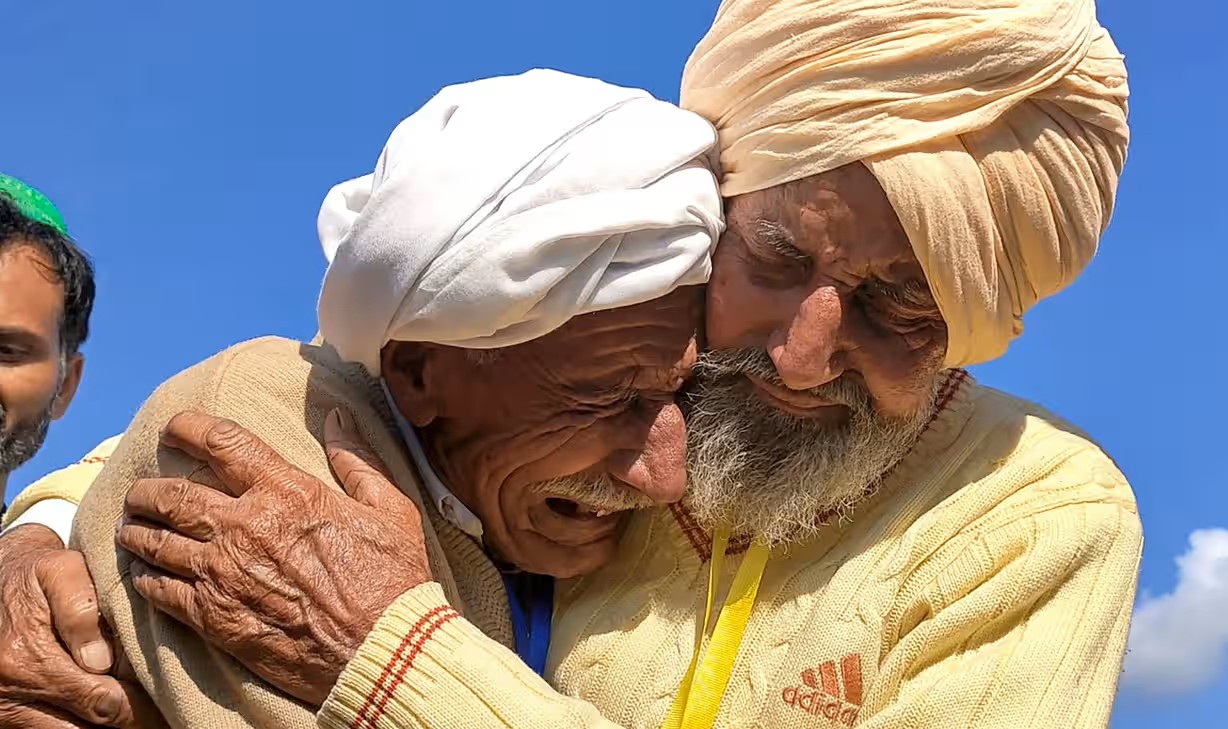
Image Courtesy: The Guardian
One of the most tragic consequences of Partition was the division of families. Over 15 million people are said to have been displaced. It remains the largest migration in human history. As borders were hastily drawn, entire families fled across them. Nearly two million people lost their lives. Homes that had stood for centuries, communities, traditions, heritage—were all lost. No one could have anticipated the sheer ferocity of the bloodbath that followed.
The British announced their abrupt departure, leaving behind a subcontinent in chaos. Cyril Radcliffe, a man who had never set foot in India, was entrusted with the task of drawing the borders between India and Pakistan. In a matter of weeks, lines were carved through homes, fields and hearts.
In August 1947, after 300 years of rule, the British not only looted India of its wealth, but worse—they sowed the seeds of hatred between Hindus and Muslims. It is well-documented that district magistrates, working with the police, instigated communal riots across the subcontinent. Communities that had co-existed for nearly a millennium turned on each other in a terrifying frenzy. This was the British ‘divide and rule’ policy at its most destructive. The hatred they unleashed will haunt us for generations. They were, truly, an evil force—the children of Lucifer and Medusa.
Every land they ruled suffered inhuman acts of cruelty. If one were to put them on trial for war crimes, the verdict would be death. The next generation must be told these truths, to recognise how brutal and exploitative their ancestors were. Beneath their veneer of civility lies the blood of innocents—stains that no cleansing can remove.
All the perfumes of Arabia will not sweeten this hand.
- Macbeth (William Shakespeare)
The Partition was not an event with an end. It continues to shape lives—past, present and future. The hurried nature of the division meant that no adequate systems were in place to manage the transition. This wilful negligence resulted in widespread violence. Understanding the history of Partition is crucial if we are to understand its lasting imprint on the psyche of both nations. The British policy of division sowed a legacy of mistrust, hatred, and deep-seated resentment. Instead of healing, the wound has only deepened.
India and Pakistan have since fought four wars—in 1947, 1965, 1971 and 1999—as well as numerous skirmishes. Each conflict claimed countless lives. The bitterness has only intensified.
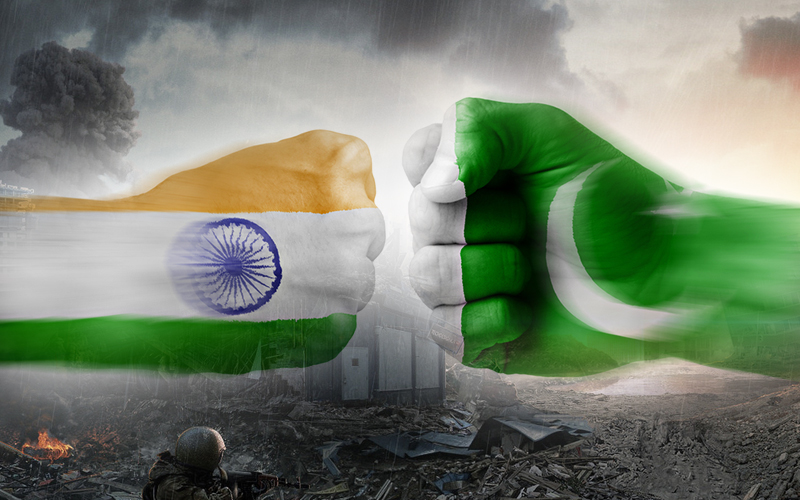
For many of us seniors, the pain is personal. We remember Partition not just through history books, but through the stories of our parents—of family members killed, of survivors who lived through one hardship after another. For many, Partition wasn’t the dawn of freedom… it was a night where the stars vanished and the morning never came.
Families that once celebrated Diwali, Holi, Eid and Baisakhi together turned into enemies overnight. And yet, there were those who risked their lives to protect neighbours from the madness and mayhem of the streets.
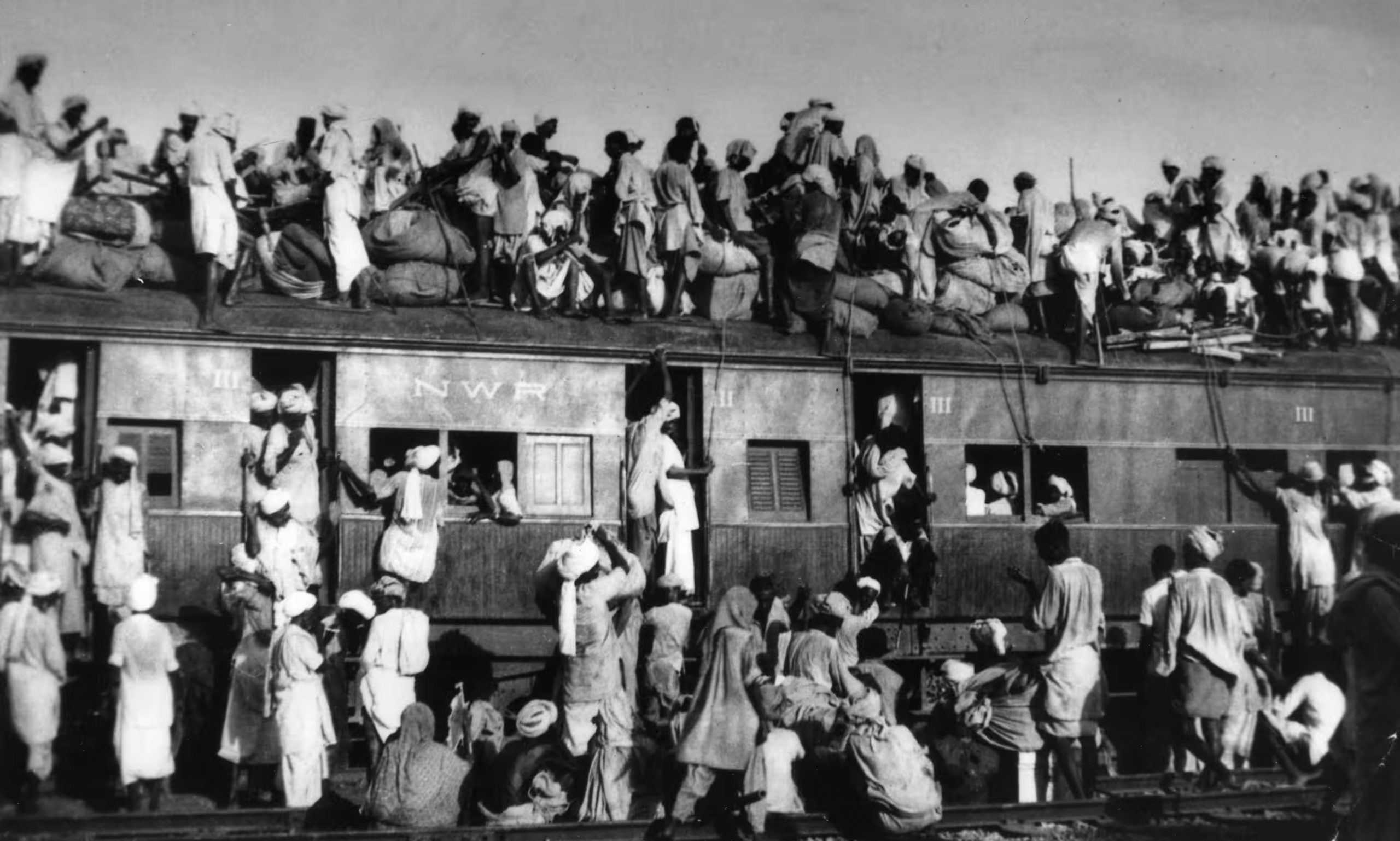
Trains, once symbols of modern India, became vehicles of horror. There are haunting photographs—people seated on rooftops, hanging from doors. One train arrived in Delhi, and someone asked: how many survivors? How many corpses? These were trains that never arrived.
Partition is not just an old wound—it is a lesson. A reminder of what happens when hatred triumphs, when fear divides, when politics forgets its humanity. For seniors, it is essential to share these stories—not just with sorrow, but with wisdom. The young must know that we were not always divided, that our festivals were once celebrated under a shared sky. The pain of lost homes is deeply human.
For today’s generation, Partition is a chapter in a history textbook. For senior citizens, it was—and is—life. The hatred born out of Partition is among the most poisonous legacies of the last century.
India is a democracy. We have an elected government that is answerable to its people. Pakistan, by contrast, is run by army generals—men who reside in 10acre mansions with armed security and overflowing bank accounts, often abroad. Their children live lives of luxury in safe countries, while their own citizens suffer. Pakistan is a failed state—bankrupt, ill-governed and struggling. Many of its people are largely uneducated and desperate to escape. What remains is the poor and the army. And for these generals, war is a necessity—for their relevance, for their survival. The affluent are educated abroad, they throw lavish parties, and even as the rue the state of their nation, they go on with their lives.
There are moments in a nation’s journey when history demands not only reflection, but action. Today is one such moment. After Pulwama, we responded with Balakot. And now, once again, we face a grave provocation.
In the serene valley of Pahalgam, a group of tourists was murdered. Not because they did anything, but simply because of who they were.
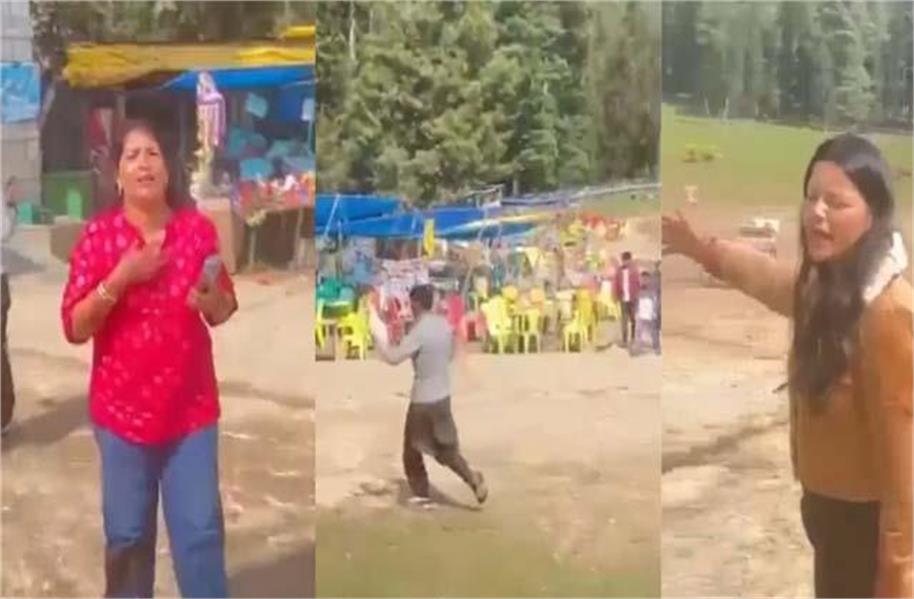
Let there be no doubt—these attackers were extremists, brainwashed with hatred and lies. A narrative has been built—portraying Indians as occupiers in Kashmir, a land that has been home to them for over a thousand years. And yet, despite the barbarity of these acts, the world remains largely silent with just the token expression of outrage.
When such acts occur in Europe, the global anger is immediate. But when Indians are murdered in their own homeland, the world hesitates. It forgets to speak.
As history threatens to repeat itself, the question remains: will the world once again respond with empty speeches and “both sides” rhetoric, or will it finally acknowledge the truth?
Today, India speaks in one voice. This is not the time for blame games or finger-pointing over intelligence failures. The focus must now be on justice—ensuring that those responsible are held accountable.
For the sake of our forefathers and those who built the nation, for the generation of today and the future, let us stand up, speak out and ensure that such atrocities are never again tolerated. Not now. Not ever.