






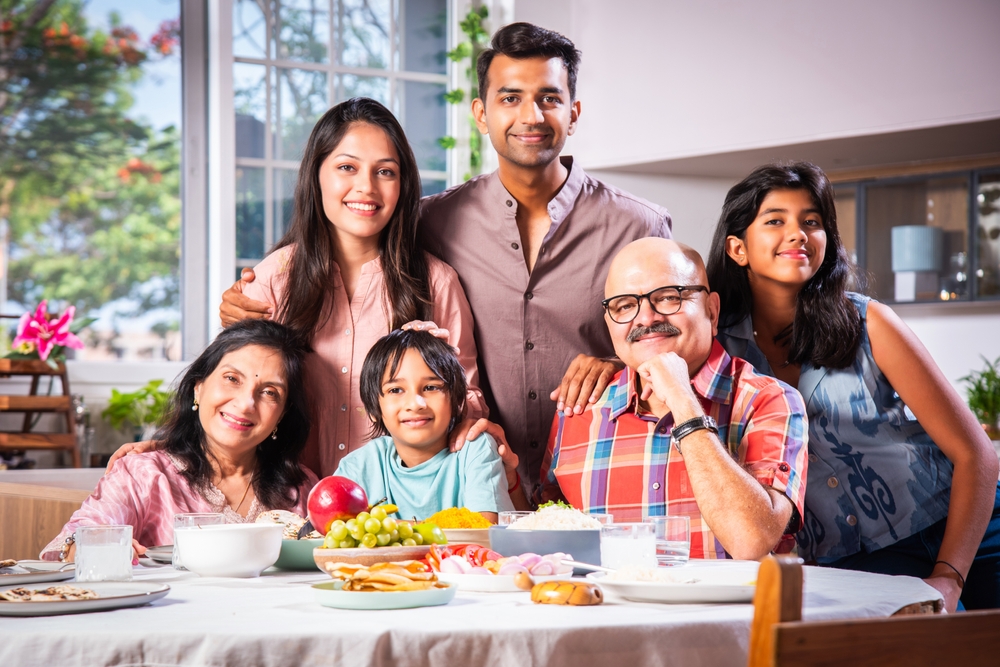
In the traditional Indian setup, both generations complement each other, with parents providing the structure and grandparents providing unconditional love and cultural continuity, writes Dr Monika M Dass
The Psychology of Indian Parents:
The “parenting trap” today is a blend of high-pressure, intensive parenting, social media comparison, and fear-based decision-making that leads to burnout and anxious children. It often involves over-scheduling, over-protecting, and over-investing, leaving little room for independence or “good enough” parenting, ultimately harming both parents’ well-being and kids’ resilience.
- The Intensive Parenting Trap: Parents act as “CEOs” or middle managers, micromanaging education and extracurriculars to ensure future success in an increasingly unequal economy.
- The Gentle Parenting Trap: Problems arise when parents acknowledge emotions without setting firm boundaries, sometimes turning the parent into a friend rather than a leader.
- The Escalation Trap: A cycle where children learn that negative behaviors (like tantrums) only stop once a parent gives in or yells, reinforcing those behaviors for both parties.
- The Digital Parenting Paradox: While technology can make parenting easier (e.g., planning, education), it often leads to overstimulation and constant comparison with “Instagram-perfect” families.
- The “Good Enough” Trap: Many parents feel guilty if they aren’t “perfect,” yet research suggests that a “good enough” environment is often more beneficial than one focused on unattainable perfection.
Shift in Values and Challenges
Research shows a significant generational shift in parenting goals:
- Autonomy over Obedience: In 1986, 40% of parents valued obedience; by 2024, this dropped to 18% as parents began prioritizing independence and imagination.
- Increased Time: On average, parents in 2005 spent nearly two hours more per day with their children than parents in the late 1970s did.
- Public Scrutiny: About 70% of parents believe parenting is harder today, citing public judgement and the pressure to prove they are “doing it right”.

The Psychology of Indian Grandparents:
Indian grandparents often function as the emotional and cultural anchor of the family, deriving significant psychological well-being from their role as caregivers, storytellers, and keepers of tradition. They offer unconditional warmth and stability, bridging generations while fostering emotional security and resilience in grandchildren. Their involvement often deeply influences the family’s collectivist structure.
- Emotional Investment & Legacy: Grandparents often view grandchildren as “cream of the milk” – a cherished legacy. They invest deeply, seeking to pass on values and traditions, which provides them with a sense of purpose and continuity.
- The “Mirroring” Effect: Many experience intense emotional bonds by seeing reflections of their own children or themselves in their grandchildren, which can trigger nostalgia and a deep, nurturing love.
- Cultural & Moral Mentorship: They act as the primary storytellers and “reservoirs of family wisdom,” imparting empathy, patience, and cultural history to younger generations.
- Caregiving Dynamics: In three-generation households, Indian grandparents often serve as surrogate parents or primary caregivers, which can enhance their mental health but also create stress based on the intensity of care required.
- Psychological Well-being and Support: While providing immense emotional support, grandparents themselves may face loneliness or isolation. Their mental health is heavily dependent on feeling included in family events and respected by the younger generation.
- Balanced Roles: Effective grandparenting involves acting as a loving mentor rather than a strict disciplinarian, often providing a “listening ear” that bridges gaps in a, potentially, high-stress, nuclear, or modern family setup.
Research suggests that close relationships with grandparents can significantly increase the emotional well-being of both the grandchildren and the grandparents themselves.

Comparing Indian parents and grandparents often reveals a distinct shift in parenting styles between generations, primarily characterized by a move from authoritative, tradition-driven parenting to more permissive, indulgent love. While both share a deep commitment to family welfare, the roles and emotional expressions differ significantly:
- Role Differences: Parents are the “implementers” of structure and discipline, while grandparents are the “nurturers” who offer companionship and fun.
- Generational Shift: Modern parents are attempting to be more communicative, whereas grandparents often belong to a generation where obedience was prioritized over emotional expression.
- Conflicts: Grandparents sometimes act as a buffer against strict parenting, though this can occasionally lead to conflict over how a child is raised.
Ultimately, in the traditional Indian setup, both generations complement each other, with parents providing the structure and grandparents providing unconditional love and cultural continuity.