







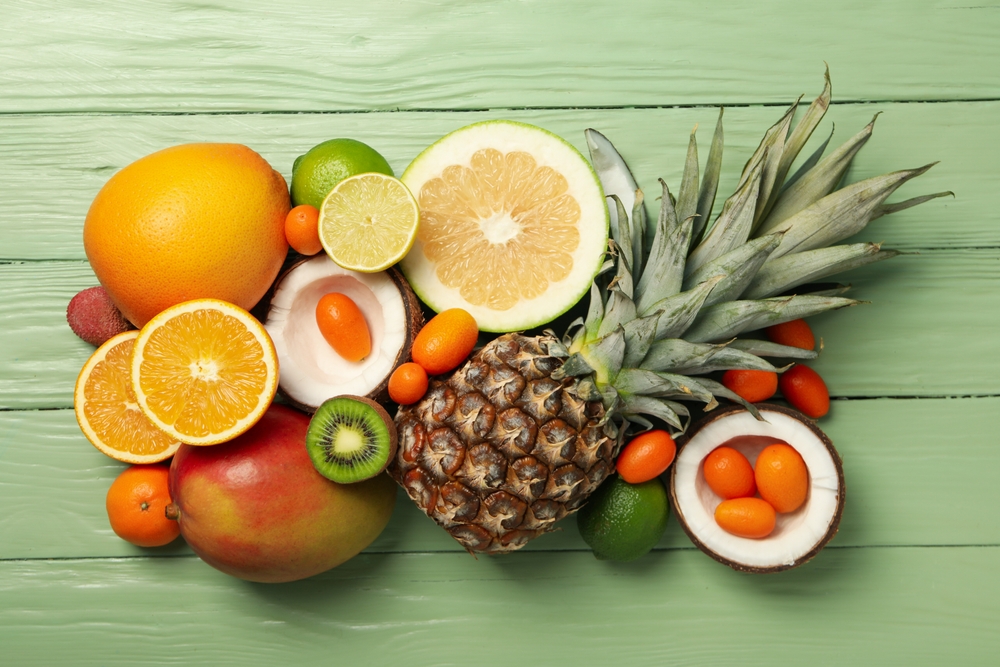
Rich in water, electrolytes, antioxidants, and easily digestible sugars, these fruits are your best choice of foods in summer
As temperatures rise, our bodies work harder to stay cool, hydrated, and energised. Nature, quite remarkably, responds in kind—summer fruits are not only refreshing but scientifically aligned with what the body needs during heat stress.
Rich in water, electrolytes, antioxidants, and easily digestible sugars, these fruits help regulate body temperature, prevent dehydration, and support everything from skin health to cardiovascular function.
Here are 15 of the best fruits to eat in summer—backed by science.
-
Watermelon – The Ultimate Hydrator
With over 90% water content, watermelon is one of the most hydrating fruits available.
Science says: It contains lycopene, a powerful antioxidant linked to reduced oxidative stress and improved heart health. Its high water and electrolyte content help prevent heat exhaustion.
-
Mango – The King of Summer Fruits
Loved across India, mangoes are rich in vitamins A, C, and E.
Science says: Mangoes contain beta-carotene and polyphenols, which support immunity and skin repair—especially useful during sun exposure.
-
Coconut (Tender Coconut Water & Flesh)
Technically a fruit, tender coconut is a natural electrolyte drink.
Science says: It contains potassium, sodium, and magnesium—making it comparable to oral rehydration solutions for mild dehydration.
-
Pineapple – A Digestive Ally
Juicy and tangy, pineapple is ideal after heavy summer meals.
Science says: It contains bromelain, an enzyme that aids protein digestion and may reduce inflammation.
-
Papaya – Gentle on the Gut
Soft, easy to digest, and perfect for all ages.
Science says: Rich in papain, it improves digestion and supports gut health. It is also high in vitamin C, boosting immunity during seasonal infections.
-
Muskmelon (Cantaloupe)
Light, fragrant, and cooling.
Science says: High in water and potassium, muskmelon helps maintain fluid balance and supports blood pressure regulation.
-
Berries (Strawberries, Blueberries, Mulberries)
Small but nutritionally dense.
Science says: Packed with anthocyanins, these fruits combat oxidative stress, support brain health, and may slow age-related cognitive decline.
-
Litchi – Sweet Hydration
A seasonal delicacy, litchis are refreshing and aromatic.
Science says: Rich in vitamin C and flavonoids, they help protect cells from heat-induced oxidative damage.
-
Oranges and Sweet Lime (Mosambi)
Classic summer citrus fruits.
Science says: High in vitamin C and water, they boost immunity and enhance iron absorption—important during fatigue caused by heat.
-
Grapes – Natural Energy Boosters
Available in green, red, and black varieties.
Science says: Contain resveratrol, linked to heart health and anti-ageing effects. Their natural sugars provide quick energy without heaviness.
-
Pomegranate – Cooling and Restorative
A deeply nourishing fruit with a refreshing taste.
Science says: Rich in punicalagins and antioxidants that reduce inflammation and support cardiovascular health.
-
Guava – A Fibre Powerhouse
Often overlooked, yet incredibly nutritious.
Science says: Extremely high in vitamin C—often more than oranges—and rich in fibre, aiding digestion and blood sugar control.
-
Apples – Light and Versatile
Though available year-round, apples are especially useful in summer diets.
Science says: Contain pectin, a soluble fibre that supports gut health and stabilises blood sugar levels.
-
Plums – Natural Coolants
Juicy and slightly tart, plums are refreshing in the heat.
Science says: Rich in antioxidants and compounds that may support bone health and reduce inflammation.
-
Kiwi – A Nutrient-Dense Surprise
Less traditional but increasingly popular.
Science says: High in vitamin C, vitamin K, and fibre, kiwi supports immunity, digestion, and skin health during sun exposure.
Why Summer Fruits Matter – The Science in Simple Terms
During summer, the body:
- Loses fluids through sweat
- Experiences oxidative stress due to heat and UV exposure
- Requires lighter, easily digestible foods
Summer fruits help by:
- Replenishing water and electrolytes
- Providing antioxidants to combat cellular damage
- Supporting digestion when appetite is low
- Delivering natural sugars for sustained energy
A Simple Tip to Maximise Benefits
Eat fruits whole and seasonal, ideally:
- In the morning or mid-afternoon
- At least 30 minutes before or after meals
- Fresh whole fruit rather than juiced (to retain fibre)
While fruits are healthy, moderation matters—especially for those managing blood sugar levels. Pairing fruits with nuts or seeds can help slow sugar absorption.
Summer fruits are not just a treat for the palate—they are nature’s intelligent response to heat. By choosing a colourful variety, you nourish your body with hydration, protection, and vitality.
Or as nutrition science increasingly affirms:
“Eat with the season, and you eat with wisdom.”