






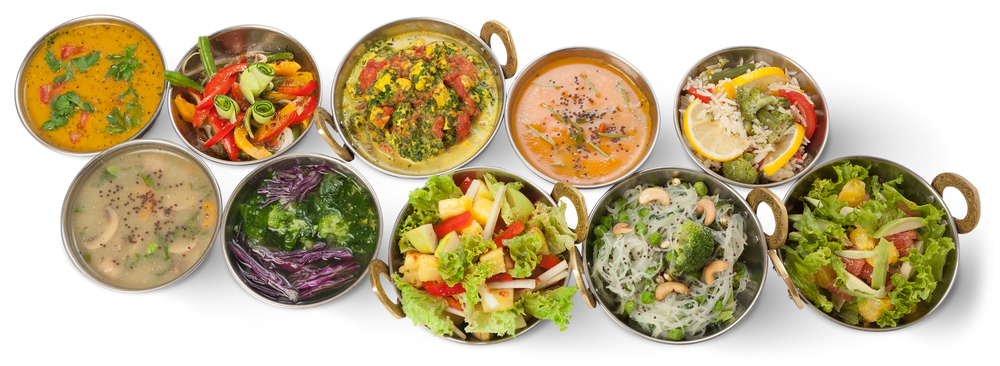
Your body craves them, so eat plentiful of these veggies
When the temperature rises and the air turns heavy, our bodies instinctively begin to seek foods that cool, hydrate and restore balance. Science supports what traditional wisdom has long known: seasonal vegetables are not just fresher—they are physiologically aligned with our needs.
Summer vegetables tend to be high in water, rich in electrolytes, and abundant in antioxidants, helping the body regulate temperature, support digestion and prevent dehydration.
Here are 15 of the best vegetables to eat in summer—and the science behind why they matter.
-
Cucumber
With over 95% water content, cucumbers are nature’s hydration heroes. They also contain potassium and magnesium, which help maintain fluid balance and prevent heat fatigue.
Science note: Cucumbers contain compounds called cucurbitacins, which have mild anti-inflammatory properties.
-
Bottle Gourd (Lauki)
Light, cooling and easy to digest, bottle gourd is ideal for hot weather.
Why it works: Its high water content and low calorie density support hydration without burdening digestion—important when metabolism slows in heat.
-
Ridge Gourd (Turai)
This humble vegetable is rich in fibre and helps prevent sluggish digestion, a common summer complaint.
Science note: Its fibre supports gut motility, while its water content aids detoxification through the kidneys.
-
Pumpkin
Often overlooked in summer, pumpkin is rich in beta-carotene, which converts to vitamin A.
Why it matters: Vitamin A supports skin repair and protects against sun damage.
-
Bitter Gourd (Karela)
An acquired taste, but a powerful one.
Science-backed benefit: Contains charantin, a compound shown to help regulate blood sugar—especially useful when summer diets become irregular.
-
Snake Gourd
A traditional summer staple in many Indian kitchens.
Why it works: Its cooling effect is linked to its high moisture content and mild laxative properties, helping prevent heat-induced constipation.
-
Ash Gourd (Winter Melon)
Despite its name, ash gourd is a summer superfood.
Science note: It is rich in electrolytes and has been shown in preliminary studies to support hydration and reduce body heat.
-
Okra (Lady’s Finger)
Okra is rich in soluble fibre.
Why it matters: This fibre forms a gel-like substance that supports digestion and stabilises blood sugar levels.
-
Green Beans
Light yet nutrient-dense, green beans provide vitamin C and folate.
Science note: Vitamin C acts as an antioxidant, helping to combat oxidative stress caused by heat exposure.
-
Spinach (in moderation)
While traditionally considered a winter green, small amounts of spinach can still be beneficial.
Why: It provides iron and magnesium, though it’s best consumed cooked and in moderation during peak heat.
-
Amaranth Leaves (Chaulai)
A summer-friendly leafy green rich in calcium and iron.
Science note: Its micronutrient density helps combat fatigue and supports muscle function in hot weather.
-
Capsicum (Bell Peppers)
Bright, crunchy and refreshing.
Why it works: High in vitamin C, capsicum helps maintain skin health and supports immunity during seasonal stress.
-
Tomatoes
Technically a fruit, but nutritionally used as a vegetable.
Science-backed benefit: Rich in lycopene, an antioxidant linked to protection against UV-induced skin damage.
-
sZucchini
A global summer favourite.
Why it matters: Low in calories, high in water, and easy to digest—perfect for light summer meals.
-
Brinjal (Aubergine)
Often debated, but valuable in moderation.
Science note: Contains nasunin, an antioxidant that supports brain cell protection.
Why Seasonal Eating Matters
Modern nutrition science increasingly supports the concept of “chrononutrition” and seasonal alignment—the idea that our bodies respond best to foods that grow in the same environmental conditions we live in.
Summer vegetables:
- Help regulate core body temperature
- Provide hydration and electrolytes
- Support digestive ease
- Reduce the risk of heat-related fatigue and inflammation
Simple Ways to Include Them Daily
- Add cucumber and tomatoes to cooling salads or raitas
- Prepare light lauki or turai sabzis
- Blend ash gourd into refreshing summer juices
- Stir-fry zucchini and capsicum with minimal spices
- Use okra in simple, dry preparations to retain nutrients
In the heat of summer, the body does not ask for richness—it asks for relief. These vegetables are not just ingredients; they are quiet, natural regulators, helping you stay energised, hydrated and balanced.
Eating with the season is perhaps one of the simplest, most profound ways to support health—no fads, no extremes, just nature in rhythm with you.