






As we grow older, our nutritional needs change. One key nutrient that becomes increasingly important in later life is vitamin A. This essential vitamin plays a vital role in maintaining vision, boosting immunity, and supporting skin and cellular health. Including vitamin A-rich foods in your diet as a senior can help preserve quality of life and protect against age-related health concerns.
Why Vitamin A Matters More in Later Life
Vitamin A is a fat-soluble vitamin that is critical to many bodily functions. For older adults, its importance becomes even more pronounced due to the natural ageing process and the potential for underlying health conditions. Here are a few reasons why vitamin A should not be overlooked:
- Protects Vision
Age-related vision problems such as cataracts and macular degeneration are common among seniors. Vitamin A is essential for maintaining the health of the retina and for supporting night vision. A deficiency can lead to night blindness and, in severe cases, permanent loss of sight.
- Strengthens the Immune System
As we age, our immune response naturally weakens, making us more vulnerable to infections. Vitamin A helps strengthen the body’s defences by supporting the health of skin, lungs, and the lining of the digestive tract — all of which serve as barriers against pathogens.
- Supports Skin Integrity and Wound Healing
Ageing skin becomes thinner and more prone to damage. Vitamin A promotes the regeneration of skin cells and supports wound healing, which can help seniors recover more effectively from minor injuries or skin conditions.
- Assists with Cell Repair and Reproduction
Cellular turnover slows with age. Vitamin A helps regulate the growth and repair of cells throughout the body, contributing to organ health and overall vitality.
Best Sources of Vitamin A for Seniors
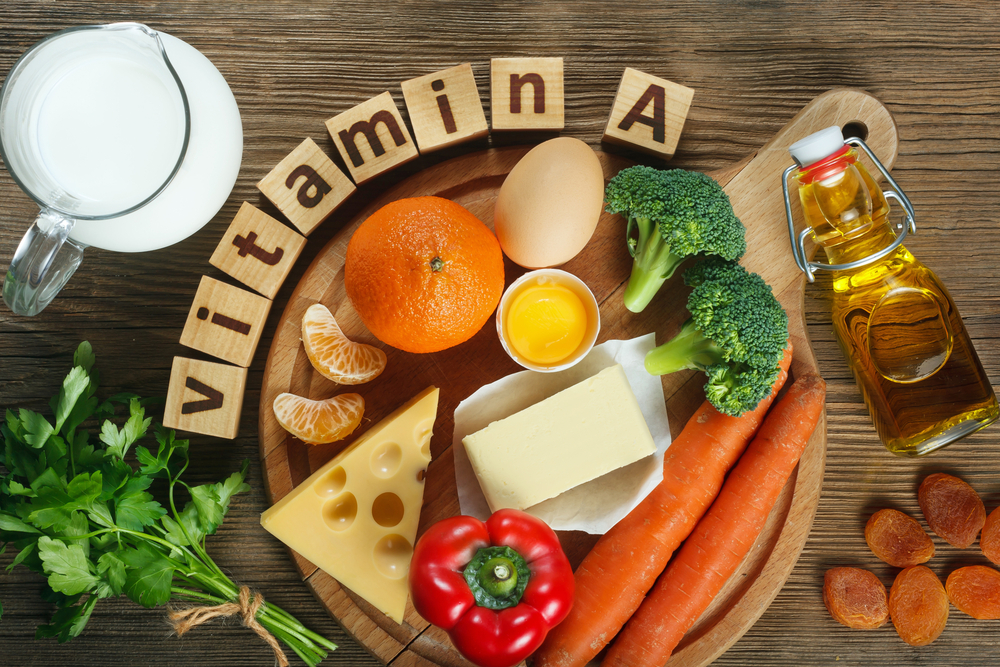
A healthy, balanced diet that includes both preformed vitamin A (from animal sources) and provitamin A carotenoids (from plant sources) is the best approach. Here are some nutrient-rich foods to include:
Animal-Based Sources (Preformed Vitamin A – Retinol)
- Liver (in moderation)
- Eggs
- Full-fat dairy products like milk and cheese
- Oily fish such as mackerel or salmon
Plant-Based Sources (Beta-Carotene)
- Carrots
- Sweet potatoes
- Kale and spinach
- Butternut squash
- Red and yellow peppers
- Apricots and mangoes
Tip: To help your body absorb beta-carotene more effectively, eat it with a small amount of healthy fat, such as olive oil, nuts, or avocado
Special Considerations for Older Adults
- Watch for Deficiency: Seniors with limited diets, chronic illnesses, or issues with fat absorption may be at greater risk of vitamin A deficiency. Signs include dry skin, night blindness, and frequent infections.
- Avoid Excess: Too much vitamin A, especially from supplements, can be harmful. It may cause nausea, dizziness, liver problems, and, in extreme cases, increased risk of osteoporosis. It’s generally safer to get vitamin A from food rather than high-dose supplements unless advised by a healthcare professional.
For seniors, maintaining a diet rich in vitamin A is essential to support ageing eyes, a healthy immune system, and strong skin and tissues. While it’s important to be mindful of intake levels, a varied diet full of colourful fruits and vegetables, along with moderate amounts of animal-based foods, will usually provide all the vitamin A your body needs. As always, speak with a doctor or dietitian before making significant changes to your diet or taking supplements.