






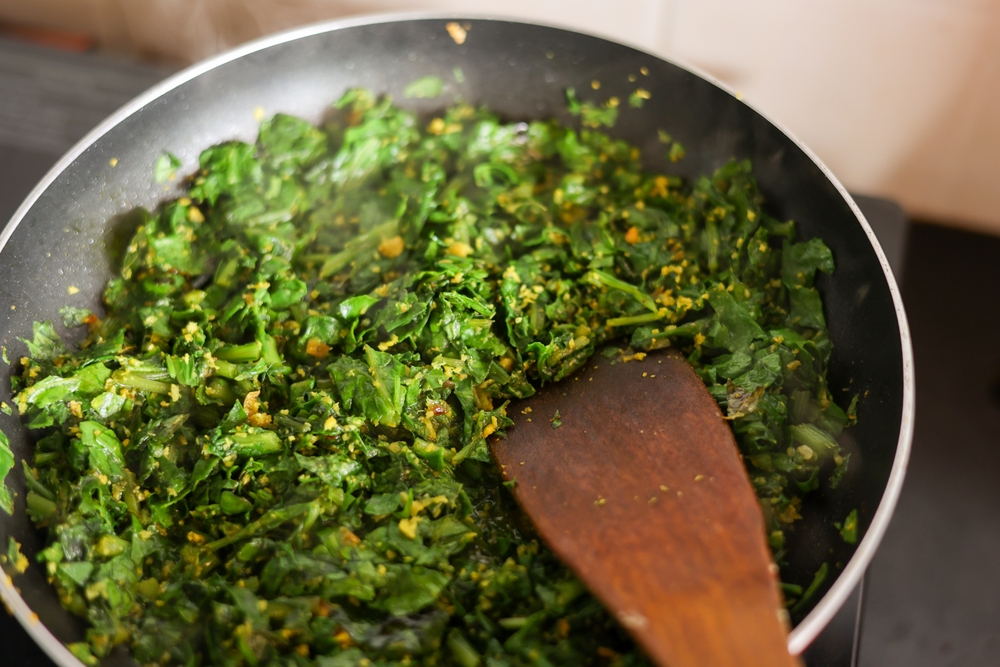
A science-backed, practical guide to the consumption of leafy greens in your daily diet
Leafy greens have nourished Indian households for centuries — long before the word “superfood” entered our vocabulary. Today, kale has joined the conversation, often presented as essential for good health. But for Indian seniors, the real question is not whether kale is powerful — it is whether it is necessary, suitable, and sustainable.
Let’s separate nutrition science from food fashion.
Why Leafy Greens Matter More as We Age
Ageing brings predictable changes: reduced bone density, slower digestion, higher inflammation, and increased cardiovascular risk. Large population studies consistently show that regular consumption of leafy greens is linked to:
- Better bone strength and reduced fracture risk
- Lower risk of heart disease
- Improved blood sugar control
- Slower cognitive decline
Neuroscience research suggests that nutrients such as vitamin K, folate, lutein and antioxidants — abundant in leafy greens — support brain health and memory by reducing oxidative stress and inflammation.
Kale contains all of these. But importantly, so do many Indian greens.
Kale: Nutritional Strengths and Limitations
What Kale Does Well
Kale is a nutrient-dense cruciferous vegetable, offering:
- Vitamin K – essential for bone health
- Vitamin C and beta-carotene – support immunity and eye health
- Calcium (plant-based) – helpful for seniors avoiding dairy
- Fibre – aids digestion and cholesterol balance
- Polyphenols – reduce chronic inflammation
These qualities make kale a useful addition for seniors — particularly when cooked.
Where Caution Is Needed
Kale is not ideal when consumed carelessly.
- Raw kale can be difficult to digest, causing bloating or discomfort
- Contains goitrogens, which may affect thyroid function if eaten raw and frequently
- High vitamin K content means seniors on blood thinners must maintain consistency
The good news: gentle cooking neutralises most concerns, making kale safe in moderation.
Is Kale Essential in the Indian Diet?
The short, reassuring answer is no.
Indian diets already include nutritionally comparable — and often more digestible — greens:
- Spinach (palak)
- Mustard greens (sarson)
- Bathua
- Drumstick leaves (moringa)
- Amaranth (chaulai)
These traditional greens provide similar benefits for bones, heart, brain and digestion. From a scientific and cultural perspective, variety matters far more than importing one specific vegetable.
Kale works best as:
- An occasional addition
- Not a daily requirement
- Never a replacement for Indian greens
How Should You Eat Kale
For seniors, how kale is cooked matters more than how much.
Best practices:
- Always cook kale (steam, sauté, pressure cook)
- Pair with digestive spices like cumin, ajwain, garlic and hing
- Use small portions mixed into familiar dishes such as dal or sabzi
Kale adapts beautifully to Indian cooking when treated like any other saag.
The Golden Rule for Seniors: Rotate, Don’t Repeat
Modern nutrition science agrees with ancient Indian wisdom:
Dietary diversity supports gut health, immunity and metabolic balance.
Eating the same green every day — even a healthy one — is unnecessary and sometimes counterproductive.
This is where a weekly leafy-greens rotation becomes powerful. Please check with your doctor or dietician before embarking upon any changes in your diet.
A 7-Day Leafy-Greens Rotation Plan
This plan balances:
- Nutrient variety
- Digestive comfort
- Familiar flavours
- Seasonal flexibility
All portions are cooked and senior-friendly.
Day 1 – Spinach (Palak)
Why: Rich in folate, iron and lutein
Best form: Palak dal or lightly sautéed palak sabzi
Benefit: Supports heart and eye health
Day 2 – Drumstick Leaves (Moringa)
Why: Exceptionally high in antioxidants and calcium
Best form: Moringa leaf dal or stir-fry with coconut
Benefit: Anti-inflammatory, supports immunity and bones
Day 3 – Kale
Why: High vitamin K and fibre
Best form: Kale mixed into moong dal or soup
Benefit: Bone support and cholesterol balance
✔️ Keep portions modest
Day 4 – Amaranth (Chaulai)
Why: Easy to digest, rich in magnesium and iron
Best form: Chaulai bhaji with garlic
Benefit: Muscle function and energy support
Day 5 – Mustard Greens (Sarson)
Why: Powerful anti-inflammatory compounds
Best form: Soft sarson ka saag (less makhan)
Benefit: Joint health and circulation
Day 6 – Bathua
Why: Traditional winter green, gentle laxative effect
Best form: Bathua raita (light) or sabzi
Benefit: Digestive health and gut regularity
Day 7 – Mixed Greens
Why: Maximises nutrient diversity
Best form: Combine 2–3 greens in dal or sabzi
Benefit: Supports microbiome diversity and overall resilience
Good health in later years is not built on trends, powders or imported labels. It is built quietly — meal by meal — through:
- Familiar foods
- Gentle cooking
- Thoughtful variety
- Cultural continuity
Kale can absolutely have a place on our plates — but it should sit comfortably alongside our own remarkable greens, not above them.