






A practical guide to protecting yourself, recognising warning signs and knowing when not to wait
The monsoon brings welcome relief from the heat, but it also creates exactly the conditions mosquitoes need to multiply. For older adults, dengue and chikungunya deserve particular attention—not because you should be frightened of every mosquito bite, but because prevention, early recognition and timely medical care matter.
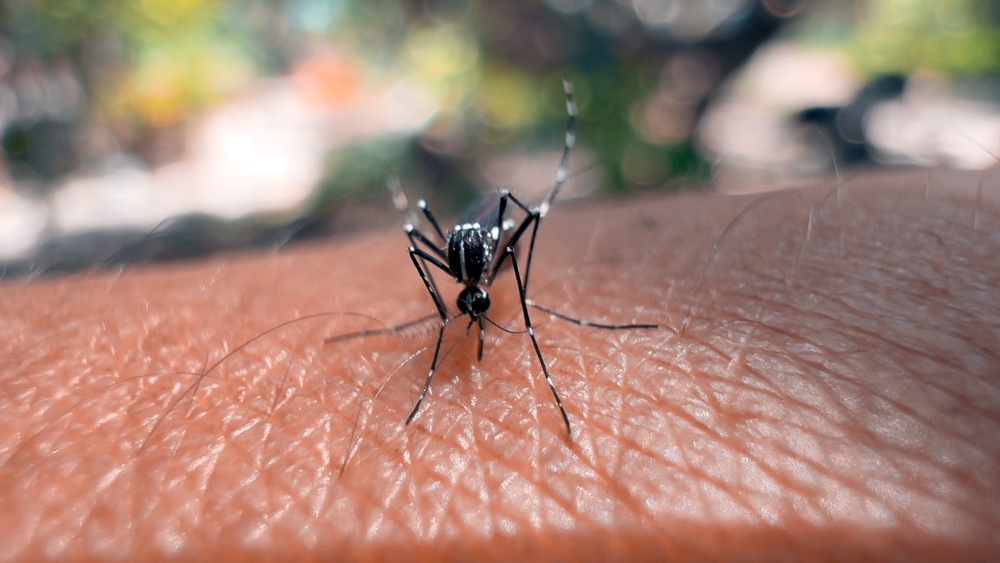
Both diseases are transmitted primarily by the Aedes mosquitoes. And here is something many people forget: these mosquitoes are predominantly daytime biters, often active in the early morning and late afternoon.
So your mosquito precautions should not stop when you wake up.
First, know the difference
Dengue commonly causes a sudden fever accompanied by headache, pain behind the eyes, muscle and joint pains, nausea, vomiting or a rash. Most people recover, but a small proportion develop severe dengue, which can become life-threatening.
Chikungunya typically causes sudden fever and often striking joint pain. Muscle pain, headache, rash, nausea, fatigue and joint swelling may also occur. The fever may settle relatively quickly, but the joint pain can persist for weeks or, in some people, much longer.
The two illnesses can look similar initially. Do not try to diagnose yourself from symptoms alone.
THE DO’S
DO protect yourself during the day
Don’t reserve mosquito protection for bedtime.
Wear loose, light clothing that covers your arms and legs when practical, particularly if you are sitting outdoors, gardening, walking or spending time in areas where mosquitoes are prevalent. Use an appropriate mosquito repellent according to its label directions. WHO lists repellents containing ingredients such as DEET, picaridin/icaridin or IR3535 as effective options.
If you use sunscreen as well as repellent, follow the product instructions; generally, sunscreen goes on first and repellent afterwards.
DO make your home mosquito-unfriendly
Look around your home once a week.
Mosquitoes can breed in surprisingly small quantities of stagnant water:
- flowerpot saucers
- buckets
- discarded containers
- tyres
- trays
- coolers
- clogged drains
- open water-storage containers
- plant containers and other objects that collect rainwater
Empty, clean and dry water-holding containers regularly. Keep water-storage containers properly covered.
Don’t assume that because your home is clean, it cannot harbour mosquito breeding sites. A spotless home can still have a flowerpot saucer full of stagnant water.
DO use screens and nets
Window and door screens can reduce mosquitoes entering the house.
If you take an afternoon nap—a particularly common and sensible habit for many seniors—remember that daytime protection matters. A mosquito net can be useful, particularly if you live in an area with active transmission.
DO pay attention to a sudden fever
Don’t dismiss a new fever as simply “the weather”, a viral cold or something you ate.
Dengue symptoms commonly begin around 4–10 days after infection, while chikungunya symptoms generally appear around 4–8 days after an infected mosquito bite, although the timing can vary.
If you develop a sudden fever—especially with severe body aches, headache, rash, nausea or significant joint pain—contact your doctor.
DO drink adequate fluids if you become unwell
Fever can increase fluid requirements, and dehydration can become a concern, particularly in older adults.
If you are unwell, ask your doctor what and how much you should drink, particularly if you have heart, kidney or other conditions for which fluid intake may need to be restricted.
DO keep your doctor informed about your medicines
This is particularly important for seniors who take several medicines every day.
If dengue is suspected, do not casually reach for aspirin or ibuprofen for fever or body pain. WHO advises avoiding aspirin and NSAIDs such as ibuprofen until dengue has been ruled out because they can increase bleeding risk.
Ask your doctor or pharmacist what is appropriate for you.
DO take persistent joint pain seriously after chikungunya
One of the less appreciated aspects of chikungunya is that the fever may disappear while the joint pain remains.
For some people, joint pain can continue for weeks or months and occasionally much longer.
If you have arthritis or another joint condition already, tell your doctor that you have had suspected or confirmed chikungunya. It can otherwise be difficult to distinguish a flare of an existing condition from post-chikungunya joint symptoms.
THE DON’TS
DON’T assume a mosquito bite is harmless
Most mosquito bites do not result in dengue or chikungunya. But you cannot tell by looking at the mosquito whether it carries a virus.
Prevention is much easier than dealing with the illness afterwards.
DON’T wait for a very high fever before seeking advice
Older adults may not always present with textbook symptoms.
If you suddenly become unwell with fever, marked weakness, unusual body aches, rash, vomiting or severe joint pain, contact your doctor rather than waiting several days to see what happens.
DON’T self-medicate with painkillers
This deserves repeating.
If dengue is possible, avoid aspirin and NSAIDs such as ibuprofen unless your doctor specifically advises otherwise. The concern is increased bleeding risk.
Do not assume that a familiar over-the-counter painkiller is automatically safe simply because you have taken it before.
DON’T assume that falling fever means the danger has passed
This is particularly important with dengue.
WHO warns that severe dengue can develop around the time the fever begins to settle. Warning signs include severe abdominal pain, persistent vomiting, rapid breathing, bleeding from the gums or nose, blood in vomit or stool, marked weakness, restlessness, pale or cold skin, or extreme thirst. These require urgent medical attention.
A falling temperature is not necessarily a sign that everything is fine.
DON’T ignore a sudden change in your usual functioning
If you are normally independent but suddenly become unusually weak, sleepy, confused, unsteady or unable to manage your usual activities, tell someone.
This is particularly important if you live alone.
Have a family member, neighbour or friend check on you if you have a significant fever or are feeling substantially unwell