






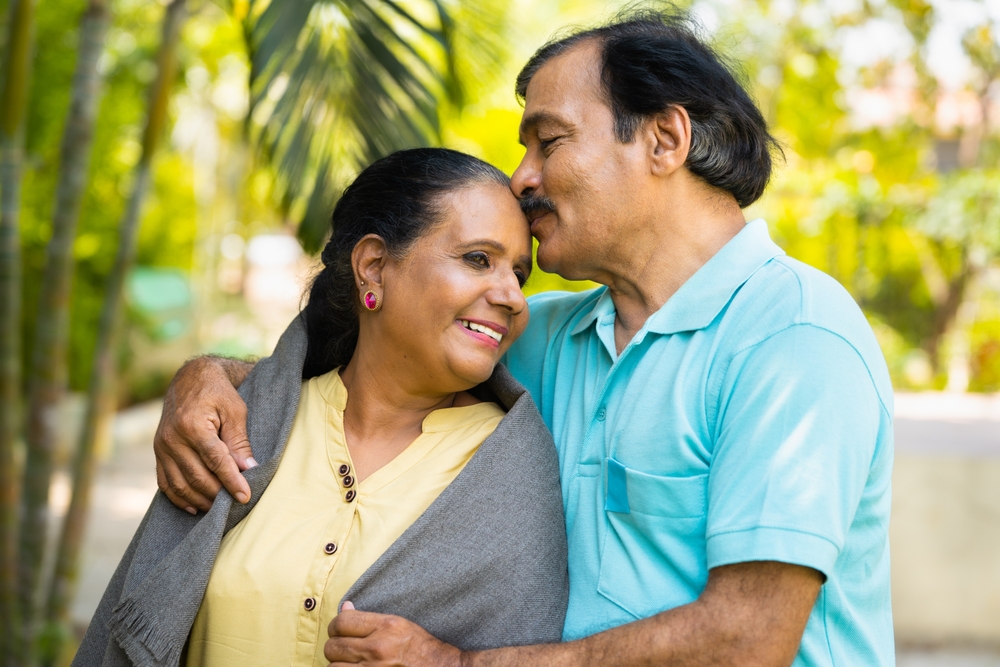
Many people still believe that once a person crosses the age of sixty, romance and sexual intimacy naturally disappear, writes Prof Dr Rajan Bhonsle, MD
In India, we readily acknowledge that growing older brings wisdom, patience, and maturity. However, there’s one aspect of life that many people still hesitate to discuss – sexuality in later years.
Many people still believe that once a person crosses the age of sixty, romance and sexual intimacy naturally disappear. Even many older adults begin to accept this myth, believing that expressions of love, desire, or physical affection are somehow inappropriate for their age. Society reinforces this belief through cultural conditioning, family attitudes, films, and television, where older people are rarely portrayed as romantic partners.
Nothing could be farther from reality.
The need to love and to be loved never retires. While the body changes with advancing years, the emotional need for companionship, affection, touch, and intimacy remains an essential part of our life. In fact, many couples discover that the later years bring a gentler, deeper, and more meaningful form of intimacy than they experienced in their younger days.
A healthy sex life is not merely about sexual intercourse. It is about preserving emotional closeness, mutual affection, trust, and physical warmth… qualities that contribute enormously to happiness, self-esteem, relaxation and overall well-being.
Challenging the Myths We Grew Up With
Perhaps the greatest obstacle to intimacy among senior citizens is not physical ageing but lifelong conditioning.
Many older Indians grew up in homes where sex was never discussed openly… not even between husband and wife. Questions about sexual health were considered embarrassing, and consulting a sexologist for intimacy related concerns was almost unthinkable. These beliefs continue to influence many seniors even today.
Fortunately, modern medicine views sexual health as an ‘integral’ part of healthy ageing. Just as we seek treatment for diabetes, hypertension, arthritis, cataracts, or hearing problems, there is absolutely no reason to ignore concerns affecting intimacy.
Growing older doesn’t mean giving up the desire for affection. It simply means adapting to the changes that age brings.
Redefining Intimacy Beyond Intercourse
When people hear the words “healthy sex life,” they often think exclusively of intercourse. In reality, intimacy is much broader and richer than that.
Holding hands during an evening walk, sharing a warm embrace, cuddling while watching television, exchanging loving words, giving each other a gentle massage, or simply sitting quietly together can strengthen emotional bonds in profound ways.
Many couples report that these seemingly simple gestures become increasingly meaningful with age. The pressure to impress one another fades away, replaced by comfort, warmth and companionship.
After decades being together, intimacy often evolves into a beautiful expression of trust, comfort, deeper friendship, and unconditional love.
Beyond Pleasure: The Benefits of Intimacy
Scientific research has repeatedly shown that affectionate relationships contribute to better emotional and physical health.
Physical affection and sexual activity stimulate the release of endorphins, oxytocin, and other hormones that reduce stress, elevate mood, improve sleep, and strengthen emotional bonding. Seniors who maintain close relationships often report feeling happier, calmer, and emotionally more secure.
Intimacy also helps reduce loneliness… an increasingly common problem after retirement or after children establish their own families.
Equally important is the reassuring feeling of knowing that one is still loved, appreciated, and attractive in the eyes of one’s partner. Such emotional validation can greatly enhance self-confidence and overall quality of life.
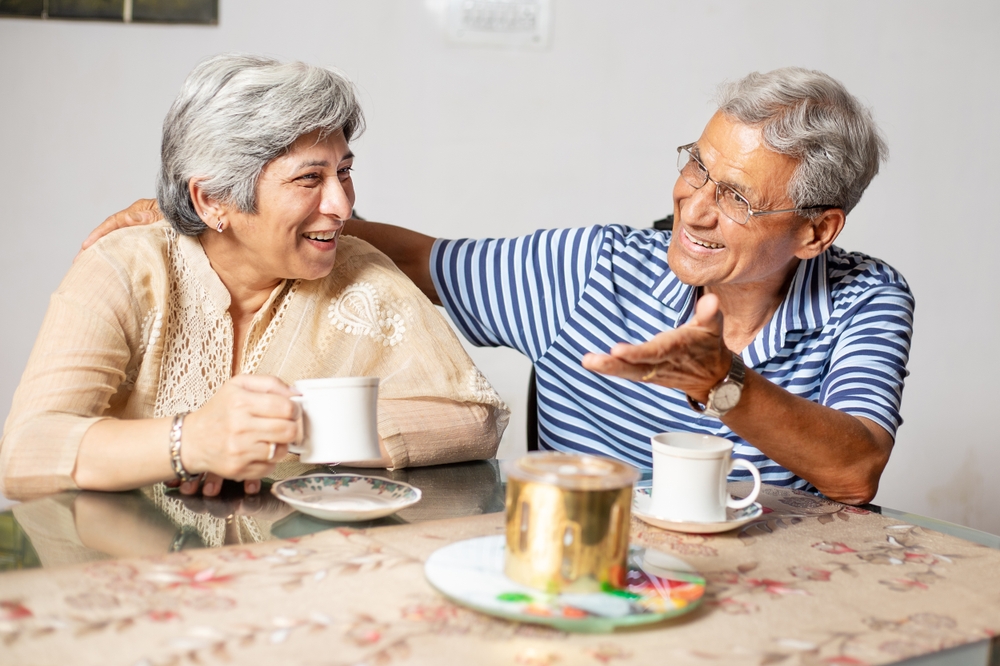
Embracing the Changes of Age
Ageing brings predictable physical changes in both men and women, but these changes do not signal the end of one’s sexual life.
Men may find that erections take longer to achieve, are less firm than before, or require more stimulation. Recovery after orgasm also becomes slower and take much longer. These are normal age-related changes and not necessarily indicators that one’s sex life is over.
Women commonly experience vaginal dryness after menopause because of declining oestrogen levels. Fortunately, lubricants, moisturizers, hormonal treatment where appropriate, and proper medical guidance can usually resolve much of the discomfort.
Chronic illnesses such as diabetes, hypertension, arthritis, Parkinson’s disease, heart disease, or depression can influence sexual functioning. Certain medications can also reduce libido, sexual drive or performance.
The good news is that many of these problems have straightforward and effective solutions. Accepting them as “part of ageing” without seeking help often leads to unnecessary suffering.
Looking Beyond Physical Performance
One of the greatest gifts of ageing is the opportunity to move beyond the idea that sexuality is merely about performance.
Youth often focus on frequency, stamina, or physical perfection. Later life allows couples to appreciate tenderness, emotional connection, patience, humour, and shared memories.
Many senior couples say that while their sexual experiences may be less frequent, they are often more emotionally satisfying. They know each other deeply, understand each other’s needs, and no longer feel compelled to meet unrealistic expectations.
In many ways, love becomes calmer but far more profound.
Don’t Hesitate to Speak to Your Doctor
Despite remarkable advances in medicine, perhaps due to cultural taboos, many Indian seniors continue to suffer silently because they hesitate to discuss sexual concerns with their doctor.
This silence serves no useful purpose.
Today’s sexual medicine specialists are trained to deal compassionately and professionally with issues such as erectile dysfunction, premature ejaculation, vaginal dryness, painful intercourse, reduced libido, or medication-related sexual problems. Sometimes the solution may be as simple as changing a prescription, improving diabetes control, or treating an underlying medical condition.
Sexual health deserves the same attention and respect as every other aspect of physical and emotional health.
There is absolutely no shame in asking for help.
Communication Remains the Foundation
A satisfying intimate relationship depends far less on physical perfection than on honest and open communication.
Partners should be able to discuss their desires, fears, limitations, and expectations without any embarrassment.
Some activities that once felt pleasurable may become uncomfortable, while new ways of expressing affection may become more meaningful. Couples who remain flexible and willing to adapt often enjoy fulfilling relationships throughout their lives.
Patience, playfulness, kindness, humour, and understanding often matter far more than physical ability.
When Illness Enters the Picture
Many older adults live with chronic illnesses, recover from surgery, or undergo treatments for conditions such as stroke, cancer, or heart disease.
These experiences may require some adjustments, but they rarely eliminate the possibility of intimacy altogether.
Intimacy should never be viewed as an all-or-nothing experience. Even a gentle hug or holding hands can provide extraordinary emotional comfort. Choosing comfortable positions, selecting times when energy levels are highest, or simply sharing affectionate touch can maintain emotional closeness despite physical limitations.
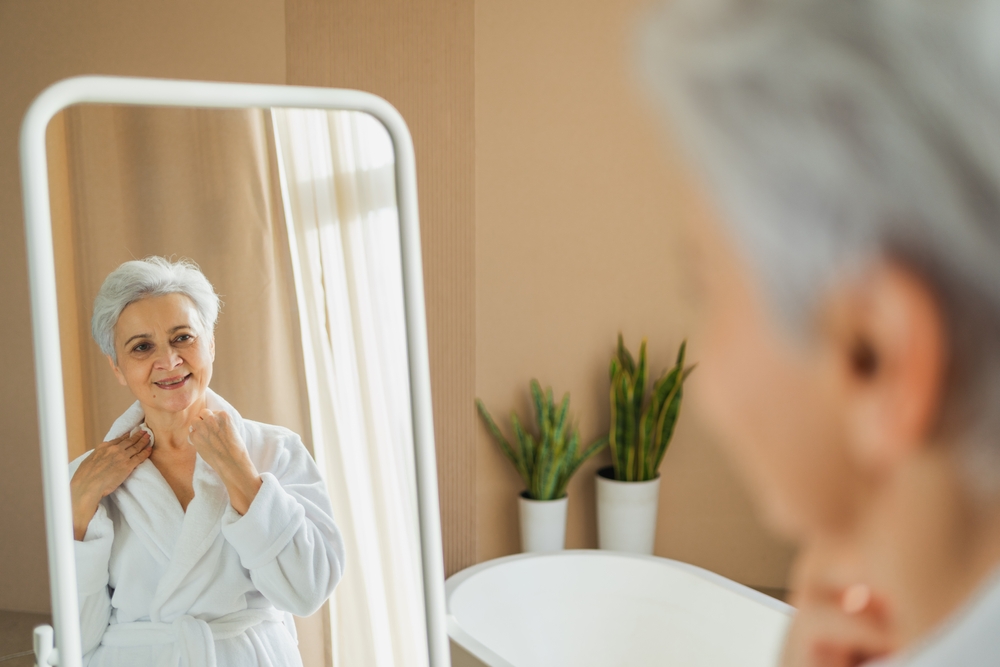
Confidence Begins With Self-Acceptance
Grey hair, wrinkles, weight changes, loss of muscle mass, surgical scars, or disability often affect how older adults perceive themselves. Many begin to believe that they are no longer attractive. Yet genuine intimacy has never depended on youthful appearance alone.
Couples who accept their changing bodies often become more relaxed, less self-conscious, and more emotionally connected.
Kindness, loyalty, humour, shared experiences, emotional warmth, and unwavering companionship become infinitely more attractive with age.
Self-confidence grows not from looking young, but from feeling valued and accepted.
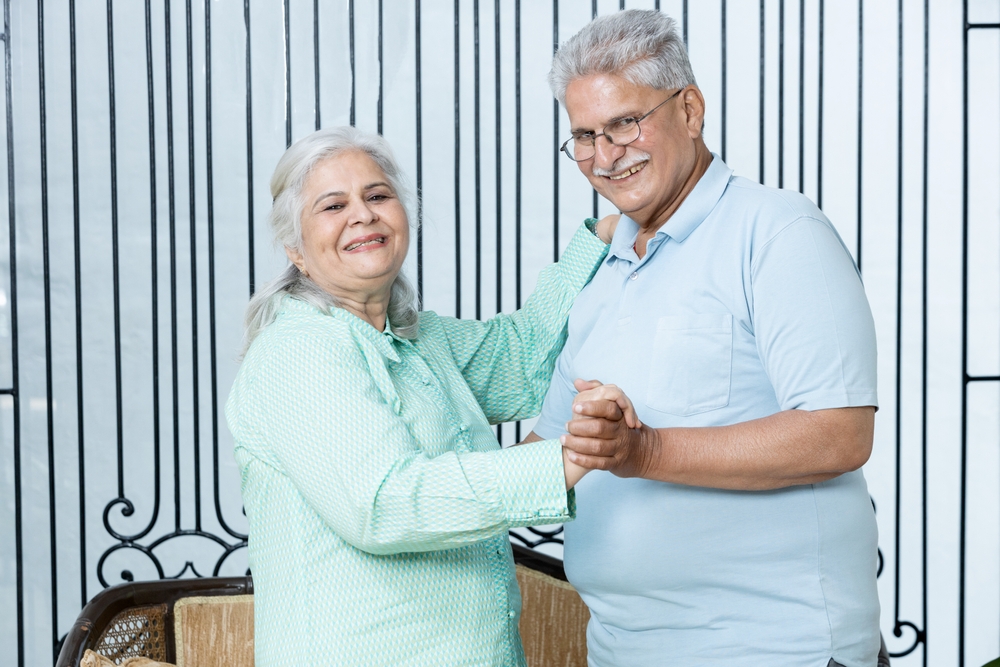
Finding Love Again
Many seniors experience the heartbreaking loss of a spouse after decades of marriage. Others may live alone after divorce or separation.
Following an appropriate period of grief, some individuals naturally seek companionship again. Unfortunately, Indian society often judges older adults who choose to remarry or form new relationships. Adult children may misunderstand their parents’ emotional needs and oppose such decisions.
Companionship is a basic human need throughout life. Seeking love after bereavement is neither disloyal nor inappropriate. It reflects resilience, hope, and the human capacity to heal. Families should respond with empathy rather than criticism.
Sexual Safety Has No Age Limit
Another persistent misconception is that sexually transmitted infections concern only young people.
In reality, older adults entering new relationships should also practise responsible sexual behaviour. Honest conversations, mutual trust, appropriate precautions, and medical advice remain important regardless of age.
Looking after sexual health is simply another way of caring for oneself and one’s partner.
Every Couple Creates Their Own Definition
There is no one-size-fits-all definition of a healthy sex life.
Some couples enjoy regular sexual activity. Others express love primarily through affectionate touch, conversation, shared hobbies, travel, laughter, or companionship. Some individuals have little interest in sexual activity and remain perfectly content.
What truly matters is not frequency but mutual satisfaction, respect, consent, comfort, and emotional fulfilment.
Healthy relationships should never be measured against social expectations or comparisons with others.
Growing Older Without Giving Up Love
Perhaps the greatest privilege of ageing is learning that love becomes richer when stripped of youthful insecurities.
There is less need to prove oneself and greater freedom to simply enjoy each other’s presence.
Physical intimacy gradually shifts from performance to tenderness, companionship, emotional security, and quiet affection.
For many Indian seniors, overcoming decades of silence around sexuality may not be easy. Yet acknowledging that intimacy remains a natural and healthy part of ageing can significantly improve emotional well-being, physical health, and marital happiness.
Ageing is not the end of romance. It is often the beginning of its most authentic expression.
As long as there is mutual respect, consent, understanding, and reasonable health, there is every reason to continue celebrating love in all its forms.
After all, the body may grow older, but the human heart never retires from its need to love, to be loved, and to feel close to another soul.