

The combination of cold air and pollution can strain the body, especially the lungs, heart, and joints in seniors
As the seasons change and the air turns cooler, many seniors in India face a double challenge — dipping temperatures and rising Air Quality Index (AQI) levels. The combination of cold air and pollution can strain the body, especially the lungs, heart, and joints. But with a few simple, evidence-based habits, it’s possible to stay both comfortable and safe.
- Keep Indoor Air Clean and Warm
Cold weather often means closed windows, which can trap pollutants indoors. Dr Nandita Shah, a preventive health expert, notes:
“Poor ventilation can make indoor air just as harmful as outdoor air in polluted conditions. It’s vital to find a balance between warmth and fresh air.”
What helps:
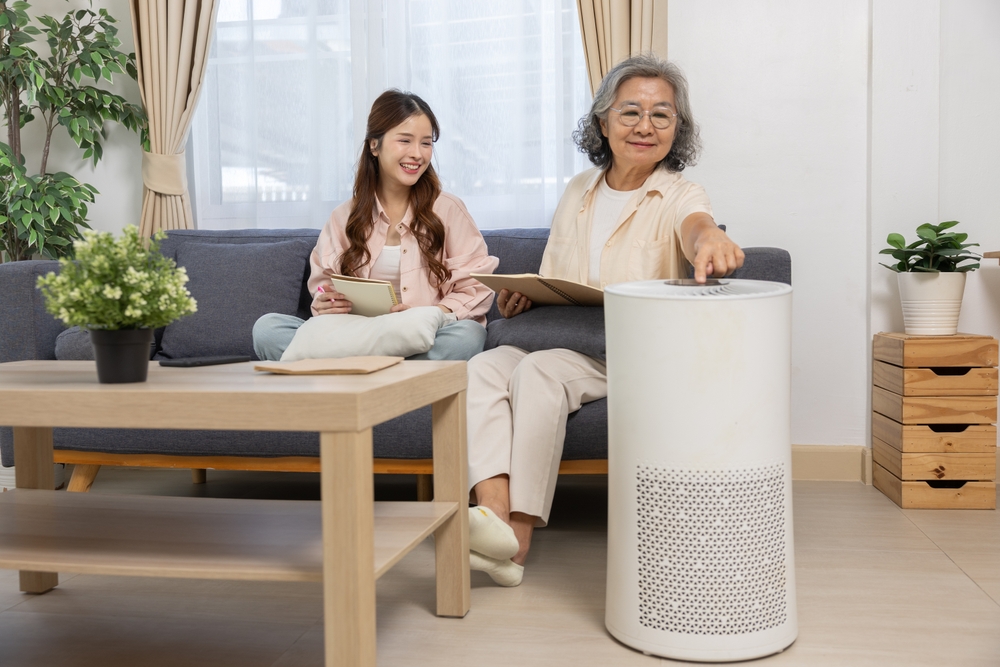
- Use air purifiers with HEPA filters to reduce fine particulate matter (PM2.5).
- Ventilate briefly during midday hours when AQI is better — just 10 minutes can refresh the air.
- Avoid burning incense or candles indoors during high-pollution days, as these can release fine soot and volatile compounds.
- Maintain indoor warmth around 20–22°C; use a room heater with automatic cut-off to prevent dryness and overheating.
- Dress in Light, Warm Layers
As we age, our metabolism and circulation slow down, making it harder to regulate body temperature. According to the UK’s National Institute on Ageing, even mild cold can increase the risk of respiratory infections and heart strain.
Try this:
- Wear several thin layers instead of one bulky jumper — it traps heat better.
- Keep your head, neck, and feet covered — these areas lose heat fastest.
- Use cotton or bamboo underlayers to absorb moisture, topped with wool or fleece for insulation.
- Hydrate, Even When It’s Cold
In cold or polluted weather, it’s easy to forget water. Yet, dehydration thickens mucus and reduces lung function. A study in The Lancet Respiratory Medicine found that well-hydrated airways resist particulate irritation better.
Simple habit:
Warm water, herbal teas, and soups keep you hydrated and comforted. Avoid excessive caffeinated drinks, which may cause dryness.
- Protect Your Lungs from Poor Air Quality
High AQI days can worsen breathlessness, cough, or fatigue — especially for those with asthma, COPD, or heart disease.
Practical steps:
- Check AQI daily using apps like SAFAR or IQAir.
- Avoid outdoor activity when AQI is above 150 (unhealthy). If walking, do so early morning after sunrise or mid-morning when pollution settles slightly.
- Use certified N95 masks outdoors — they filter 95% of fine particulates.
- Keep a nasal saline spray handy to clear pollutants from nasal passages.
- Eat to Boost Immunity and Circulation
Cold and pollution both create oxidative stress — a form of internal “rusting” that weakens immunity. Nutrition can buffer this.
Include more:
- Vitamin C-rich foods – amla, oranges, guava.
- Omega-3 fats – flaxseeds, walnuts, or chia.
- Warm, cooked meals with turmeric, ginger, and black pepper to support circulation and lung function.
- Move Indoors
When outdoor air is poor, it doesn’t mean you must stop moving. Regular, light exercise improves lung capacity and blood flow, which can offset the impact of pollutants.
Try gentle indoor yoga, chair exercises, or tai chi. They improve flexibility and breathing without overexertion.
- Keep an Eye on Early Warning Signs
Cold weather and high pollution can silently worsen underlying health issues.
Watch for:
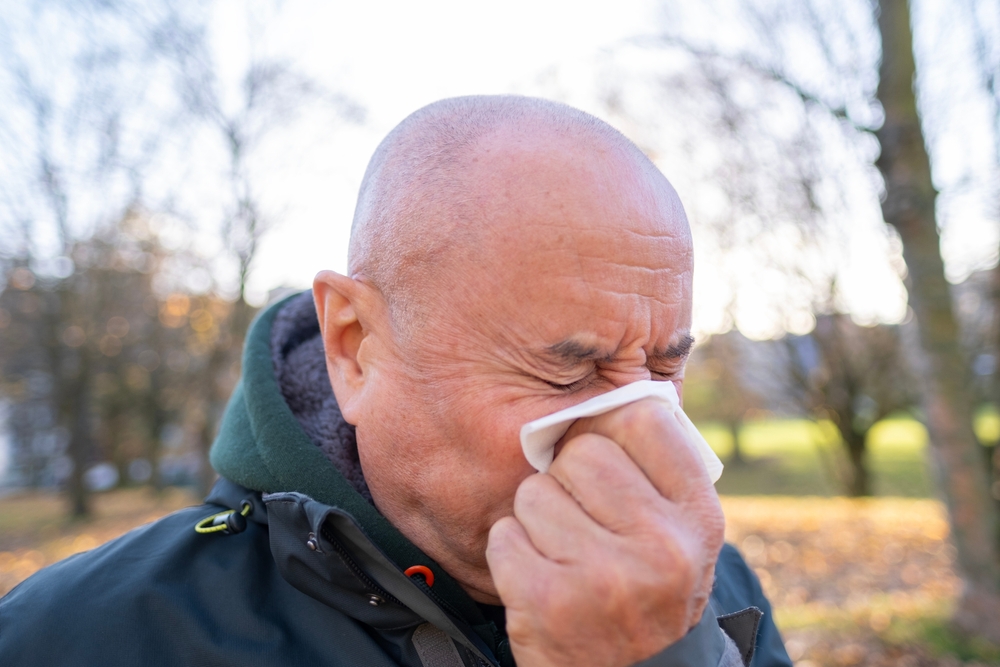
- Increased coughing or wheezing
- Chest tightness or unusual fatigue
- Swelling in legs or difficulty breathing
If symptoms persist, see your doctor. According to Dr Randeep Guleria, former AIIMS Director,
“Timely attention to minor respiratory or heart changes in seniors during high pollution can prevent serious complications.”
- Maintain Emotional Warmth Too
Shorter, greyer days can also affect mood. Mild sunlight exposure and connection with family or friends help maintain mental health. Light stretching near a sunny window or listening to soothing music can make winter days feel brighter.
For seniors, cooler weather and poor air quality can feel daunting — but preparedness turns risk into resilience.
Warmth, clean air, hydration, good nutrition, and self-care create a protective shield for both body and mind.
As one senior in Delhi said after installing an air purifier and adopting these habits,
“I used to dread winter. Now, I see it as a season to rest, read, and look after myself.”