






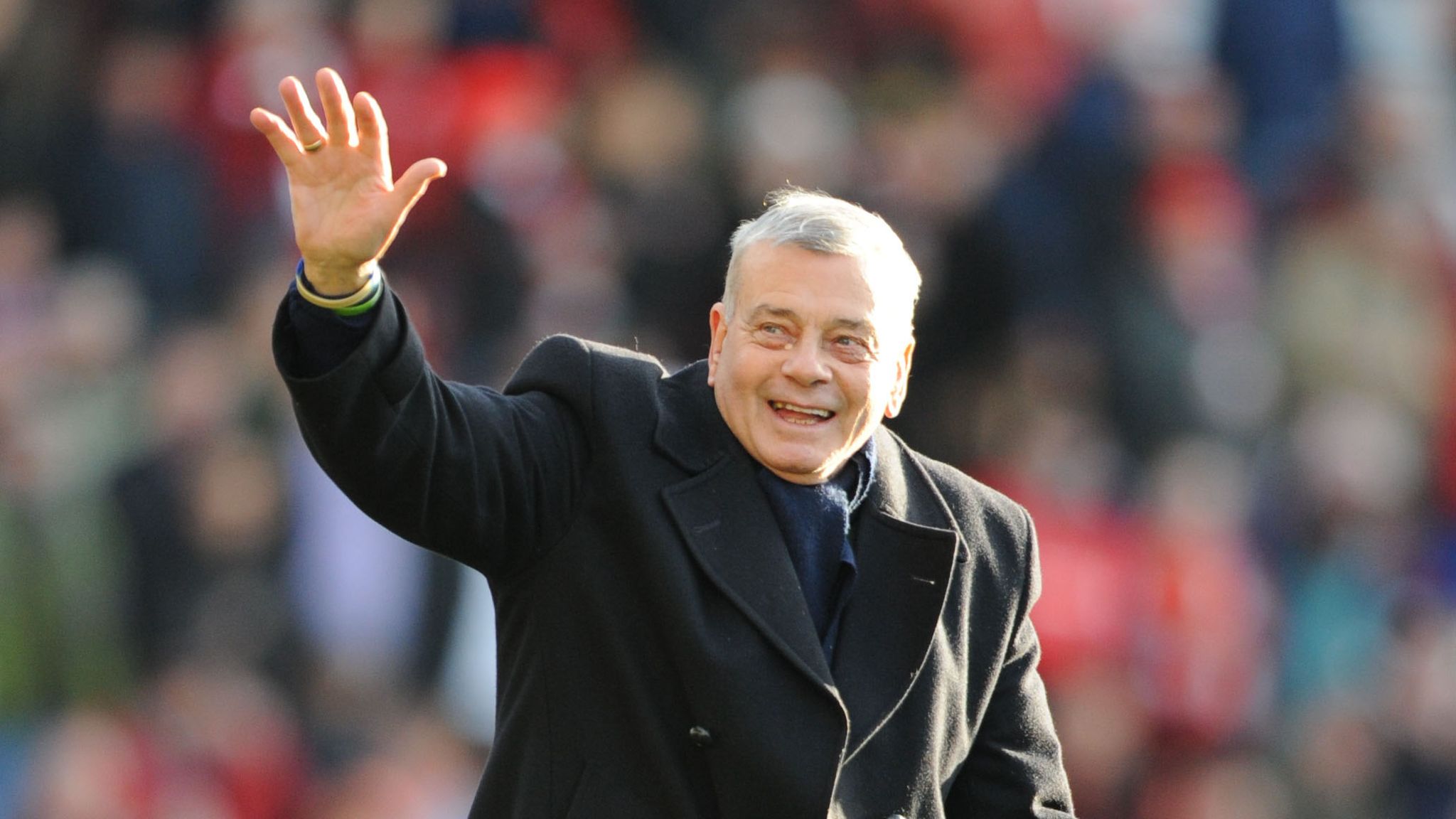
Dickie Bird showed that even in the high-pressure world of international cricket, one could be firm without being harsh, and meticulous without being joyless.
Harold Dennis “Dickie” Bird, who passed away on Tuesday, September 23, at the age of 92, was much more than just an umpire. To millions of cricket lovers across the world, including here in India, he was a symbol of fairness, humility and gentle humour. His presence on the field reassured players and spectators alike that the game was in safe, trustworthy hands. In many ways, he was one of world cricket’s first celebrity umpires.
Born in Barnsley, Yorkshire, in the United Kingdom in 1933, Bird grew up in a coal-mining family and found his escape and passion in sport. He played football as well as cricket, and eventually made his way into the county game. As a batsman, he turned out for Yorkshire and later Leicestershire, scoring more than 3,000 runs in 93 first-class matches. Two centuries adorned his career, but a knee injury cut short his playing days. Yet, as destiny would have it, that setback opened the door to his life’s true calling — umpiring.
Bird’s umpiring career began in county matches in 1970, and within just three years he was standing in a Test match, England versus New Zealand at Headingley. From that day in 1973, he never looked back. Over the next two decades he would become the most recognisable and respected umpire in the world. He officiated in 66 Test matches and 69 One-Day Internationals, and the honour of umpiring not one but three World Cup finals was bestowed upon him. For many years, he held the record for the most Test matches umpired, and his figure, finger raised, became almost as iconic as the great players themselves.
What set Bird apart was not just the scale of his work but the way he did it. He was famously reluctant to give batsmen out leg before wicket unless he was absolutely sure. Some thought he was too lenient; others believed he was simply careful, aware of the enormous consequences of a decision. He carried little counters in his pockets to keep track of balls in an over, and on more than one occasion, much to the amusement of players and fans, he dropped them and had to crawl on his hands and knees in the middle of the ground to pick them up. He would spot things others missed — sunlight glinting off a window, or a burst water pipe that could affect play — and step in with a mix of seriousness and gentle fussiness that made him unique.
There was always humour with Bird. He once took a pair of scissors to Sunil Gavaskar’s hair because the bangs were falling into the great batter’s eyes. He was also known to arrive at grounds hours before anyone else, sometimes five hours early, to make sure everything was in place. On one occasion he reached The Oval so early that the gates were locked, and he ended up climbing over the wall, only to be stopped by a policeman who wondered who this eager intruder was.
For Indian fans, Bird was not just another English umpire. He had a special connection with the game here. He officiated in many Tests involving India, and one of the most poignant moments of his career came in his final Test, at Lord’s in 1996, against India. On that day, as he walked onto the ground, players from both sides formed a guard of honour. It was a gesture that moved him to tears and reflected the deep affection and respect that cricketers from across the world, including India, had for him. Sunil Gavaskar has often remarked that Bird was sympathetic to players, especially those under pressure in foreign conditions, and that he never lost sight of the fact that cricket was played by human beings, not machines.
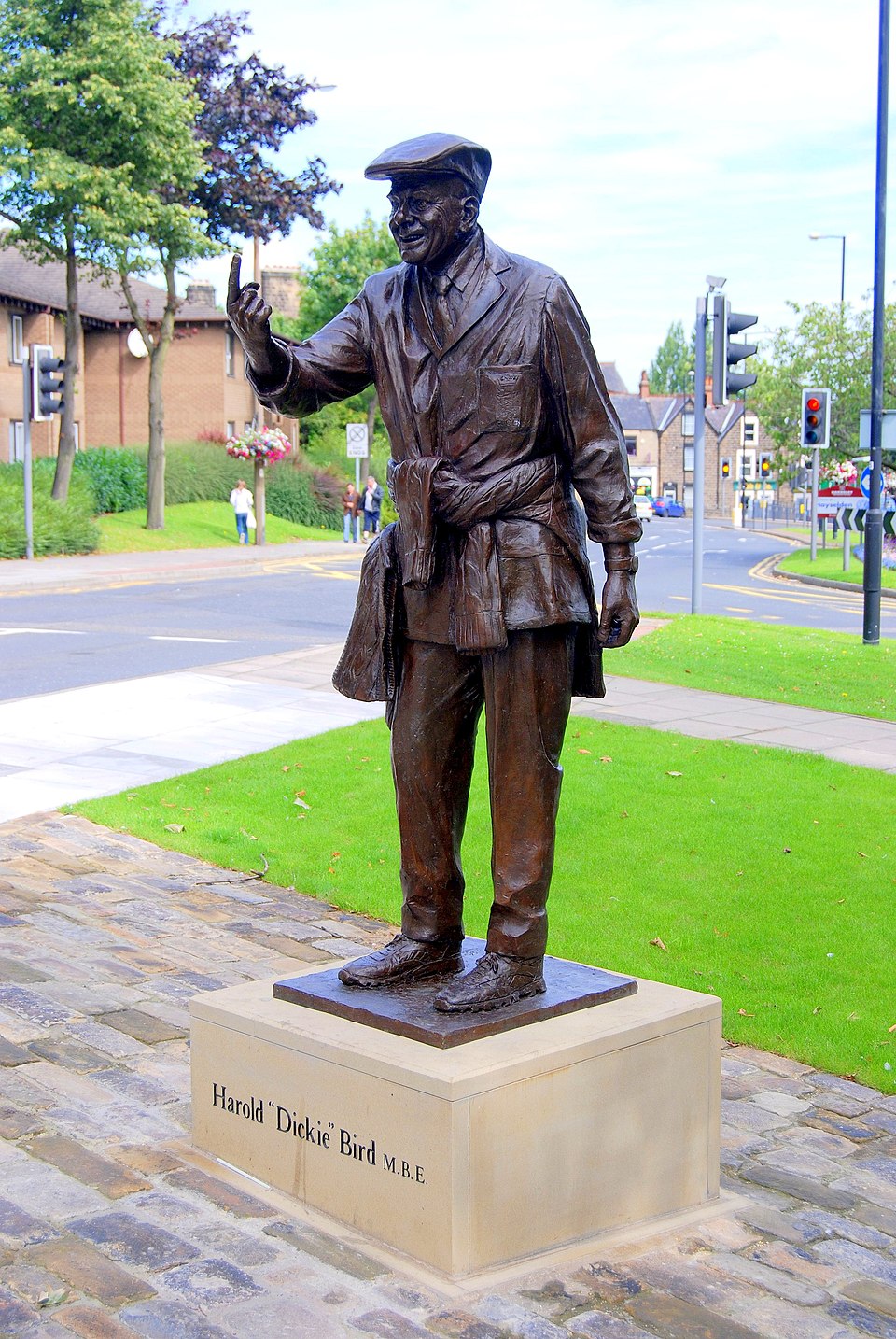
Bird was honoured by his country with the titles of Member of the Order of the British Empire and later Officer of the Order of the British Empire, both for his services to cricket and to charity. He published a bestselling autobiography, lent his name to the Dickie Bird Foundation which helps underprivileged youngsters in sport, and in Barnsley a statue of him stands with finger raised, a lasting tribute from his hometown. He later became president of Yorkshire County Cricket Club, a position that delighted him as much as any accolade.
For senior cricket lovers in India, Bird’s memory is tinged with nostalgia. He belonged to an era before technology took over umpiring decisions, when a man in a white coat and floppy hat carried the weight of fairness on his shoulders. Watching him officiate during matches involving Gavaskar, Kapil Dev or later Sachin Tendulkar was part of the cricketing experience. He made the world believe that the game was still governed by decency, judgment and respect.
Dickie Bird showed that even in the high-pressure world of international cricket, one could be firm without being harsh, and meticulous without being joyless. He gave the game something rare: humanity.He was a man who loved cricket deeply, who served it with honesty and humour, and who, in his own quiet way, became one of its greatest legends.