



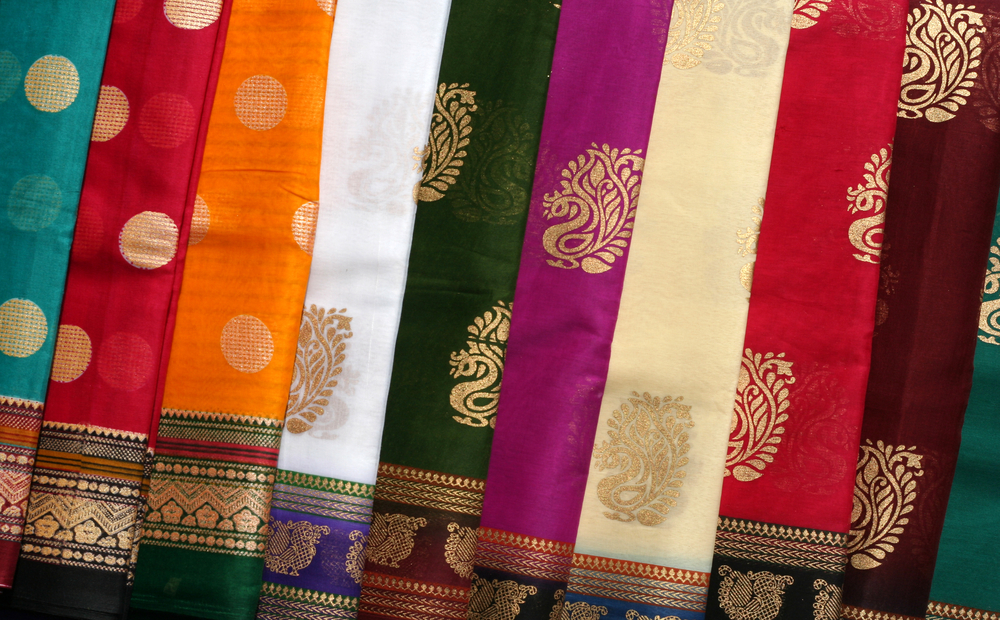
Festivals in India bring with them a swirl of colour, warmth, and tradition. And what better way to celebrate than by draping yourself in silk – whether it’s a cherished Kanjeevaram saree, a regal Banarasi, or a light Mysore silk dupatta. For many seniors, these silks are more than garments; they are heirlooms that carry stories of weddings, family gatherings, and joyous festivals gone by.
But as delicate as silk is, it also needs tender care, especially during and after the festive season when it’s most worn. Here’s a simple guide for seniors to help preserve your treasured silks so they remain timeless for generations.
- Handle with Care
Silk is fragile and easily damaged by rough handling. Always wash your hands before touching your sarees or dupattas to avoid transferring oils or stains. When wearing, keep perfumes and deodorants away from direct contact with silk – they can leave stains and weaken the fibres.
Tip for seniors: Ask a family member or helper to assist you when draping a heavy silk saree to avoid tugging or straining the fabric.
- Cleaning Your Silks
- Dry Clean is Best: For valuable pieces like Kanjeevarams or Banarasis, always opt for professional dry cleaning.
- Gentle Hand Wash: If the silk is lighter (like tussar or mulberry), you can wash it at home using mild detergent or baby shampoo. Always use cold water.
- Never Wring: Instead, gently roll the saree in a clean towel to remove excess water and dry in shade, never under harsh sunlight.
- Quick Fixes for Common Festival Stains
Festive foods and celebrations often bring accidental spills. If you act quickly, you can save your silk.
- Haldi (Turmeric): Gently blot (do not rub) with cold water and dab a little white vinegar mixed with water.
- Oil or Ghee: Sprinkle talcum powder or cornflour on the stain immediately – it absorbs the oil. Brush it off gently and repeat before sending the garment for dry cleaning.
- Sweets & Syrups: Dab carefully with cold water. Avoid hot water as it can set the stain.
- Tea or Coffee: Use a clean white cloth dipped in cold water to blot. For stubborn marks, a few drops of lemon juice diluted with water can help.
Tip for seniors: Always do a tiny patch test on an inner corner before applying any remedy, and if unsure, send the silk straight to a trusted dry cleaner.
- Storing Silk the Right Way
The way you store silk decides how long it stays beautiful.
- Use Cotton or Muslin Bags: Avoid plastic covers, as silk needs to breathe.
- Refold Regularly: Every 3–4 months, take your silk sarees out, air them for a few hours, and fold them differently to prevent permanent creases and tearing.
- Keep Away from Moisture: Store in a cool, dry place. You can add neem leaves or cloves wrapped in muslin to protect against insects.
Tip for seniors: If lifting heavy bundles of sarees feels tiring, keep them neatly stacked in smaller piles that are easier to handle.
- Ironing Without Fear
Silk can burn or lose its sheen under direct heat. Always iron on the reverse side using low heat, or better still, place a thin cotton cloth on top and then iron. For older or fragile silks, steam ironing is the safest option.
- Passing Down the Legacy
Many seniors feel joy in passing their silks to children and grandchildren. Before gifting, get the saree dry-cleaned and stored properly. Along with the garment, share the story behind it – when you wore it first, which occasion it adorned. This way, the silk becomes more than fabric; it becomes a family memory.
Final Thought
Silk is not just a fabric – it’s part of our cultural heritage and personal history. With mindful care, seniors can continue to enjoy the elegance of silk this festive season while ensuring these treasures live on as heirlooms for the next generation. After all, every crease and shine of silk carries a piece of life’s celebration.

