







Dr Rajiva Gupta gives us the scientific low-down on the most talked-about health trends, pointing out to what really works for seniors
“Let food be thy medicine, and medicine be thy food.” — Hippocrates.
More than 2,000 years later, modern science continues to support Hippocrates’ insight that diet plays a central role in health and healthy ageing. While food cannot replace necessary medicines, it remains a powerful tool for preventing disease, preserving function, and improving quality of life.
This message becomes especially important after the age of 60.
Many people view dieting simply as a way to lose weight. In later life, however, healthy eating is about much more than the number on the weighing scale. It is about preserving muscle, maintaining mobility and independence, and reducing the risk of chronic illnesses such as diabetes, hypertension, and heart disease.
Unfortunately, seniors are often confronted with conflicting dietary advice. One expert promotes low-carbohydrate eating, another advocates plant-based diets, while others recommend intermittent fasting. Social media adds further confusion with endless promises of miracle diets and rapid results.
So what really works?
There is no single “best diet” for everyone. The most successful dietary pattern is one that provides balanced nutrition, preserves muscle, supports overall health, and can be maintained comfortably for years.
Why Dieting Is Different After 60
The goals of dieting change with age.
While younger adults often focus on weight loss, older adults must also consider health, function, and independence. One of the greatest challenges of ageing is sarcopenia—the gradual loss of muscle mass and strength. This process accelerates after 60 and increases the risk of weakness, falls, fractures, and disability.
As a result, a diet that produces rapid weight loss at the expense of muscle may ultimately do more harm than good.
A healthy dietary approach for seniors should aim to:
- Preserve muscle and strength
- Support bone health
- Maintain energy levels
- Improve metabolic health
- Prevent nutritional deficiencies
- Enhance quality of life
The objective is not merely to live longer but to remain healthier and more functional throughout those years.
Traditional Calorie Restriction
This classic approach involves consuming fewer calories than the body expends.
Research consistently shows that modest calorie reduction can improve body weight, blood pressure, cholesterol levels, and blood sugar control. It is flexible, well-studied, and effective when maintained over time.
However, excessive calorie restriction may lead to fatigue, nutritional deficiencies, and loss of muscle mass, particularly when protein intake is inadequate. For older adults, gradual and sustainable calorie reduction is generally preferable to aggressive dieting.
The Mediterranean Diet
Among all dietary patterns, the Mediterranean diet has perhaps the strongest evidence supporting healthy ageing.
This approach emphasises:
- Vegetables and fruits
- Whole grains
- Legumes
- Nuts and seeds
- Olive oil
- Fish and seafood
- Limited processed foods and red meat
Numerous studies have linked Mediterranean-style eating with lower rates of heart disease, stroke, type 2 diabetes, cognitive decline, and premature death.
Its strength lies in promoting long-term health rather than rapid weight loss, making it one of the world’s most consistently recommended dietary patterns.

CAPTION: The Mediterranean diet supports healthy ageing
Low-Carbohydrate Diets
Low-carbohydrate diets reduce foods such as sugar, sweets, bread, rice, and other carbohydrate-rich foods while increasing protein and healthy fats.
These diets can be particularly useful for individuals with obesity, insulin resistance, or type 2 diabetes. Many people experience improvements in blood sugar control and modest weight loss.
However, extremely restrictive versions may be difficult to sustain and can reduce intake of fibre, vitamins, and beneficial plant nutrients. For most seniors, moderation works better than extremes.
Plant-Based Diets
Plant-based diets have gained considerable attention in recent years.
Dietary patterns centred around vegetables, fruits, legumes, whole grains, nuts, and seeds are associated with lower rates of obesity, cardiovascular disease, and several chronic illnesses.
Older adults following vegetarian or predominantly plant-based diets should ensure adequate intake of protein, vitamin B12, calcium, and vitamin D.
When properly planned, plant-based eating can provide excellent nutrition while supporting both personal and environmental health.
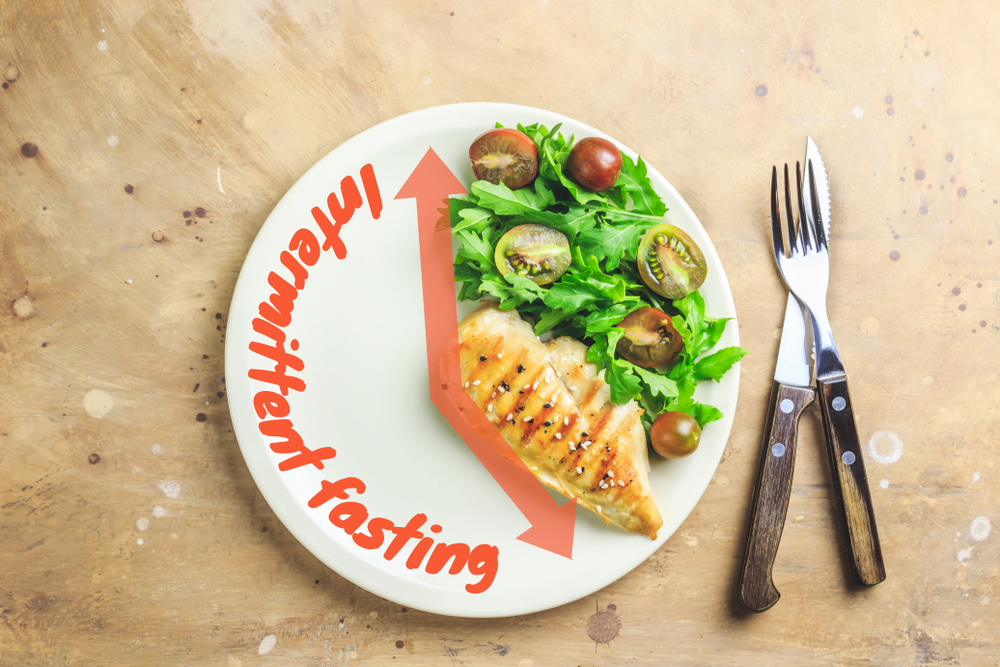
Intermittent Fasting
Intermittent fasting focuses less on what we eat and more on when we eat.
Common approaches include:
- 12:12 fasting
- 14:10 fasting
- 16:8 fasting
- The 5:2 approach
Studies suggest potential benefits for weight management, insulin sensitivity, blood sugar control, and reduction in late-night eating.
Several hours after eating, insulin levels fall, and the body begins using stored energy. Longer fasts may also activate cellular repair processes.
For most healthy older adults, gentler approaches such as a 12-hour overnight fast or a 14:10 schedule are generally the safest and easiest to maintain.
However, intermittent fasting is not suitable for everyone. Frail individuals, underweight seniors, people recovering from illness, and those taking medications that may cause hypoglycaemia should seek medical advice before attempting fasting.
What Matters More Than the Diet Itself?
Research increasingly suggests that long-term health depends less on the specific diet chosen and more on several principles shared by successful dietary patterns.
Adequate Protein Intake
Protein becomes increasingly important with age because it helps preserve muscle mass and strength.
Good sources include:
- Eggs
- Fish
- Lean meats
- Dairy products
- Soy foods
- Lentils and beans
Many experts recommend approximately 1.0–1.2 grams of protein per kilogram of body weight daily for healthy older adults, although individual requirements vary.
Minimising Ultra-Processed Foods
Whether someone follows a Mediterranean, low-carbohydrate, or vegetarian diet, reducing ultra-processed foods consistently improves health.
Sugary beverages, packaged snacks, excessive sweets, and highly refined foods provide calories without meaningful nutrition.
Regular Physical Activity
No diet can fully compensate for physical inactivity.
Walking, resistance training, balance exercises, and flexibility exercises help preserve muscle, improve metabolic health, and maintain independence. Even two or three strength-training sessions per week can significantly reduce age-related muscle loss.
Sleep and Recovery
Sleep is often overlooked in discussions about weight management.
Poor sleep affects appetite-regulating hormones, increases hunger, reduces energy levels, and can worsen blood sugar control. Healthy sleep supports healthier eating habits and overall well-being.
When Dieting Can Become Harmful
Although dieting is often beneficial, it is not always appropriate.
Particular caution is needed in:
- Frail older adults
• Underweight individuals
• Those recovering from surgery or illness
• People with eating disorders
• Individuals with advanced kidney or liver disease
• Seniors taking insulin or certain diabetes medications
Warning signs that a dietary approach may be causing harm include excessive fatigue, dizziness, muscle weakness, rapid unintended weight loss, poor appetite, and frequent falls. These symptoms should prompt medical evaluation.

A Practical Example
Consider Mr RK, a 68-year-old retired banker who wanted to improve his diabetes control and lose excess weight.
Rather than adopting an extreme dietary programme, he reduced portion sizes, increased his vegetable intake, began walking regularly, and maintained a 12-hour overnight fast.
Six months later, he had lost five kilograms, improved his blood sugar levels, and felt more energetic. Most importantly, he could sustain the changes.
His experience highlights an important lesson: long-term success rarely comes from dramatic restrictions. It comes from sustainable habits.
The Bottom Line
There is no universal “best diet” for older adults.
Mediterranean-style eating, sensible calorie reduction, plant-based diets, low-carbohydrate approaches, and intermittent fasting can all be effective when appropriately implemented.
The common denominator is not the specific diet but good nutrition, muscle preservation, physical activity, adequate sleep, and sustainability.
For most seniors, the goal should not be simply to weigh less. It should be to remain stronger, healthier, more active, and more independent for as long as possible.
A dietary pattern that supports those goals is far more valuable than any fashionable diet trend.
| Seniors’ Dieting Checklist
✔ Prioritise protein at every meal |