







Researchers believe flavonoids and theobromine are the key to its emerging health benefits
Chocolate has long been our go-to comfort treat. But in recent years, one variety in particular — dark chocolate — has begun earning a reputation not just as a delight for the taste-buds, but as a potential ally for health. Let’s explore the evolving science, what the latest studies show, and what this means for you.
The Science Behind the Buzz
At the heart of dark chocolate’s health appeal is the humble cocoa bean. It’s rich in flavonoids (a kind of polyphenol), theobromine, and other plant compounds that exert antioxidant and anti-inflammatory effects. Researchers believe these compounds are the key to its emerging health benefits.
- A comprehensive review of controlled trials found that consumption of cocoa or high-flavanol dark chocolate led to significantly lower markers of oxidative stress (for example reduced malondialdehyde) and increased nitric oxide (NO) levels – which helps blood vessels dilate.
- A specific study found that cocoa products delivering around 100 mg of epicatechin (a flavanol) reliably increased “flow-mediated dilation” (FMD, a measure of blood vessel function).
- A large recent observational study of over 120,000 participants aged 40–70 found that greater dietary diversity of flavonoid-rich foods (including dark chocolate) was linked to lower risks of type 2 diabetes, cardiovascular disease and neurological disease.
Together, this means we now have a stronger scientific base showing potential benefits of dark chocolate (or more precisely, cocoa flavonoids) beyond just “it tastes nice”.
Heart & Circulation: What the Evidence Says
One of the most promising areas is heart and vascular health. Good circulation and flexible blood vessels are vital, especially as we age.
- To take one example, a study found that flavanol-rich dark chocolate improved the dilation of the brachial artery (in the arm) after 2 weeks of daily consumption, compared with a low-flavanol version.
- However, experts are cautious: as noted by Harvard T.H. Chan School of Public Health, dark chocolate is “the best choice when you want chocolate… but don’t turn it into medicine”. While cocoa supplements in the large COSMOS study did not reduce heart-attack incidence, they did reduce heart-disease-related deaths.
- In short — the vascular evidence is promising, but chocolate alone is not a substitute for the rest of a heart-healthy lifestyle (diet, exercise, no smoking, good blood pressure/cholesterol control).
Blood Sugar, Diabetes & Metabolic Health
Another fascinating development: dark chocolate may play a role in reducing the risk of type 2 diabetes (if all the other factors are favourable).
- A recent news summary notes a study published in The BMJ showing that those who ate five or more servings of dark chocolate per week had about 21% lower risk of developing type 2 diabetes compared with non-eaters.
- For seniors or anyone managing blood sugar, this is a potentially useful piece of information — but again, it’s an association rather than proof of causation, and portion size & quality matter.
Brain, Mood & Other Emerging Areas
Beyond heart and blood sugar, researchers are also exploring cognitive and mood-related benefits.
- One trial found that healthy young adults who consumed a commercially available dark chocolate bar performed better on tests of verbal episodic memory two hours later, compared with white chocolate.
- On mood, dark chocolate appears to stimulate production of serotonin and endorphins, and may influence the gut-brain axis (though research is still in its early stages).
- There is even a Mendelian-randomisation study showing that dark chocolate intake may have an inhibitory effect on oral cancer risk.
These illustrate how chocolate is emerging from being just a treat into something that may support various health domains — though with caution and context.
What the “Recent Science” Means for You
Given this growing body of evidence, here are some practical take-aways:
- Quality counts: The more cocoa content and the less added sugar/fat, the more likely you’ll get benefit. Aim for bars with at least 70% cocoa solids (or above) if possible.
- Portion and moderation matter: Even with benefits, chocolate remains calorie-dense and often fat-rich. A square or two (≈20 g) a few times a week is far more sensible than half a bar daily.
- Don’t rely on it alone: Think of dark chocolate as a bonus within an overall healthy diet — rich in fruits, vegetables, whole grains, lean protein and so on. The meta-analysis of inflammation markers stressed that benefits were greatest at higher flavonoid doses (>450 mg) and over shorter durations (≤4 weeks) in less-healthy participants.
- Check your health context: If you have diabetes, weight-concerns or other metabolic issues, even dark chocolate must be managed carefully. The sugar and fat content still count.
- Enjoy the experience: Since mood and enjoyment matter for overall wellbeing, choosing a quality dark chocolate bar and savouring it slowly (rather than mindless munching) is a good strategy.
- Always check with your doctor before introducing new foods into your diet plan.
Quick Health Facts Box
| Benefit area | What the science shows | Smart tip |
|---|---|---|
| Heart/vascular health | Improved blood-vessel dilation (FMD) with cocoa flavanols | Choose 70 %+ cocoa; one small square several times a week. |
| Blood sugar / diabetes risk | Observational lower risk (~21 %) of type 2 diabetes with ≥5 dark-choc servings weekly | Keep total sweet intake moderate; pair with fibre/ protein. |
| Cognitive/mood | Better memory performance shortly after dark chocolate; possible mood uplift | Enjoy after a meal rather than before bed if caffeine is an issue. |
| Oxidative stress / inflammation | Meta-analysis: dark chocolate reduces MDA and increases NO; benefit more at higher flavonoid doses | Check label for “flavanols” or “high cocoa”; aim for quality. |
So yes — dark chocolate is earning its place as a modern health trend. But let’s keep things real: it’s not a magic health food, nor a licence to eat endless chocolate bars. Instead, think of it as a smart, selective indulgence — one that brings pleasure, and (when chosen wisely) some credible health benefits.
Here are some recommended dark-chocolate bars available in India, along with their cocoa percentages, key features, and approximate cost. These align reasonably well with the scientific advice (≥70 % cocoa) to maximise potential health-benefits. You should still check each bar’s label (sugar content, ingredients) before buying.
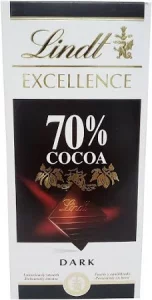
Lindt Excellence Dark Chocolate Bar
₹399
- Amazon.in + others
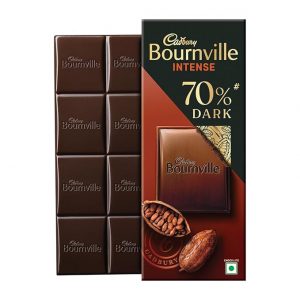
Cadbury Bournville Premium Dark Chocolate Bar
₹132
- Amazon.in + others
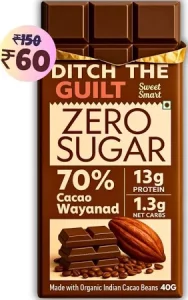
70% Wayanad Indian Cacao Dark Chocolate
₹60
Cadbury Bournville Premium Dark Chocolate Bars
₹132
- Amazon.in + others
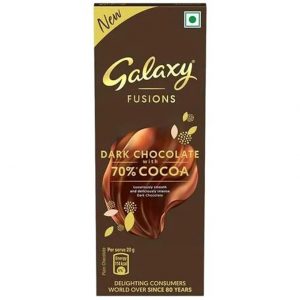
Galaxy Fusions Dark Chocolate Bar
₹121
- Blinkit – Blinkit_RAAP + others
Intense Dark Chocolate Roasted Almonds

₹274
- Instamart + others
Here’s a summary of each:
- Lindt Excellence Dark Chocolate Bar: Premium imported bar, widely available in India. Cocoa percentage often 70-90%. High quality, good for health-conscious pick.
- Cadbury Bournville Premium Dark Chocolate Bar: A more mainstream brand in India. Bournville range in India includes up to 70 % cocoa in some variants.
- 70 % Wayanad Indian Cacao Dark Chocolate: A local Indian option claimed to have 70 % cocoa and Indian-sourced cacao. Good value and supports local beans.
- 70 % Cocoa Intense Dark Chocolate Classic: Another Indian variant with 70 % cocoa making it a reasonable health-oriented choice.
- 70 % Cocoa Intense Dark Chocolate Classic (Alternate): Similar to the above – emphasises 70 % cocoa.
- Cadbury Bournville Premium Dark Chocolate Bars (Alternate): Alternate pack/variant of the Bournville brand.
- Galaxy Fusions Dark Chocolate Bar: More widely available, but cocoa percentage may be lower and sugar higher — less ideal for “health‐first” usage.
- Intense Dark Chocolate Roasted Almonds: Dark chocolate with nuts addition. Good flavour, but check the cocoa % and sugar content because nuts + flavouring may increase calories/sugar.
Why these picks?
- Many Indian brand lists indicate cocoa-percentages of around 70% or more for ‘high-cocoa’ dark chocolate. For example, review sites list Indian craft brands with 70-75% cocoa.
- According to health guides, dark chocolate with at least 70% cocoa gives higher antioxidants and fewer added sugars.
- Availability: They are accessible via Indian e-commerce or retail, so easier for you in Mumbai / India.
Things to watch / buyer tips
- Cocoa percentage: Aim for ≥70%. Lower percentages mean more sugar and less of the beneficial flavonoids.
- Sugar & additives: Even dark bars can hide high sugar or milk solids. Always check the ingredient list.
- Serving size & cost-effectiveness: Premium bars cost more; you don’t need large quantities — a small piece (≈20 g) a few times a week is sensible.
- Flavourings and nuts: These add enjoyment but also add calories/sugar/fat.
- Budget vs premium: Local Indian craft brands may cost more but support local cocoa and may have fewer additives.
- Storage & freshness: Store in a cool, dry place. Heat/humidity in India can degrade chocolate faster.
Next time you’re tempted by something sweet, a small piece of high-cocoa dark chocolate might be the best little treat for your body and mind.