






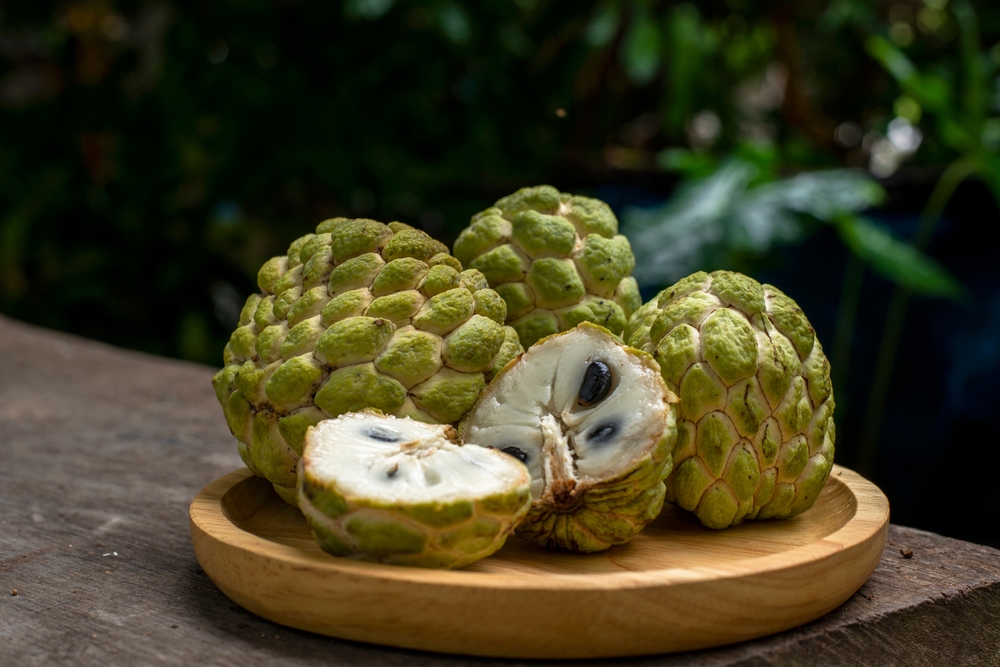
Few fruits delight the Indian palate quite like the custard apple — also called sitaphal in Hindi or sharifa in Urdu. Its soft, creamy pulp and sweet fragrance make it a seasonal favourite from late monsoon into winter. But beneath its sugary charm, is this fruit truly healthy, or simply an indulgent treat in disguise?
A Nutrient-Rich Treat
Despite its dessert-like taste, the custard apple packs a surprising punch of nutrients. According to the Indian Council of Medical Research (ICMR), 100 grams of custard apple provides roughly:
- Calories: 90–95 kcal
- Vitamin C: Around 20 mg (more than a third of your daily need)
- Dietary fibre: 2–3 grams
- Potassium and magnesium: Abundant for heart health
Dr. Meena Pathak, a Mumbai-based nutritionist, explains,
“Custard apples are rich in antioxidants, particularly vitamin C, which supports immune function and skin repair. The fruit’s natural sugars are balanced by fibre that helps moderate blood sugar spikes — though moderation is still key.”
Heart and Nerve Support
The potassium and magnesium in sitaphal play an important role in regulating blood pressure and keeping nerves and muscles functioning smoothly. Studies published in the Journal of Food Biochemistry suggest that these minerals, along with antioxidants like flavonoids, may help reduce oxidative stress, a factor linked to ageing and heart disease.
A Gentle Aid for Digestion
The creamy pulp also contains soluble fibre, which acts as a mild natural laxative. For older adults who struggle with sluggish digestion, enjoying a small portion after lunch can support bowel regularity. Ayurvedic texts even recommend sitaphal as a “vrishya” fruit — one that nourishes and strengthens tissues.
But Mind the Sugar Content
Here’s where caution is needed. Custard apples are naturally high in fructose and glucose. For people with diabetes or insulin resistance, overindulgence can raise blood sugar levels.
Dr. Rajiv Naik, Endocrinologist at Fortis Hospital, notes:
“While custard apples offer nutrients, their glycaemic load is moderate to high. Seniors with diabetes should limit intake to half a medium fruit, ideally paired with protein or nuts to slow sugar absorption.”
Seeds and Skin — Not for Eating
While the pulp is delicious, the black seeds and green rind contain compounds that can irritate the gut. Always discard them. Even traditional home remedies caution against grinding or chewing the seeds, as they can be mildly toxic.
A Word for Seniors
For older adults, custard apples can be part of a balanced fruit rotation — alongside papaya, guava, and pomegranate. They’re best eaten fresh (not as smoothies or desserts), and in modest portions. The fruit’s creamy sweetness can also help satisfy sugar cravings naturally, reducing the urge for processed sweets.
🟢 In Short
Custard apples are deliciously healthy when eaten wisely. They provide antioxidants, fibre, and minerals that benefit immunity, digestion, and the heart — but their high natural sugar content means moderation matters, especially for those with diabetes or weight concerns.