






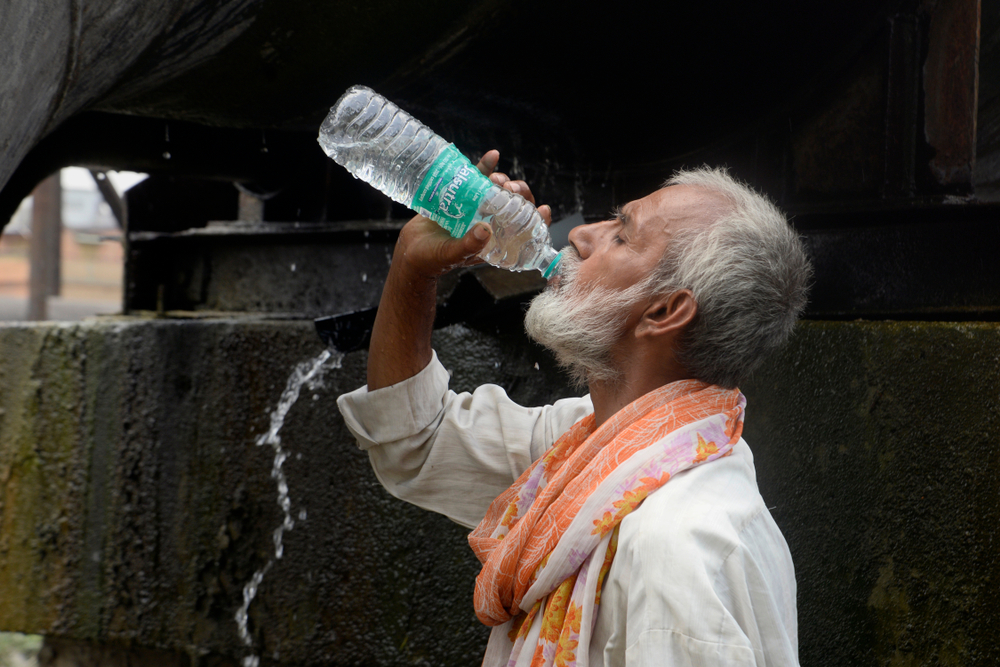
For older adults in India, especially in coastal or tropical regions, humid weather can sap energy and increase fatigue
When warm air turns sticky and heavy, it’s not just uncomfortable — it can actually put extra stress on your heart, skin, and digestion. For older adults in India, especially in coastal or tropical regions, humid weather can sap energy and increase fatigue. But a few simple, evidence-based steps can help you stay comfortable and safe.
- Hydrate — Even Before You Feel Thirsty
In humid weather, sweat doesn’t evaporate easily, meaning your body struggles to cool down. You may not realise how much fluid you’re losing.
Dr Ramesh Wadhwa, Consultant Geriatrician at Apollo Hospitals, explains:
“Seniors often have a weaker thirst signal. So even if you don’t feel thirsty, your body could be mildly dehydrated. Regular small sips of water or natural fluids can prevent dizziness and fatigue.”
Try:
- Plain water, coconut water, or lemon water with a pinch of salt.
- Homemade chaas (buttermilk) with roasted cumin — a classic Indian cooler that replenishes electrolytes.
- Tender coconut water, recommended by Ayurveda for pitta (heat) balance.
Science says: A 2019 review in Nutrients confirmed that age reduces the thirst reflex, making dehydration more common among older adults.
- Choose Light, Breathable Fabrics
Humidity traps heat close to your body. Breathable fabrics like cotton, mulmul, or linen let air flow and sweat evaporate more efficiently.
Dermatologist Dr Anjali Mahto notes:
“Synthetic fabrics hold moisture and heat, encouraging skin irritation and fungal infections. Loose, natural fabrics keep skin healthy and comfortable.”
Practical tip: In India’s humid zones, such as Mumbai, Chennai or Kolkata, it’s best to avoid polyester or nylon altogether. Stick to airy kurtas, saris or shirts in pale shades.
- Keep Your Home Cool — Naturally
Not everyone has the luxury of air conditioning, but you can still create a cooler environment.
Try these Indian home hacks:
- Keep windows shut during peak heat (11 a.m. to 4 p.m.) and open them early morning or late evening for cross-ventilation.
- Hang a damp khus (vetiver) mat near your window — it naturally cools and refreshes air when moistened.
- Place bowls of salt or baking soda in corners — both absorb excess humidity.
- Grow indoor plants like peace lily or snake plant, which purify and balance moisture in the air.
A study in Environmental Health Perspectives found that humidity above 60% increases fatigue and discomfort, particularly in older adults.
- Eat Seasonal, Cooling Foods
Avoid heavy, spicy or deep-fried dishes. Instead, turn to cooling, hydrating Indian foods that are gentle on digestion.
Nutritionist Dr Shweta Kapoor advises:
“High-humidity weather slows digestion. Choose light, water-rich meals that help maintain energy and electrolyte balance.”
Ideal Indian options:
- Lauki (bottle gourd), cucumber, tinda, and ash gourd — all have high water content.
- Moong dal khichdi or curd rice for easy digestion.
- Watermelon, muskmelon, papaya, and coconut water for hydration.
- Avoid pickles, papad, and deep-fried snacks that increase heat and salt retention.
According to Ayurveda, these foods pacify pitta dosha, keeping the body cool and balanced.
- Plan Your Day Around the Weather
Humidity peaks between late morning and mid-afternoon. Schedule walks, shopping, or gardening for early mornings or post-sunset hours.
A 2020 study in the Journal of the American Heart Association found that heat and humidity increase heart workload — particularly in people with hypertension or heart disease.
If you must go out:
- Wear a wide-brimmed hat or carry an umbrella.
- Walk in shaded areas.
- Carry a small bottle of ORS or water mixed with jaggery and a pinch of salt.
Dr Nidhi Kumar, General Physician, warns:
“Even light exertion in muggy conditions can trigger dizziness or low blood pressure in seniors. Listen to your body and take frequent breaks.”
- Rest and Rejuvenate
In humid weather, it’s natural to feel sluggish. Instead of fighting it, allow your body to rest.
Try:
- A mid-day nap in a shaded, well-ventilated room.
- Applying a cool compress on your forehead or neck.
- Practising slow breathing or gentle yoga stretches like Shavasana or Viparita Karani to calm the nervous system.
Ayurvedic physician Dr Sangeeta Menon adds:
“Humidity aggravates heat and slows down energy flow. Cooling the body from within — with calmness, rest and water-rich foods — helps restore vitality.”
Warm, humid weather doesn’t have to sap your spirit. With mindful hydration, light eating, and a few traditional Indian tricks, you can glide through the season feeling fresh and energised.
Your Humidity Survival Kit:
Sip water, coconut water, or chaas through the day
Stick to cotton, mulmul, or linen
Keep the home airy with vetiver mats or salt bowls
Eat seasonal vegetables and fruits
Step out early or after sunset
Rest, cool down, and breathe easy