






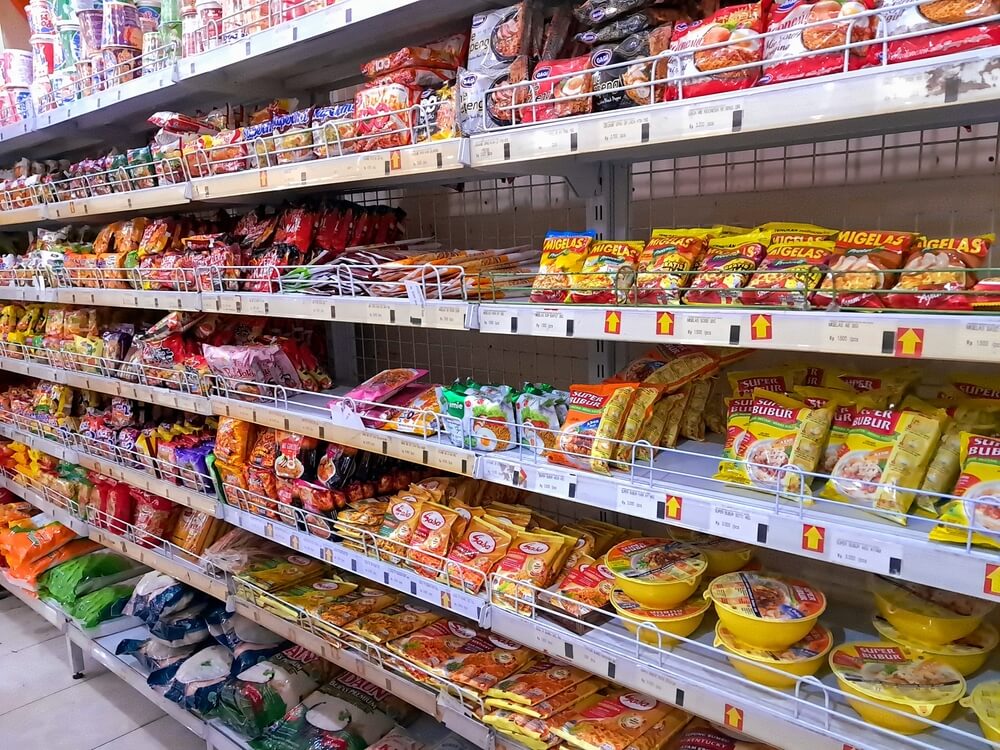
Over the last decade, researchers have found associations between ultraprocessed foods and health conditions like Type 2 Diabetes, dementia and certain types of cancers. Now, a recent large-scale study has revealed a troubling association between the consumption of ultra-processed foods (UPFs) and an increased risk of Parkinson’s disease, one of the fastest growing neurological disorders in the world.
The research, published in a reputable medical journal, followed over 100,000 participants for more than a decade. Scientists found that individuals who consumed the highest amounts of UPFs had a significantly greater risk of developing Parkinson’s disease compared to those who ate a more whole-food-based diet.
Ultra-processed foods include items such as ready meals, sugary breakfast cereals, fizzy drinks, packaged snacks, and processed meats. These products typically contain additives, preservatives, artificial flavourings, and other industrial ingredients that are far removed from their original food sources.
The Findings
According to the study, those in the highest quintile of UPF consumption were up to 25% more likely to develop Parkinson’s disease than those in the lowest quintile. While the researchers emphasise that the findings show a correlation rather than a definitive cause-and-effect relationship, the results are compelling enough to warrant further investigation.
Lead author Dr. Isabelle Fournier, a neuroepidemiologist involved in the study, noted: “Our findings add to growing evidence that diet plays a crucial role in neurological health. Ultra-processed foods may be contributing to the rising incidence of Parkinson’s disease by promoting inflammation and damaging the gut-brain axis.”
A Growing Concern
Parkinson’s disease is a progressive disorder of the nervous system that affects movement and often includes tremors, stiffness, and difficulty with balance and coordination. While the exact cause remains unknown, environmental and lifestyle factors—alongside genetic predisposition—are thought to play a role.
Ultra-processed foods have previously been linked to obesity, heart disease, type 2 diabetes, and certain types of cancer. The new link to neurodegenerative disease could expand the list of serious concerns surrounding these widely consumed products.
Nutritionist Dr. Aisha Patel commented: “This study strengthens the argument for cutting back on ultra-processed foods and prioritising fresh, minimally processed ingredients. A Mediterranean-style diet, rich in fruits, vegetables, whole grains, and healthy fats, remains one of the best options for long-term brain health.”
Calls for Action
The findings are likely to fuel calls for greater regulation and labelling of processed foods, as well as public health campaigns to encourage healthier eating habits.
Some experts are also urging further research into how specific additives or food-processing methods may contribute to neurological harm. There is a growing consensus that food policy must consider not just physical health, but cognitive and neurological wellbeing as well.
While more studies are needed to fully understand the mechanisms at play, this research serves as a stark reminder of the potential dangers hidden in our modern diets. As the prevalence of Parkinson’s disease continues to rise, dietary intervention could prove to be a powerful tool in both prevention and public health policy.
A Note on UPF’s
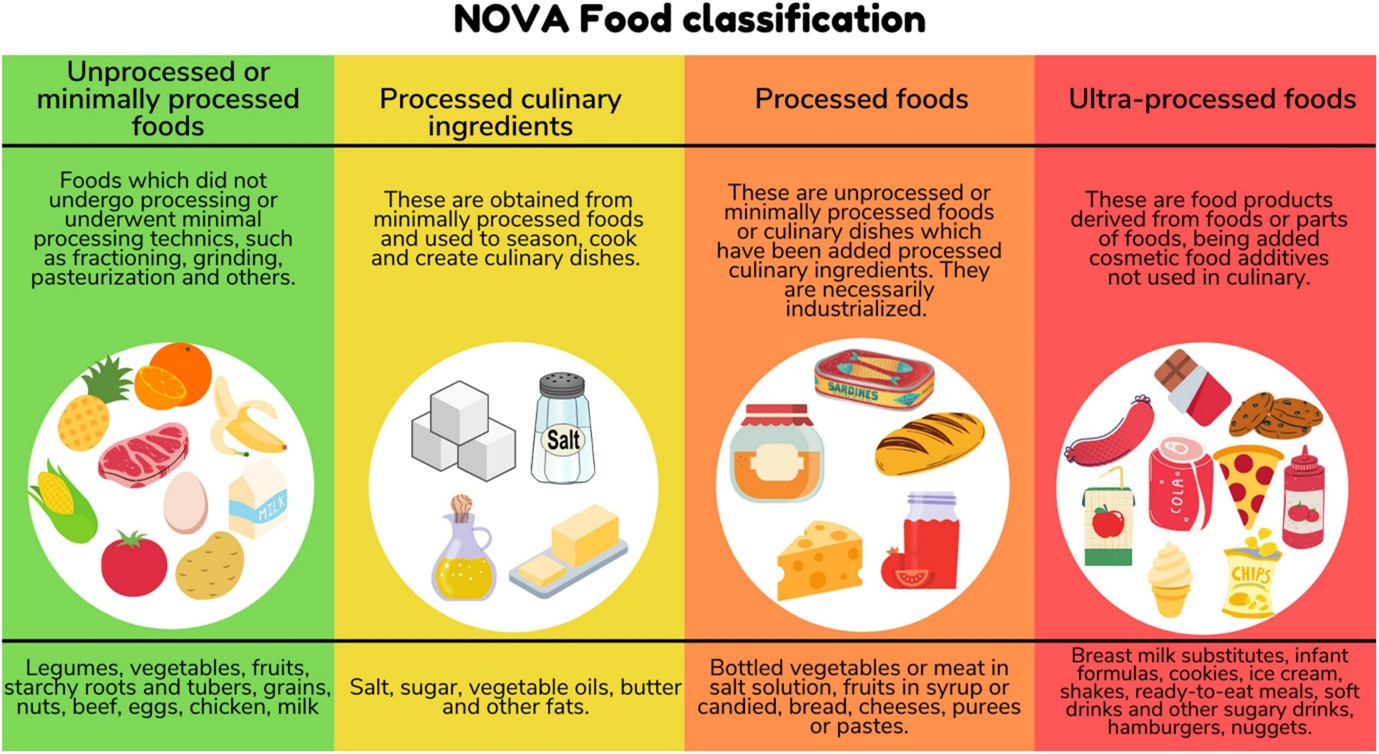
The Nova system, developed by scientists in Brazil more than a decade ago, splits food into four groups based on the amount of processing it has gone through.
Unprocessed foods include fruit, vegetables, nuts, eggs and meat.
Processed culinary ingredients — which are usually not eaten alone — include oils, butter, sugar and salt.
Processed foods include items made by combining foods from the first two groups, such as ham, cheese, salted nuts and tinned fruit in syrup.
Ultra-processed food usually contains industrial ingredients you would not find in your kitchen cupboard, such as colourings, sweeteners and preservatives.
Here is a list of some UPF’s. Be sure to check labels before buying.
- Energy drinks
- Mass-produced bread
- Processed meat
- Chicken & potato nuggets
- Some breakfast cereals – Many popular cereals are classed as UPFs because they contain highly processed grains as well as additives, such as invert sugar syrup, preservatives and colourings
- Reformulated potato snacks: such as Pringles, Doritos, Lays etc. are generally made from dehydrated processed potato, refined vegetable oils, rice and wheat flour, emulsifiers, salt and colouring. Depending on their flavour, they may also include monosodium glutamate, hydrolysed protein powders and glucose syrup.
- Packaged mass produced biscuits & cakes: Biscuits are frequently made with processed ingredients, including refined flour, added sugars, and emulsifiers, placing them firmly within the ultra-processed category.
- Flavoured Yogurt: While plain yogurt is a minimally processed food, flavoured yogurts often contain added sugars, artificial sweeteners, colourings, and flavourings, making them ultra-processed.
- Ready meals / Instant noodles
- Bottled and packaged sauces
Finally:
UPFs are typically manufactured to be easily and quickly consumed. Their main ingredients – oil, sugar, salt, flour and starches – makes UPFs high in fat, sugar and salt and low in vitamins and minerals, while also being devoid of the protective plant compounds found in many whole foods.