






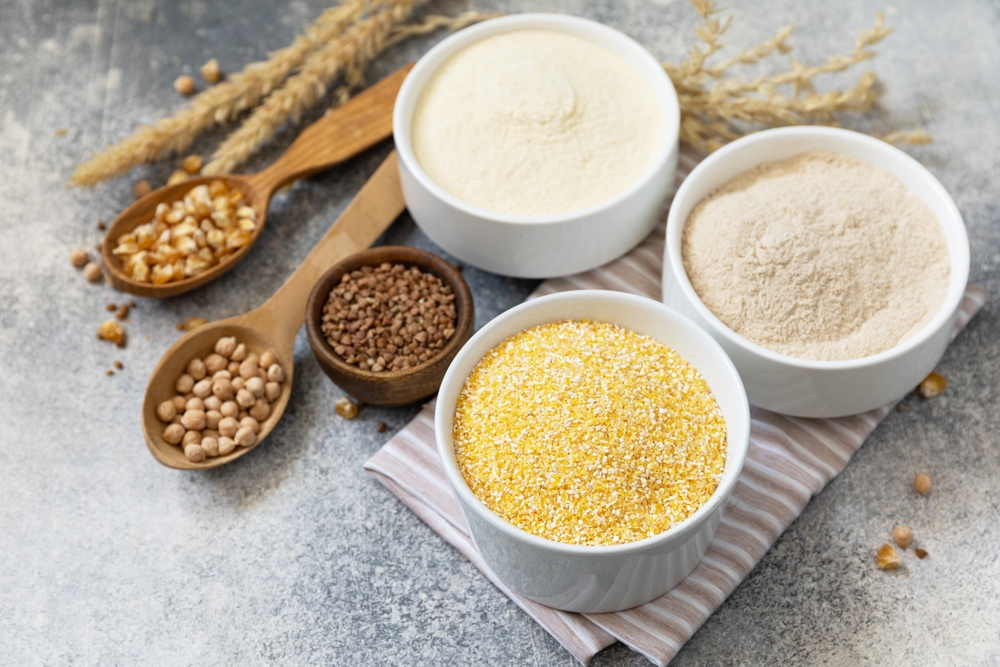
Here’s a science-backed guide to the flours low in the glycaemic index and high in health
As we age, maintaining steady blood sugar, good digestion, and bone and heart health becomes crucial. One key tool is the Glycaemic Index (GI) – a measure of how quickly a food raises blood sugar levels. Low GI foods (55 or less) release glucose more slowly, helping to prevent sugar spikes, sustain energy, and reduce strain on the pancreas.
For Indian seniors, where rotis, parathas, and dosas are daily staples, flour choice is especially important. Here are the best low-GI flours, backed by research – along with guidance on whether mixing them is safe.
- Barley Flour (Jau Atta)
- GI: Around 25–30 (very low).
- Science says: Rich in beta-glucan, a soluble fibre shown in studies (American Journal of Clinical Nutrition, 2004) to lower cholesterol and improve blood sugar control.
- How to use: Safe to mix with wheat flour (commonly 25–30% barley, 70–75% wheat for chapatis).
- Chickpea Flour (Besan)
- GI: Around 10 (one of the lowest).
- Science says: Research in Food & Nutrition Research (2016) shows that pulses like chickpeas improve satiety and help regulate blood sugar.
- How to use: Very safe to combine with wheat or barley for softer rotis and higher protein content.
- Ragi Flour (Finger Millet)
- GI: Around 55–65 (medium, but balanced by fibre and calcium).
- Science says: Rich in polyphenols and calcium, ragi is linked to bone health and reduced oxidative stress (Journal of Food Science and Technology, 2014).
- How to use: Can be mixed (30–40%) with wheat to make rotis more diabetes-friendly without losing softness.
- Amaranth Flour (Rajgira Atta)
- GI: 35–40 (low).
- Science says: Contains high-quality protein and micronutrients; studies in Journal of Food Science (2003) highlight its antioxidant and anti-inflammatory effects.
- How to use: Gluten-free, safe to mix with wheat, barley or besan to improve texture and nutrition.
- Oat Flour
- GI: About 44 (low).
- Science says: Rich in beta-glucan like barley. A meta-analysis (British Journal of Nutrition, 2014) confirms oats help lower LDL cholesterol and improve insulin sensitivity.
- How to use: Blends well (20–30%) with wheat or barley. Too much can make rotis dense.
- Buckwheat Flour (Kuttu Atta)
- GI: 45–50 (low to medium).
- Science says: Contains rutin, a flavonoid with heart-protective and anti-inflammatory effects (Nutrition Research Reviews, 2011).
- How to use: Gluten-free; can be mixed (30–40%) with wheat for softer, less crumbly rotis.
- Whole Wheat Flour (Atta)
- GI: 55 (medium).
- Science says: Higher in fibre and nutrients compared to refined flour. Harvard studies show whole grains lower the risk of type 2 diabetes by about 30%.
- How to use: When mixed with low-GI flours like barley, besan, or oats, wheat flour becomes much more diabetes-friendly.
Is it safe to mix flours?
Yes – Mixing flours is not only safe but also beneficial.
- Traditional Indian households often blend grains for better taste, digestibility, and nutrition.
- Mixing balances gluten (from wheat) with non-gluten flours, making chapatis soft yet nutrient-rich.
- From a medical standpoint, no harmful interactions occur between these flours. The only caution:
- Seniors with celiac disease or gluten intolerance should avoid wheat and barley.
- Those with kidney concerns should moderate very high-protein flours like amaranth and chickpea.
Some practical tips
- Start small: Mix 20–30% of low-GI flour into your regular atta, and adjust gradually.
- Balance taste and texture: Barley and oats may make rotis slightly dry; adding besan or amaranth restores softness.
- Pair with protein & fibre: Eating rotis with dal, sabzi, or curd further lowers the glycaemic load.
- Stay hydrated: High-fibre flours absorb more water – drink enough fluids to aid digestion.
- Remember to always consult your doctor or dietitian before making changes to your diet, there may be absolutely no need for you to switch to low GI foods.
Low-GI flours like barley, besan, oats, ragi, amaranth, and buckwheat are scientifically proven to help regulate blood sugar, protect the heart, and support healthy ageing. Mixing these with whole wheat flour is both safe and effective, giving Indian seniors the best of both worlds – health benefits without compromising on the comfort of traditional meals.