







As we age, our oral health requires more attention. Receding gums, dry mouth, sensitive teeth, and dental wear are common concerns after 50 — but the good news is, with the right habits, you can keep your smile strong and sparkling for years to come.
Here are 50 effective, easy-to-follow tips to keep your teeth, gums, and entire mouth in great shape — especially after 50.
Brushing Basics
- Brush at least twice daily – once in the morning, once before bed.
- Use a soft-bristled toothbrush – gentler on gums and enamel.
- Change your toothbrush every 3 months – or sooner if bristles are frayed.
- Use fluoride toothpaste – helps strengthen enamel and prevent cavities.
- Brush for a full two minutes – don’t rush the process.
- Use gentle, circular motions – don’t scrub harshly.
- Don’t forget your tongue – it harbors bacteria and can cause bad breath.
- Brush the gumline carefully – plaque loves to hide there.

Flossing and Cleaning Between Teeth
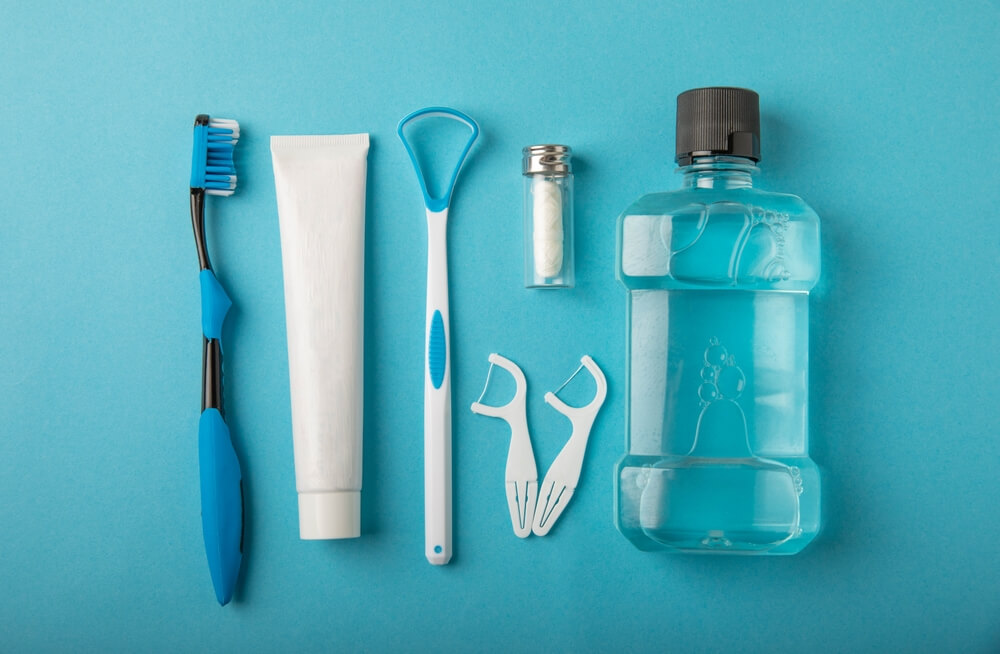
- Floss daily – it’s the only way to clean between teeth.
- Use waxed floss if your gums are sensitive – easier and more comfortable.
- Try floss picks or interdental brushes – great alternatives for arthritis sufferers.
- Use a water flosser – effective and gentle on gums.
- Be gentle when flossing – don’t snap the floss into the gums.
Keeping Gums Healthy
- Check for bleeding gums – it is an early sign of gum disease.
- Massage your gums – improves blood flow and gum strength.
- Avoid smoking – a major cause of gum disease and oral cancer.
- Control diabetes – it affects gum health significantly.
- Use an antimicrobial mouthwash – helps reduce bacteria.
- Hydrate frequently –less water intake can cause more dental issues.
- Get regular cleanings – professional care helps prevent gum recession.
Dry Mouth Prevention
- Drink water regularly – keeps the mouth clean and moist.
- Avoid alcohol-based mouthwashes – they can worsen dryness.
- Chew sugar-free gum – stimulates saliva production.
- Suck on sugar-free lozenges – helps keep the mouth moist.
- Avoid caffeine and alcohol – both can dehydrate your mouth.
Eating and Drinking Wisely
- Control sugary foods and drinks – they feed harmful bacteria.
- Consume fresh fruits and vegetables – like apples and carrots, which naturally clean teeth.
- Including dairy – calcium strengthens teeth.
- Drink fluoridated water – helps maintain enamel.
- Reduce sticky snacks – they stay on teeth and can cause decay.
- Rinse your mouth after acidic foods – protects enamel.
- Cut back on soda – a leading cause of erosion and cavities.

Habits That Harm Oral Health
- Don’t use your teeth as tools – opening packages can cause chips.
- Avoid chewing ice – it can crack your teeth.
- Be cautious with very hard foods – like nuts or sweets.
- Address tooth grinding – talk to your dentist if you clench your jaw.
- Limit snacking between meals – gives bacteria less fuel.
- Don’t ignore tooth pain – a sign something’s wrong.
Denture and Bridge Care (if applicable)
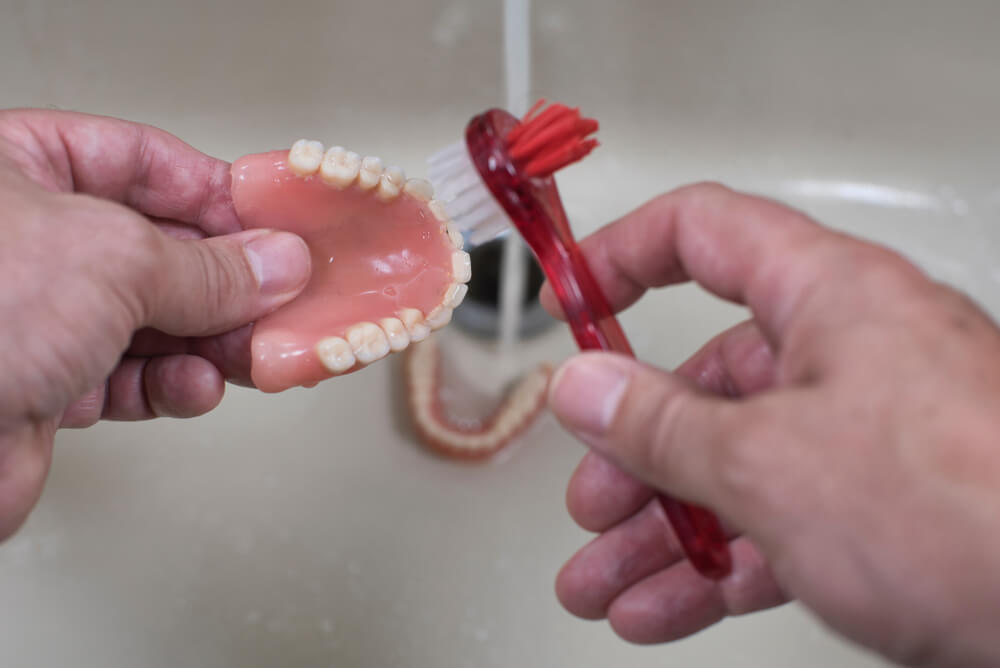
- Clean dentures daily – use a soft brush and soak overnight.
- Remove dentures at night – gives your gums a break.
- Don’t use hot water on dentures – it can warp them.
- Visit the dentist regularly for fit adjustments – poorly fitting dentures can cause sores.
- Brushing your gums and tongue even with dentures – keeps your mouth clean and fresh.
Regular Checkups Matter
- See your dentist every 6 months – even if you have no symptoms.
- Get annual oral cancer screenings – early detection saves lives.
- Tell your dentist about any medication changes – some drugs affect oral health.
- Discuss any new sensitivities – they could signal a problem.
- Bring a list of concerns to your appointment – so nothing gets overlooked.
General Health = Oral Health
- Keep chronic conditions in check – heart disease, diabetes, and osteoporosis all impact oral health.
- Don’t underestimate your smile – it reflects your confidence, health, and well-being.
Final Thoughts
Oral health isn’t just about preventing cavities — it’s about protecting your overall health and maintaining quality of life. A healthy mouth can:
- Help you eat comfortably
- Keep your speech clear
- Boost your confidence in social settings
- Lower your risk of heart disease and infections
And the best part? Most of these tips take just a few minutes a day. So don’t wait for a toothache to act. Start today — because a healthy smile at 60, 70, or 80 is one of life’s best assets.