






Why it’s called our second brain and how you can keep it healthy
When you think about health in later life, you might picture the heart, joints, or memory. But increasingly, scientists are urging us to also pay attention to something that doesn’t get much spotlight: our gut microbiome. Far from being just about digestion, it’s now known as our second brain – and for good reason.
What exactly is the gut microbiome?
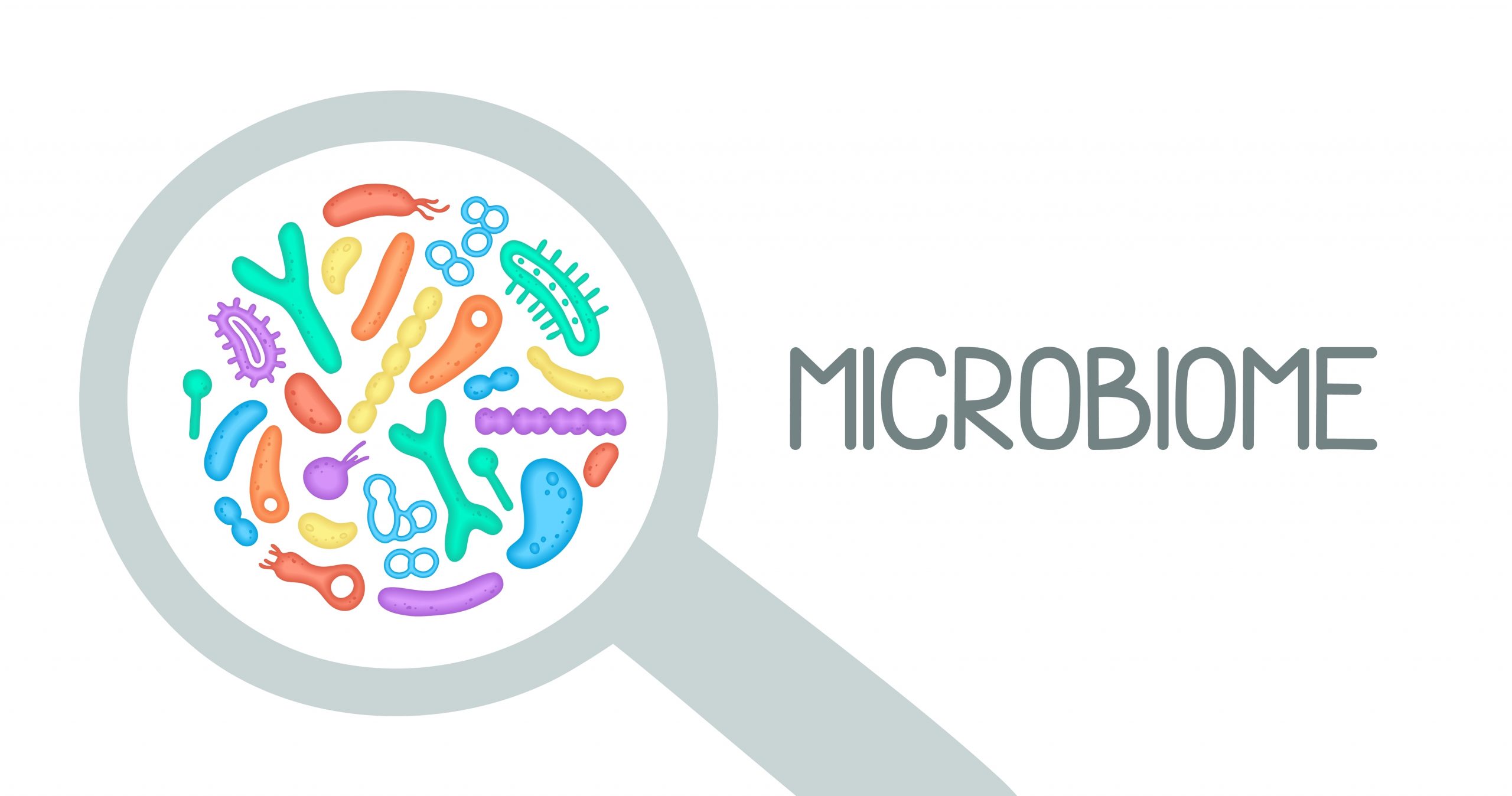
The gut microbiome (gut microbiota or gut flora), is a collection of trillions of microorganisms living mainly in the large intestine. These microbes include bacteria, viruses, fungi, and other tiny organisms. While the idea of “bacteria” might sound negative, most of them are beneficial.
Research published in Nature Reviews Gastroenterology & Hepatology shows that a balanced gut microbiome supports:
- Digestion – breaking down complex foods like fibre.
- Immunity – training our immune system to recognise “friends” from “foes”.
- Vitamin production – including B vitamins and vitamin K.
- Protection – competing against harmful bacteria.
Essentially, these microbes are hard at work 24/7, quietly shaping your health.
Why do scientists call it our “second brain”?
Our gut and brain are in constant two-way communication through the gut-brain axis. This happens via the vagus nerve (a kind of “information superhighway”) and through chemicals produced in the gut.
- Around 90% of serotonin, the “feel-good” neurotransmitter, is produced in the gut.
- Gut microbes influence production of GABA (GABA is the chief inhibitory neurotransmitter in the developmentally mature mammalian central nervous system. Its principal role is reducing neuronal excitability throughout the nervous system.), and dopamine – chemicals that regulate mood, stress, and even sleep.
- Studies in Frontiers in Neuroscience show that imbalances in the gut microbiome are linked to anxiety, depression, and memory decline.
For seniors, this link is especially important. Gut changes with age – like reduced stomach acid, slower digestion, or medication use – can reduce microbial diversity, which in turn can affect both mood and cognition.
How can you keep your gut microbiome in good shape?
The gut microbiome responds quickly to lifestyle changes. Even small steps can nurture a healthier balance.
- Eat fibre-rich foods daily
Research shows that a diet rich in whole grains, vegetables, beans, and fruits supports microbial diversity. Variety matters – each type of fibre feeds different microbes. - Include fermented foods
Yoghurt with live cultures, kefir, miso, sauerkraut, and kimchi contain probiotics (live good bacteria). A study in Cell (2021) found that eating fermented foods regularly increased gut microbial diversity and reduced inflammation. - Don’t forget prebiotics
Prebiotics are fibres that feed the good bacteria already in your gut. Onions, garlic, bananas, asparagus, and oats are excellent sources. - Stay hydrated
Water helps fibre move smoothly through the digestive tract and supports healthy bowel movements – essential for seniors. - Be mindful with medications
Antibiotics, while life-saving, can wipe out beneficial bacteria. Research suggests it may take months for the microbiome to recover. Always ask your doctor about ways to restore balance afterwards. - Keep stress in check
Stress hormones like cortisol directly affect gut bacteria. Relaxation techniques – breathing exercises, walking in nature, or even listening to music – can calm both brain and gut. - Stay active
Gentle exercise has been shown to improve microbial diversity. A 2019 study in Gut Microbes found that older adults who stayed physically active had healthier microbiomes compared to sedentary peers.
Your gut microbiome is like a hidden organ – invisible but vital. It affects digestion, immunity, and even the way you think and feel. For seniors, nurturing this “second brain” can mean not just better gut comfort, but also improved mood, sharper memory, and stronger overall resilience.
When you next enjoy a colourful salad, a bowl of oats, or a cup of curd, remember: you’re also nourishing trillions of microscopic companions who are quietly working for your health.