






For years, soya has been surrounded by mixed messages. Some hail it as a superfood, while others worry about its effects on hormones and health. If you’re a senior trying to make wise choices about what goes on your plate, you may be wondering – is soya actually good for me? Let’s break it down with the science.
What exactly is soya?
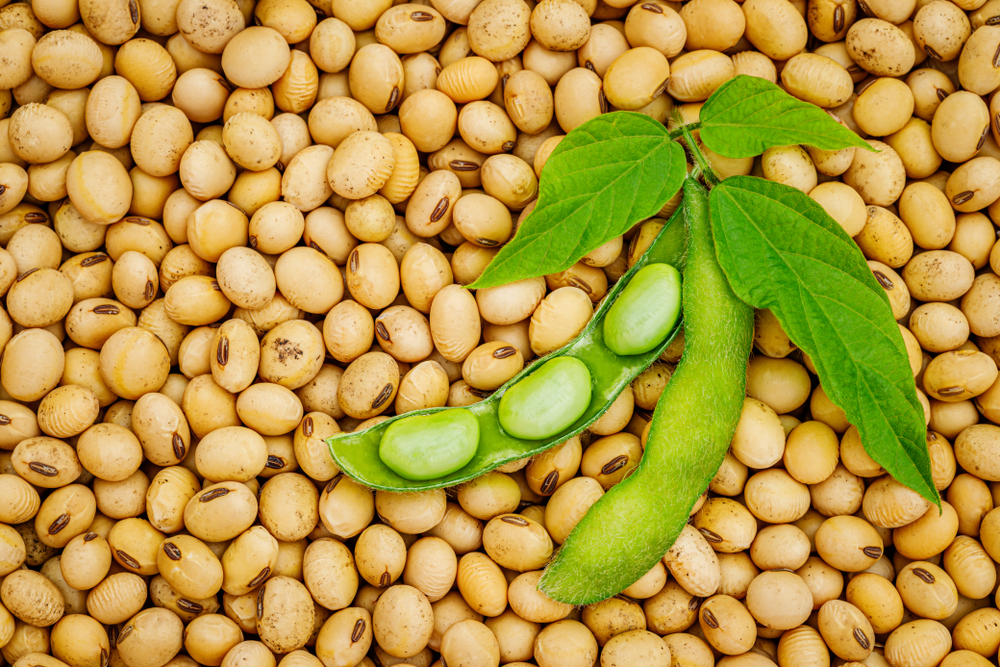
Soya beans are legumes, much like peas or lentils, but richer in protein. From them we get tofu, soya milk, tempeh, miso, and soya protein powders. In Asia, people have eaten soya in traditional forms for thousands of years – usually fermented, as in miso or tempeh.
The benefits of soya
- Heart health
Soya is naturally low in saturated fat and contains compounds called isoflavones. Studies show that replacing animal protein with soya protein may lower “bad” LDL cholesterol and improve overall heart health – a big plus as we age, when cardiovascular risk tends to increase. - Bone strength
The isoflavones in soya mimic oestrogen very gently. For women after menopause, when natural oestrogen drops, soya may help maintain bone density and reduce the risk of osteoporosis. - Brain and memory
Some research suggests soya isoflavones might have protective effects on cognitive function. While results are mixed, there is evidence that diets rich in plant proteins – including soya – support better brain health as we age. - A complete plant protein
Unlike most plant foods, soya contains all nine essential amino acids. This makes it an excellent protein source for seniors who may want to cut down on red meat or balance animal proteins with plant-based ones.
The concerns about soya
Hormones and cancer risk
Because soya isoflavones act like weak plant oestrogens, people worry about hormone-sensitive cancers such as breast or prostate cancer. But the majority of large studies show that moderate soya intake does not increase risk. In fact, in Asian populations, higher soya consumption is linked to a lower risk of breast cancer and improved survival rates.
Thyroid health
There’s some evidence that soya may interfere with thyroid hormone absorption if you already have low thyroid function. If you take thyroid medication, it’s best to space soya foods at least four hours away from your dose.
Processing matters
Not all soya is created equal. Whole or minimally processed soya (edamame beans, tofu, tempeh, miso) is much healthier than highly processed soya found in sausages, burgers, or protein bars, which may contain additives, salt, and refined oils.
How much is safe – and useful?
Most nutrition experts agree that 1–2 servings of whole soya a day is safe and beneficial for most people. A serving could be:
- 250 ml of soya milk
- 100 g of tofu
- Half a cup of edamame beans
That’s enough to reap the heart and bone benefits without overloading.
Practical, Healthy Recipes with Soya
- Tofu & Vegetable Stir-Fry
Light, protein-rich, and colourful.
- 150 g firm tofu, cubed
- 1 tbsp olive oil
- 1 small carrot, sliced
- A handful of green beans or broccoli florets
- 1 clove garlic, minced
- 1 tbsp low-sodium soy sauce
- A squeeze of lemon juice
Method: Pat tofu dry, pan-fry until golden, then stir-fry with garlic and veg. Add soy sauce and lemon, and serve with brown rice.
- Soya Milk Porridge with Berries
Comforting breakfast with extra protein and calcium.
- 250 ml fortified unsweetened soya milk
- 40 g rolled oats
- ½ tsp cinnamon
- A handful of fresh or frozen berries
- 1 tsp chia seeds or ground flaxseed
- Miso Soup with Tofu & Spinach
Gentle on digestion, packed with flavour.
- 500 ml water
- 1 tbsp miso paste
- 100 g soft tofu, cubed
- A small handful of spinach leaves
- 1 spring onion, sliced
Method: Warm water, dissolve miso, add tofu and spinach, heat gently, then top with spring onion.
Storage and Cooking Tips
- Tofu: Store unopened in the fridge. Once opened, keep submerged in water in a container, change the water daily, and use within 3–4 days.
- Soya milk: Choose fortified, unsweetened varieties. Keep chilled once opened and consume within 3–5 days.
- Miso paste: Lasts a long time in the fridge. Use a clean spoon to scoop out to keep it fresh.
- Cooking tip: Tofu takes on flavour well – marinate briefly in herbs, spices, or lemon juice before cooking for better taste.
While soya is safe for most seniors, it’s important to remember that each body is different. If you have thyroid issues, hormone-sensitive conditions, or take specific medications, do consult your doctor before adding regular soya to your diet.
In moderate amounts, whole soya foods can be a heart-friendly, bone-supporting, and brain-boosting addition to a senior’s diet.