






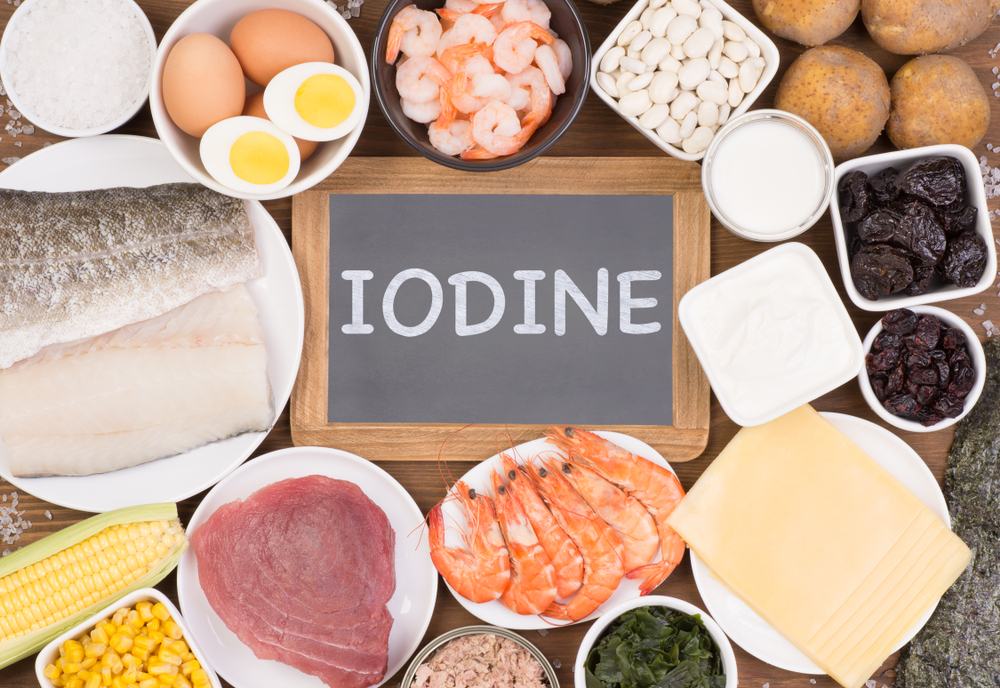
Despite its importance, many people, especially older adults, may not get enough iodine in their diet
In the vast world of essential nutrients, iodine is often overlooked. Yet this trace mineral plays a quiet but vital role in maintaining our overall health — from regulating metabolism to supporting brain development. Despite its importance, many people, especially older adults, may not get enough iodine in their diet, particularly as food habits shift away from traditional sources like sea salt and seafood.
What Exactly Is Iodine?
Iodine is a trace element naturally found in seawater, soil, and certain foods. It is absorbed by the thyroid gland — a small butterfly-shaped organ in the neck — which uses iodine to produce thyroid hormones: thyroxine (T4) and triiodothyronine (T3). These hormones regulate numerous processes in the body including metabolism, temperature control, and cellular growth.
Without adequate iodine, the thyroid cannot function efficiently, leading to a slowdown in metabolism, fatigue, and in more severe cases, hypothyroidism or goitre (an enlarged thyroid gland).
Why Iodine Matters
Research published in The Lancet Diabetes & Endocrinology and Nutrients highlights iodine’s crucial impact on both physical and mental wellbeing.
- Thyroid Health: According to the World Health Organization (WHO), iodine deficiency remains one of the leading causes of preventable thyroid disorders globally.
- Brain Function: During pregnancy and infancy, iodine is essential for foetal brain development. Even mild iodine deficiency in expectant mothers can lower children’s IQ scores later in life.
- Metabolic Balance: Adequate iodine ensures efficient metabolism, helping the body utilise energy properly.
- Cognitive and Emotional Health in Seniors: Research in the Journal of Clinical Endocrinology & Metabolism suggests that even marginal iodine deficiency in older adults can affect mood, memory, and cognitive function.
- Immune Function: Thyroid hormones also influence immune response, meaning iodine indirectly supports the body’s ability to fight infections.
Who Is at Risk of Iodine Deficiency?
While many countries have introduced iodised salt to combat deficiency, certain groups remain at risk:
- Vegetarians and Vegans: Plant-based diets often exclude seafood and dairy — major sources of iodine.
- People avoiding salt: With the growing trend of low-sodium diets, iodised salt intake may be insufficient.
- Those living in iodine-depleted regions: Areas with low soil iodine levels (especially inland or mountainous areas) may yield crops low in this nutrient.
- Older adults: Reduced food intake or poor absorption can make iodine deficiency more common in seniors.
Hidden Signs of Iodine Deficiency
- Persistent tiredness or low energy
- Dry skin and hair loss
- Sensitivity to cold
- Unexplained weight gain
- Mood swings or forgetfulness
- Swelling in the neck area (possible goitre)
If these symptoms persist, it’s best to consult a healthcare professional and have your thyroid function tested.
How Much Iodine Do We Need?
According to WHO guidelines:
- Adults: 150 micrograms (µg) per day
- Pregnant women: 220–250 µg per day
- Breastfeeding women: 250–290 µg per day
Excess iodine can also cause thyroid problems, so supplementation should only be done under medical advice.
Box: Foods Naturally Rich in Iodine
| Food Source | Approx. Iodine Content (µg per 100g) | Notes |
|---|---|---|
| Seaweed (kelp, nori, wakame) | 16–2,000 µg | Most concentrated source; consume in moderation |
| Iodised salt | 45 µg per gram | Widely available; check packaging |
| Fish (Pomfret, Surmai/King Mackerel, or Rohu) | 80–150 µg | Excellent local alternative to cod |
| Prawns and shellfish | 90 µg | Nutrient-rich and low in fat |
| Dairy (milk, yoghurt, cheese) | 30–60 µg | Major source in many diets |
| Eggs (especially yolk) | 20–25 µg | Easy daily addition |
| Fortified bread and cereals | Varies | Check labels |
| Seaweed seasoning (like kombu) | Up to 2,000 µg | Use sparingly for flavour |
Tip:
Try a comforting bowl of fish curry made with pomfret or surmai and iodised salt, or enjoy a glass of warm milk before bed — small steps that go a long way in nourishing your thyroid and keeping your energy up.
Doctor’s Insight
“Iodine deficiency, though less visible today, is silently re-emerging as people shift to non-iodised salts and processed foods low in minerals,” says Dr. Shubha Menon, Consultant Endocrinologist, Mumbai. “For seniors, maintaining thyroid balance is vital for energy, mood, and metabolism. A mix of seafood, dairy, and iodised salt — taken in moderation — usually meets daily needs without supplementation.”
A Delicate Balance
While iodine deficiency is harmful, excessive intake can also disrupt thyroid function. Balance is key — and most people can achieve healthy levels through a varied diet rather than supplements. Please consult your doctor when adding or making changes to
Iodine may not make headlines like vitamin D or calcium, but its influence on health is profound. Whether it’s keeping your metabolism humming, supporting your mental sharpness, or protecting your thyroid, this hidden nutrient deserves a spot on your health radar. For most adults — especially seniors — including moderate amounts of iodine-rich foods is a simple yet powerful way to maintain vitality and balance.