






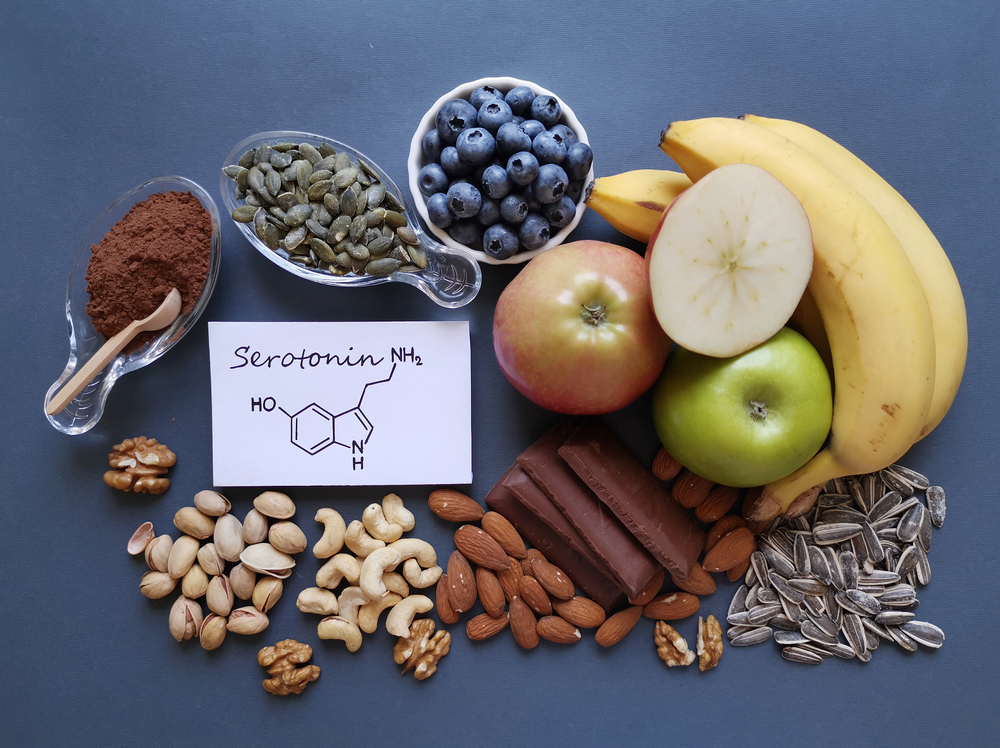
For seniors, nurturing serotonin is vital not only for mental health but also for sleep, digestion, and overall well-being
In today’s fast-moving world, it is common to feel anxious, low, or simply “off balance.” While many people talk about dopamine — the brain chemical linked to pleasure and reward — fewer focus on serotonin, the neurotransmitter often called the “contentment molecule.” For seniors, nurturing serotonin is vital not only for mental health but also for sleep, digestion, and overall well-being.
According to Dr Robert Lustig, an American paediatric neuroendocrinologist who has written extensively on how food and lifestyle affect our brain chemistry, dopamine gives us short bursts of pleasure, but serotonin provides the deeper, long-lasting sense of happiness and calm. Unlike dopamine, serotonin cannot be “hacked” instantly; it has to be cultivated through daily habits.
Here’s what the science tells us about serotonin, and how to naturally increase it.
Why Serotonin Matters
Serotonin plays a central role in:
- Mood regulation – low levels are strongly linked to depression and anxiety.
- Sleep – serotonin is the building block of melatonin, the hormone that regulates our body clock.
- Appetite and digestion – almost 90% of serotonin is produced in the gut, not the brain.
- Pain perception and memory – serotonin helps the nervous system modulate both.
Dr Lustig warns that many ultra-processed foods, excessive sugar, and chronic stress disrupt serotonin balance, leaving people trapped in a cycle of craving dopamine “hits” (like sweets, social media, alcohol), while serotonin — the source of true satisfaction — is neglected.
Science-Backed Ways to Boost Serotonin Naturally
- Eat Foods Rich in Tryptophan
Serotonin is made from tryptophan, an amino acid found in protein-rich foods. Pairing tryptophan foods with complex carbohydrates helps transport it into the brain.
- Good sources: lentils, chickpeas, paneer, eggs, nuts, seeds, bananas.
- Whole grains like brown rice or oats help tryptophan cross the blood-brain barrier.
Science says: A 2020 review in Nutrients confirmed that diets rich in tryptophan are associated with improved mood and lower risk of depression.
- Prioritise Gut Health
Since most serotonin is made in the gut, nurturing the gut microbiome is key. Fermented foods (idli, dosa, yoghurt, kefir, sauerkraut) and fibre from vegetables and fruit feed the “good bacteria” that help regulate serotonin production.
Science says: Research in Cell (2020) shows certain gut microbes directly stimulate serotonin release in the intestine, influencing both digestion and mood.
- Get Sunlight Exposure
Sunlight stimulates serotonin production in the brain. Even 20–30 minutes of morning light can lift mood and regulate circadian rhythm.
Science says: A landmark study in The Lancet Psychiatry found that low sunlight exposure is linked with higher seasonal depression rates, particularly in older adults.
- Exercise Regularly
Physical activity increases both serotonin release and receptor sensitivity. Walking, yoga, tai chi, or even gentle stretching can make a difference.
Science says: A 2016 study in Translational Psychiatry confirmed that exercise boosts serotonin function and helps protect against depression.
- Sleep Well
Poor sleep lowers serotonin and disrupts its conversion to melatonin. Aim for 7–8 hours of good-quality sleep by keeping a regular bedtime and limiting screens at night.
Science says: Research in Sleep Medicine Reviews shows that improving sleep hygiene can significantly improve serotonin-related mood disorders.
- Connect with Others and Practise Gratitude
Serotonin is boosted through social bonding, acts of kindness, and gratitude. Unlike dopamine, which is individualistic, serotonin thrives in community and connection.
Dr Lustig notes that “contentment comes from connection” — whether through spending time with family, volunteering, or simply sharing a meal with friends.
The Balance (& Difference) Between Dopamine and Serotonin
Dr Lustig often describes dopamine and serotonin as being in opposite tension:
- Dopamine = short-term pleasure – The I WANT & NEED THIS syndrome. (“I got a like on my post”).
- Serotonin = long-term contentment (“I feel calm, fulfilled, and loved”).
Ultra-processed foods, social media scrolling, alcohol, and binge shopping flood the brain with dopamine “hits” but can deplete serotonin over time. By contrast, wholesome food, sunlight, movement, sleep, and meaningful relationships nourish serotonin steadily.
Balanced mental health doesn’t come from a pill or a quick fix — it’s cultivated daily. By choosing natural foods rich in tryptophan, spending time outdoors, moving your body, sleeping well, and connecting with others, you are not just increasing serotonin, you are building the foundations of lasting contentment.
As Dr Robert Lustig reminds us: “Happiness is not the same as pleasure. Happiness is serotonin — and it has to be earned.”
Here are some of our earlier stories on Mental Health that you may like to read:
https://seniorstoday.in/trending/how-important-is-alone-time-for-mental-health
https://seniorstoday.in/health/its-time-we-acknowledge-mental-health-issues
https://seniorstoday.in/selfhelp/5-ways-to-become-more-peaceful
https://seniorstoday.in/health/navigating-depression-12-tips-for-healing-and-hope