






How This Natural State Can Reset Your Body and Mind
As we grow older, it becomes increasingly important to support our health with gentle, manageable lifestyle choices. One such approach is embracing the body’s natural ability to enter a state called ketosis, a metabolic shift often associated with the ketogenic diet. But what if we told you that you can tap into the power of ketosis without giving up your roti, rice, or fruits?
Let’s explore how simple lifestyle strategies—rooted in science—can naturally trigger ketosis, offering a healthy reset for both body and mind.
What Is Ketosis—and Why It Matters
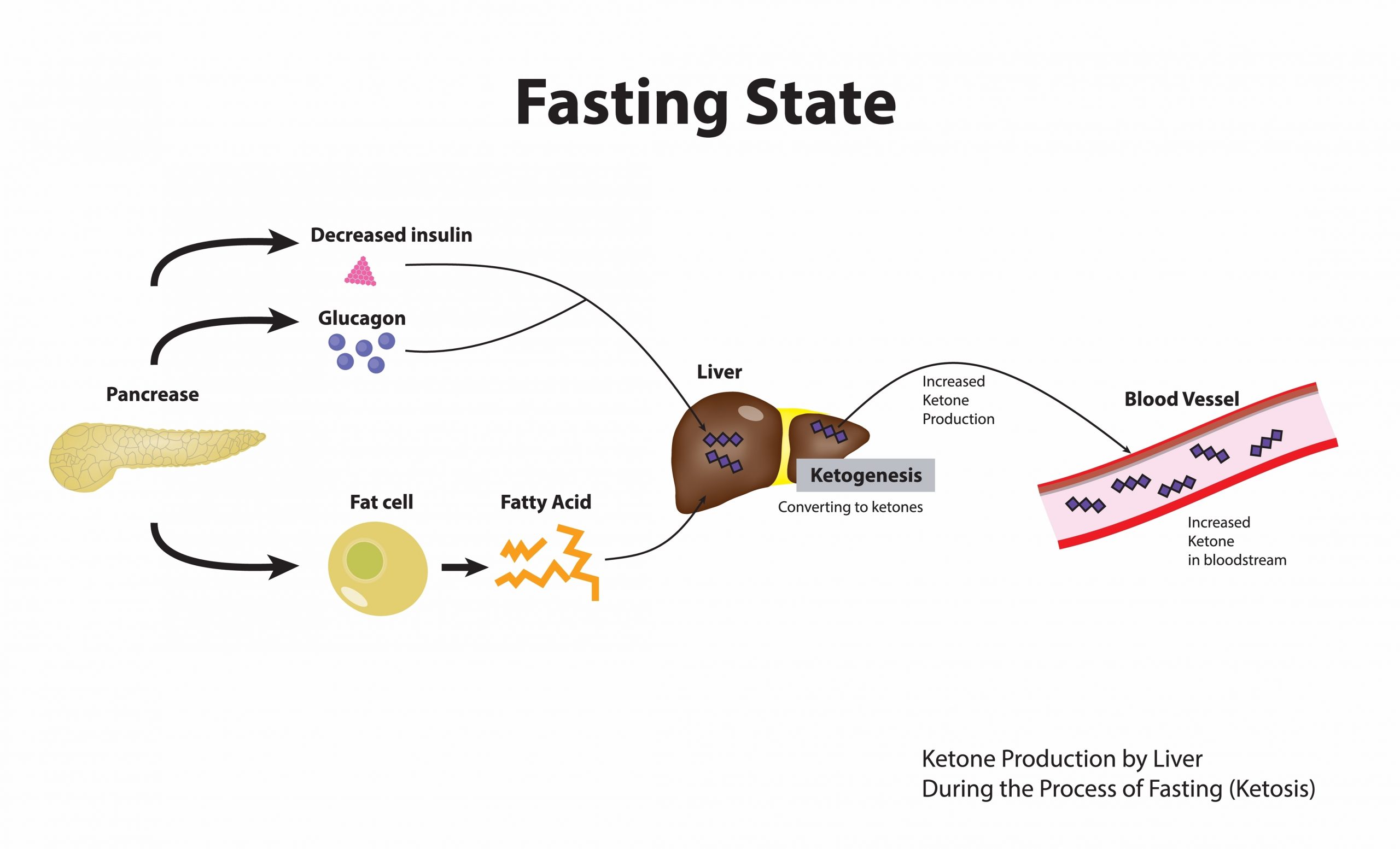
Ketosis occurs when your body begins burning fat instead of glucose (sugar) for energy. This metabolic shift creates ketones, which are clean-burning fuel for the brain, heart, and muscles. Our ancestors often entered ketosis during periods of fasting or limited food intake—now, science shows this state supports metabolic health, brain function, and healthy ageing.
Ketosis isn’t only about weight loss. It has been associated with:
- Lower blood sugar and insulin resistance
- Reduced inflammation
- Mental clarity and focus
- Improved energy levels
- Cellular rejuvenation (via autophagy)
To summarise:
Ketosis is when your liver produces ketone bodies (beta-hydroxybutyrate, acetoacetate, acetone) from fat, which your brain and muscles use instead of glucose.
Ketosis is measured in millimoles per litre (mmol/L) of blood ketones.
Levels of Ketosis
- Nutritional/Mild Ketosis:
- 0.5 – 1.0 mmol/L
- Achieved with overnight fasting, low-carb meals, or light intermittent fasting.
- This is enough to improve insulin sensitivity and give the brain a steady fuel source.
- Moderate Ketosis:
- 1.0 – 3.0 mmol/L
- Typical of a well-formulated ketogenic diet.
- Often targeted for neurological benefits (e.g., Alzheimer’s, Parkinson’s, epilepsy).
- Deep Ketosis:
- 3.0 – 7.0 mmol/L
- Usually reached with prolonged fasting (2–4+ days) or very strict keto (<20 g carbs/day).
- The brain runs largely on ketones here.
- This is sometimes used therapeutically for epilepsy, cancer research, or advanced metabolic therapy.
- Danger Zone — Ketoacidosis:
- >10 mmol/L, with high blood sugar and acidosis (common only in uncontrolled type 1 diabetes).
- This is not nutritional ketosis and is life-threatening.
Why “Deep Ketosis” Is Not Recommended for Seniors
- Pros: Deep ketosis can give the brain an alternative, cleaner fuel and may reduce neuroinflammation. Some studies show promise in slowing cognitive decline.
- Cons: It can stress the body if maintained too long — seniors may experience fatigue, muscle loss, electrolyte imbalance, or raised cortisol.
For most healthy seniors, mild to moderate ketosis (0.5–2.0 mmol/L, a few times per week) is enough for metabolic and brain health benefits — without the risks of prolonged deep ketosis.
How to Enter Ketosis—Without a Strict Keto Diet
Here are science-supported methods to enter mild, natural ketosis:
- Intermittent Fasting (IF)
By simply delaying breakfast or eating dinner earlier, your body can switch to fat-burning mode. A common pattern is 16:8 fasting: fasting for 16 hours and eating during an 8-hour window (e.g., 11 a.m. to 7 p.m.).
Even lighter fasting (12–14 hours) can help initiate ketosis over time.
- Longer Fasting (Optional)
Periodic 24–36-hour fasts can deepen ketosis. However, this is only advised under professional supervision—especially for seniors.
- Minimal Processed Carbs
Focus on whole foods like vegetables, legumes, small servings of grains (millets, brown rice), and reduce sugar-heavy snacks. This supports natural ketosis without depriving you of traditional Indian meals.
- Smart Fat Intake
Healthy fats like ghee, coconut oil, nuts, and seeds help your body transition into fat-burning mode and sustain energy levels.
Science-Backed Benefits for Seniors
Research shows fasting-induced ketosis may support:
| Benefit | Scientific Support |
|---|---|
| Blood sugar regulation | Lowers insulin resistance, helps manage type 2 diabetes |
| Brain clarity & memory | Ketones support brain function, increase BDNF (a brain-growth molecule) |
| Inflammation reduction | BHB (a key ketone) reduces inflammation pathways like NLRP3 |
| Longevity | Cellular autophagy clears damaged cells and supports healthy ageing |
Sources: Harvard Health, NIH, PubMed, Times of India, Dr Jason Fung
Simple Fasting-Friendly Meal Ideas
- Breakfast (when breaking fast): Moong dal chilla + coconut chutney
- Lunch: Bajra roti + sabzi + dal + salad or curd
- Light Dinner (before 7 pm): Khichdi with lauki + soup or buttermilk
- Snacks: Roasted makhana, almonds, or herbal teas
Keep hydrated: sip water, jeera water, or tulsi tea during fasting hours.
What Doctors and Experts Say
Leading experts and medical institutions support intermittent fasting and mild ketosis—especially when done gradually and safely:
🏥 Harvard Health Publishing
“Fasting helps the body switch from glucose to ketones, improving blood sugar, memory, and cholesterol levels. Older adults can do it safely with supervision.”
– Kathy McManus, Director of Nutrition, Brigham and Women’s Hospital
👩⚕️ Dr Suzanne Salamon (Harvard Geriatrician)
“Seniors can try intermittent fasting, starting with 12-hour fasts. But go slow and speak to your doctor—especially if on medications.”
📚 Dr Jason Fung, MD (Nephrologist & Author)
“Fasting is entirely natural. Schedules like 16:8 are flexible and effective. You don’t need to eat keto to achieve ketosis.”
HealthNews on Time-Restricted Eating for Seniors
“Eating within a 6–10-hour window is safe and supports metabolism, brain function, and energy balance in older adults.”
Sources: Harvard Health, HealthNews, Woman’s World, Dr Jason Fung, BetterMe
Doctor-Endorsed Fasting Schedule for Indian Seniors
| Week | Fasting Window | Eating Window | Notes |
|---|---|---|---|
| Week 1 | 12:12 (7 p.m.–7 a.m.) | 7 a.m.–7 p.m. | Easy start: just avoid late-night snacking |
| Week 2 | 14:10 (7 p.m.–9 a.m.) | 9 a.m.–7 p.m. | Let body gently shift to fat-burning |
| Week 3+ | 16:8 (7 p.m.–11 a.m.) | 11 a.m.–7 p.m. | Promotes mild daily ketosis and brain clarity |
Backed by Harvard Health, BetterMe, Dr Jason Fung
Always consult your doctor before beginning fasting, especially if you are diabetic or on regular medications
A Gentle Reset for Body & Mind
You don’t need to follow a strict keto diet or give up Indian favourites. By gently adjusting when you eat—and nourishing yourself wisely—you can support your body’s natural ability to reset through ketosis.
Let it be slow. Let it be kind. Let it be right for you. Let it work for you.