







The ‘Morris Worm’:
In 1988, a Harvard University graduate and postgraduate student, released a worm that infected thousands of computers, causing significant disruption and highlighting the potential of cyber-attacks. Robert Morris’ motive was “to demonstrate the inadequacies of current security measures on computer networks by exploiting the security defects that Morris had discovered’. He was sentenced to 3 years of probation and 400 hours of community service. He became the first person ever to be convicted under the then-new Computer Fraud and Abuse Act. On his release, he joined MIT as a faculty member.
BharatPay Data Breach:
Personal data, transaction details of 37,000 users was leaked online. On August 13, CloudSEK’s threat intelligence arm, XVigil, found that BharatPay’s backend database containing customers’ personal information, bank balance, and transaction data from February 2018 to August 2022 was leaked on a cybercrime forum.
The leaked data includes callback response logs, which contains information about the transacting entity’s phone number, transaction ID, and the bank balance amount – all of which are sensitive pieces of information.
Transaction records are a vital piece of evidence for any financial dealing between two entities. Leaked data puts users at the risk of being targeted by spear-phishing or smishing, and social engineering-driven exploits.
Furthermore, researchers tell us that “the exposed data could equip threat actors with information required to launch sophisticated ransomware attacks, data exfiltration, and maintaining persistence. This information can be aggregated to further be sold as leads on cybercrime forums”.
The cause of the breach appears to have been an outdated software version!
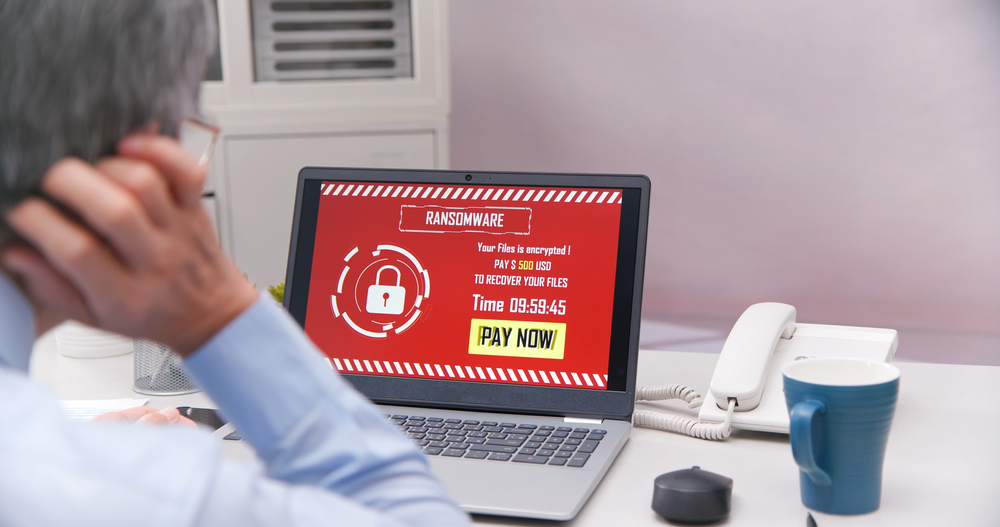
Psychological Effects:
Cybercrime can have significant psychological effects on individuals, ranging from immediate emotional distress to long-term mental health challenges. Victims may experience anxiety, depression, fear and even PTSD (Post Traumatic Stress Disorder), depression, acting out violently, trust issues with family and friends, and low self-esteem…. particularly when dealing with identity theft, online harassment, or even cyber bullying. These can manifest as difficulty in sleeping, changes in appetite, social withdrawal, and a general sense of vulnerability and distrust.
It is crucial for victims to seek support and help from trusted individuals or professionals. Report such cybercrimes on www.cybercrime.gov.in… Or telephone 1930.
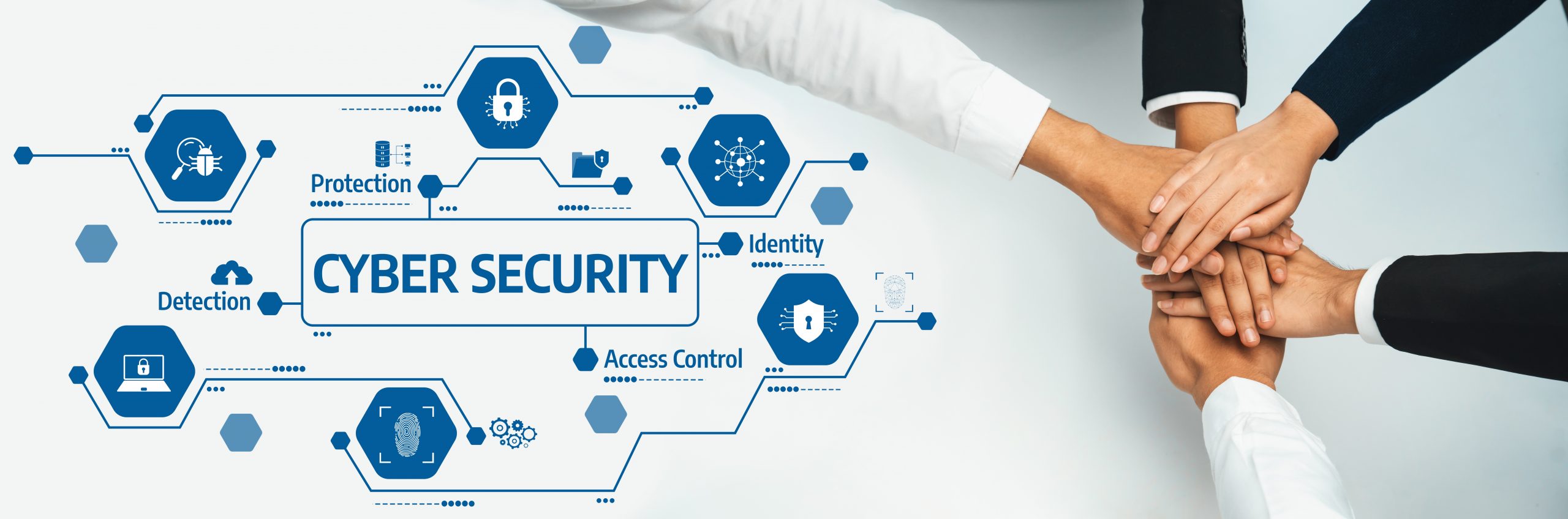
The four Ps of cybersecurity for senior citizens involve: PLANNING, PREVENTION, PROTECTION AND PRIVACY. These principles are crucial for protecting seniors from cyber threats like phishing, scams and identity theft.
Falling prey to cybercrimes can happen to any one of us. Unknown links are sent regularly; Threatening emails are sent supposedly from some senior police officer or a senior lawyer; Airtel emails enticing one to fill in details as the company wants to give us Rs. 3000/-… these are just some examples of what I have been sent! And, let me tell you, the emails are convincing up to a point. But also, let me tell you… if you look closer to the sender’s email address… that’s the tell-tale sign! It does not make sense!!
JUST DO NOT FALL PREY….
Please do not become a soft and easy target for the online scamsters and fraudsters for exploitation. It is extremely essential for you to acquire cybersecurity skills and awareness to mitigate the threats and dangers lurking in the online world to protect yourself and your hard-earned money in your retiring years.