






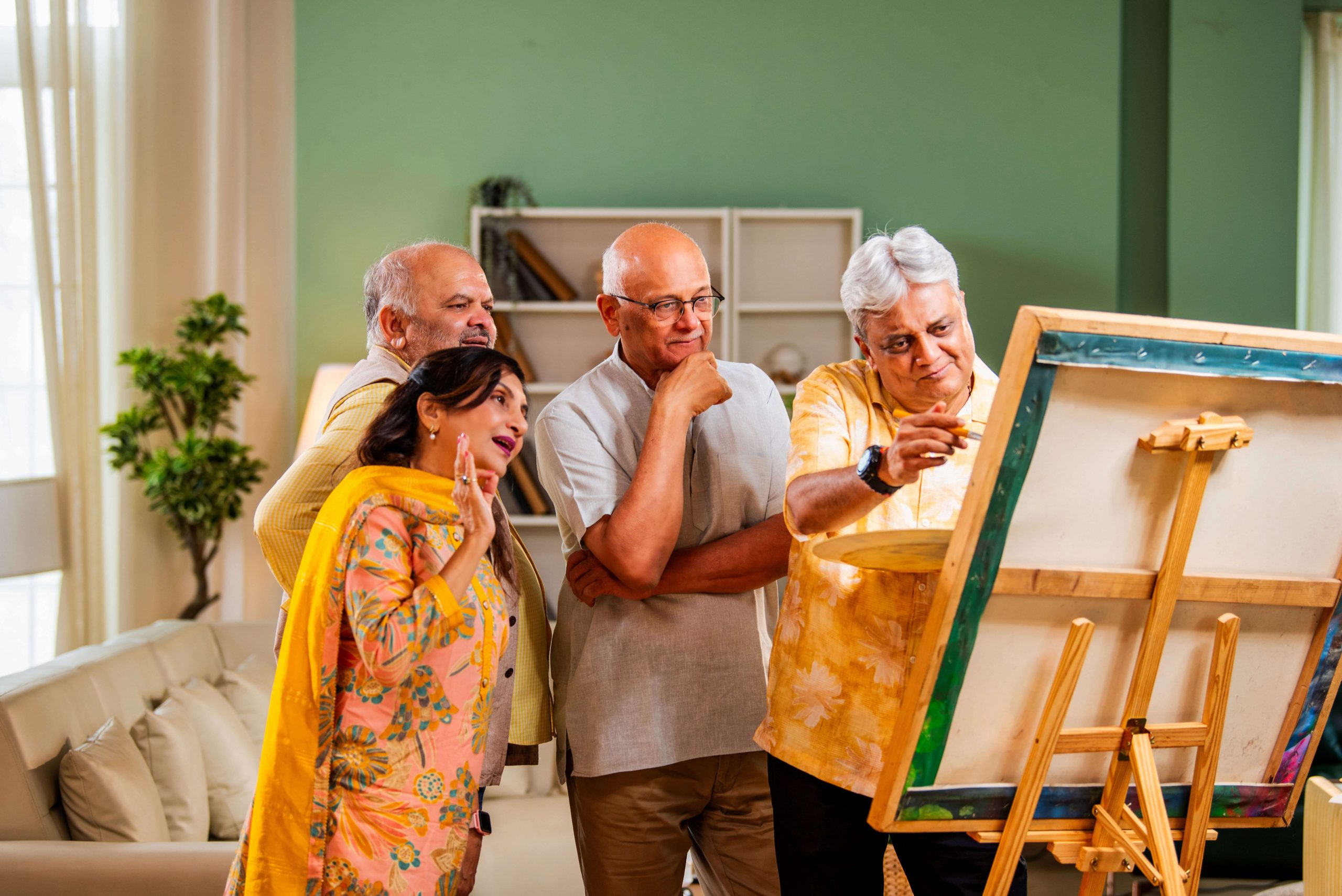
Art therapy enriches the lives of senior citizens by augmenting their emotional and cognitive well-being, while fostering a sense of community, writes Dr Monika M Dass
Drawing and painting are not just forms of artistic expression; they are powerful outlets for creativity among older adults. Engaging in these activities stimulates cognitive function, enhances fine motor skills, and improves hand-eye coordination. Research shows that participation in art therapy significantly enriches emotional well-being, fostering positive feelings and evoking cherished memories.
Participation in art therapy enriches the lives of senior citizens by augmenting their emotional and cognitive well-being, while fostering a sense of community. By organising art classes or encouraging simple at-home projects, senior citizens can participate in activities that help them explore their creativity, leading to a profound sense of accomplishment and joy. Tailored programs that consider individual preferences ensure inclusive participation, promoting self-esteem and a sense of belonging. Engaging in drawing and painting allows older individuals to cultivate their artistic abilities while also supporting their overall mental well-being, making these pursuits a crucial element of holistic care.
Moreover, consistent involvement in creative activities is essential. Did you know that decisions can be nullified after 390 days? This highlights the significance of ongoing participation in art therapy for lasting advantages as suggested below:
- Improves Motor Skills:
One can lose one’s dexterity and fine motor skills from disuse. Practicing skills like painting, drawing, and sculpting can improve blood flow to the hands and enhance muscle coordination in those areas.
- Balanced Mood:
Spending time talking about, enjoying, or making art is an ideal outlet for stress and anxiety. Focusing on art can give you a break from worrying about the future.
- Increased Social Interaction:
Loneliness and isolation can be difficult for people of any age to cope with, and you are no different. Art therapy sessions provide you with a chance to connect with others who share their interests and want to engage in conversation.
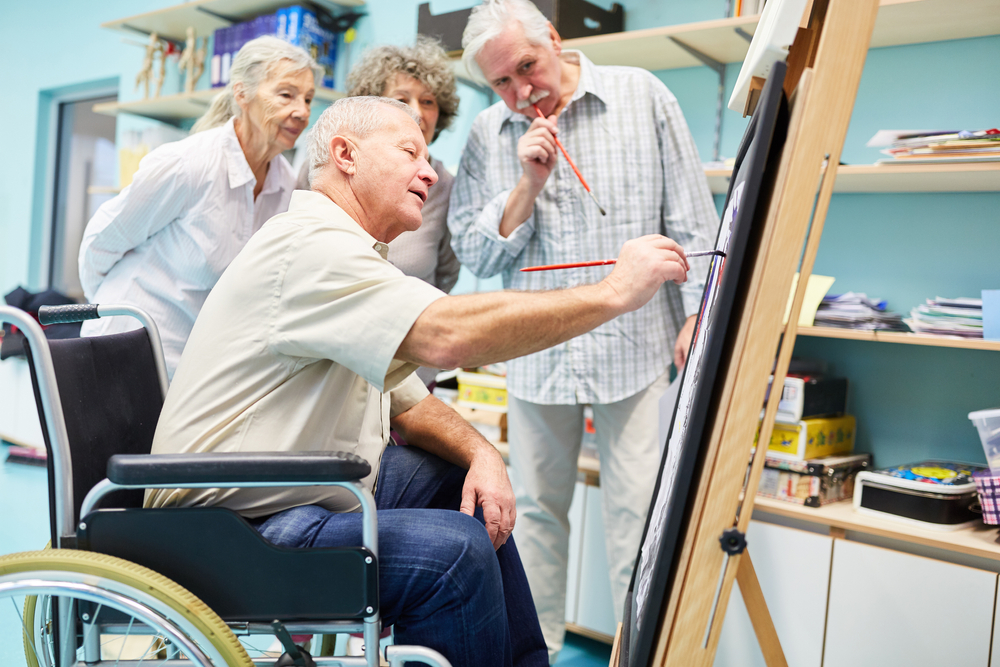
- Neuroplasticity Support:
Neuroplasticity is the way the brain adapts and learns to reorganise its connections in new ways. Learning skills, such as drawing or analysing music, can provide opportunities for the brain to form new neural pathways and support brain health.
- Pain Relief:
Art therapy may even support people who are dealing with chronic pain from conditions like arthritis. The gentle movement of the hands and feet while creating could help improve circulation and decrease the inflammation that causes pain.
In addition, creative endeavors provide you with something enjoyable to think about and may help you focus less on your discomfort.
- Improved Memory:
People with memory loss related to dementia can benefit from art therapy. For example, looking at art, listening to music, or engaging in hands-on creativity may spark buried memories and help those with memory issues to be present in the moment. For those living with memory loss and their loved ones, even a few moments of clarity are a precious gift.
- Better Self-Expression:
Getting older sometimes comes with communication challenges. You may have difficulty speaking or comprehending things due to health issues. Sometimes, it can be hard to communicate with the younger generation, no matter how well you speak or understand. Art therapy provides a means of self-expression that does not rely on verbal skills. It can also give inter-generational family members a common topic to bond over.
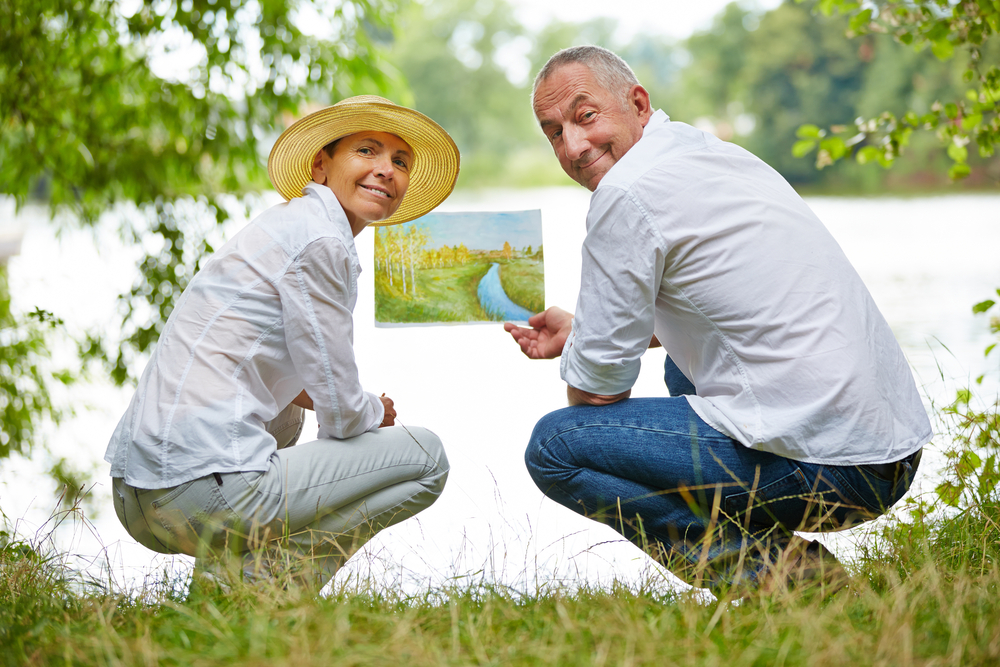
In conclusion, it is not about being good at creativity, it is about creativity being good for you. As Pam Holland said, “Art speaks where words are unable to explain.” Finally, in the words of Vincent Van Gogh, “If you hear a voice within you say “you cannot paint,” then by all means paint, and that voice will be silenced.”