






Even small shifts in your daily routine can bring surprising results, writes Udai Mathur
As we age, maintaining a healthy weight becomes less about appearance and more about comfort, mobility, and overall well-being. Weight loss does not need fancy diets or expensive supplements. What helps most is steady, thoughtful change and a lifestyle that suits our Indian habits, food preferences, and daily routines. Here are 20 safe and sensible ways to manage your weight while feeling healthier and more energetic.
- Choose Healthier Snacks
Instead of biscuits, namkeen, or mithai, try snacks that fill you without adding unnecessary calories. You can have Greek yoghurt or dahi with fruit, a handful of almonds, a boiled egg, roasted chana, or sliced cucumber with a little homemade hummus. These keep you satisfied for longer. - Reduce Processed and Packaged Foods
Many packaged snacks found in supermarkets contain too much sugar, salt, and unhealthy fats. Choose natural foods like fresh fruits, vegetables, dals, rotis made at home, whole grains, and lean meats. They nourish the body better and reduce the risk of lifestyle diseases. - Increase Your Protein Intake
Protein keeps you full and supports muscle strength. Indian diets often depend heavily on carbs, so add more protein through eggs, paneer, dahi, dals, chole, rajma, tofu, or grilled chicken. - Cut Down on Added Sugars
Too much sugar leads to weight gain and high blood sugar. Try to reduce sweet tea, soft drinks, halwa, packaged biscuits, and sugary sauces. If needed, use small quantities of jaggery or dates.
5. Enjoy Black Coffee or Tea Sensibly
A cup of black coffee or plain tea without sugar can gently boost your metabolism. Have it during the day, but avoid late evenings so it does not disturb your sleep.

- Drink Plenty of Water
Many of us forget to drink enough water, especially in winter. Keep a bottle near you and sip frequently. Begin your day with warm water and drink a glass before meals. This helps with portion control and digestion. - Reduce Refined Carbohydrates
Foods made from maida, such as white bread, samosas, naan, and bakery items, can cause sudden spikes in energy followed by fatigue. Replace them with whole wheat rotis, brown rice, millets like ragi or jowar, and other whole grains. - Understand Intermittent Fasting in Simple Terms
Some people prefer eating all their meals within a fixed part of the day. For example, having breakfast at 9 am and finishing dinner by 7 pm. This gives your body a natural break from constant eating. If you have diabetes, heart conditions, or take medication, please consult your doctor before trying this. - Be Aware of How Much You Eat
You do not need to count every calorie. Simply noting down what you eat in a small diary or on your phone for a few days can help you understand your habits and make better choices. - Manage Stress Gently
Stress can make us reach for comfort foods. Try simple breathing exercises, listening to bhajans or old film songs, taking a walk, spending time with family, or practising light meditation. These help calm the mind. - Brush Your Teeth After Meals
A simple but effective way to reduce unnecessary snacking. Once you brush, your mind recognises that your meal is over.

- Eat More Fruits and Vegetables
Indian markets offer a beautiful variety of fresh produce. From papaya and oranges to lauki, bhindi, and spinach, all are rich in fibre and water. Try making half your plate vegetables at lunch and dinner. - Reduce Carbs Slowly
There is no need to give up rice or rotis altogether. Start by reducing the portion slightly and replacing some of the carbohydrate-heavy foods with dals, sprouts, leafy greens, and salads. - Add More Fibre to Your Diet
Fibre helps digestion and keeps you feeling full. Include oats, whole grains, flaxseeds, fruits with skin, vegetables, and legumes like chana and rajma. - Stay Active in a Way You Enjoy
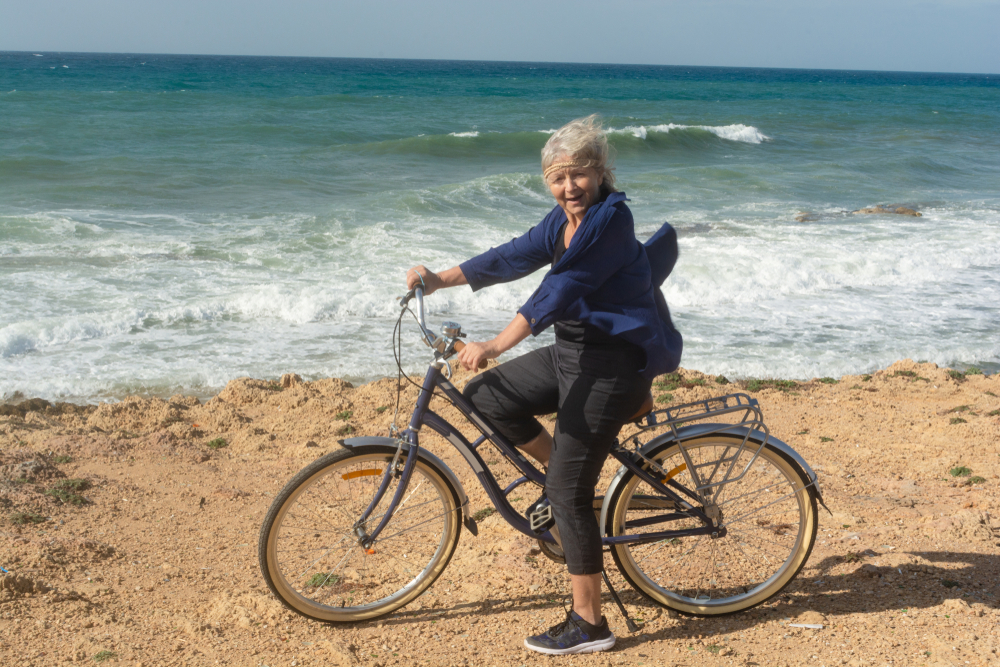
Movement is vital at any age. A 20 minute walk in the park, cycling on a stationary bike, yoga, or light household chores all help. You do not need intense workouts. The goal is regular activity that feels comfortable. - Use Whey Protein Only If Required
If your doctor or nutritionist suggests more protein, whey protein can be added once a day, especially after walking or light exercise. Choose a low sugar variety and mix it with water or milk. - Eat Slowly and Chew Properly
We often eat too fast, especially if we are distracted. Sit down, chew well, and enjoy the flavours. This gives your body time to recognise when you are satisfied.
- Add Chilli and Spices
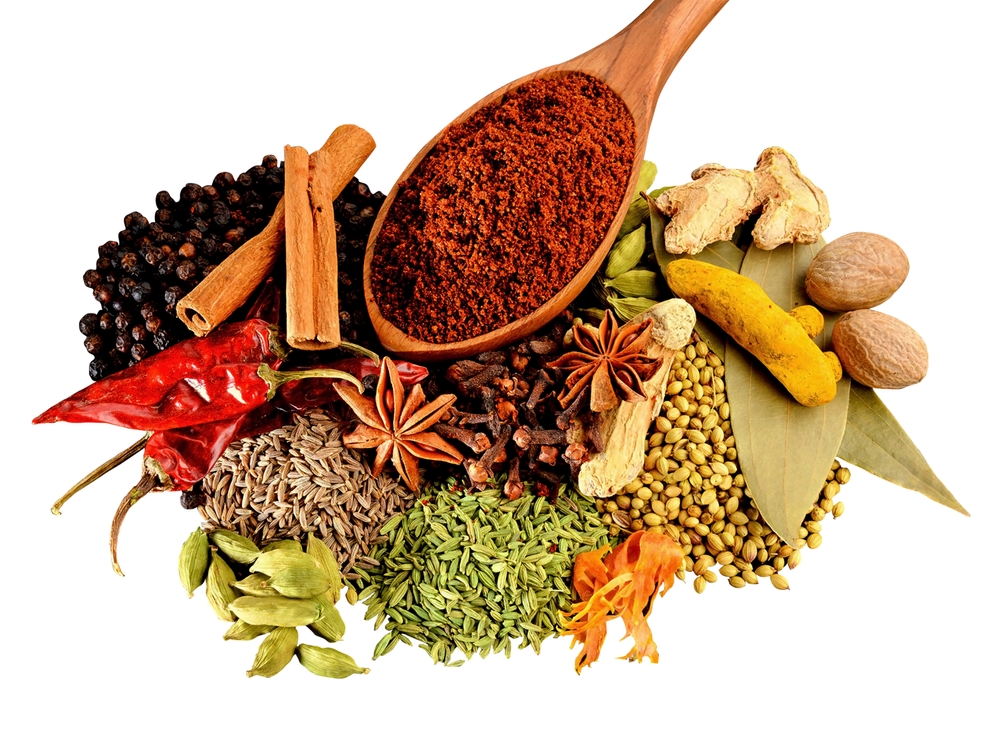
Indian cooking already uses spices wonderfully. Chilli, turmeric, jeera, and dhania add flavour and may help reduce appetite a little. They make healthy meals more enjoyable. - Sleep Well and Rest Fully
Quality sleep is essential for maintaining a healthy appetite and weight. Try to sleep for seven to eight hours. Avoid using your phone or watching TV just before bedtime. - Practise Mindful Eating
Switch off the television, put away your phone, and enjoy your meal without distractions. Notice the taste and aroma and stop when you feel pleasantly full, not heavy. This helps prevent overeating.
Improving our health is a gradual journey, especially in our senior years. You do not need dramatic changes to feel better. Even small shifts in your daily routine can bring surprising results. Choose the habits that suit your lifestyle, take joy in the process, and be patient with yourself. Every mindful step you take is a gift to your body and your future well-being.
