






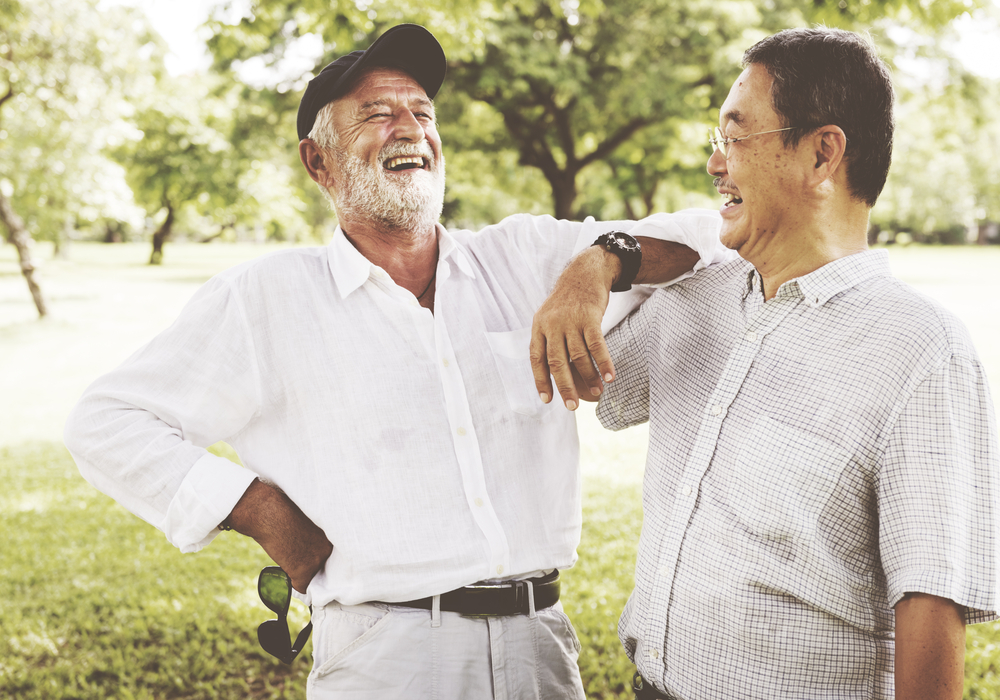
For generations in India, health was understood instinctively. It lived in shared meals, neighbourhood conversations, temple visits, evening walks and festivals that brought people together. Illness was not only treated with medicine, but with company.
As India moves rapidly towards 2026, science is catching up with this wisdom.
The strongest predictor of health in the coming years may not be income, diet or even access to hospitals — but social connection.
Why Connection Matters More Than Ever in India
India is experiencing a unique convergence of change:
- Rapid urbanisation and migration to cities
- Smaller families and more seniors living alone
- Increased screen use across all age groups
- High levels of work stress among younger adults
- A growing population of older adults living longer, but often more isolated
Public health research increasingly shows that chronic loneliness affects physical health as profoundly as smoking, obesity or inactivity.
The World Health Organization has identified social isolation as a major global health risk, linking it to heart disease, depression, diabetes, cognitive decline and weakened immunity — conditions already rising across India.
Loneliness: The Hidden Health Risk in Indian Homes
Loneliness in India often goes unnoticed because families still appear close on the surface. Yet many people — especially seniors — experience:
- Children living abroad or in other cities
- Reduced daily conversation
- Loss of traditional community roles
- Limited mobility or health challenges
At the same time, younger adults report feeling disconnected despite busy lives, long work hours and constant digital communication.
By 2026, doctors and researchers expect emotional isolation to be one of the strongest predictors of declining health — especially for heart disease, mental health issues and memory loss.
Connection Protects the Brain and the Body
Indian and global studies suggest that regular social engagement lowers inflammation, stabilises blood pressure and protects cognitive function.
Simple, culturally familiar activities make a measurable difference:
- daily chats with neighbours
- shared meals
- group prayers or satsangs
- music, bhajans or light exercise groups
- caring for grandchildren or community volunteering
These interactions stimulate memory, regulate stress hormones and strengthen immunity.
In medical terms, conversation becomes preventive care.
Technology: A Double-Edged Sword in India
India’s digital growth has brought enormous benefits — from telemedicine to family video calls across continents. Programmes linked to Ayushman Bharat and digital health platforms have improved access to care.
However, excessive passive screen use — especially scrolling without interaction — is associated with anxiety, sleep disturbance and a sense of emptiness.
The health predictor is not technology itself, but whether it connects people meaningfully or quietly replaces human contact.
The Rise of Social Prescribing
Healthcare professionals are increasingly recognising that medicine alone cannot address lifestyle-related illness.
In India, this is leading to renewed interest in:
- community health centres
- senior activity clubs
- intergenerational programmes
- walking groups and yoga circles
- cultural and spiritual gatherings
Rather than asking only “What symptoms do you have?”, health workers are beginning to ask:
“Who do you spend time with?”
A Cultural Truth Science Is Rediscovering
India has always understood that health is relational. From joint families to village life, wellbeing was collective.
As society modernises, rebuilding intentional connection may become the most powerful health investment of 2026.
Not through grand gestures — but through daily presence.
The biggest health predictor of 2026 in India may be a simple question:
Do you feel connected, valued and included?
In an age of advanced medicine and artificial intelligence, the most powerful health intervention may still be deeply human.
To be seen.
To be heard.
To belong.