






Although both sounds can support sleep, they have some important differences, writes Udai Mathur
If you have ever struggled to fall asleep, you have probably come across suggestions to listen to white noise. In recent years, however, another sound has been gaining attention among sleep enthusiasts and wellness experts. It is called green noise.
At first glance, the term may sound unusual. After all, colours are something we see, not hear. Yet different types of sound are often described using colours because they represent how sound energy is distributed across different frequencies. White noise has been popular for decades, but green noise is now being promoted as a gentler and more natural alternative for relaxation and sleep.
So, what exactly is green noise, and how does it compare with white noise? More importantly, could it help you enjoy a better night’s sleep? Let us explore.
Understanding White Noise
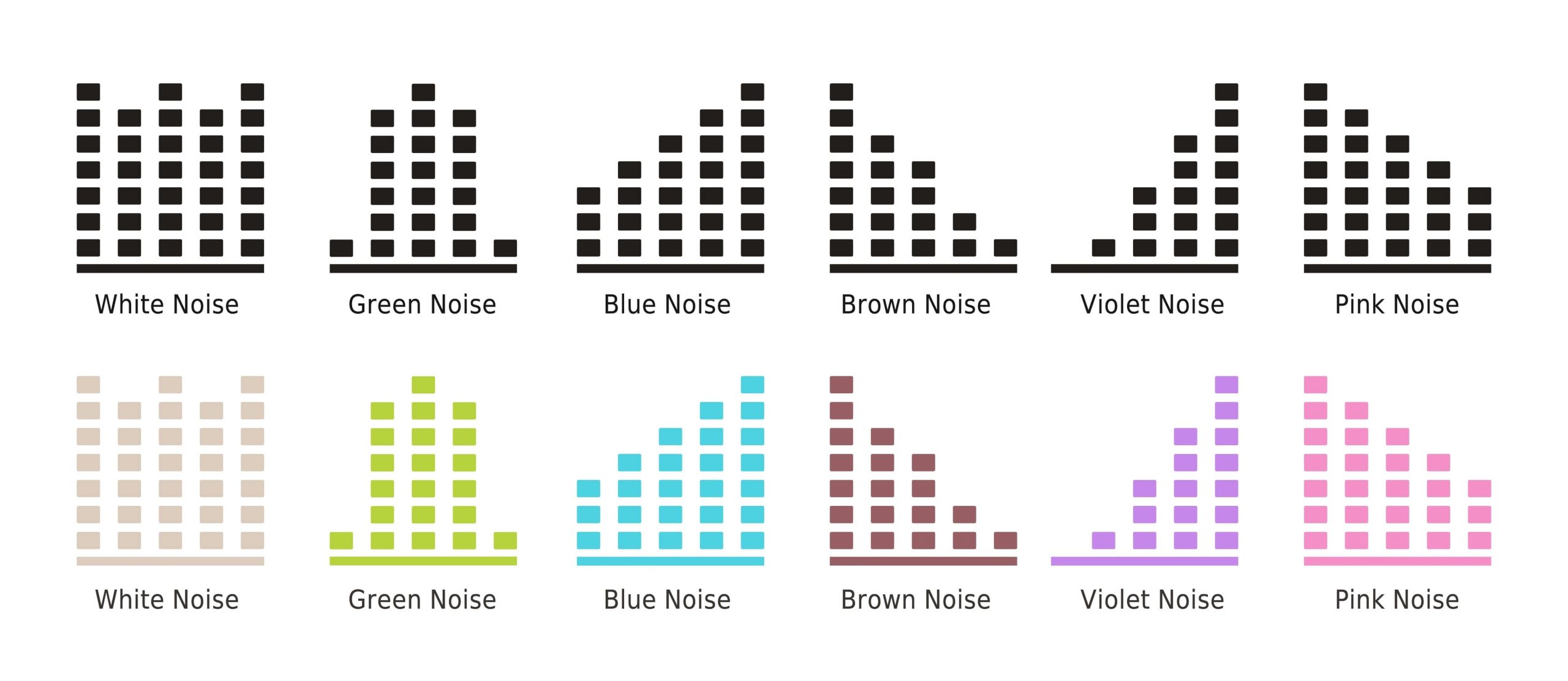
White noise is a sound that contains all audible frequencies at equal intensity. Imagine every possible sound pitch being played together at the same volume. The result is a steady, consistent sound that many people describe as similar to a television tuned to a channel with no signal, the hum of an air conditioner, or the whirr of a fan.
One reason white noise has become so popular is that it helps mask other sounds. Traffic outside the window, a barking dog, distant conversations, or household noises become less noticeable when white noise is playing in the background.
For many people, this masking effect creates a more stable sound environment, making it easier to fall asleep and stay asleep.
Research has shown that white noise can be particularly useful in noisy surroundings because it reduces the impact of sudden changes in sound. Instead of being awakened by an unexpected noise, the brain perceives a more constant auditory backdrop.

What Is Green Noise?
Green noise is a variation of coloured noise that focuses on frequencies found in the middle of the audible sound spectrum. It is often described as sounding more natural and soothing than white noise.
Many people compare green noise to the sounds heard in nature, such as gentle rainfall, rustling leaves, flowing streams, or the calming ambience of a forest. While there is no universally agreed scientific definition of green noise, it is generally considered softer and less harsh than white noise.
Because green noise emphasises mid-range frequencies, it tends to feel warmer and more pleasant to listeners who find white noise too intense or mechanical.
Think of it this way. White noise can resemble the steady hiss of static, whereas green noise often feels closer to the comforting sounds you might hear during a peaceful walk in nature.
Why Do Certain Sounds Help Us Sleep?
The human brain is remarkably sensitive to sudden changes in sound. Even while sleeping, the brain continues to monitor the environment for potential threats.
A door slamming, a horn sounding, or a neighbour’s television suddenly becoming louder can trigger brief awakenings, sometimes without us even remembering them.
Continuous background sounds such as white noise or green noise help by creating a stable auditory environment. They reduce the contrast between silence and unexpected noises.
As a result, the brain may remain calmer and less reactive during the night.
There is also a psychological element. Natural sounds often evoke feelings of comfort, relaxation, and safety. Many people find the sound of rain or flowing water inherently soothing because these sounds are associated with peaceful outdoor experiences.
Comparing Green Noise and White Noise
Although both sounds can support sleep, they have some important differences.
Sound Quality
White noise contains all frequencies equally, creating a broad, static like sound.
Green noise focuses more on middle frequencies, producing a softer and more natural listening experience.
For people who dislike the hiss associated with white noise, green noise may feel less intrusive.
Relaxation Effect
Many listeners report that green noise is more relaxing because it resembles sounds found in nature.
White noise is often appreciated for its effectiveness, but some people find it slightly artificial or harsh when played for extended periods.
Noise Masking Ability
White noise is generally considered one of the most effective sounds for masking environmental noise because it covers the entire audible spectrum.
Green noise still provides masking benefits but may be slightly less effective in particularly noisy environments.
If your bedroom is exposed to significant traffic noise or frequent disturbances, white noise may offer stronger protection.
Personal Preference
This may be the most important factor of all.
Some people sleep soundly with white noise and cannot imagine switching to anything else. Others find green noise instantly calming and easier to tolerate throughout the night.
There is no universally perfect choice. The best option is the one that helps you feel relaxed and sleep comfortably.
Who Might Benefit Most from Green Noise?
Green noise may be especially appealing if:
- You find white noise too sharp or irritating.
- You enjoy natural sounds such as rainfall or forest ambience.
- You prefer a softer sound environment.
- You want background noise that feels less mechanical.
Many people who initially struggled with white noise discover that green noise provides a gentler alternative while still helping them relax before bed.

Tips for Using Noise for Better Sleep
If you would like to experiment with green noise or white noise, a few simple guidelines can help.
Keep the volume moderate. The sound should blend into the background rather than dominate your attention.
Use a reliable speaker or sound machine. Poor quality speakers can distort sounds and make them less soothing.
Give yourself time to adjust. It may take several nights before your brain becomes accustomed to a new sleep sound.
Consider combining sound with other healthy sleep habits, such as maintaining a regular bedtime, limiting screen use before bed, and keeping your bedroom cool and comfortable.
The Bottom Line
Green noise may be the latest trend in sleep audio, but its growing popularity highlights something many people already know. Nature inspired sounds can be deeply calming.
White noise remains a trusted and effective option for masking disruptive sounds and creating a consistent sleep environment. Green noise, meanwhile, offers a softer and often more natural listening experience that many people find relaxing.
Neither is inherently better than the other. The choice depends on your environment, your preferences, and how your brain responds to different sounds.
If white noise has never quite worked for you, green noise may be worth exploring. Sometimes, the gentle sound of rustling leaves or distant rainfall is all it takes to help the mind settle, the body relax, and sleep arrive a little more easily.